Artwork
Peisaj stâncos cu cascadă
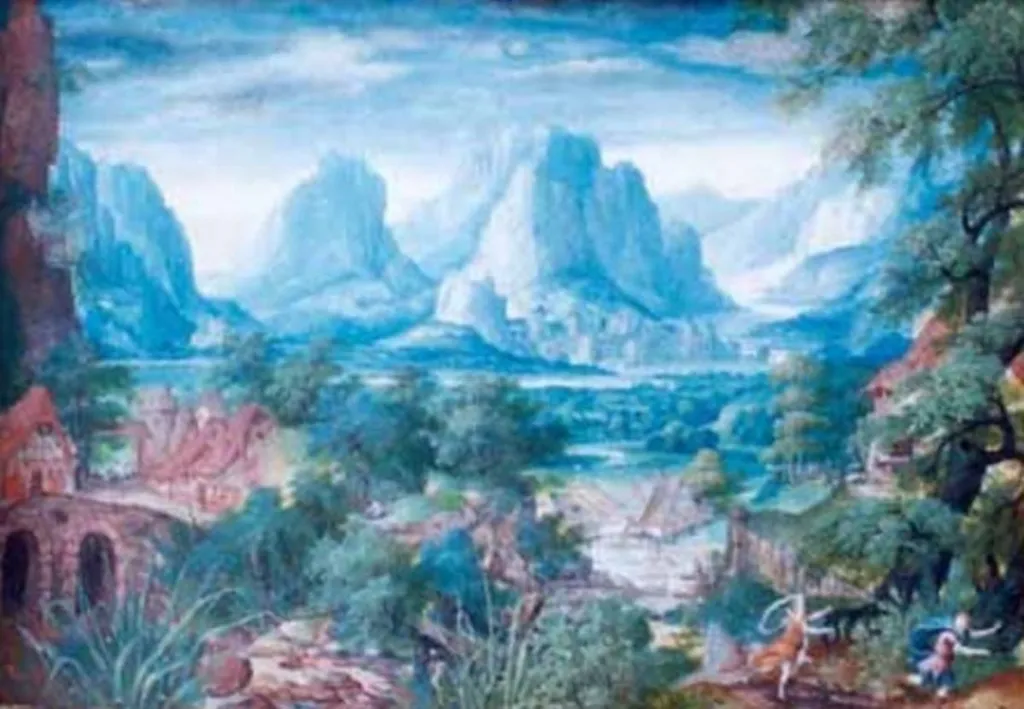
Peisaj stâncos cu cascadă is an unspecified painting by the Northern Renaissance artist Frans Boels. It dates from 1588 and is held in the collection of the Brukenthal National Museum.
About this work
Overview
Painted in 1588 by Frans Boels, a Flemish artist active in the Dutch Republic, this landscape depicts a rugged mountain setting with a cascading waterfall.
Painted in 1588 by Frans Boels, a Flemish artist active in the Dutch Republic, this landscape depicts a rugged mountain setting with a cascading waterfall. Boels, known for integrating natural scenery with narrative elements, here focuses solely on the terrain, emphasizing geological form and atmospheric depth without human or mythological figures. The work reflects his mature style, rooted in Northern Renaissance traditions of detailed observation.
Subject & Meaning
The painting presents a tranquil yet formidable natural environment: steep cliffs, a plunging waterfall, and a meandering river through a verdant valley. There is no narrative or human presence, suggesting an interest in nature’s autonomy. The composition invites contemplation of geological endurance and the quiet power of water, aligning with emerging Renaissance values that saw landscape as worthy of independent study.
Technique & Style
Boels employed thick, textured brushwork to render the rocky surfaces and turbulent water, creating a tactile sense of volume. Cool blues and greens dominate the palette, softened by pale sky tones, while warm browns ground the composition near the cliffs. The impasto technique enhances the physicality of the terrain, distinguishing the water’s movement from the solidity of stone, and contributes to a subtle illusion of depth.
History & Provenance
Created during Boels’s time in the Dutch Republic, the painting is one of several surviving landscapes from his later period. Though few of his works are documented with certainty, this piece is attributed based on stylistic consistency with his known drawings and signed works. Its survival suggests it was valued by collectors interested in naturalistic scenery during the late 16th century.
Context
In the late 1500s, Flemish and Dutch artists increasingly turned to landscape as a subject in its own right, moving beyond religious or mythological framing. Boels contributed to this shift, drawing from both local topography and imported Italianate ideals. His work reflects a broader Northern European trend toward empirical observation, where nature was rendered not as backdrop but as a subject of quiet reverence.
Legacy
Boels’s landscapes, though less widely known than those of later Dutch painters, helped lay groundwork for the genre’s development in the 17th century. His emphasis on texture, atmospheric tone, and unidealized terrain influenced contemporaries and successors who sought to capture the physical reality of the natural world. This painting stands as an early example of landscape autonomy in Northern art.
Artist & collection
Artist
Frans Boels (c. 1555 in Mechelen – 1596 in Amsterdam) was a Flemish painter and draftsman, who was active in the Dutch Republic in the latter part of his life. He is mainly known for his landscape paintings with…

 Landscape with Jacob at the Well
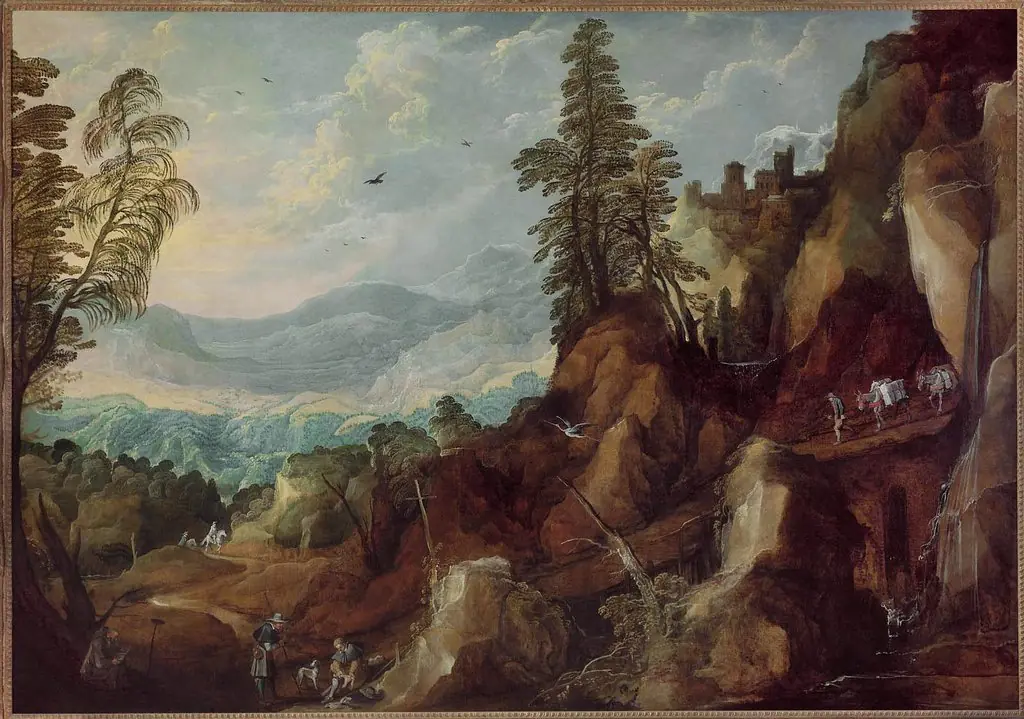 Mountain Landscape with Travelers
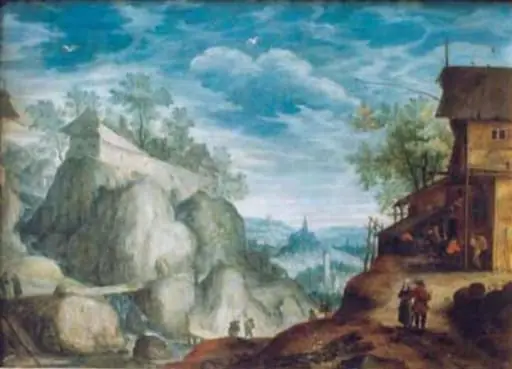 Peisaj muntos cu cârciumă
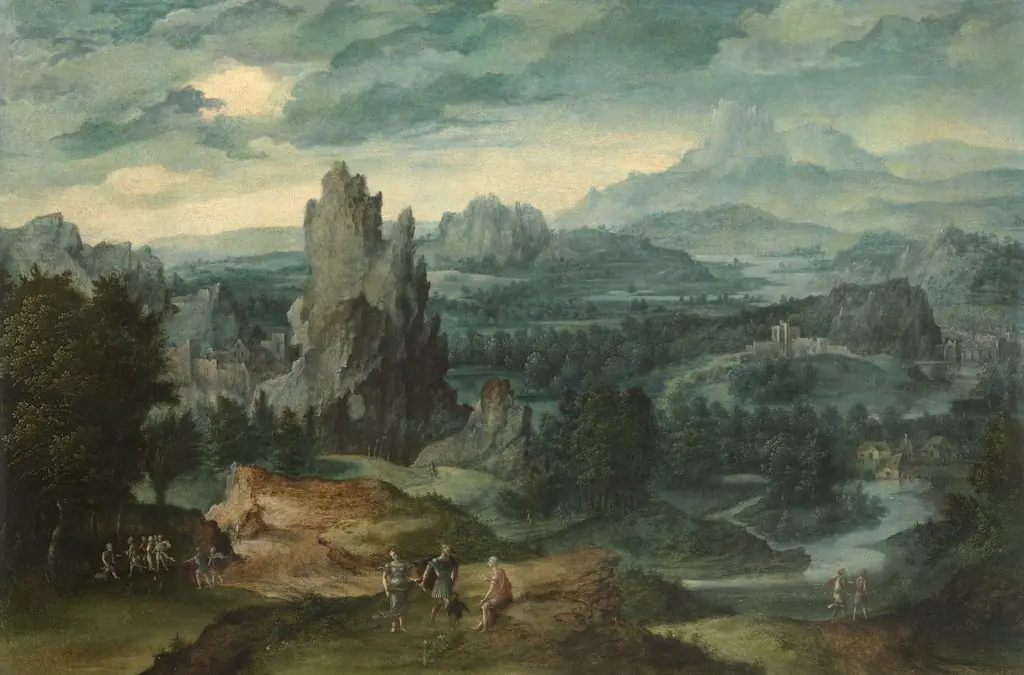 Landscape with Procne and Philomela
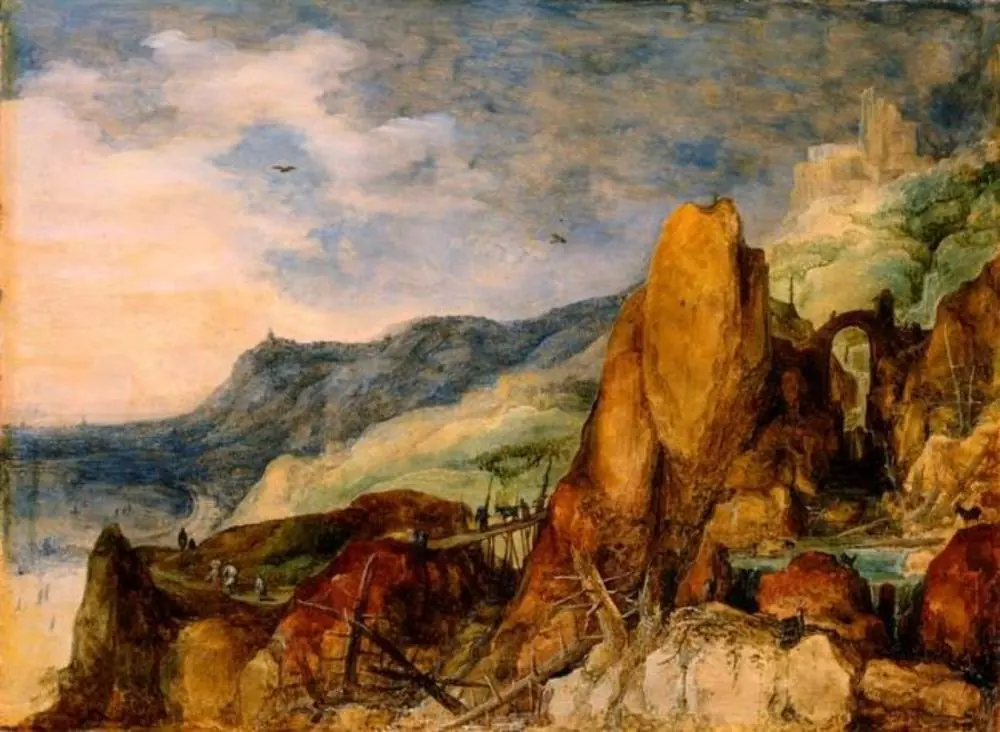 Mountain landscape with fir trunks in a stream
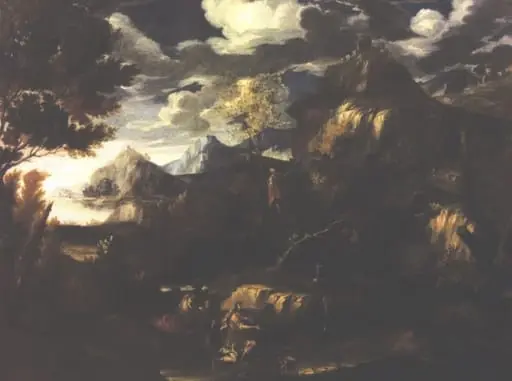 Revelația Sf. Eustațiu
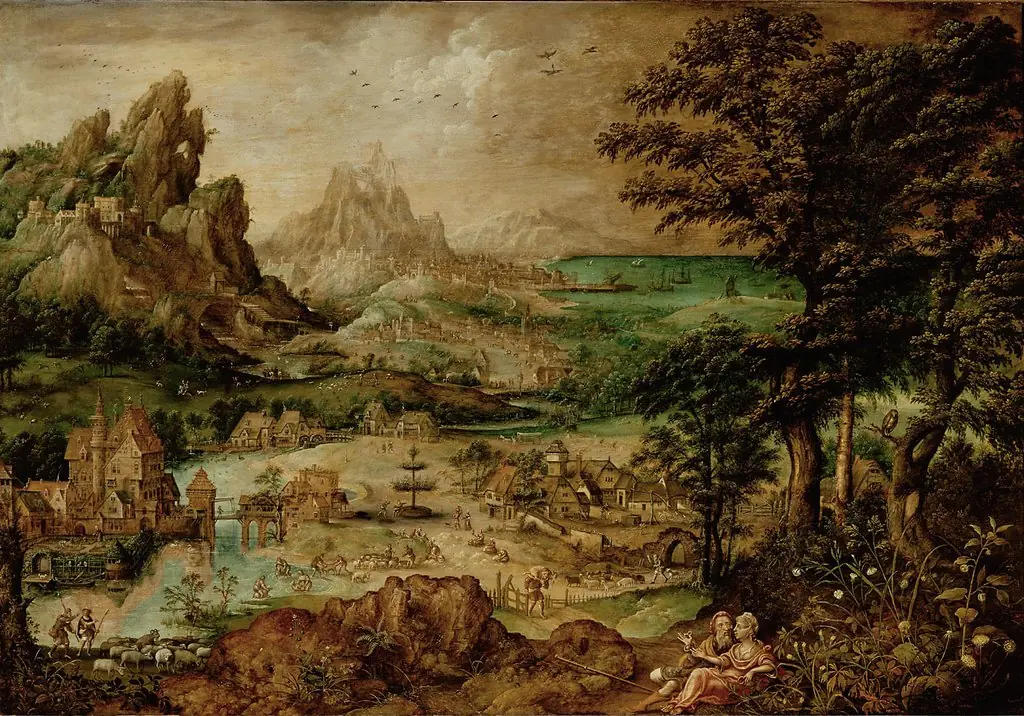 Landscape with Judah and Thamar
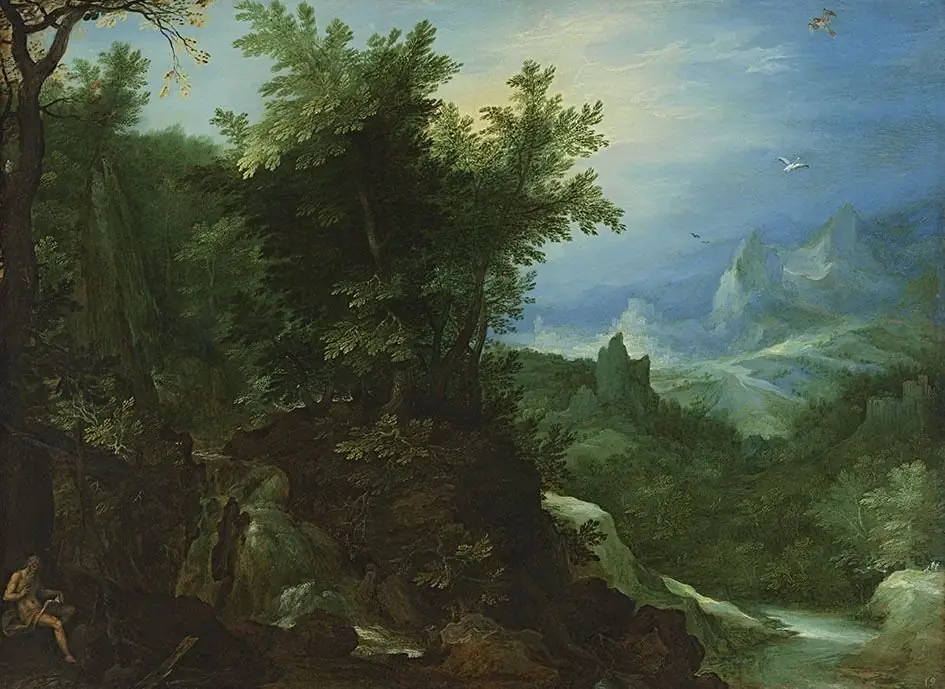 Woodland landscape with St Jerome
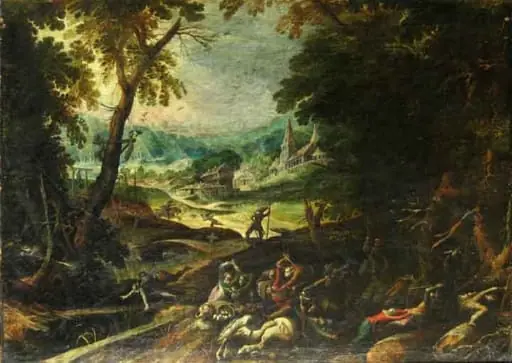 Atacul hoților
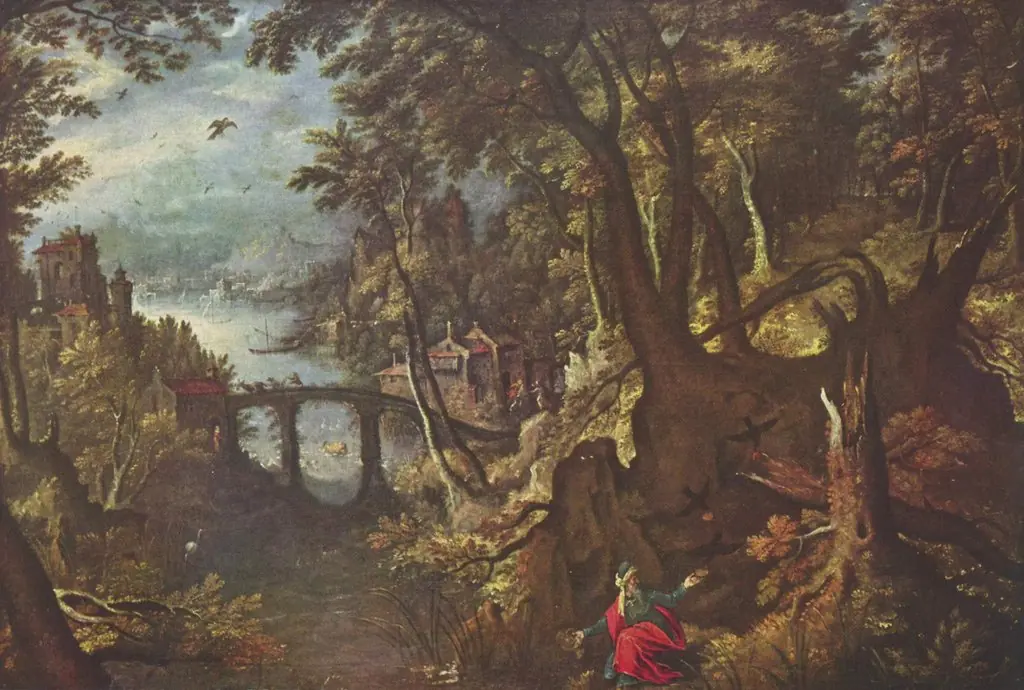 Elijah fed by the raven
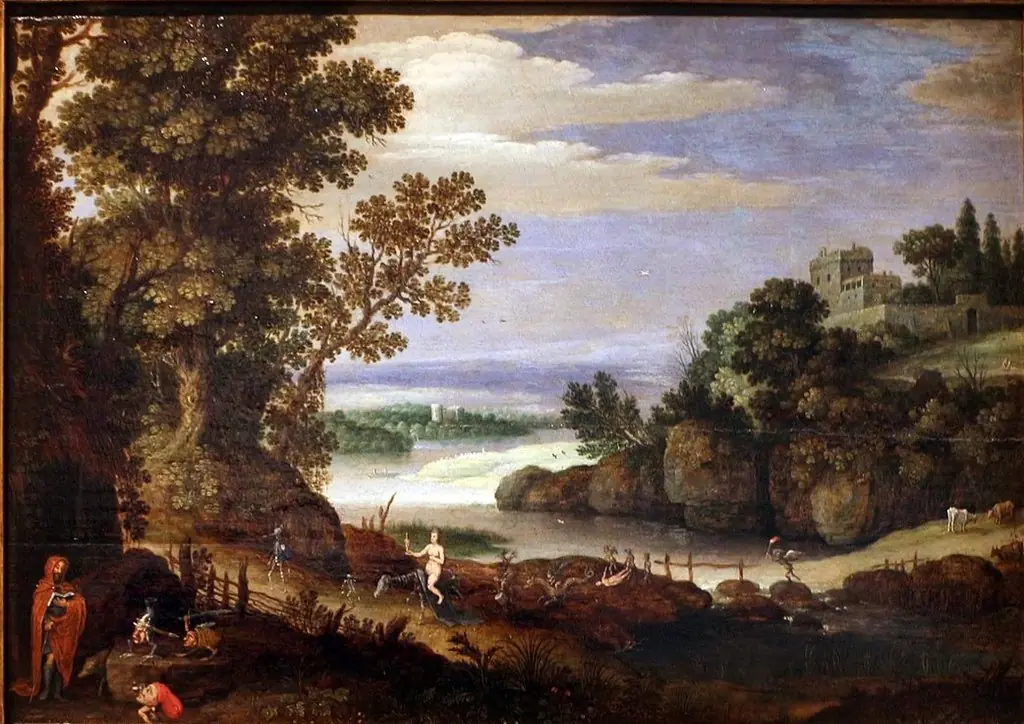 Paisagem com as Tentações de Santo Antão
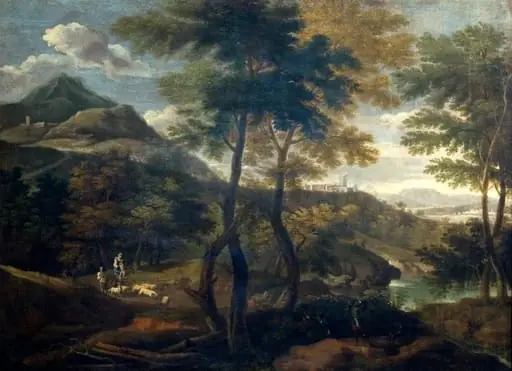 Peisaj italian