Artwork
Cloetis
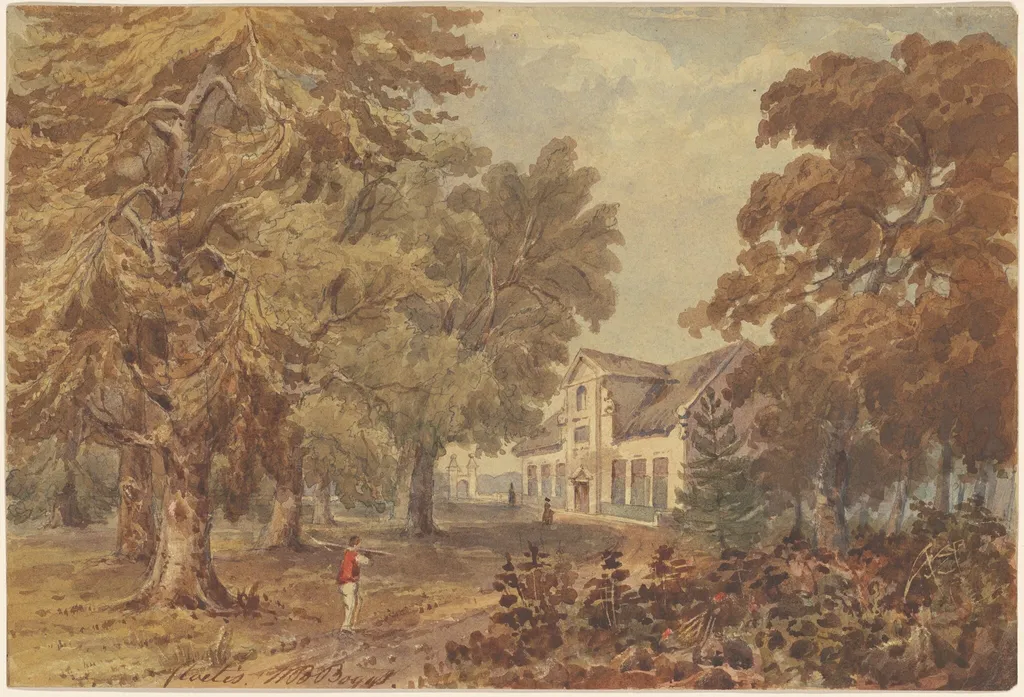
Cloetis is a graphite drawing by the Impressionist artist William Brenton Boggs. It dates from 1855 and is held in the collection of the National Gallery of Art.
About this work
Overview
Cloetis is a watercolor and graphite drawing on wove paper, executed by William Brenton Boggs around 1855, depicting a serene autumn courtyard scene.
Subject & Meaning
The drawing portrays a tranquil courtyard in late afternoon light, featuring tall trees with golden leaves and brown branches, a partially obscured white-columned building, and a few pedestrians. The dominant trees and scattered fallen leaves evoke a sense of natural tranquility.
Technique & Style
Boggs utilized watercolor to achieve smooth color transitions, imbuing the scene with warmth and naturalism. The medium's inherent qualities enhance the soft, glowing late-afternoon light effect.
History & Provenance
Created circa 1855 by William Brenton Boggs, specific provenance details are not provided in the available information.
Context
Characteristic of mid-19th-century watercolor practices, Cloetis reflects the era's appreciation for capturing serene, everyday environments through the medium's expressive capabilities.
Legacy
The artwork's impact or influence on subsequent artistic movements or individual artists is not specified in the provided context.
Own this work as a print
Artist & collection


 Farmhouse behind Trees
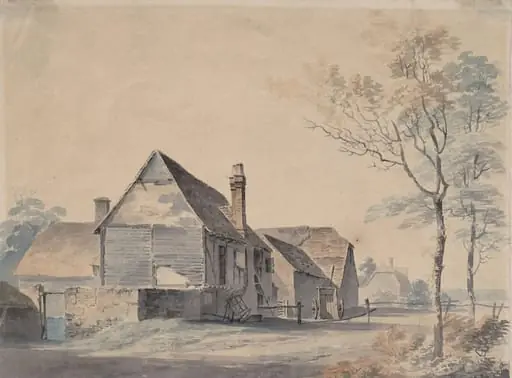 Landscape with Barn
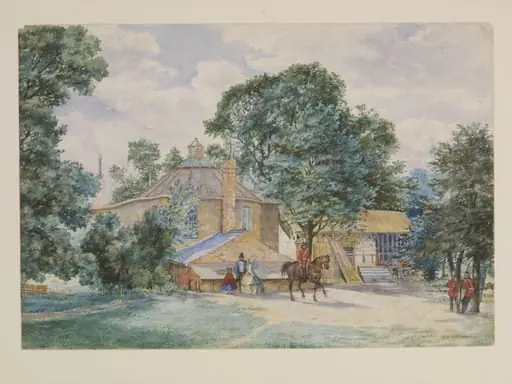 The first lecture theatre at the South Kensington Museum, later the Victoria and Albert Museum
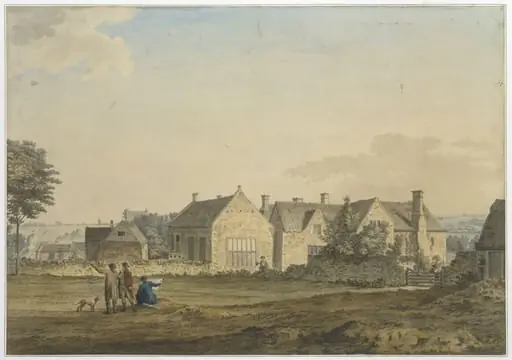 Whitwell Hall, Derbyshire
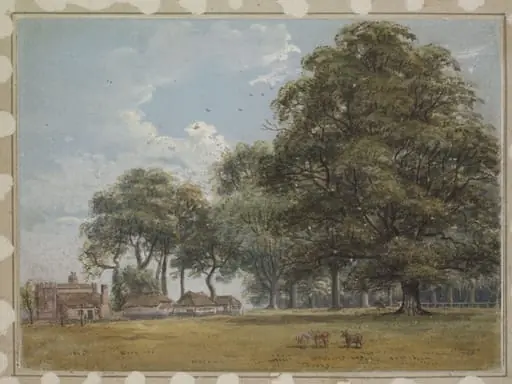 Easton Park
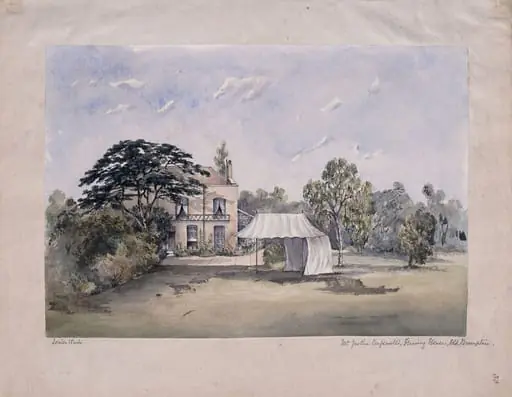 Fleming House
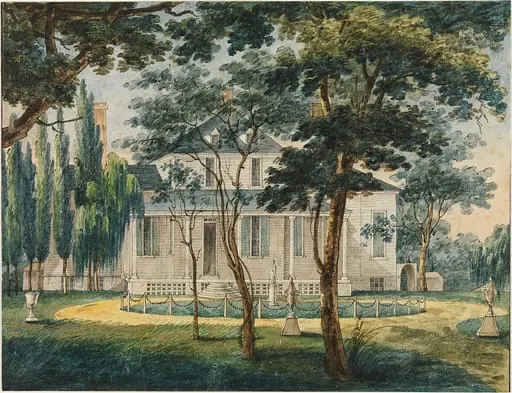 A Country Residence, Possibly General Moreau's Country House at Morrisville, Pennsylvania
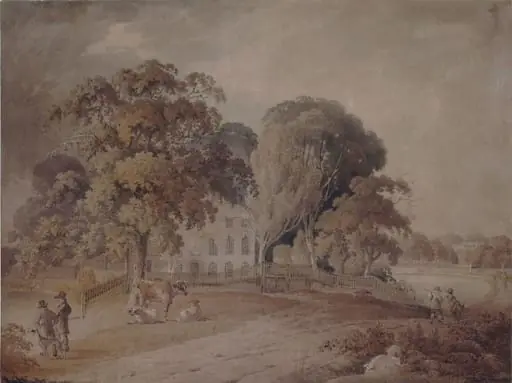 Lake House, Epping
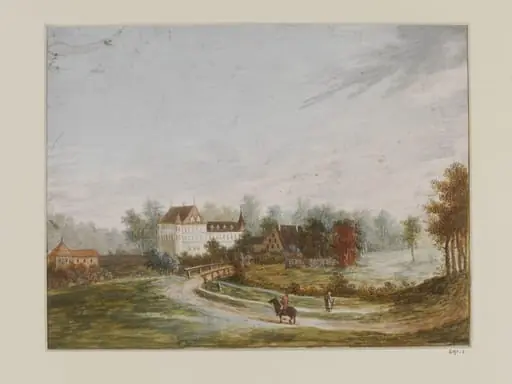 Landscape
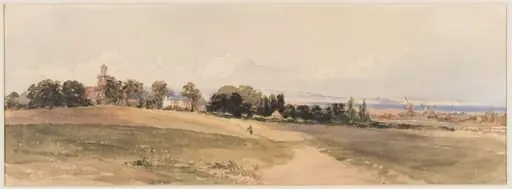 Upper Deal - Ramsgate in the distance
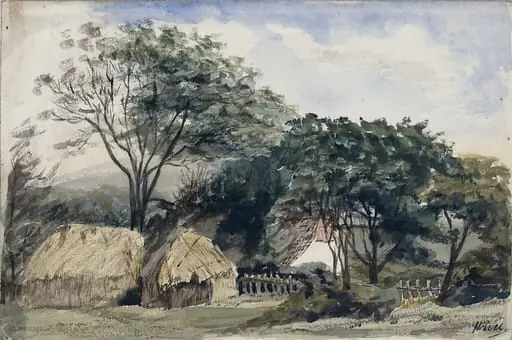 Hayrick and cottage under trees
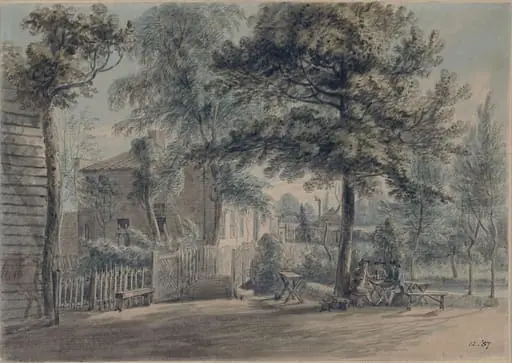 Old Tea Gardens, Bayswater Road