Artwork
Grèce - Tempé, le Bain du Faune (Ελλάδα - Τέμπη, το Λουτρό του Πάνα)
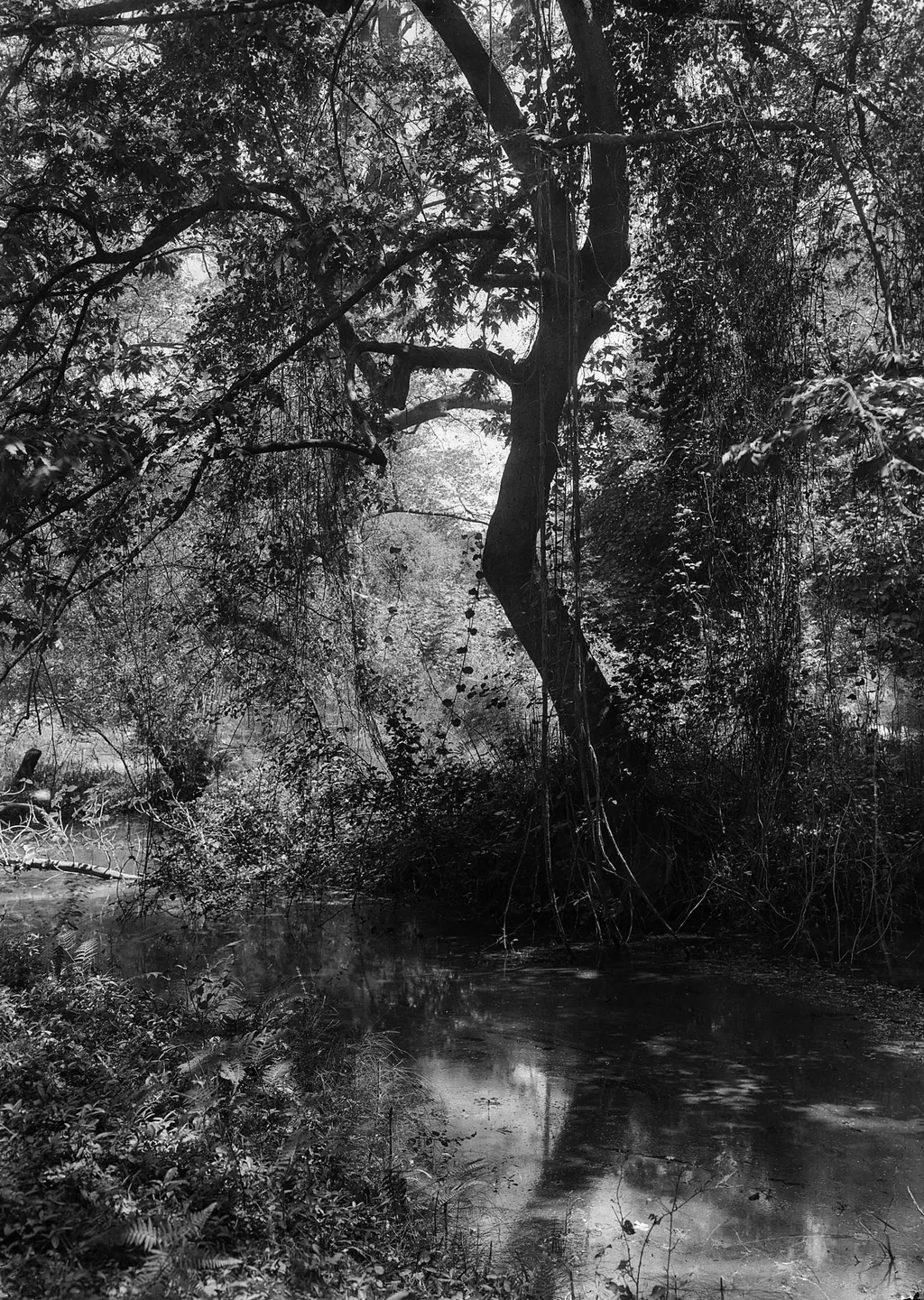
Grèce - Tempé, le Bain du Faune (Ελλάδα - Τέμπη, το Λουτρό του Πάνα) is a photography by Fred Boissonnas. It dates from 1908 and is held in the collection of the Metropolitan Organisation of Museums of Visual Arts of Thessaloniki – MOMus.
About this work
The bridge’s rough, uneven stones look old and worn, with patches of lichen clinging to them.
This black-and-white photo shows a narrow, mossy stone bridge over a shallow stream. The water is calm, reflecting the trees and rocks around it. Tall, leafless branches lean over the bridge, creating a dark tunnel of shadows.
The bridge’s rough, uneven stones look old and worn, with patches of lichen clinging to them. The scene feels quiet and still, like a forgotten place in nature.
Next, look up Boissonnas, Fred (1858-1946) to see more of his work.
Overview
The photograph, taken in 1908 by French photographer Fred Boissonnas, depicts a narrow stone bridge at Tempe, Greece, spanning a shallow, tranquil stream. Rendered in black and white, the image captures the bridge’s weathered masonry and the surrounding vegetation, emphasizing the quiet, almost timeless atmosphere of the site.
Subject & Meaning
The composition centers on the bridge, its moss‑covered stones and the calm water that mirrors nearby trees and rocks. Overhead, leafless branches form a vaulted canopy, casting deep shadows that suggest a secluded passage through the landscape, evoking the mythic associations of the area with the god Pan.
Technique & Style
Boissonnais employed the photographic processes of the early twentieth century, using a large‑format camera that allowed for fine detail and a broad tonal range. The high‑contrast monochrome rendering highlights texture—rough stone, lichen, and water surface—while the framing isolates the bridge within a natural tunnel of light and shade.
History & Provenance
Created during Boissonnas’s extensive travels in the Balkans and Greece, the image entered the collection of the Museum of Ethnography, where it is preserved as part of the photographer’s documentation of regional architecture and landscape.
Context
Tempe, a narrow valley between Mount Olympus and Mount Ossa, has long been celebrated in classical literature for its lush scenery and mythic significance. Boissonnas’s photograph records the valley’s physical features at a time when modernization was beginning to alter many traditional sites.
Artist & collection
Museum
Metropolitan Organisation of Museums of Visual Arts of Thessaloniki – MOMus
Continue through works from the same source collection.
 Grèce - Athènes - Acropole – Propylees (Ελλάδα – Αθήνα – Ακρόπολη – Προπύλαια)
 Crète - Sitias, la ville blanche au bord de la mer (de près), 18 VI 20 (Κρήτη - Σητεία, η λευκή πόλη δίπλα στη θάλασσα (από κοντά), 18 Ιουνίου 1920)
 Athènes, vue de Kaisariani (Αθήνα, όψη από την Καισαριανή)
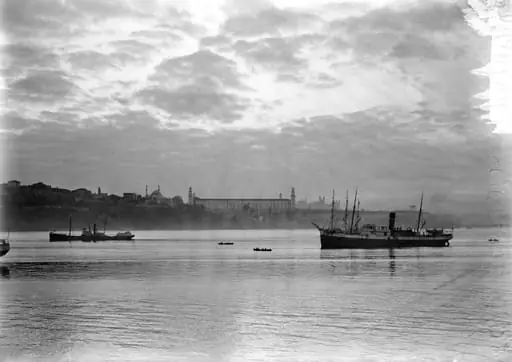 Constantinople, Scutari, lever du soleil, 18 XI 20 (Κωνσταντινούπολη, Σκουτάρι, ανατολή ηλίου, 18 Νοεμβρίου 1920)
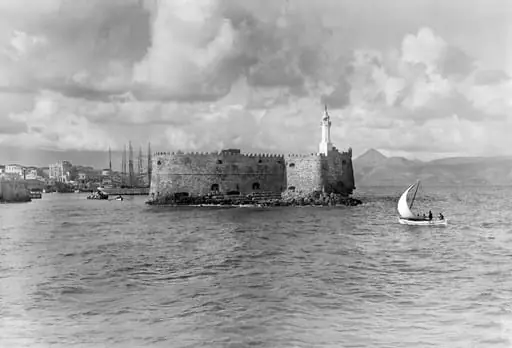 Crète, Herakleion ou Candie, Entrée du pont vue de la mer (Κρήτη, Ηράκλειο ή Κάντια, είσοδος του λιμανιού από τη θάλασσα)
![Céphalonie, Lixouri, (anciennement Odyssée 580) [Κεφαλονιά, Ληξούρι, (πρώην Οδύσσεια 580)], by Fred Boissonnas](https://artifactworldgallery.com/img/fred-boissonnas--cephalonie-lixouri-anciennement-odyssee-580-580--d8d058ce781d9c73-w320.webp) Céphalonie, Lixouri, (anciennement Odyssée 580) [Κεφαλονιά, Ληξούρι, (πρώην Οδύσσεια 580)]
Céphalonie, Lixouri, (anciennement Odyssée 580) [Κεφαλονιά, Ληξούρι, (πρώην Οδύσσεια 580)]
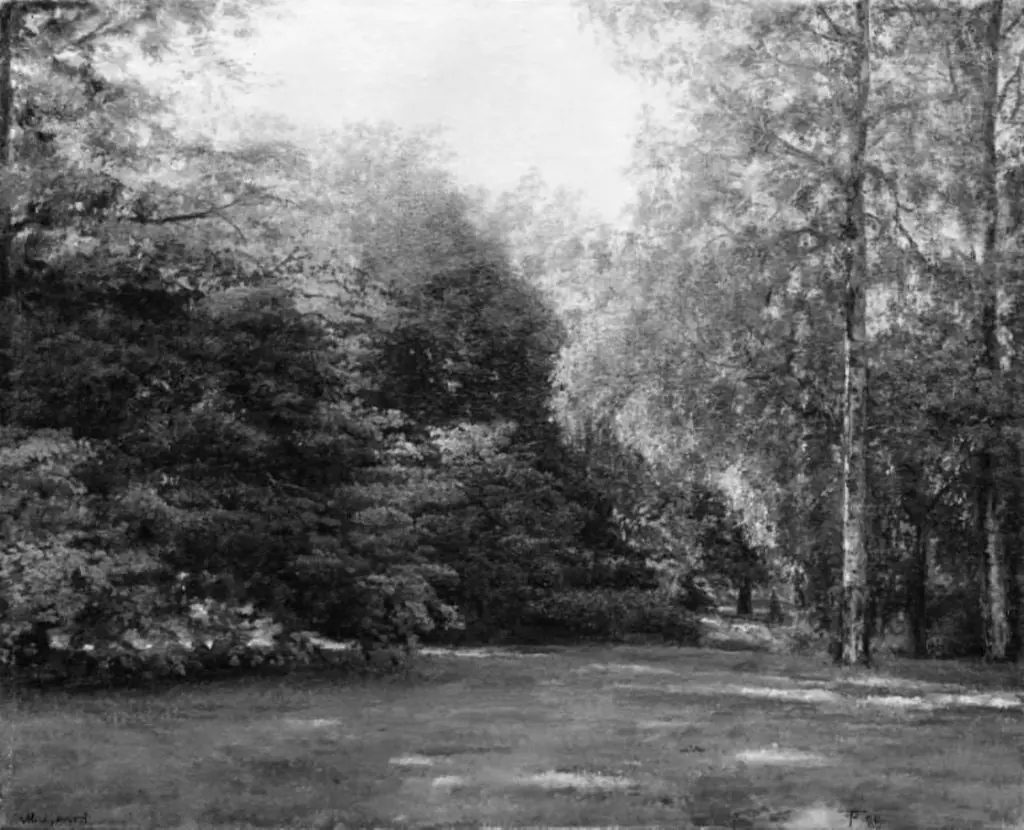 Park with Tall Trees
 Park with Tall Trees
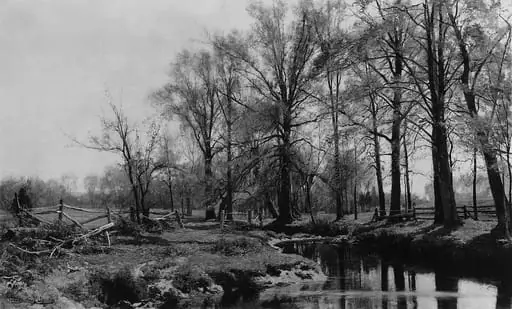 Spring
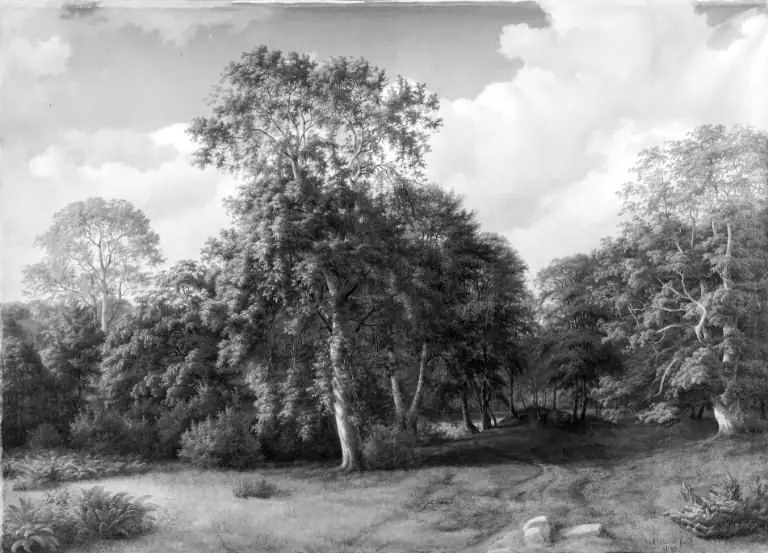 Forest Scenery from Præstevangen near Frederiksborg
 Forest Scenery from Præstevangen near Frederiksborg
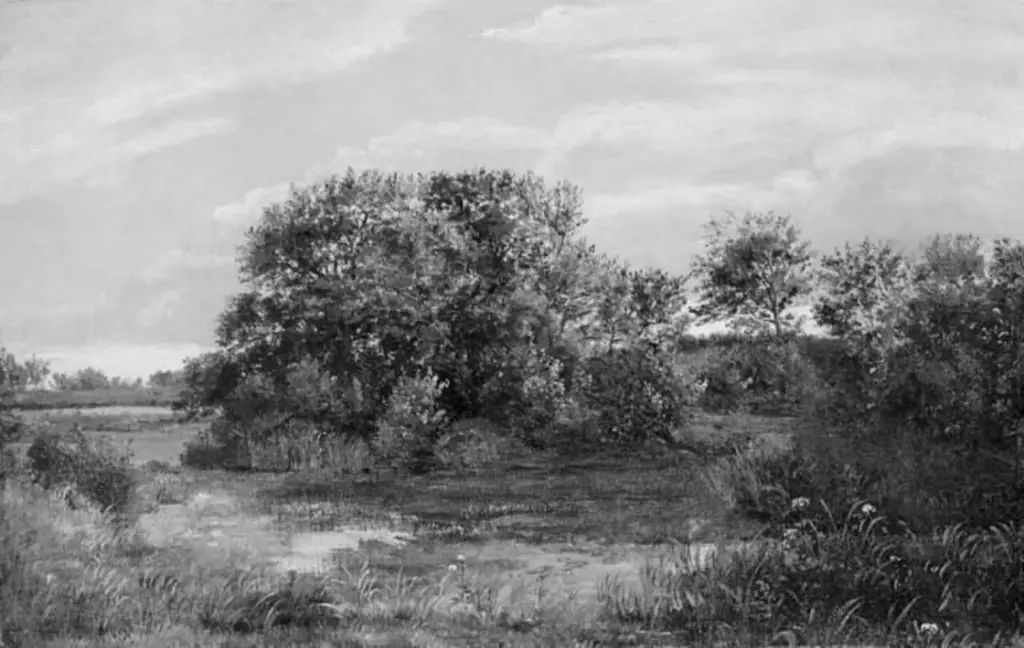 Bog on a Wooded Islet
 Winter Trees Reflected in a Pond
 Tåget efterårsmorgen i udkanten af en birkeskov. Motiv fra egnen ved Silkeborg
 Detail of a Forest
 Τοπιογραφία
 Shere Mill Pond, No. 11 (The Large Plate)
 Άτιτλο