Artwork
Woman Holding Two Tablets (the Cumaean Sibyl?)
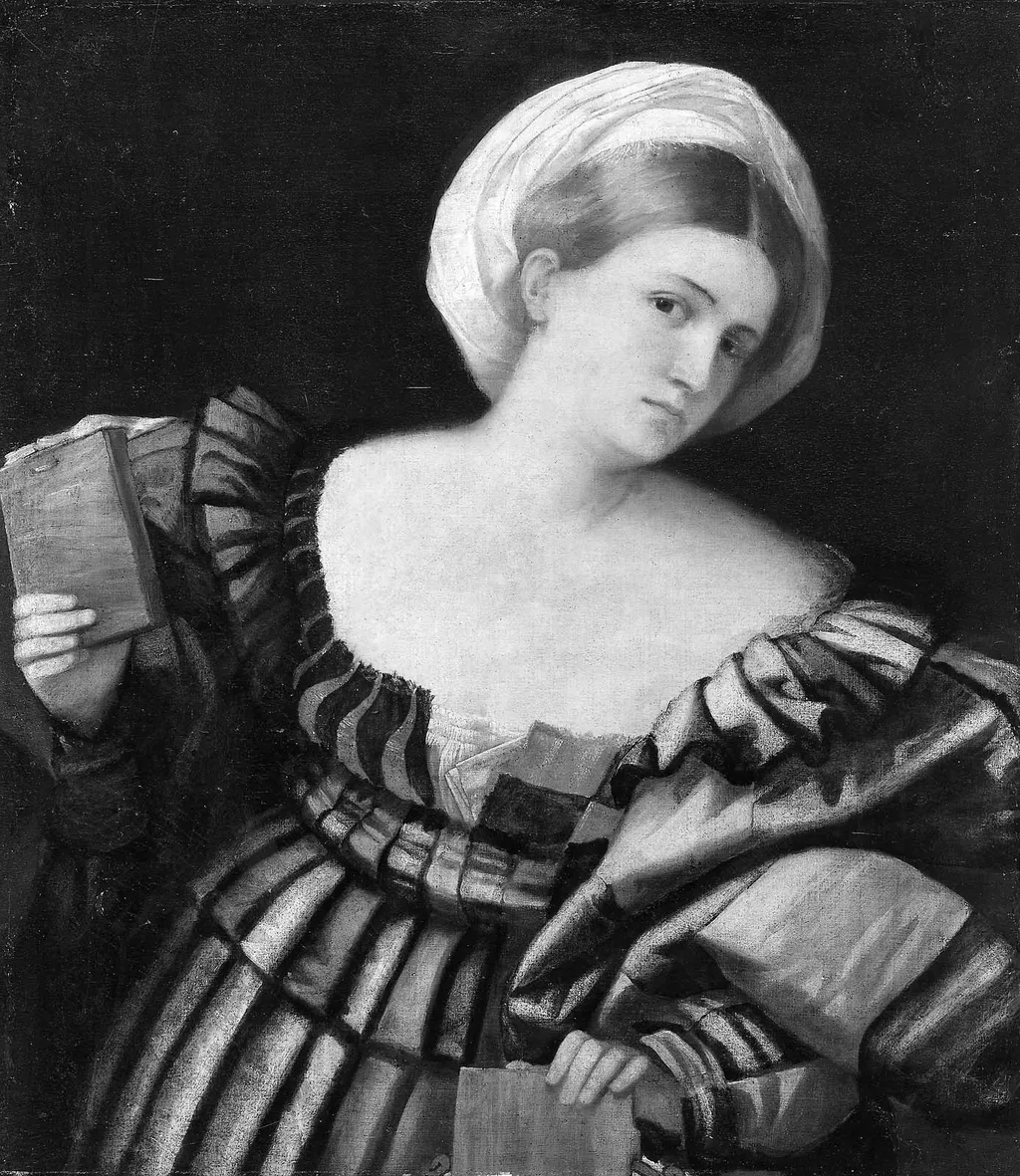
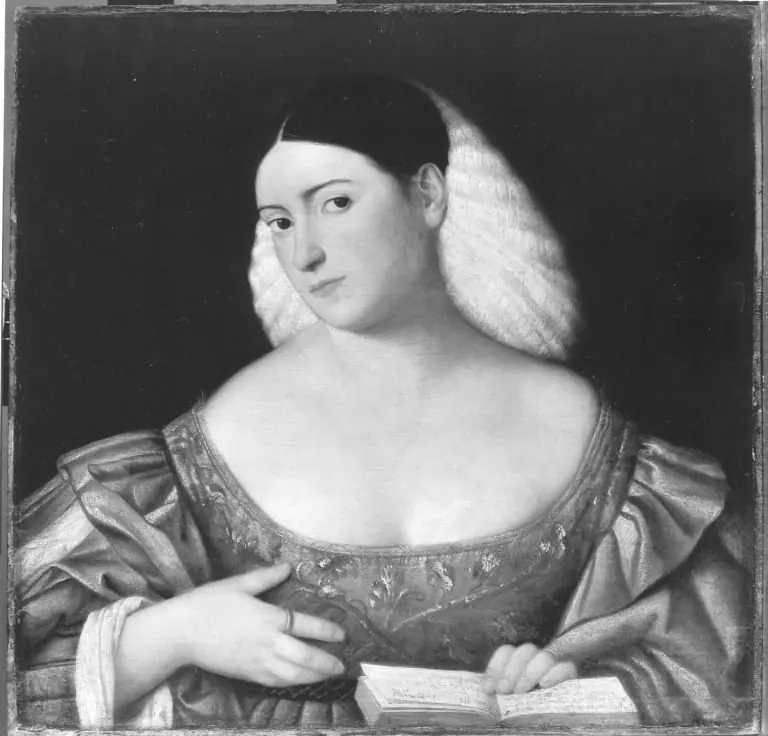
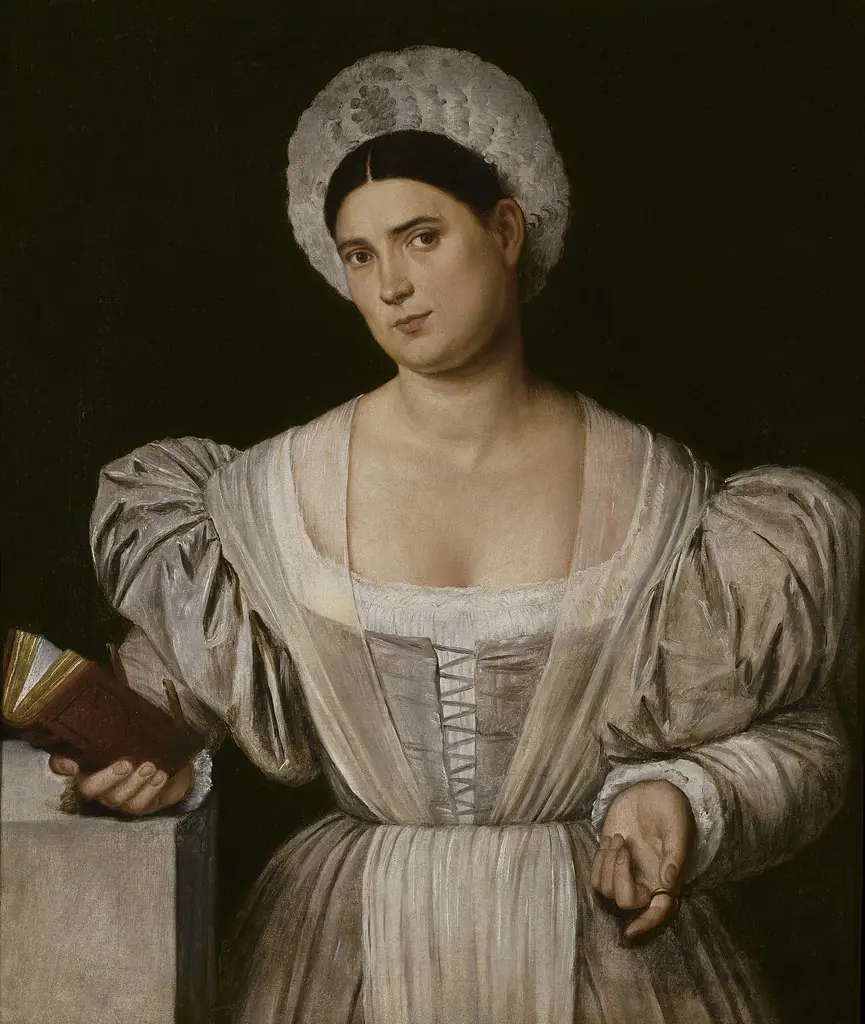
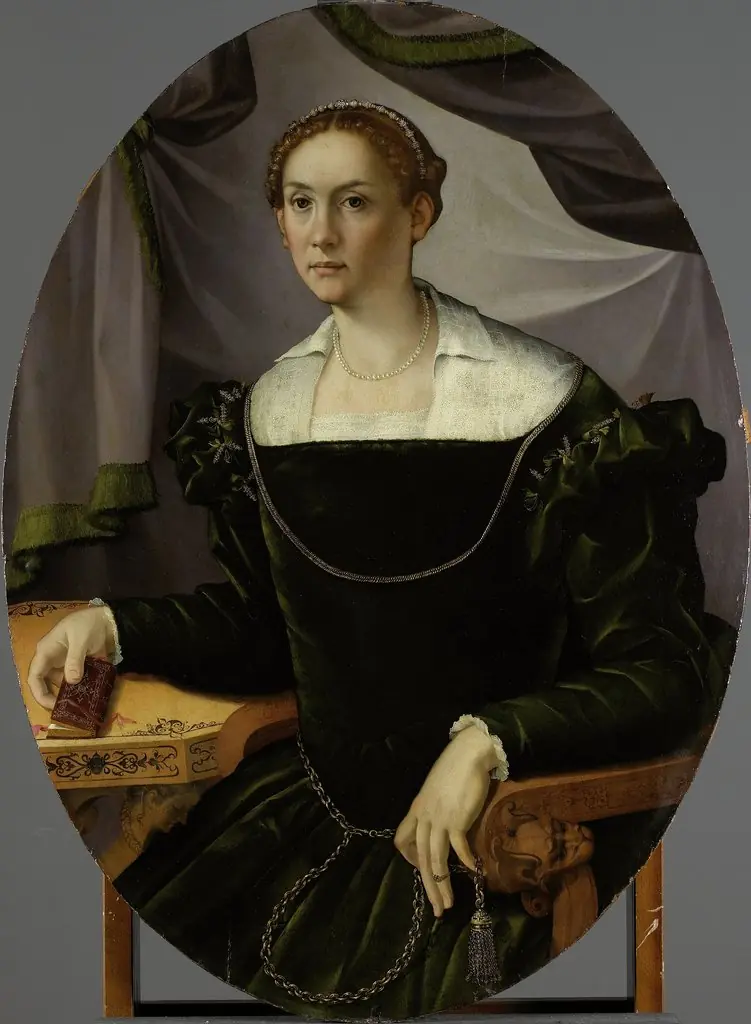
Woman Holding Two Tablets (the Cumaean Sibyl?) is an oil painting by the Mannerist artist Bonifazio Veronese. It dates from 1530 and is held in the collection of the Museum of Fine Arts Boston.
About this work
Overview
Created around 1530 by the Venetian painter Bonifazio Veronese, this oil on canvas belongs to the Mannerist period. The work presents a solitary female figure against an unadorned dark backdrop, her pose centered and her gaze directed toward the viewer. It is currently part of the Museum of Fine Arts, Boston’s collection.
Subject & Meaning
The sitter holds two flat tablets, a motif that has led scholars to identify her as the Cumaean Sibyl, the prophetic priestess of ancient myth. The ambiguous title reflects ongoing debate about the figure’s identity, but the inclusion of the tablets underscores themes of knowledge and revelation common in Renaissance depictions of sibyls.
Technique & Style
Veronese employs a subtle chiaroscuro, allowing light to caress the skin and richly colored garments while the surrounding space recedes into shadow. Thick, impasto brushwork is evident on the voluminous sleeves and high collar, creating tactile surface variation. The composition’s elongated proportions and elegant pose are characteristic of Mannerist aesthetics.
History & Provenance
The painting entered the Museum of Fine Arts, Boston, through acquisition in the early twentieth century, though earlier ownership records are sparse. Bonifazio Veronese’s oeuvre influenced later Venetian artists such as Andrea Schiavone and Jacopo Tintoretto, situating this work within a lineage of regional stylistic development.
Own this work as a print
Artist & collection
Artist
Bonifazio Veronese, born Bonifazio de' Pitati (1487 – 19 October 1553), was a Venetian Renaissance painter who was active in the Venetian Republic.

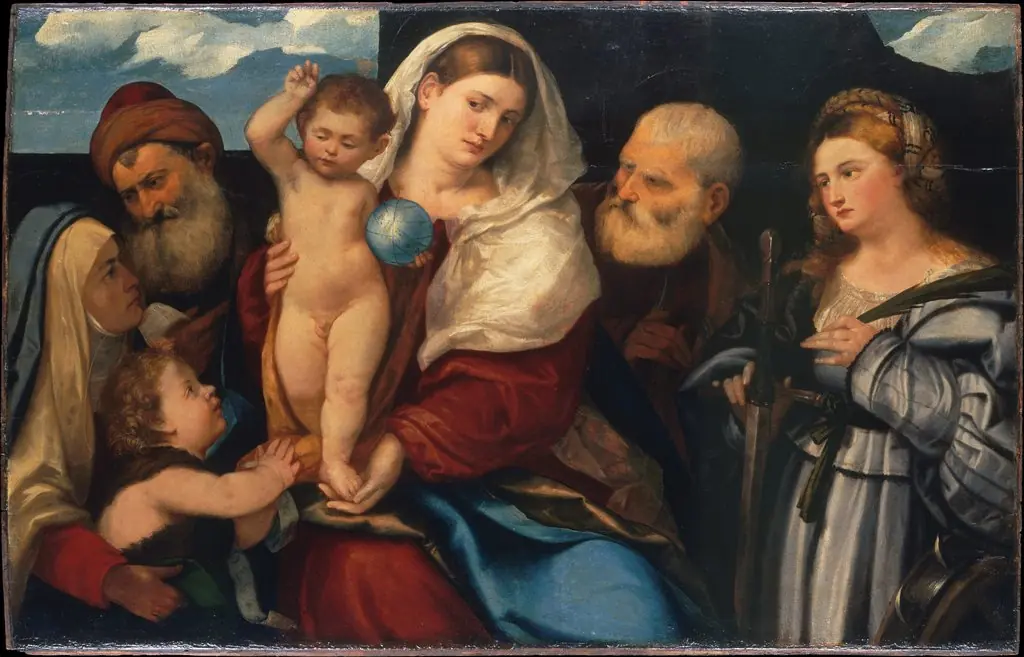 Madonna and Child with Saints
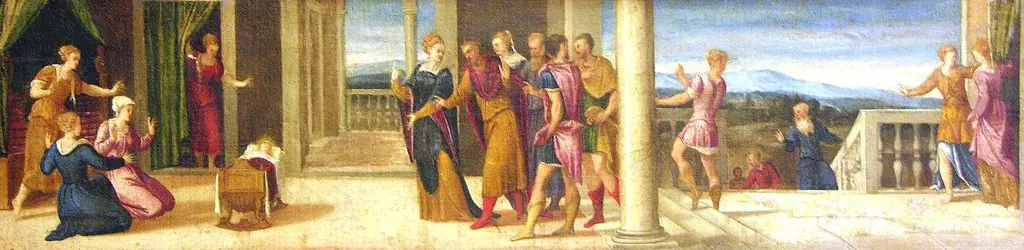 The Legend of the Infant Servius Tullius
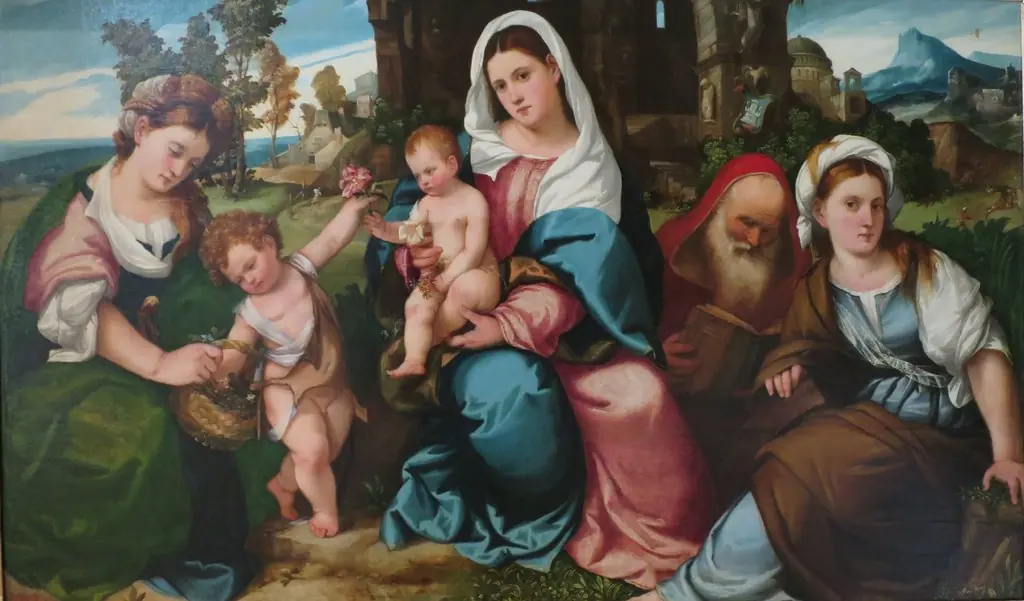 Madonna and Child with St Catherine, St John the Baptist, St Dorotea and St Anthony the Abbot
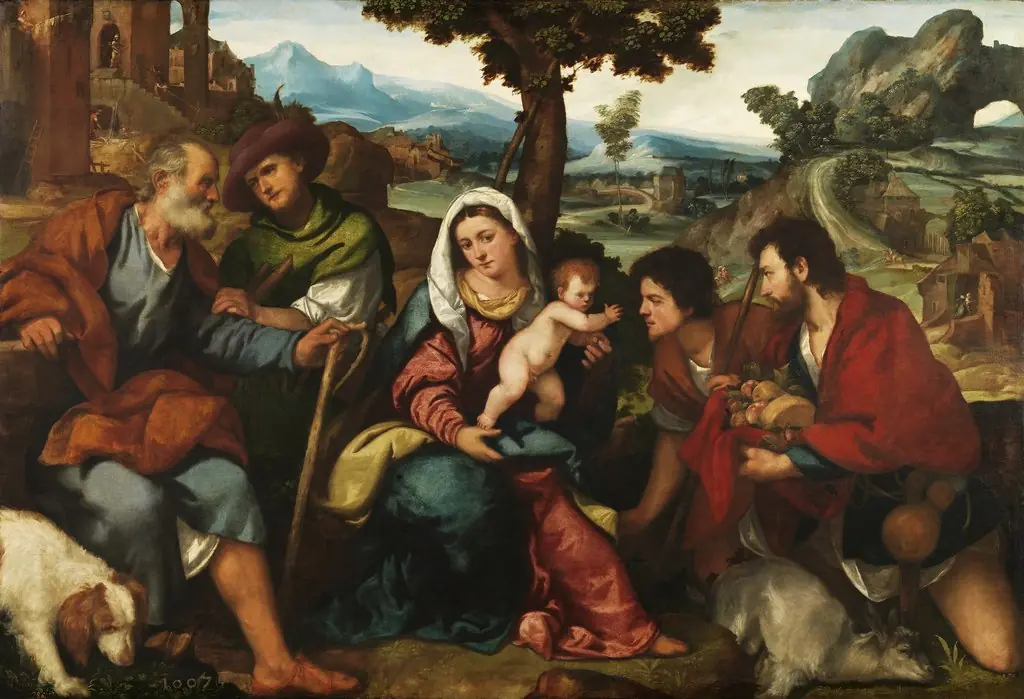 The Adoration of the Shepherds
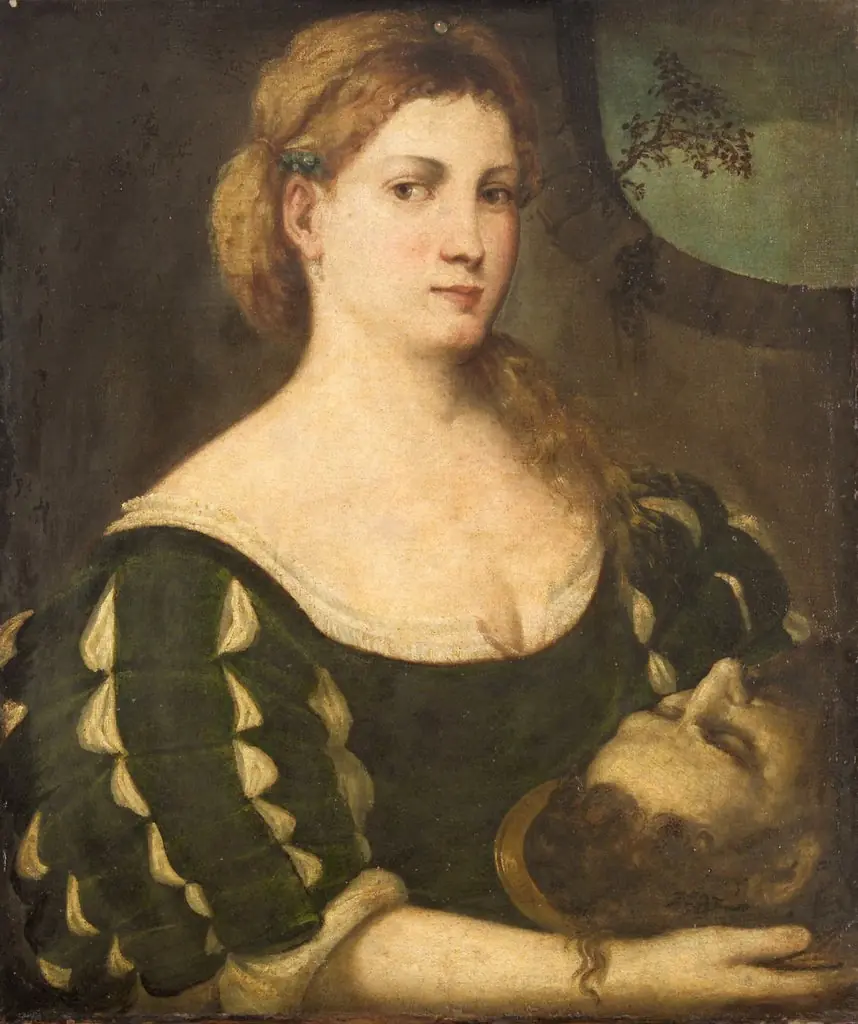 Salome with the head of John the Baptist
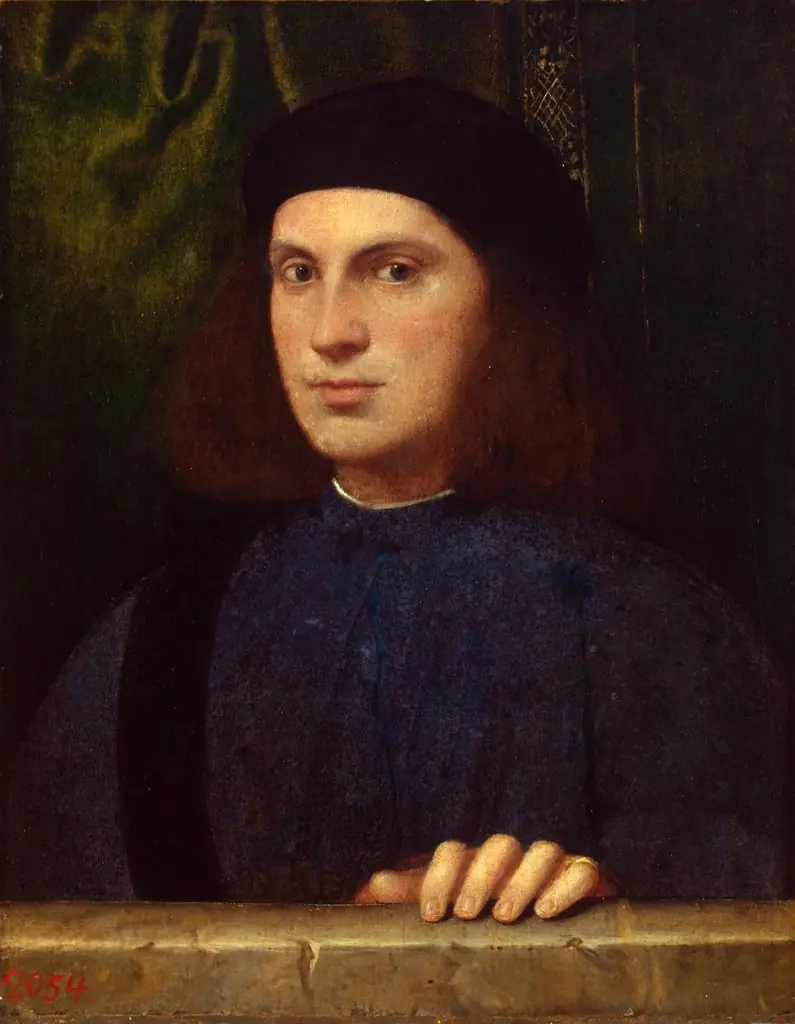 Portrait of a Young Man
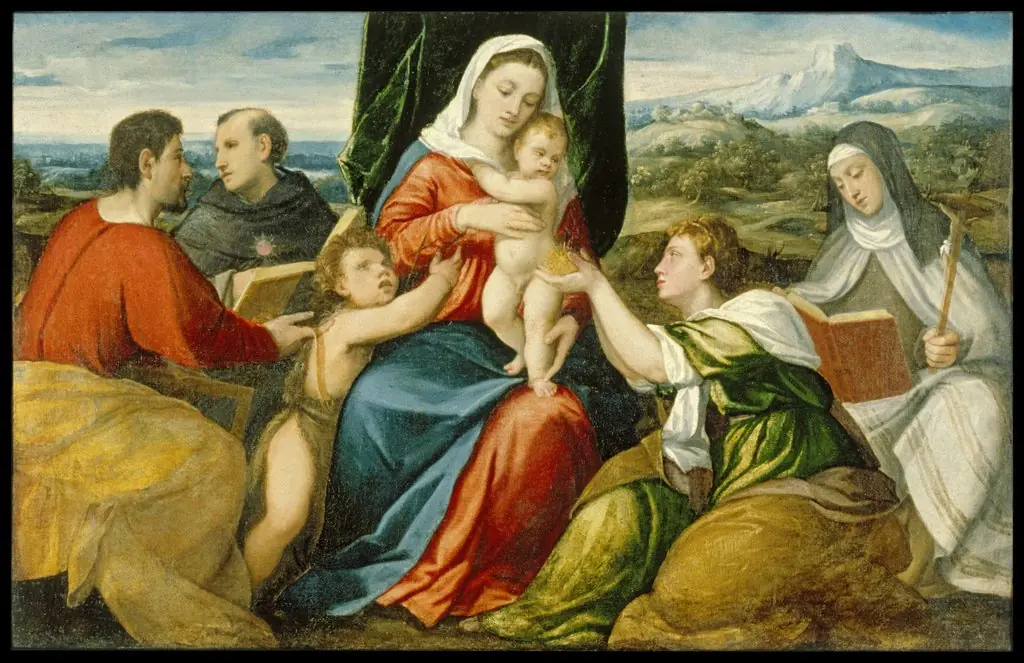 Madonna and Child with Saints
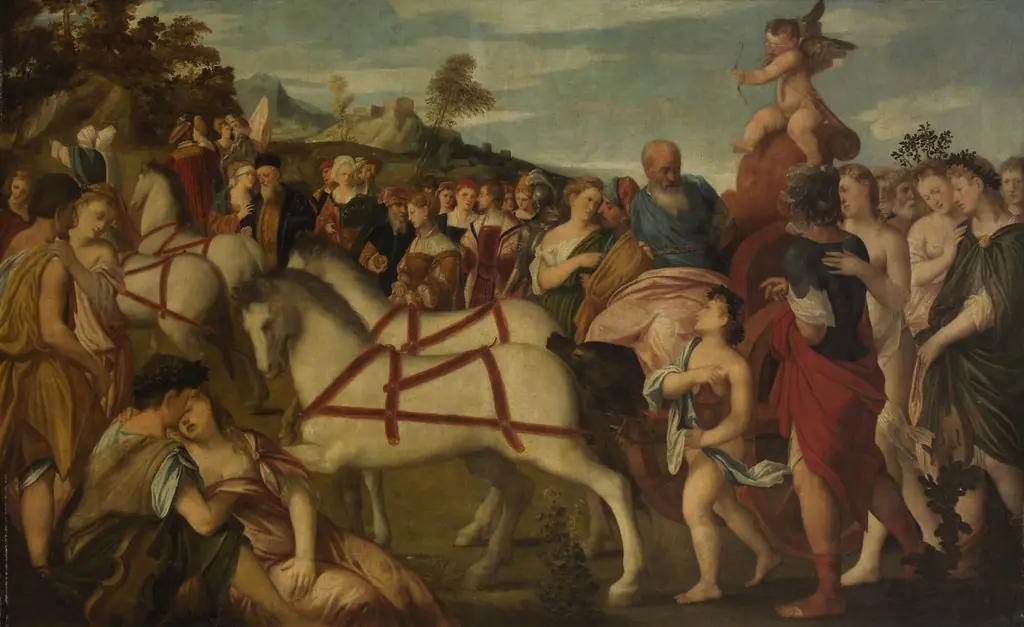 Triumph der Liebe