Artwork
Death
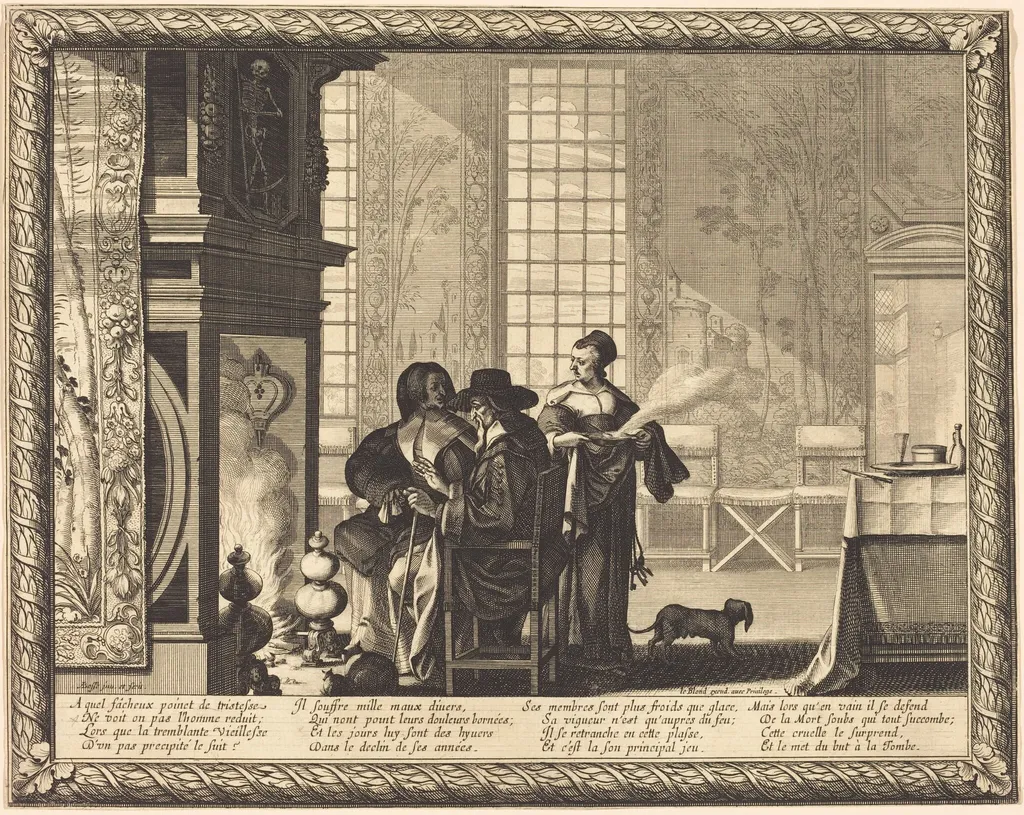
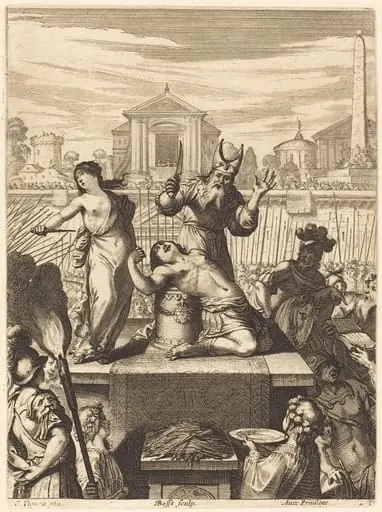
Death is an ink print by the Baroque artist Abraham Bosse. It dates from 1636 and is held in the collection of the National Gallery of Art.
About this work
Overview
Created in 1636, *Death* is a print by French artist Abraham Bosse. Executed through a combination of etching and engraving on laid paper, the work exemplifies Bosse’s dedication to the graphic arts during the early modern period.
Subject & Meaning
The image depicts an interior scene crowded with figures surrounding a bedridden, ill man. One attendant leans over the patient, another holds a candle, while a woman places a hand on her chest, suggesting grief. A small dog lies on the floor, and a low fire glows in the hearth, all contributing to a mood of tension and contemplation of mortality.
Technique & Style
Bosse employed fine, intersecting lines to model shadows and convey depth, a hallmark of his etching practice. The engraving adds crisp outlines that sharpen details such as the ornate wall carvings and the diamond‑pane window, while the laid paper surface enhances the textural quality of the print.
History & Provenance
The print emerged during Bosse’s prolific period in 17th‑century France, when he focused increasingly on printmaking as a means of disseminating visual ideas. Although specific ownership records are scarce, the work has been documented in several French collections of the era, reflecting its circulation among contemporary audiences.
Context
*Death* belongs to a broader tradition of genre scenes that address human vulnerability and the inevitability of death, themes common in post‑Reformation Europe. Bosse’s choice of a domestic setting aligns with his interest in everyday life, while the French inscription below the image underscores the moralizing tone typical of the period’s visual culture.
Artist & collection

Artist
Abraham Bosse (c. 1604 – 14 February 1676) was a French artist, mainly as a printmaker in etching, but also in watercolour.

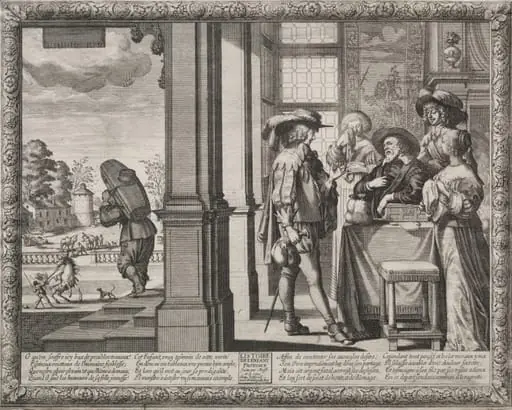 The Prodigal Son
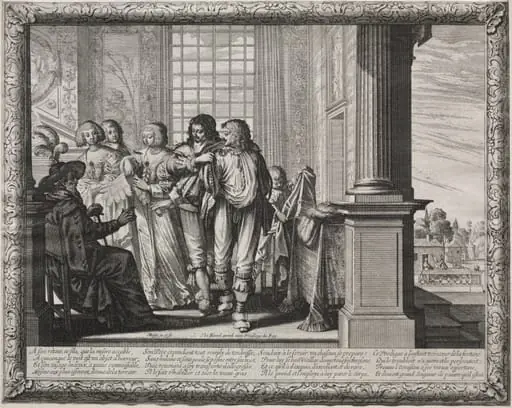 The Prodigal Son: Dressing for the Feast
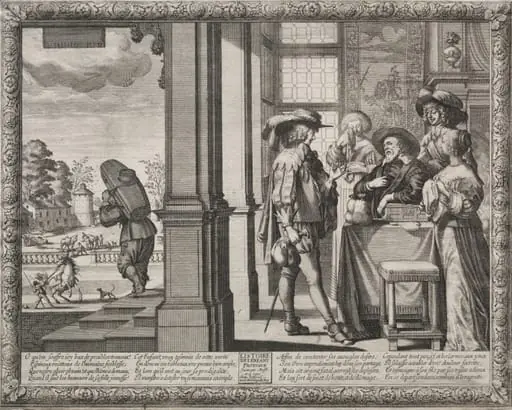 The Prodigal Son: The Prodigal Bidding His Parents Farewell
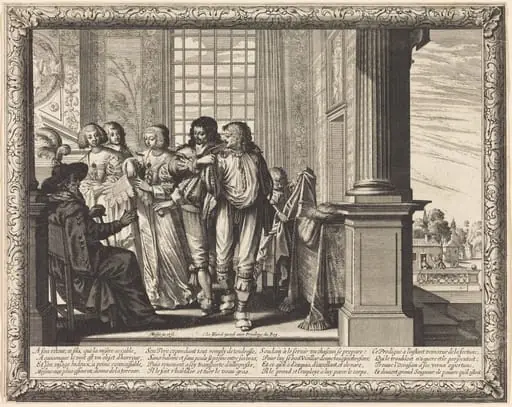 The Prodigal Son's Father Orders the Best Robe and the Slaughter of the Fatted Calf
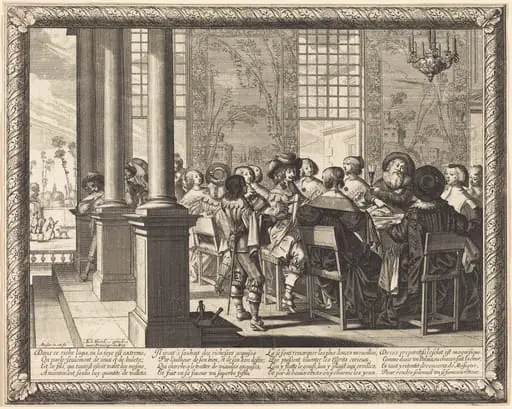 The Feast Celebrating the Return of the Prodigal Son
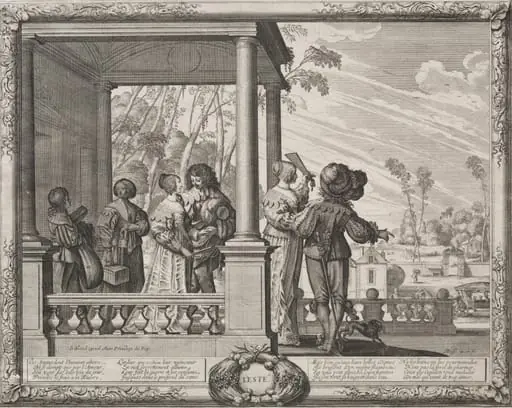 The Four Seasons: Summer
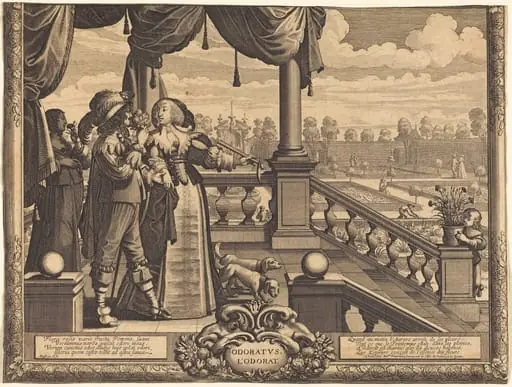 Odoratus, L'Ordorat
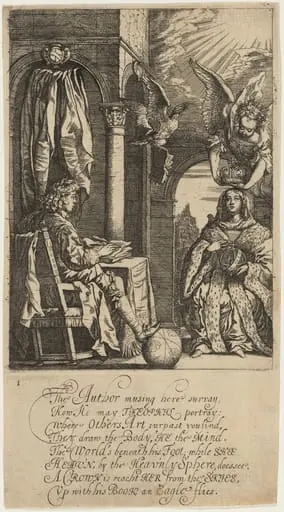 Illustration for Edward Benlowes, Theophila
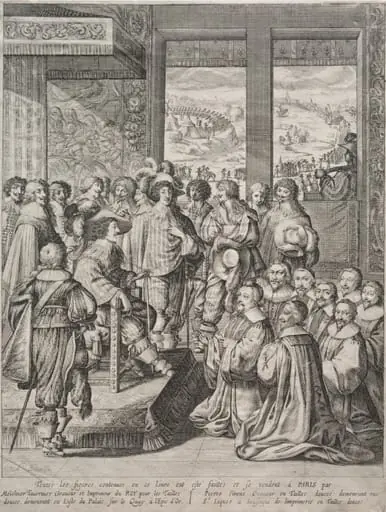 Louis XIII Receiving a Deputation of Magistrates
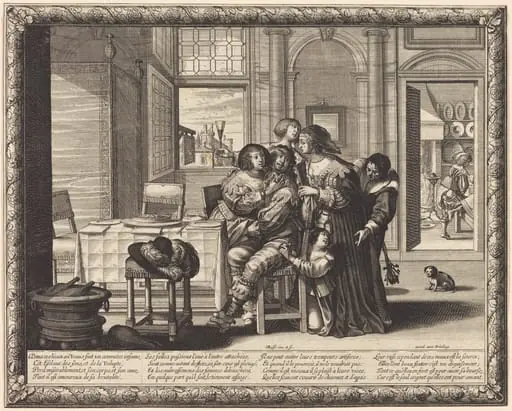 The Prodigal Son in a House of Ill-Repute