Artwork
Peisaj cu figuri
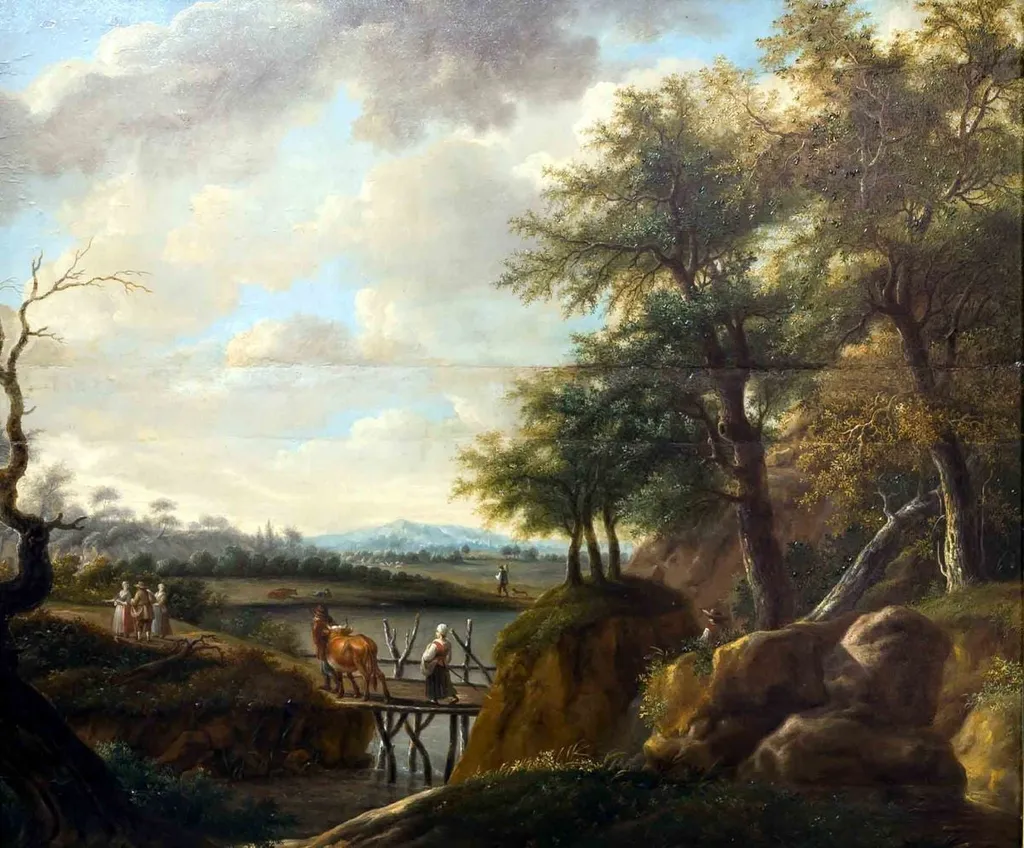
Peisaj cu figuri is an unspecified painting by the Northern Renaissance artist Jan Both. It dates from 1643 and is held in the collection of the National Museum of Art of Romania.
About this work
Overview
Created circa 1643, *Peisaj cu figuri* is an oil landscape that integrates a modest group of figures within a broad, tranquil countryside. The composition centers on a gentle river crossed by a stone bridge, where a horse and rider pause, while distant hills and verdant foliage extend toward a partly clouded sky.
Subject & Meaning
The work presents a peaceful rural scene, emphasizing the harmony between human activity and nature. The solitary rider on the bridge and the scattered figures suggest a narrative of travel or pilgrimage, yet the overall tone remains contemplative rather than dramatic.
Technique & Style
Executed in the Dutch Italianate manner, the painting blends the meticulous observation of Northern landscape with the warm, atmospheric light typical of Italian scenery. Soft modeling of clouds, delicate coloration of foliage, and a balanced arrangement of rock, water, and sky demonstrate Both’s synthesis of his Dutch training and Italian influences.
History & Provenance
Jan Both, a Dutch artist who spent several years in Italy, produced this piece during his mature period after returning to the Netherlands. The painting reflects the cross‑cultural exchange that characterized his career, though specific ownership records prior to the modern era remain undocumented.
Context
In the early 17th century, Dutch painters increasingly incorporated Italianate elements after Grand Tour experiences. Both’s work exemplifies this trend, offering a hybrid visual language that appealed to patrons seeking both familiar Northern detail and the exotic allure of Mediterranean light.
Artist & collection

Artist
Jan Dirksz Both was a Dutch painter, draughtsman, and etcher, who made an important contribution to the development of Dutch Italianate landscape painting.

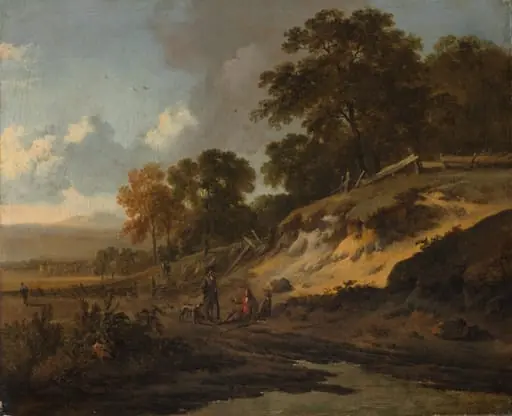 Landscape with Hunters
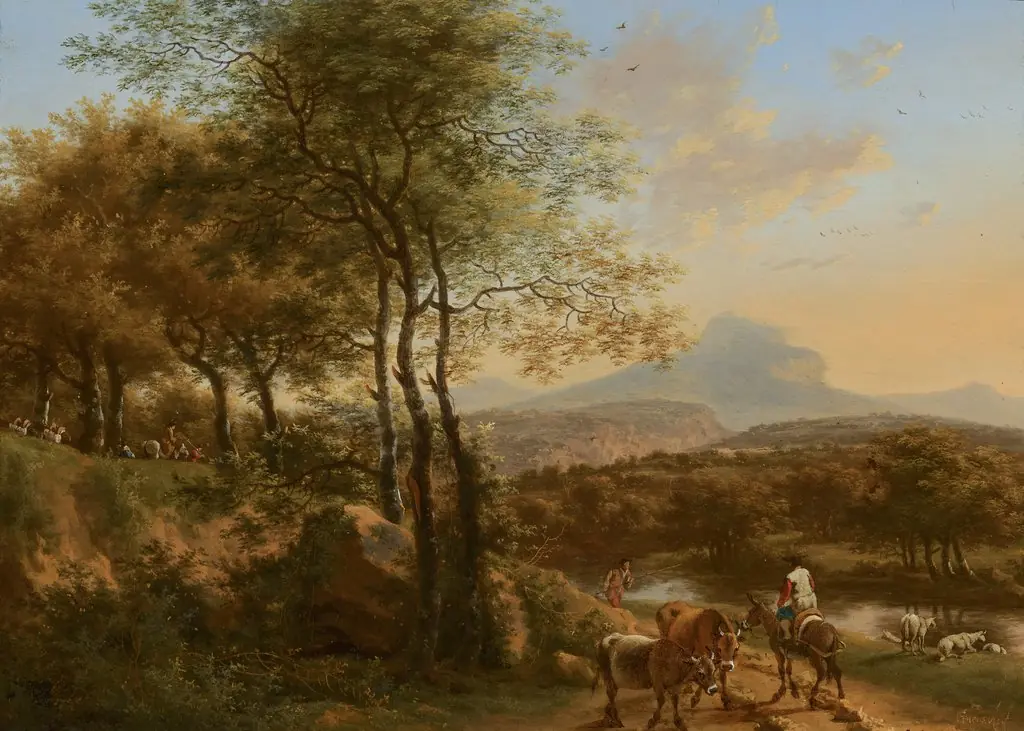 Mountainous River Landscape in Italy
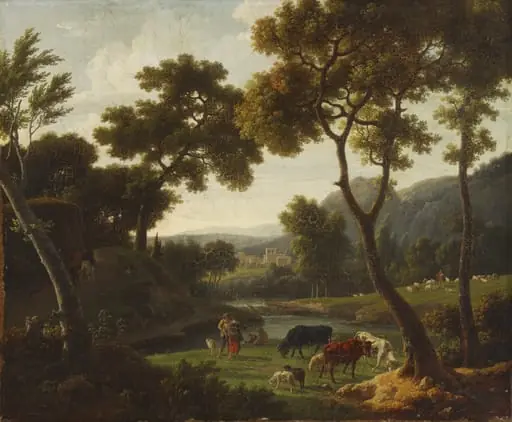 Ihanteellinen maisema
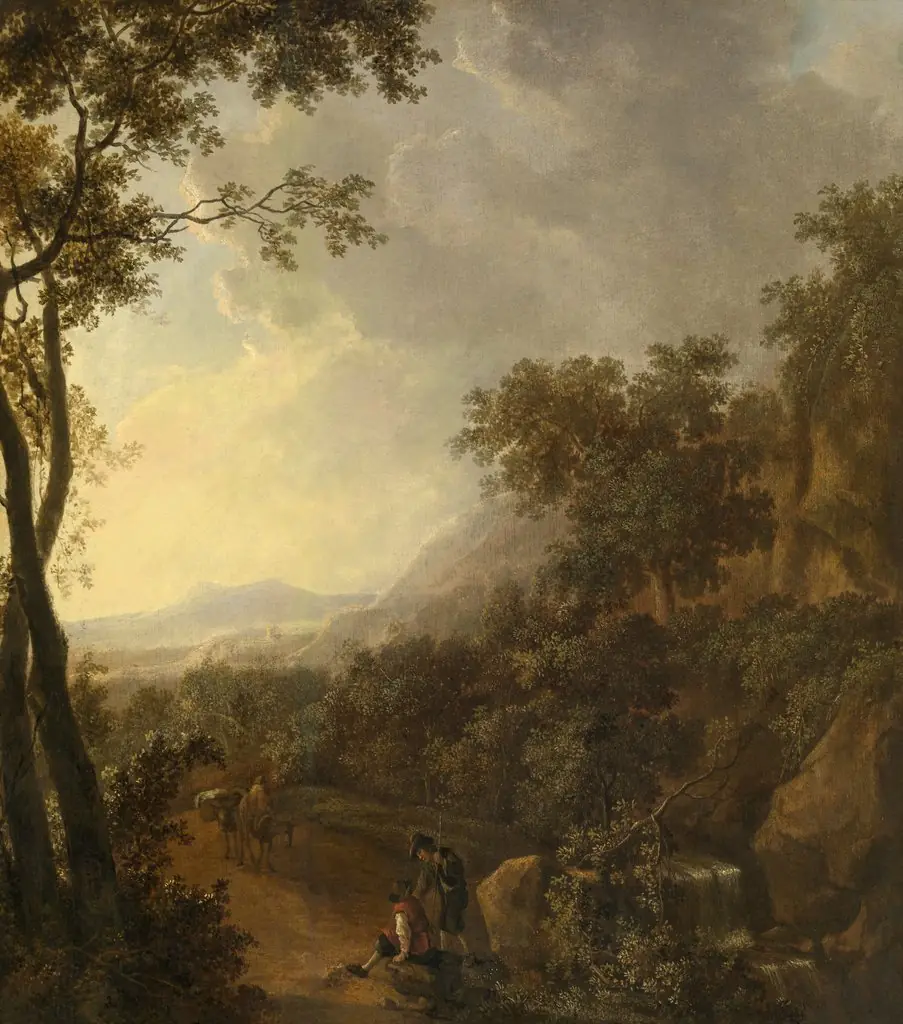 Italiaans landschap
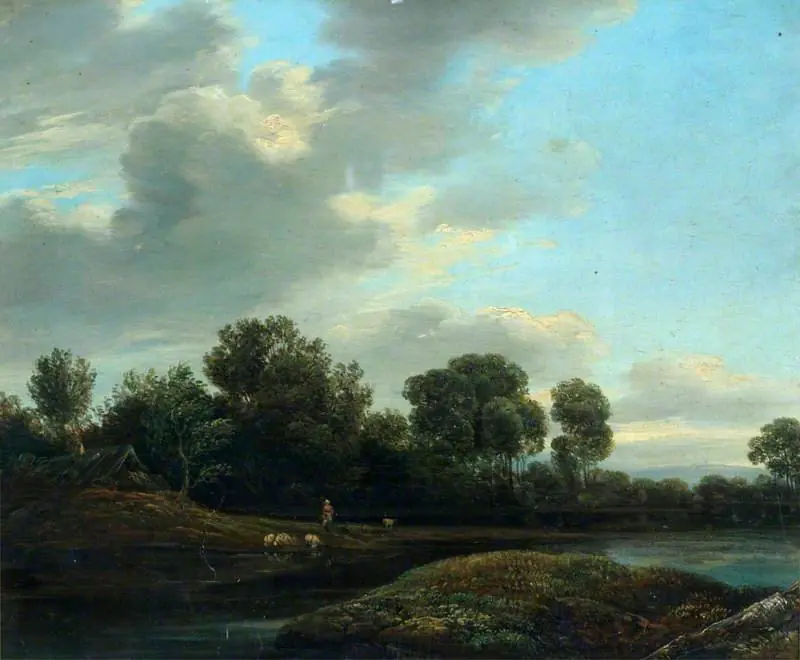 Landscape: The River Bank
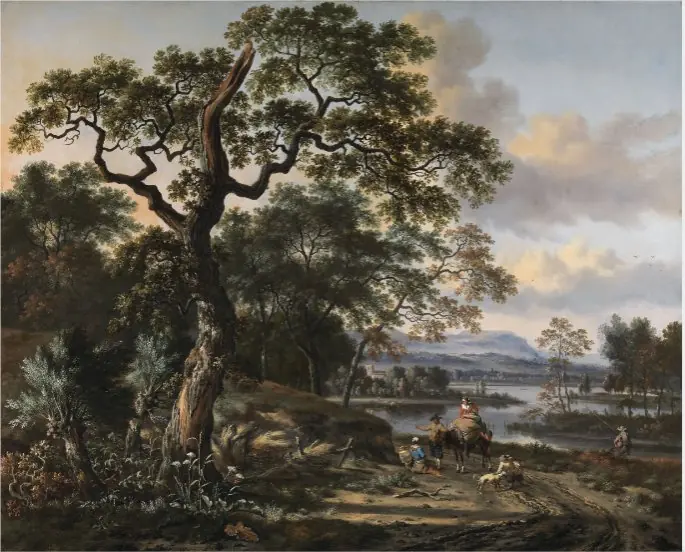 Wooded Landscape with a River
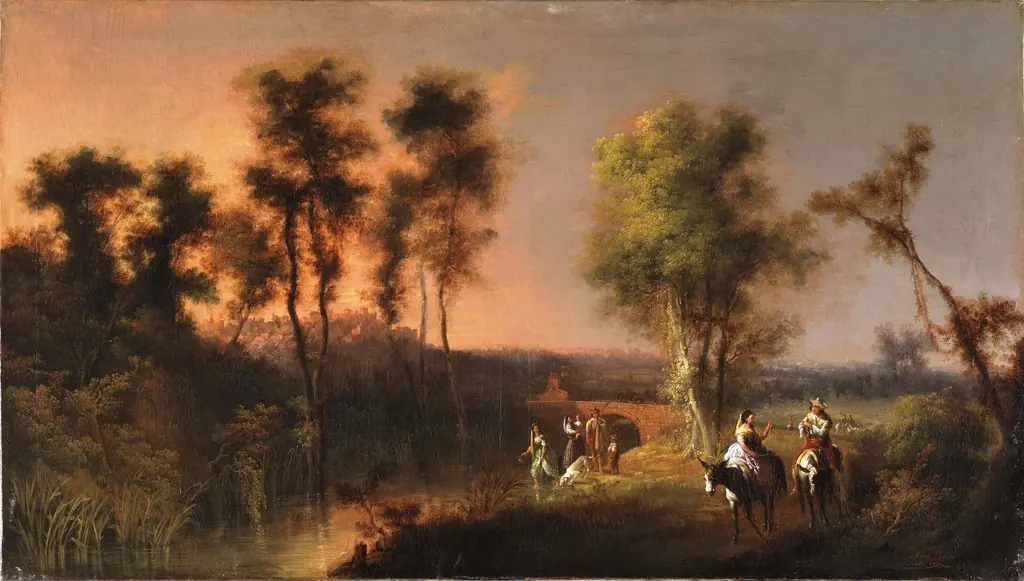 Paisaje fluvial con figuras
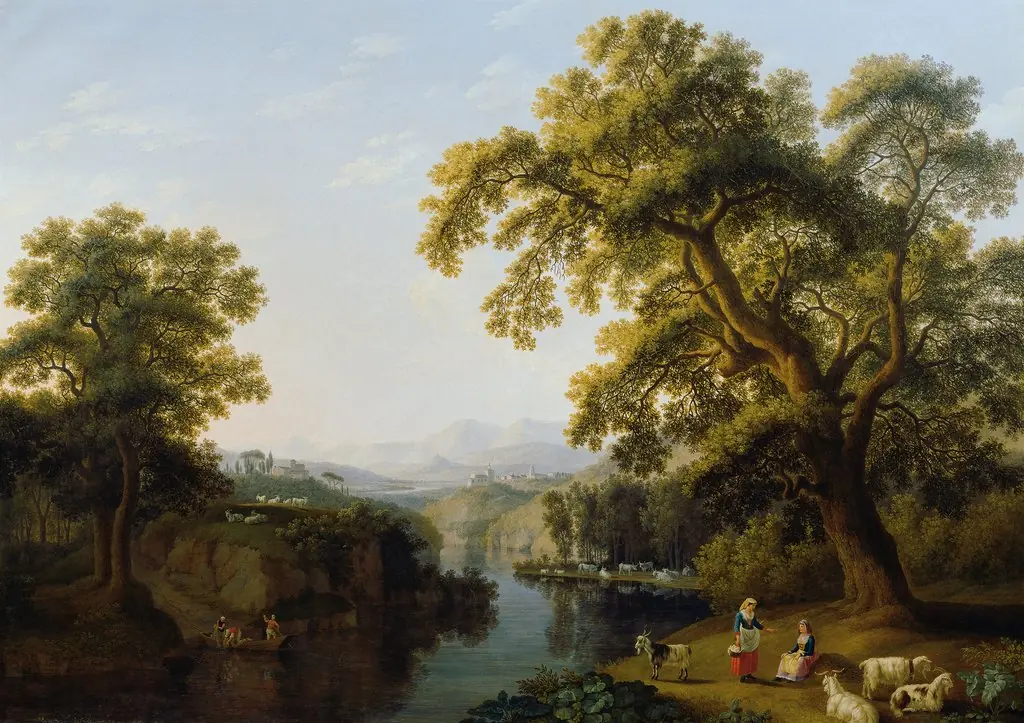 Flusstal von Isernia bei Neapel
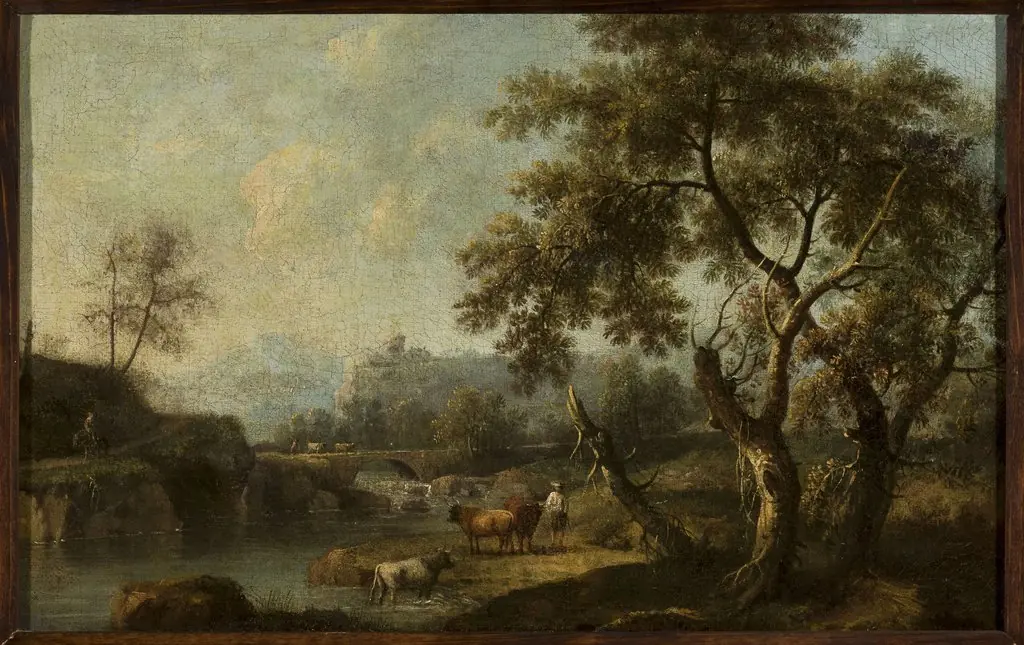 Mountain landscape with cattle at the waterhole
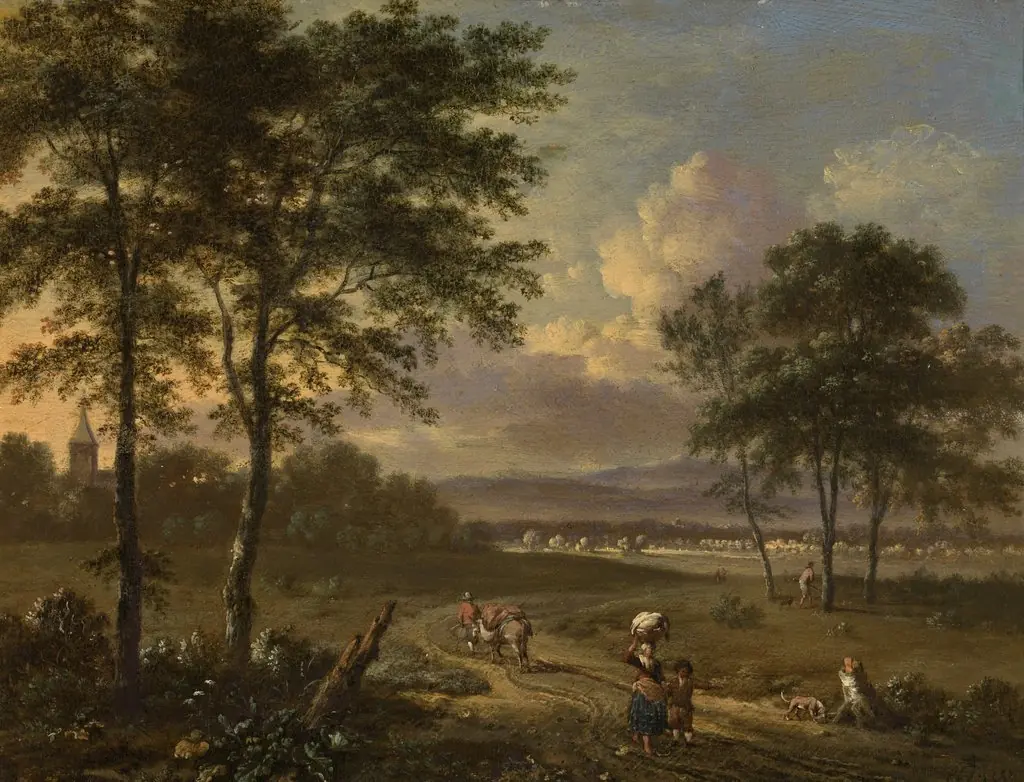 Landschap
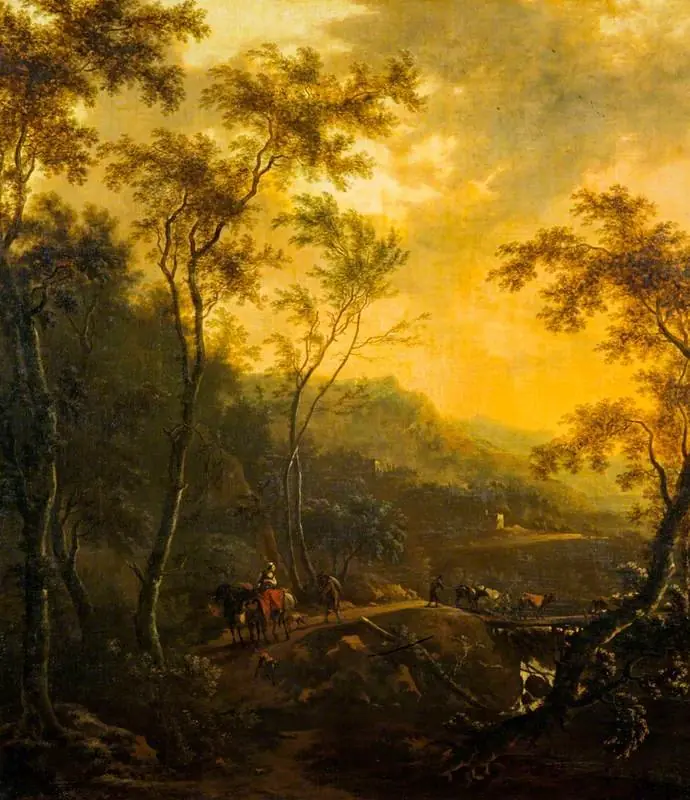 Landscape with Travellers and a Herdsman