Artwork
Landscape with Hunters
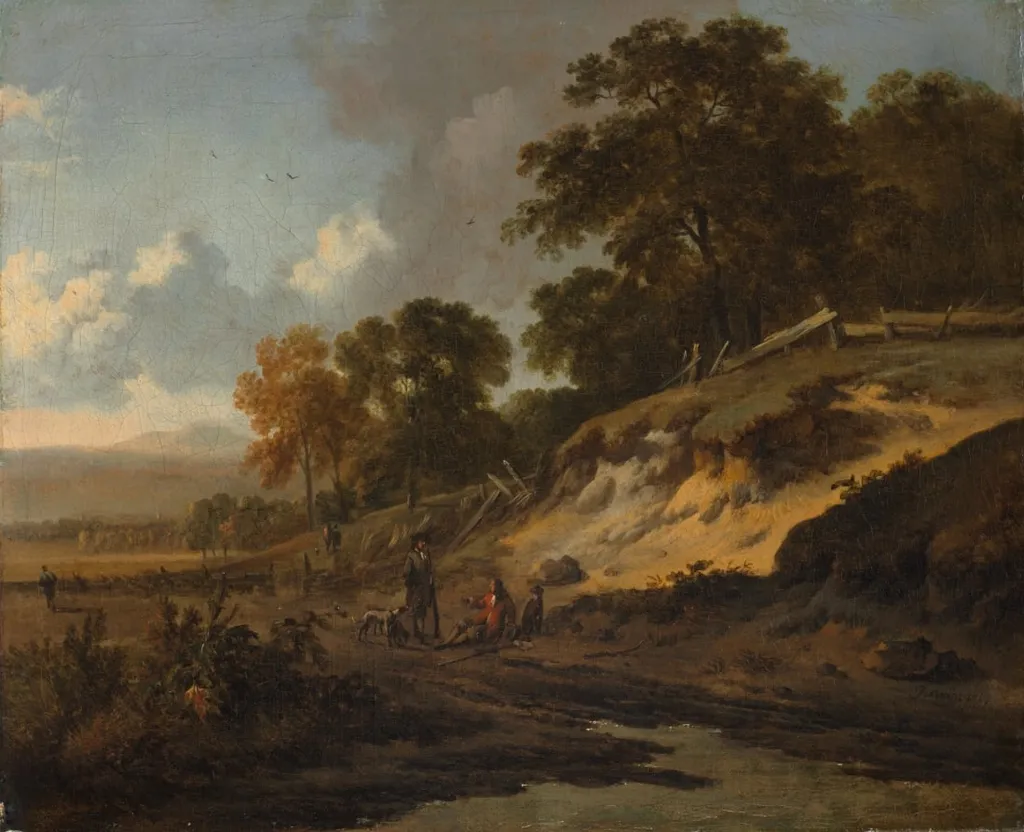
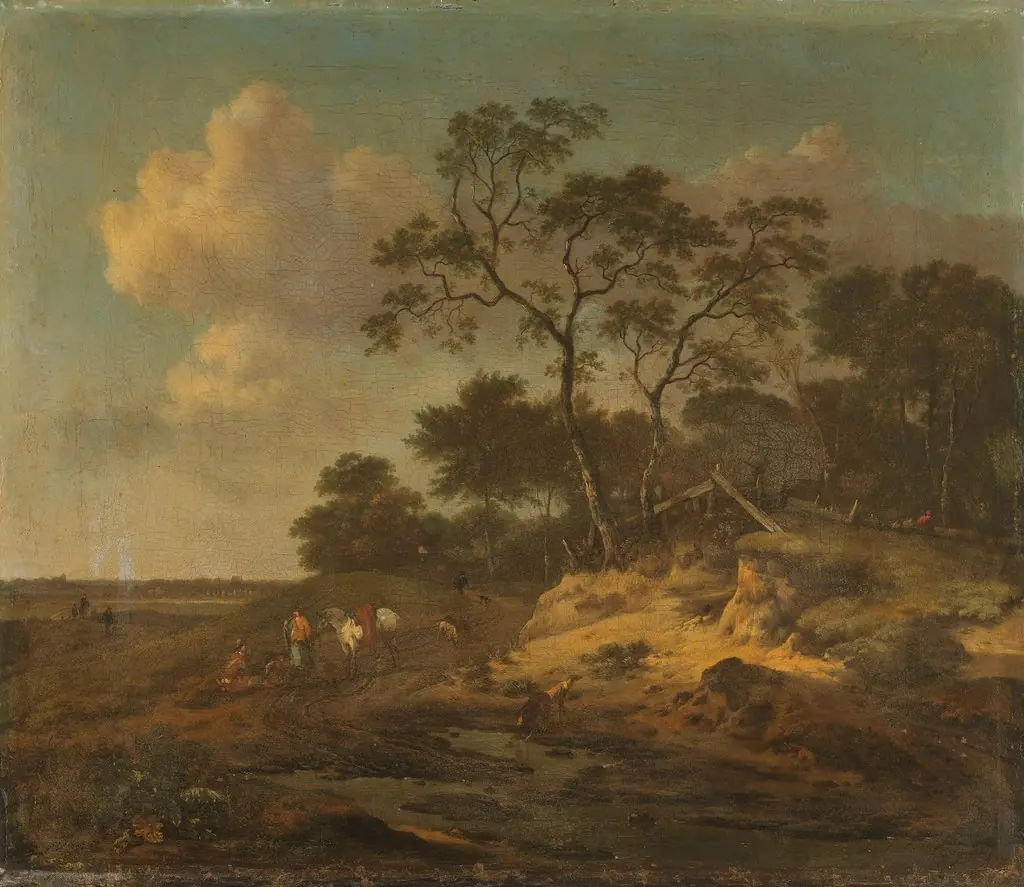
Landscape with Hunters is an unspecified painting by the Baroque artist Jan Wijnants. It dates from 1670 and is held in the collection of the Cleveland Museum of Art. This oil painting depicts a windswept dune scene typical of seventeenth‑century Dutch landscape art.
About this work
Overview
This oil painting depicts a windswept dune scene typical of seventeenth‑century Dutch landscape art. A pale sky with thin clouds stretches above a sandy rise dotted with scrubby vegetation, while a small group of hunters in red coats traverses the foreground.
Subject & Meaning
The work focuses on the Dutch coastal dunes, a motif that gained popularity as an autonomous landscape genre during the Golden Age. The diminutive figures emphasize the vastness of the natural environment, suggesting a contemplation of humanity’s place within an open, sun‑lit terrain.
Technique & Style
The artist renders the bright, almost harsh daylight with a light palette of pale blues and ochres, highlighting the wind‑blown sand and the delicate foliage. Loose brushwork conveys the movement of air, while the small, precise figures are rendered in tighter detail, creating a contrast between human activity and the expansive setting.
History & Provenance
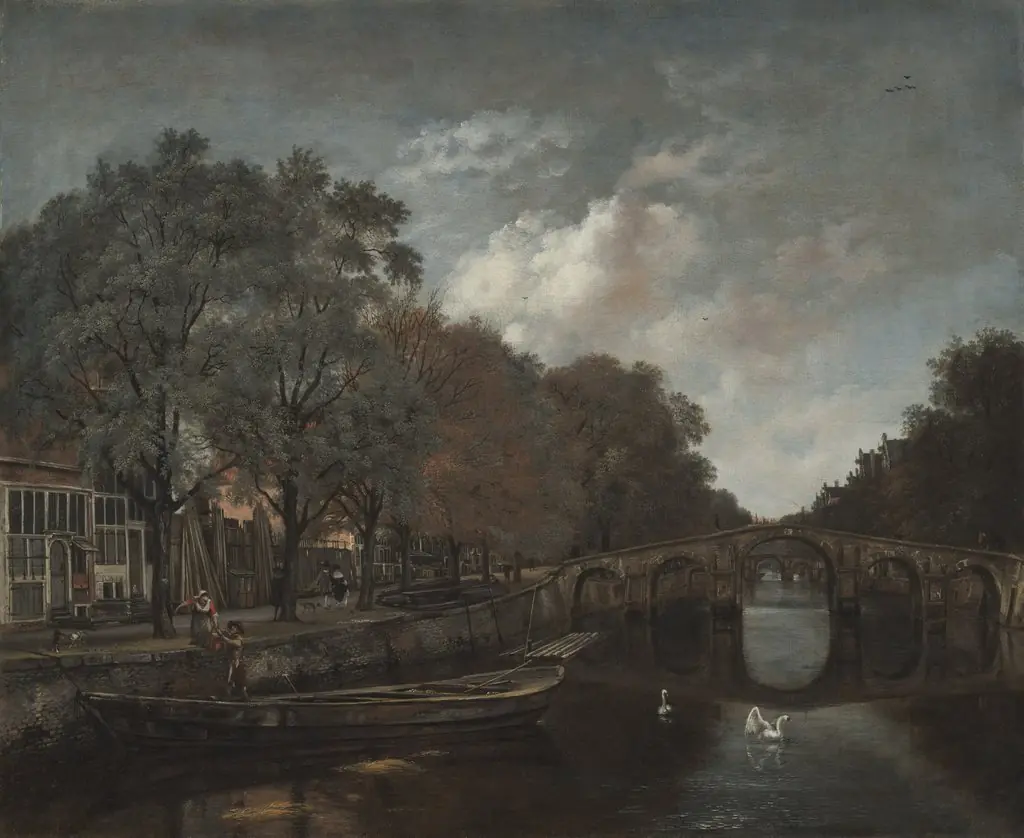
The painter, known for repeatedly treating dune subjects, produced this composition as part of his regular output. Although most of his oeuvre centers on such coastal scenes, a rare Amsterdam canal view also resides in the same museum collection, illustrating his broader range.
Context
During the 1600s, Dutch artists began to treat landscape as an independent subject, moving beyond religious or mythological narratives. Dune vistas, with their shifting light and open space, offered a new visual language for exploring atmosphere and the Dutch relationship to its reclaimed coastlines.
Legacy
The painting exemplifies the early development of pure landscape painting in the Netherlands, influencing later artists who pursued similar sun‑lit, atmospheric depictions of the countryside. Its quiet, expansive quality continues to inform studies of Dutch Golden Age environmental representation.
Artist & collection

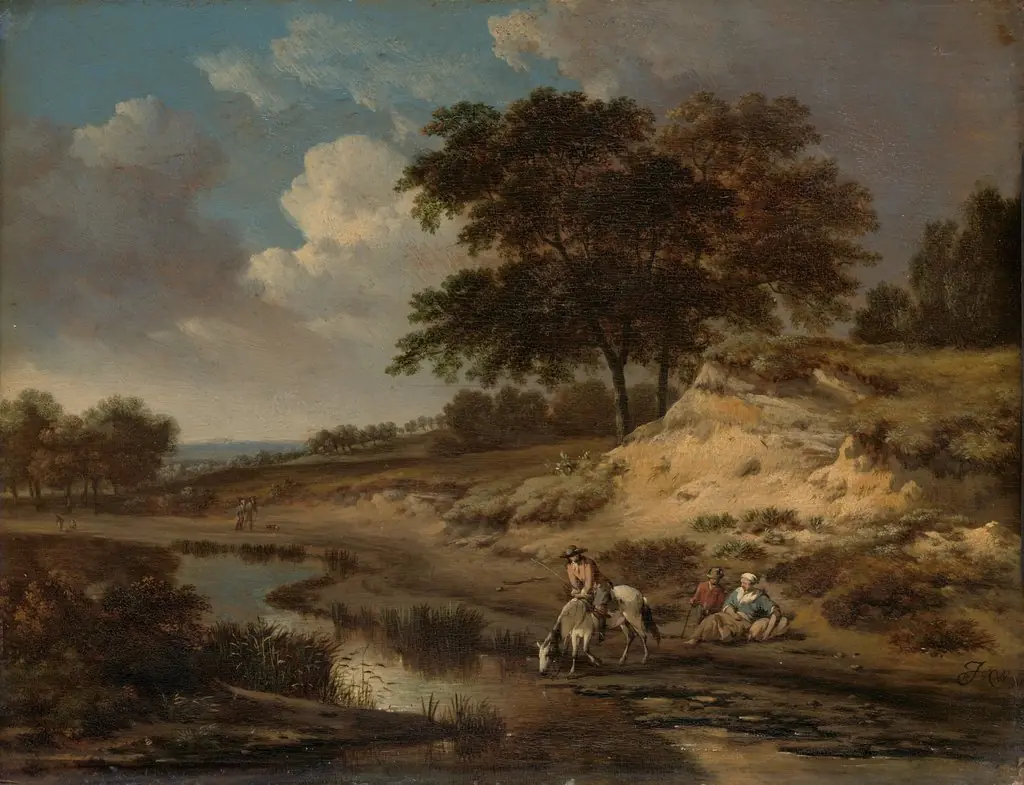
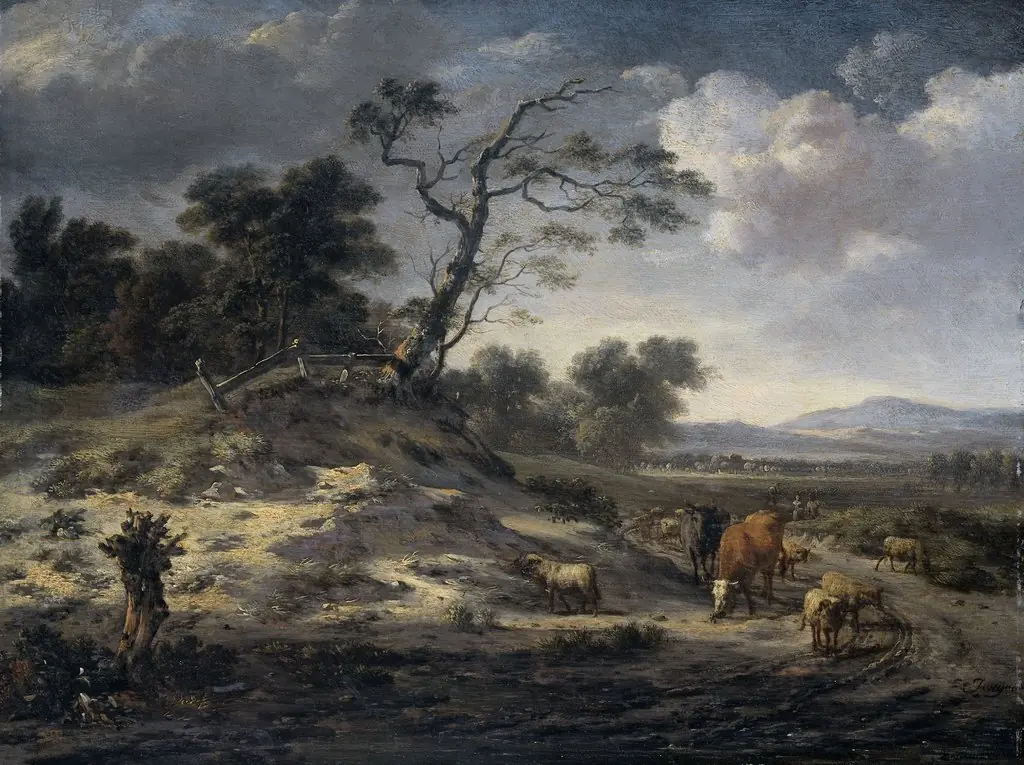
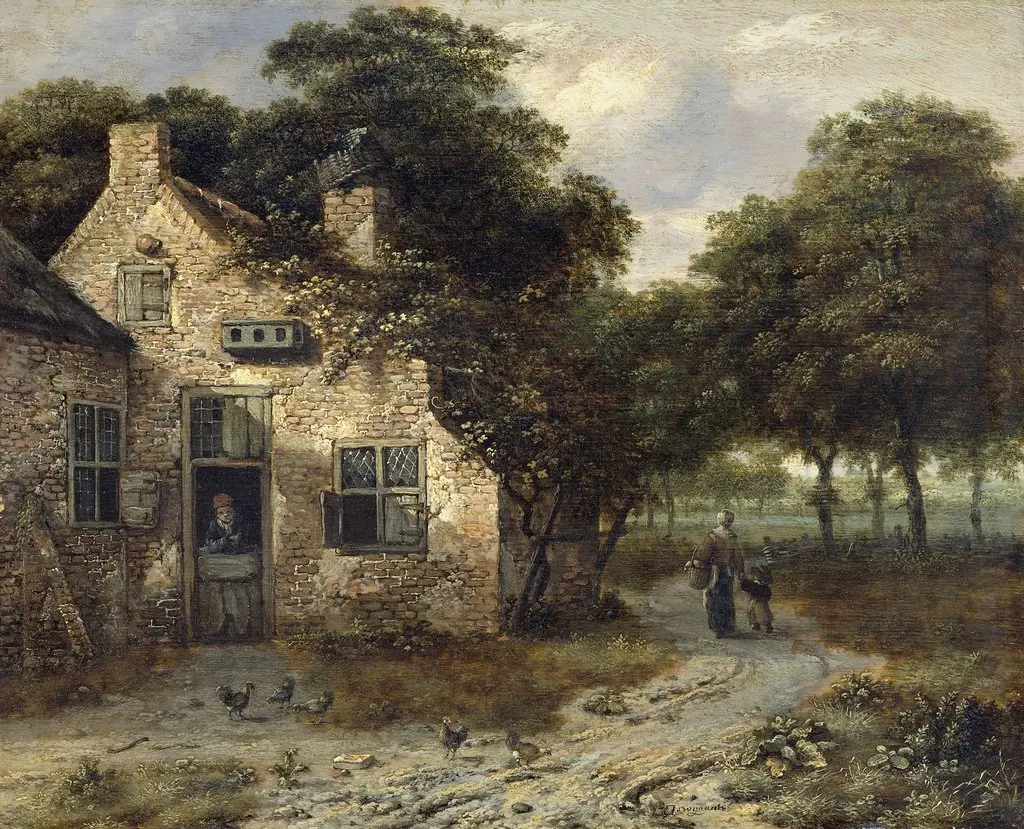
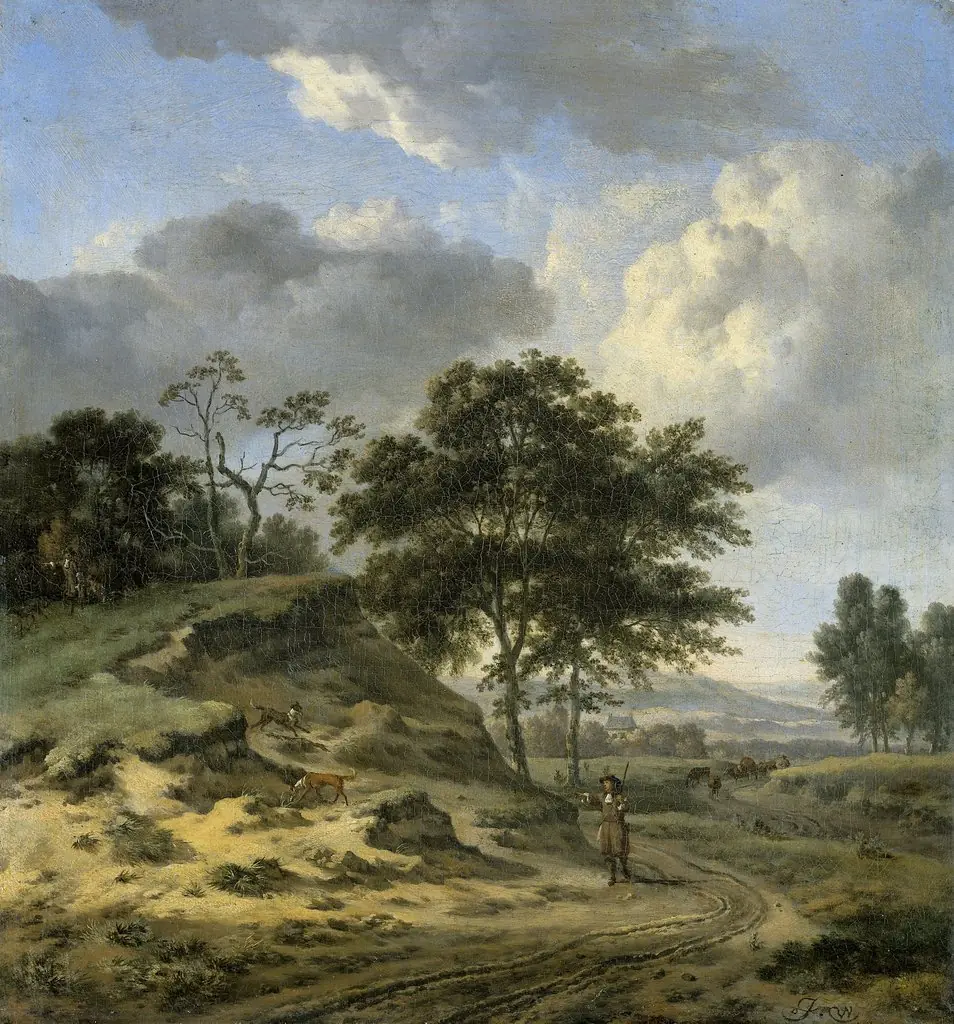
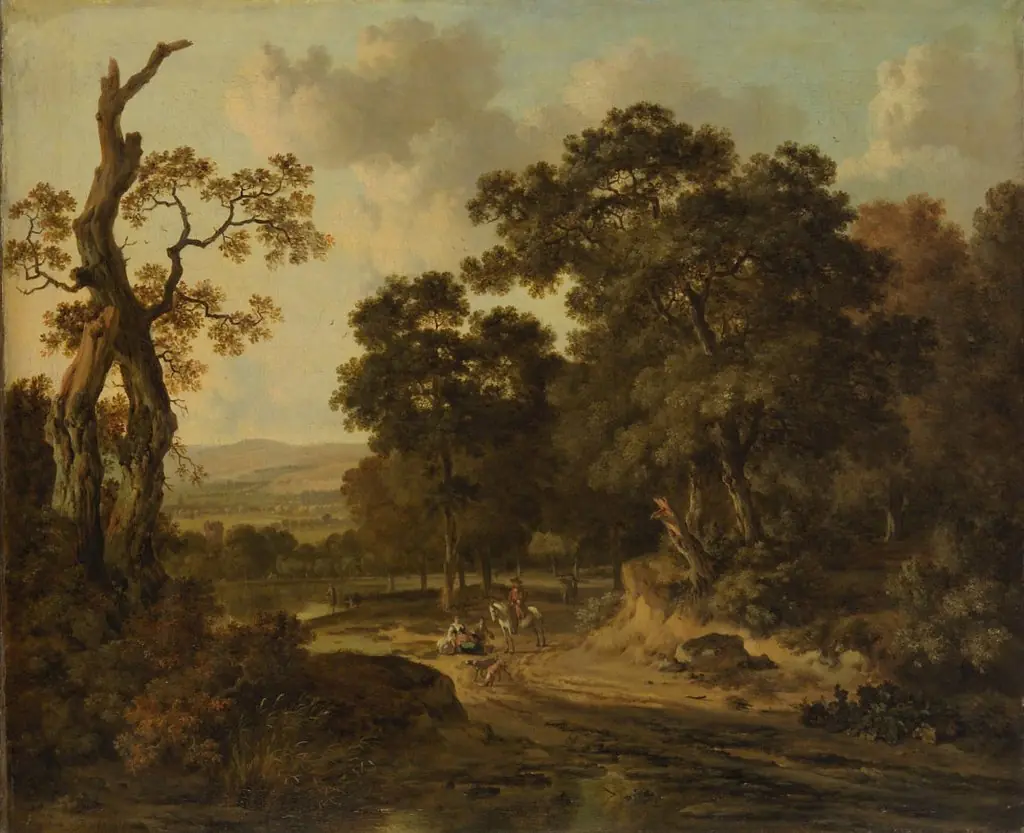 Waldeingang
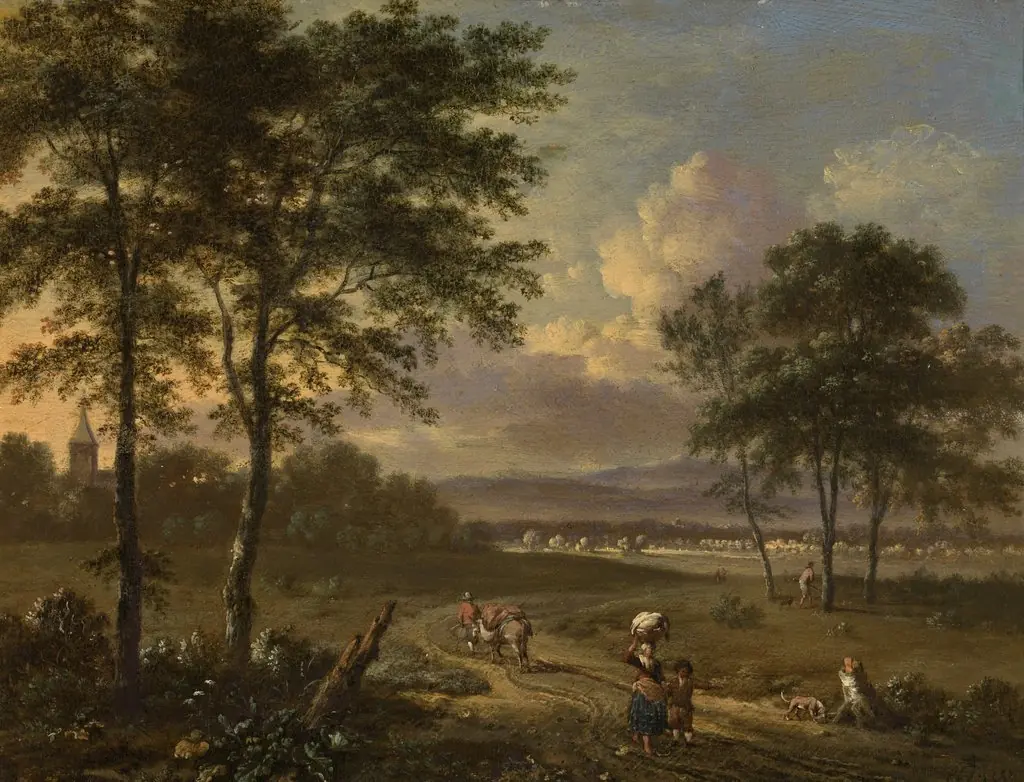 Landschap
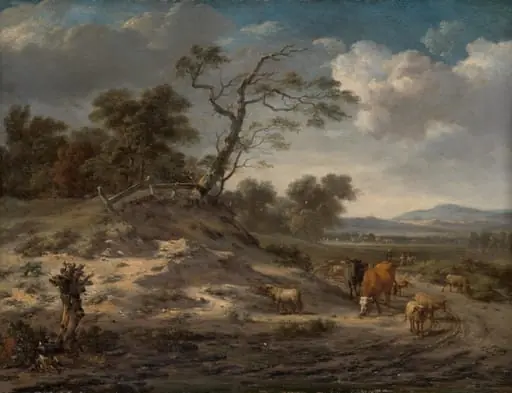 Landscape with Cattle on a Country Road
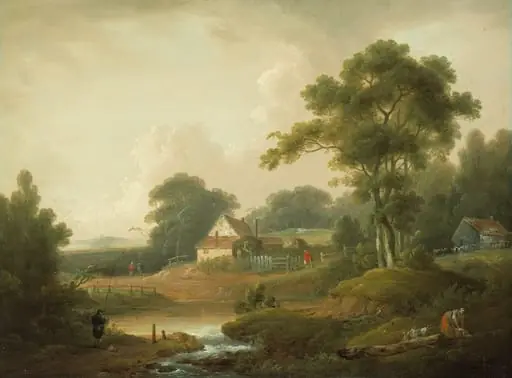 Landscape with Fisherman and Washerwoman
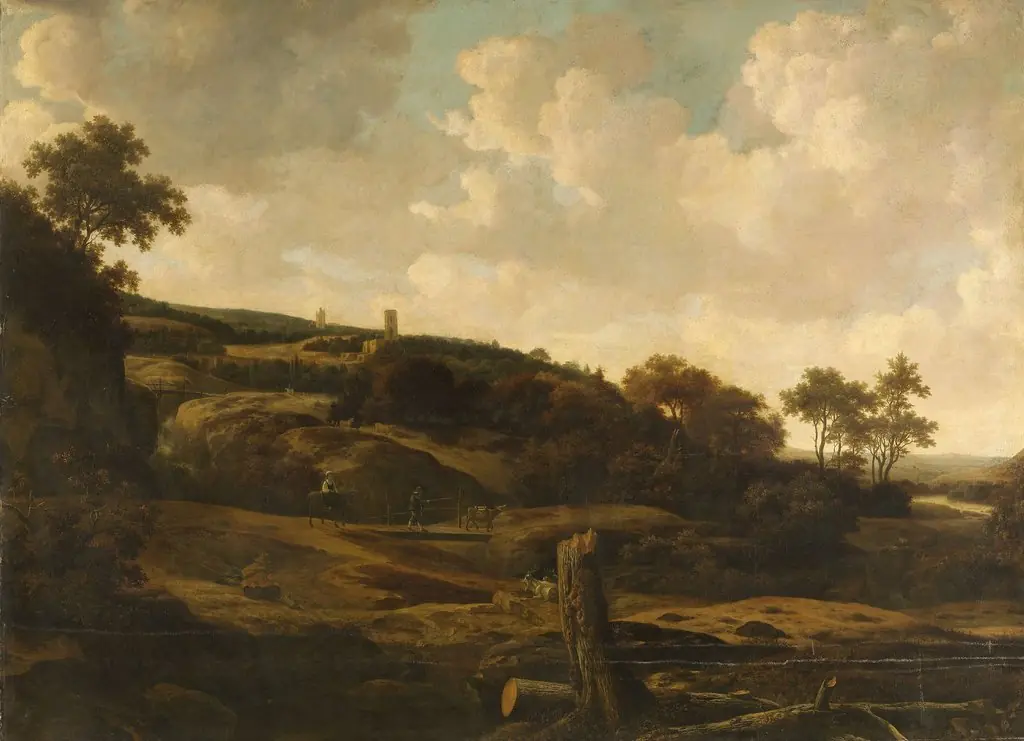 Mountainous landscape, possibly the St Pietersberg, with Lichtenberg castle, near Maastricht
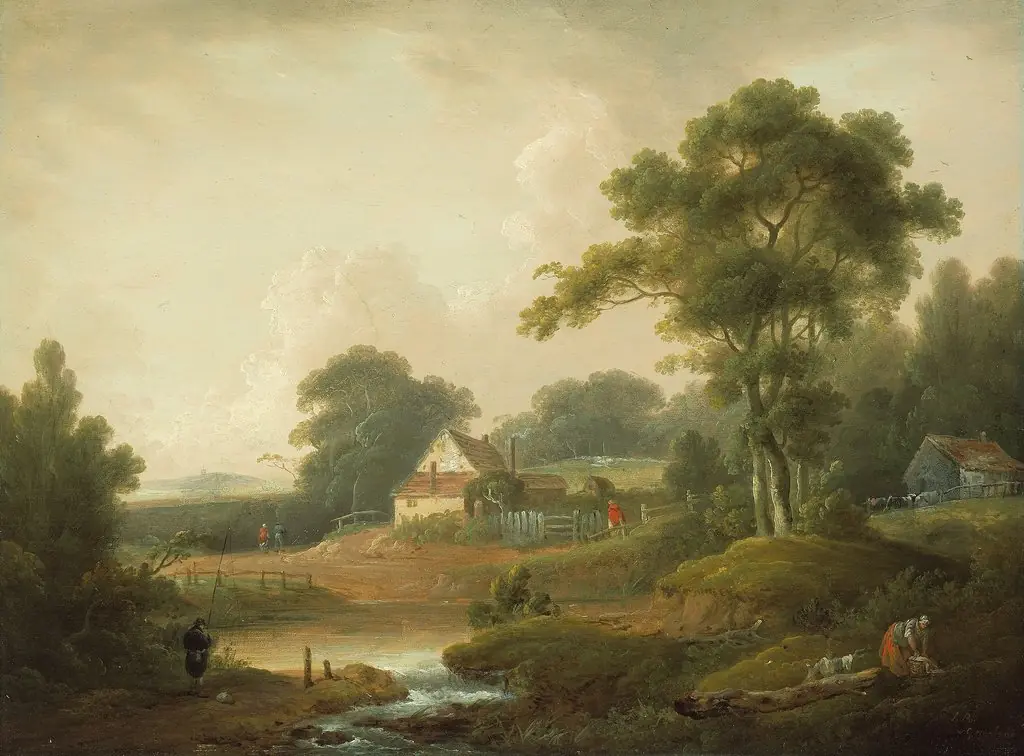 Landscape with Fisherman and Washerwoman
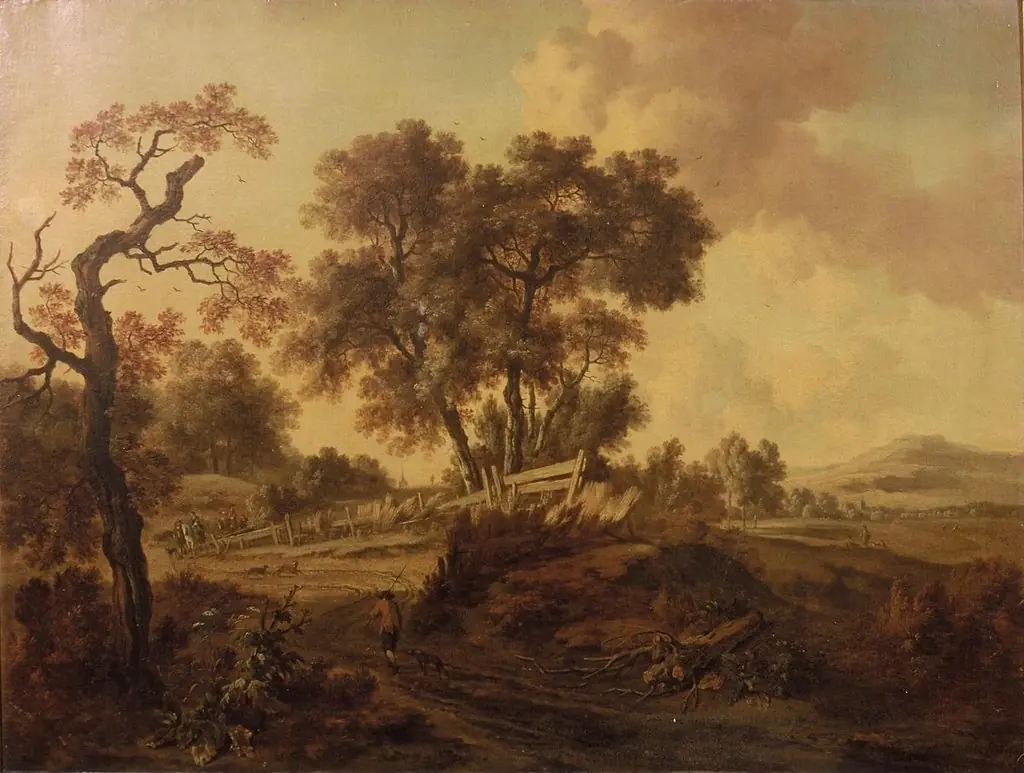 Road in a Dune Landscape
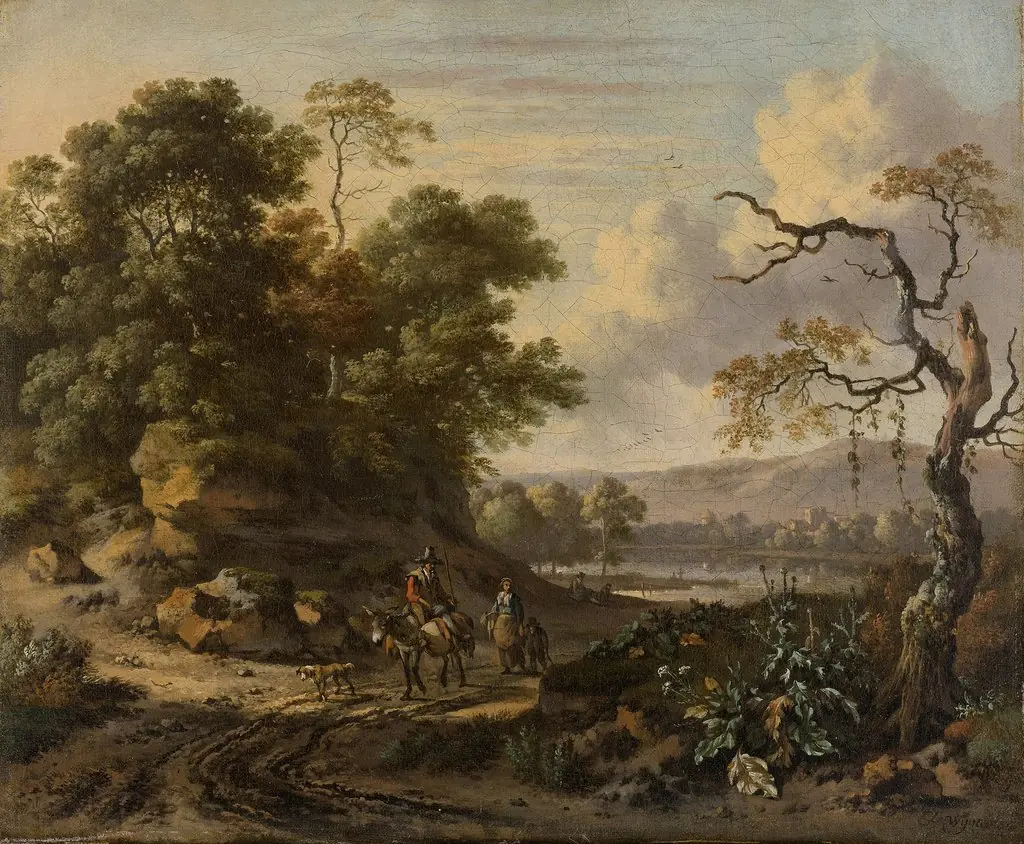 Landscape with donkey rider
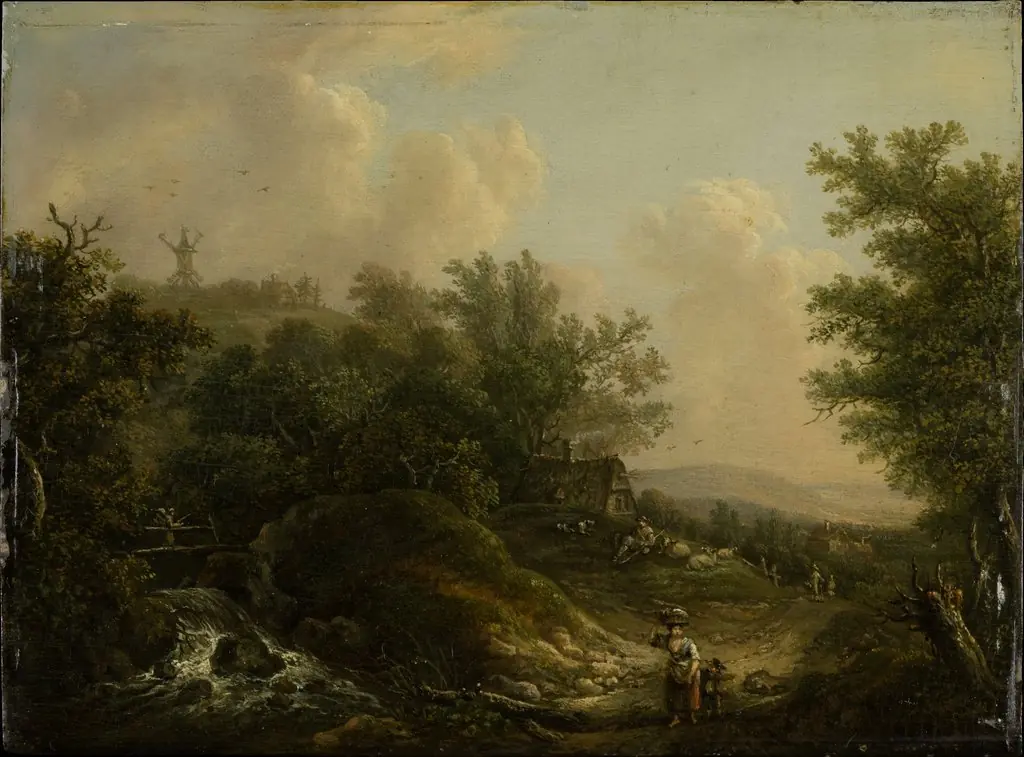 Landscape with a Brook and Hikers
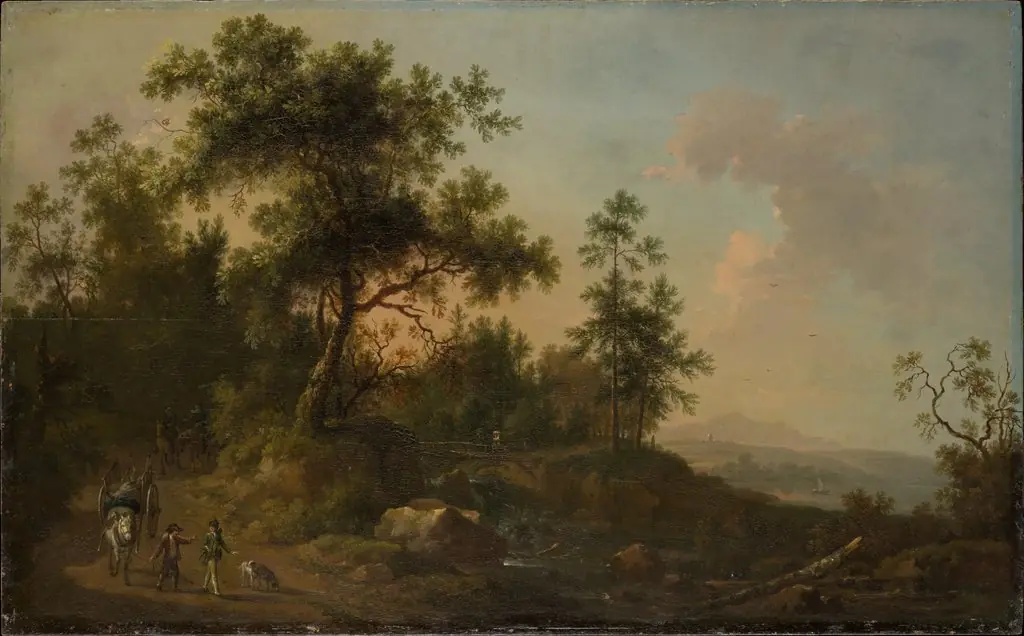 A Horsecart Leaving a Forest