Artwork
Le Lion et le tigre
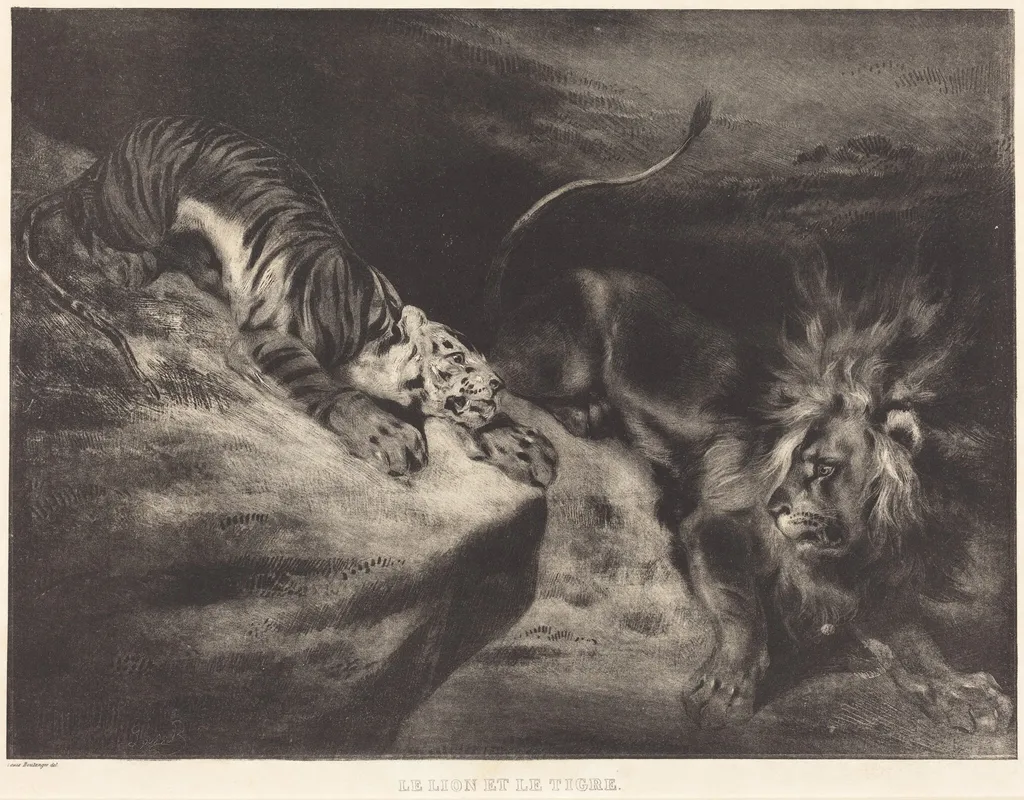
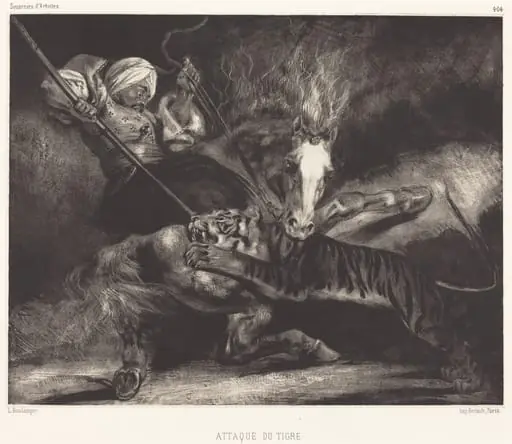
Le Lion et le tigre is an ink print by the Romanticist artist Louis-Candide Boulanger. It dates from 1830 and is held in the collection of the National Gallery of Art.
About this work
Overview
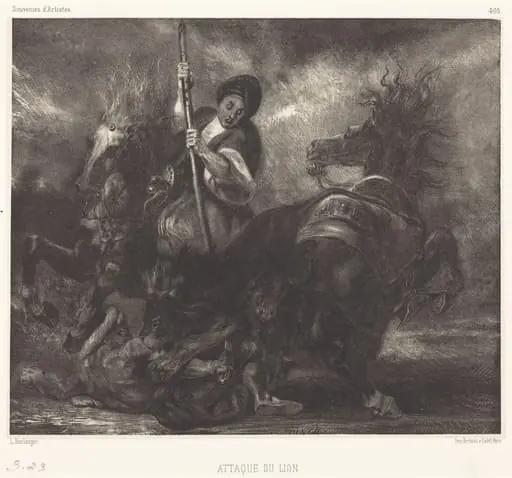
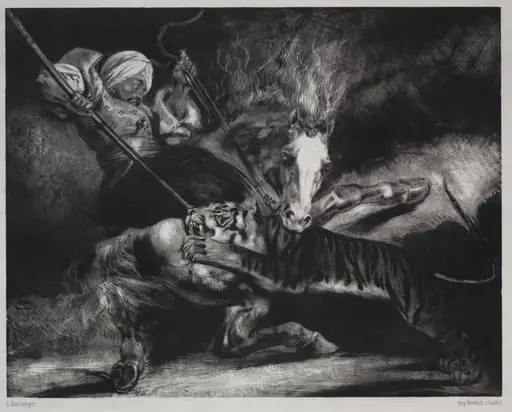
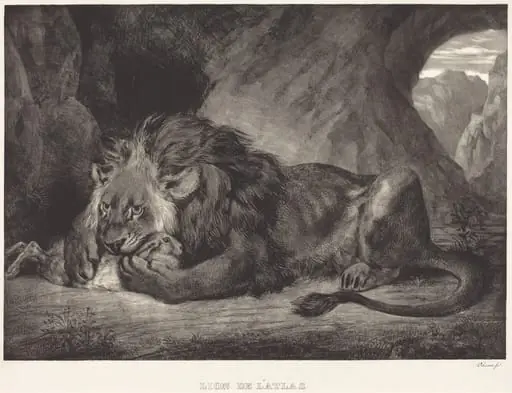
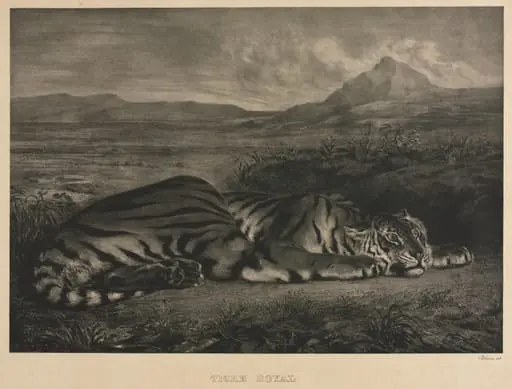
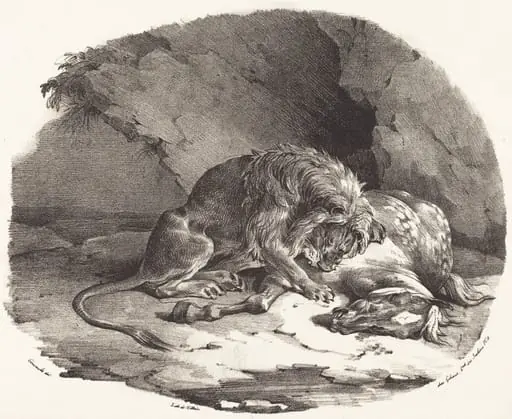
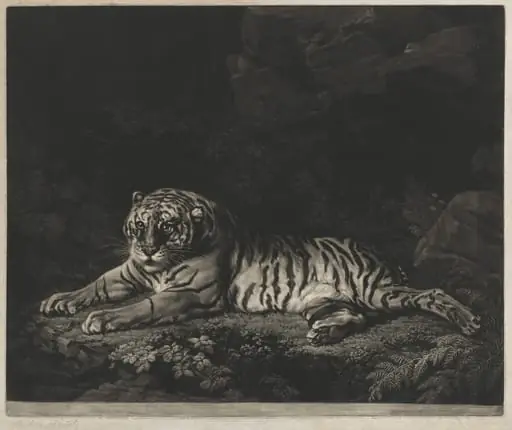
Created circa 1830, *Le Lion et le tigre* is a lithographic print on wove paper by French artist Louis‑Candide Boulanger. The composition captures a tense encounter between a lion on the right and a tiger on the left, both poised in crouched stances as if about to strike. The dark background is pierced by a narrow shaft of light from the upper right, heightening the sense of imminent conflict.
Subject & Meaning
The work presents a direct confrontation between two apex predators, a traditional emblem of power and ferocity. By positioning the lion and tiger in mirrored poses, Boulanger evokes a struggle that can be read as an allegory of opposing forces—nature, will, or perhaps the Romantic fascination with untamed emotion and the sublime.
Technique & Style
Executed in lithography, the image relies on the contrast of deep shadows and bright highlights to model the animals’ musculature and convey movement. Boulanger’s handling of line and tone reflects Romantic aesthetics, emphasizing drama through chiaroscuro and a dynamic, almost theatrical arrangement that draws the viewer’s eye to the central tension.
History & Provenance
Louis‑Candide Boulanger (1806–1887) was known for religious, allegorical, and genre paintings, but also embraced printmaking to reach a broader audience. This lithograph, produced around 1830, aligns with his early career when he explored Romantic themes. The print’s later ownership records are sparse, but it remains cited in catalogues of 19th‑century French lithography.
Artist & collection
Artist
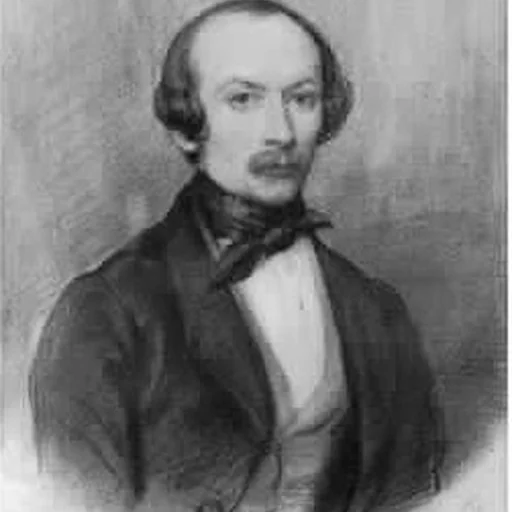
Louis Candide Boulanger (1806 – 1867) was a French Romantic painter, pastellist, lithographer and a poet, known for his religious and allegorical subjects, portraits, genre scenes.