Artwork
Le lion (The Lion)
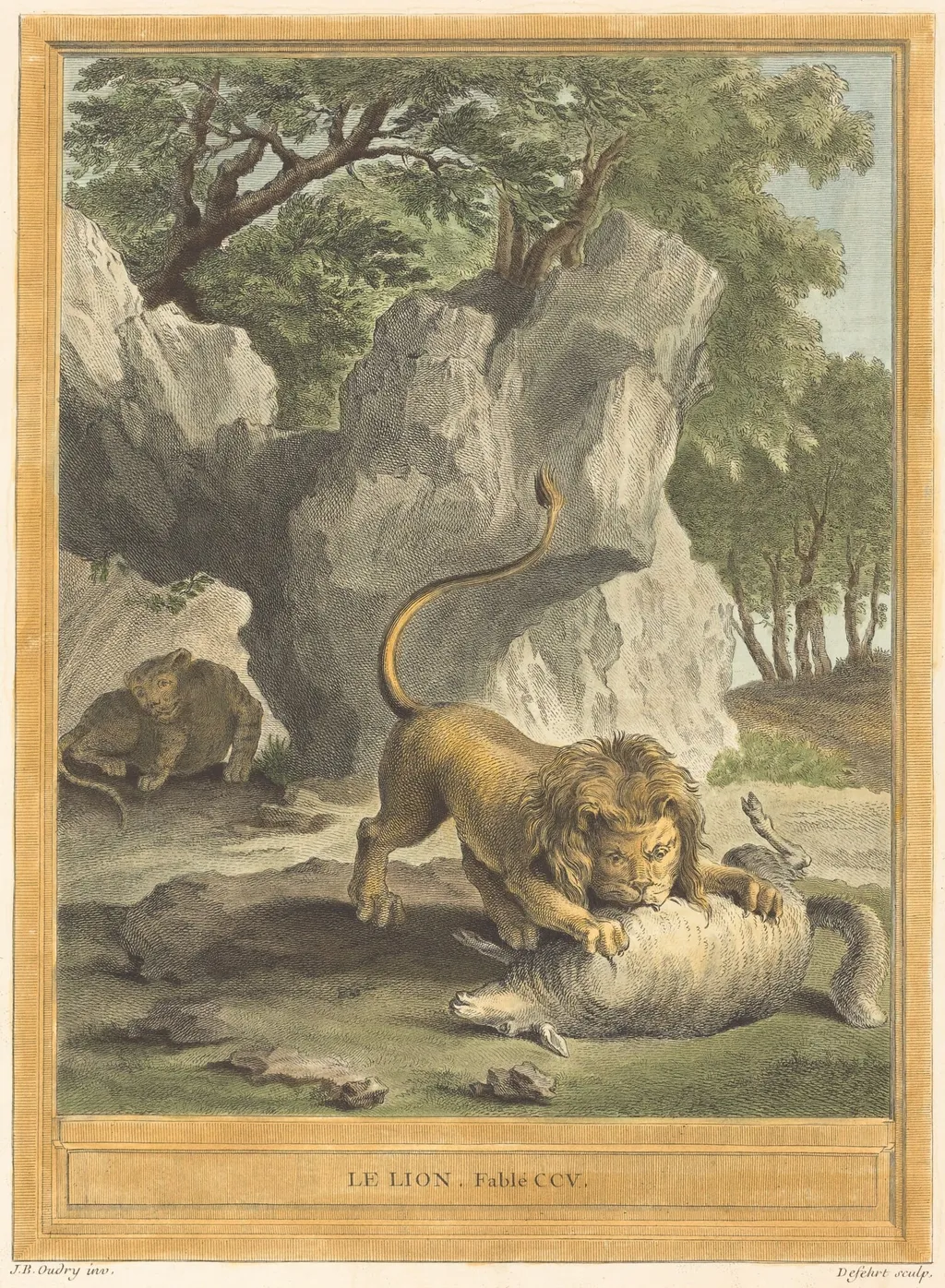
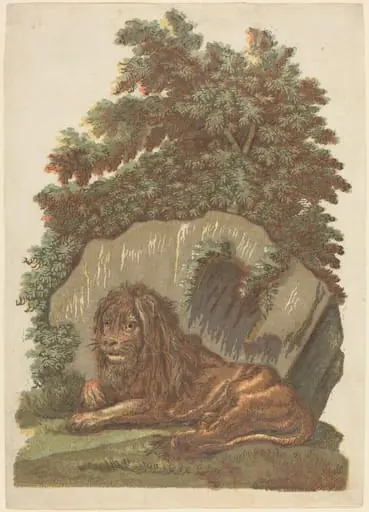
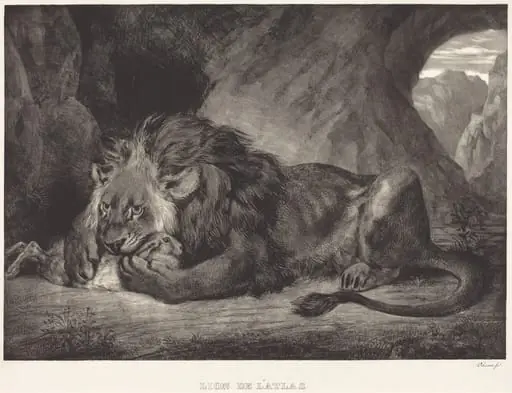
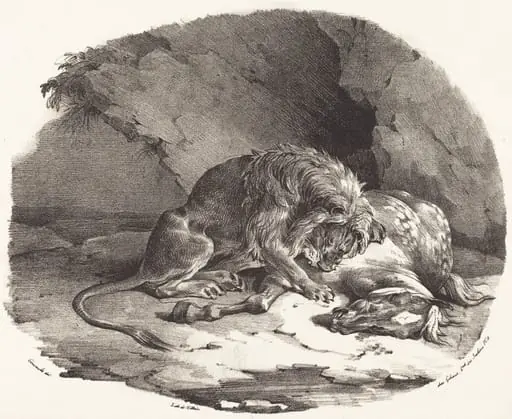
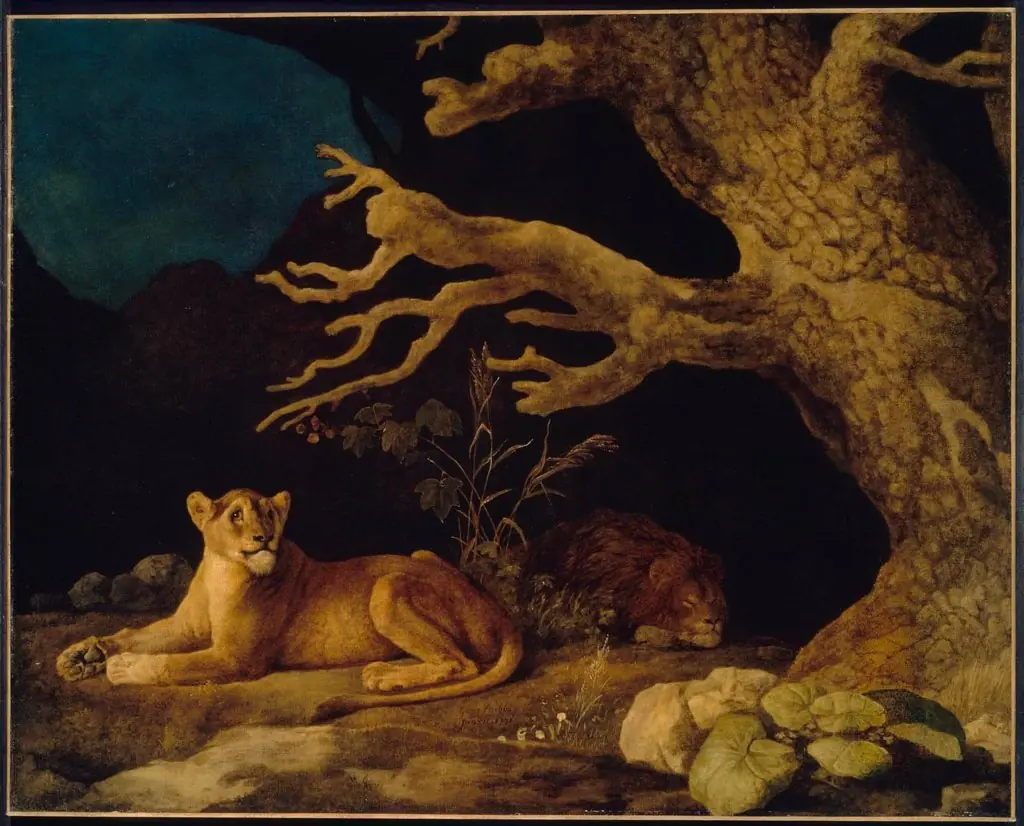
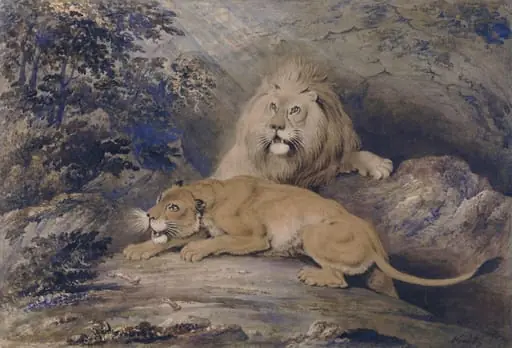
Le lion (The Lion) is an ink print by the Romanticist artist A.-J. de Fehrt. It dates from 1759 and is held in the collection of the National Gallery of Art. Le Lion is a hand‑colored etching executed in 1759 by the French artist A.
About this work
Overview
Le Lion is a hand‑colored etching executed in 1759 by the French artist A.-J. de Fehrt. The work measures a modest size typical of 18th‑century prints and presents a narrative scene rendered in muted greens, browns and golds. The title, placed beneath the image, indicates a connection to a fable involving a lion.
Subject & Meaning
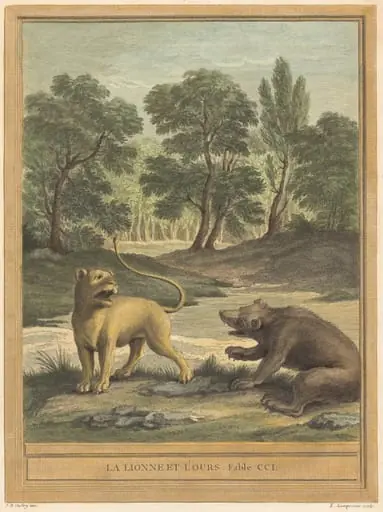
The composition depicts a lion in the act of attacking a sheep amid a rugged, wooded terrain. A second lion observes from a short distance, while a bird hovers above, adding a sense of motion. The tableau suggests a moral lesson about predation and vigilance, common themes in fable illustrations of the period.
Technique & Style
De Fehrt employed traditional etching lines combined with hand‑applied color washes to achieve depth and texture. Fine cross‑hatching defines the fur and rock surfaces, while broader washes of muted tones create atmospheric background. The careful shading and subtle coloration are characteristic of hand‑colored prints intended to convey both realism and narrative clarity.
History & Provenance
Created in 1759, the print reflects the popularity of illustrated fables in mid‑century France. While specific ownership records are scarce, hand‑colored etchings of this type were often sold to collectors of book illustrations and decorative prints. The work has survived in several museum and private collections, attesting to its continued interest among scholars of 18th‑century graphic art.
Artist & collection