Artwork
Lion of the Atlas Mountains (Lion de l'Atlas)
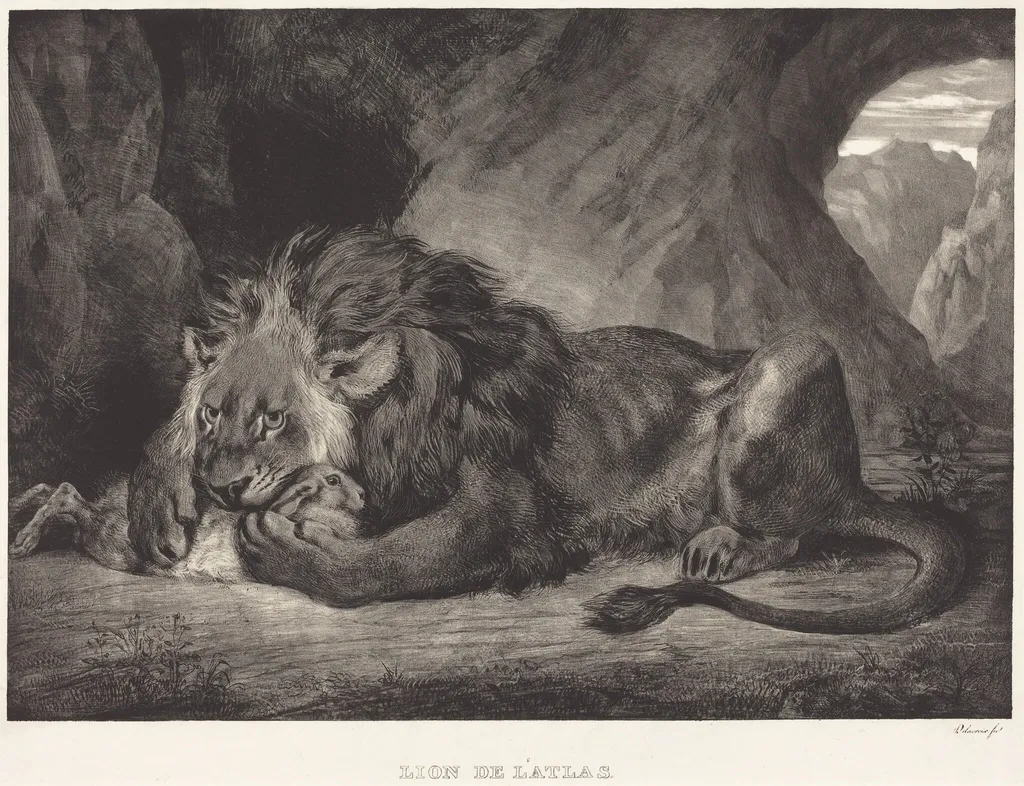
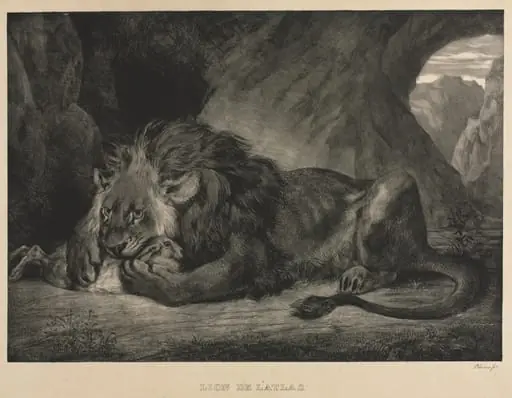
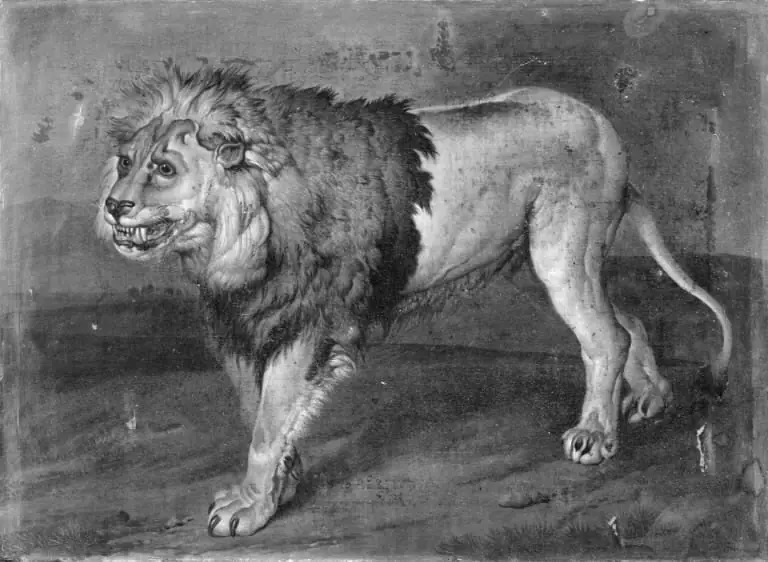
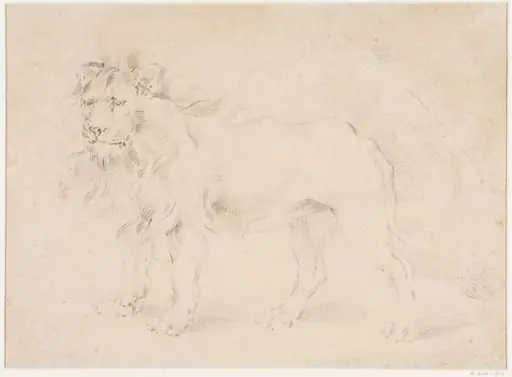
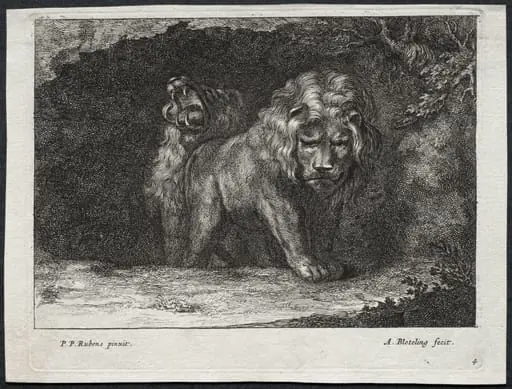
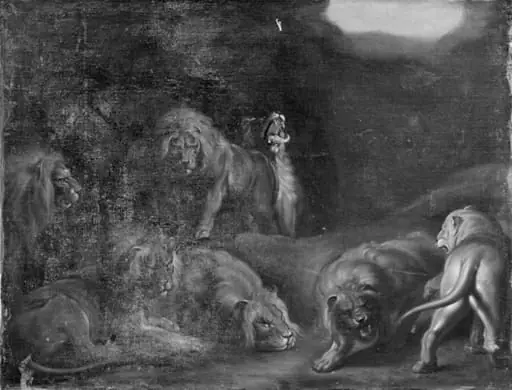
Lion of the Atlas Mountains (Lion de l'Atlas) is an ink print by the Romanticist artist Eugène Delacroix. It dates from 1829 and is held in the collection of the National Gallery of Art.
About this work
Overview
Executed in monochrome, the print demonstrates Delacroix’s command of ink and texture, emphasizing the animal’s raw presence through contrast and line.
Created in 1829, *Lion of the Atlas Mountains* is a lithograph by Eugène Delacroix, capturing a solitary lion perched on rugged terrain. Executed in monochrome, the print demonstrates Delacroix’s command of ink and texture, emphasizing the animal’s raw presence through contrast and line. It belongs to a series of works inspired by his travels and studies of North African wildlife, reflecting his shift toward expressive, emotionally charged subjects.
Subject & Meaning
The lion, depicted in a moment of stillness atop a rocky ledge, embodies wild autonomy rather than symbolic grandeur. Delacroix avoids anthropomorphism, focusing instead on the animal’s physicality and untamed environment. The composition conveys a sense of isolation and primal power, aligning with Romantic ideals that valued nature’s untamed forces over human order or control.
Technique & Style
Delacroix employed sharp, incisive lines to define the lion’s muscular form and thick, shaggy fur, using the lithographic process to exploit the medium’s capacity for tonal contrast. The stark interplay between dark ink and untouched paper heightens the animal’s three-dimensionality. His technique prioritizes dynamic texture over precise outline, revealing his departure from Neoclassical refinement toward a more visceral visual language.
History & Provenance
The lithograph stems from Delacroix’s 1832 journey to North Africa, during which he made numerous sketches of local fauna. Though completed in 1829, the work reflects the accumulated observations from his earlier studies and later travels. It entered the National Gallery of Art’s collection through established acquisition channels, preserving its place within his graphic oeuvre.
Context
In the late 1820s, European interest in North Africa grew amid colonial expansion and Orientalist fascination. Delacroix, unlike many contemporaries, sought direct observation over exoticized fantasy. His sketches of lions in Algeria and Morocco informed this print, grounding it in firsthand experience rather than myth or stereotype, distinguishing his approach within the Romantic movement.
Legacy
This lithograph stands as a testament to Delacroix’s ability to translate observational rigor into expressive printmaking. It influenced later artists exploring animal subjects through tonal contrast and emotional resonance. While not widely reproduced in his time, it remains a key example of how Romantic ideals were adapted to the graphic arts, bridging drawing, observation, and print.
Artist & collection
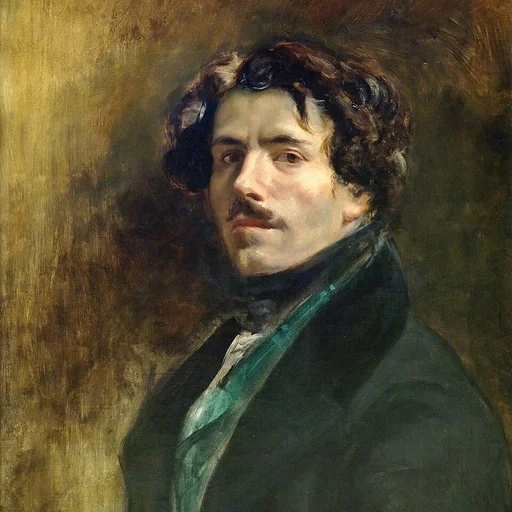
Artist
Ferdinand Victor Eugène Delacroix ( DEL-ə-krwah, -KRWAH; French: ; 26 April 1798 – 13 August 1863) was a French Romantic artist who was regarded as the leader of the French Romantic school.