Artwork
The Flight into Egypt
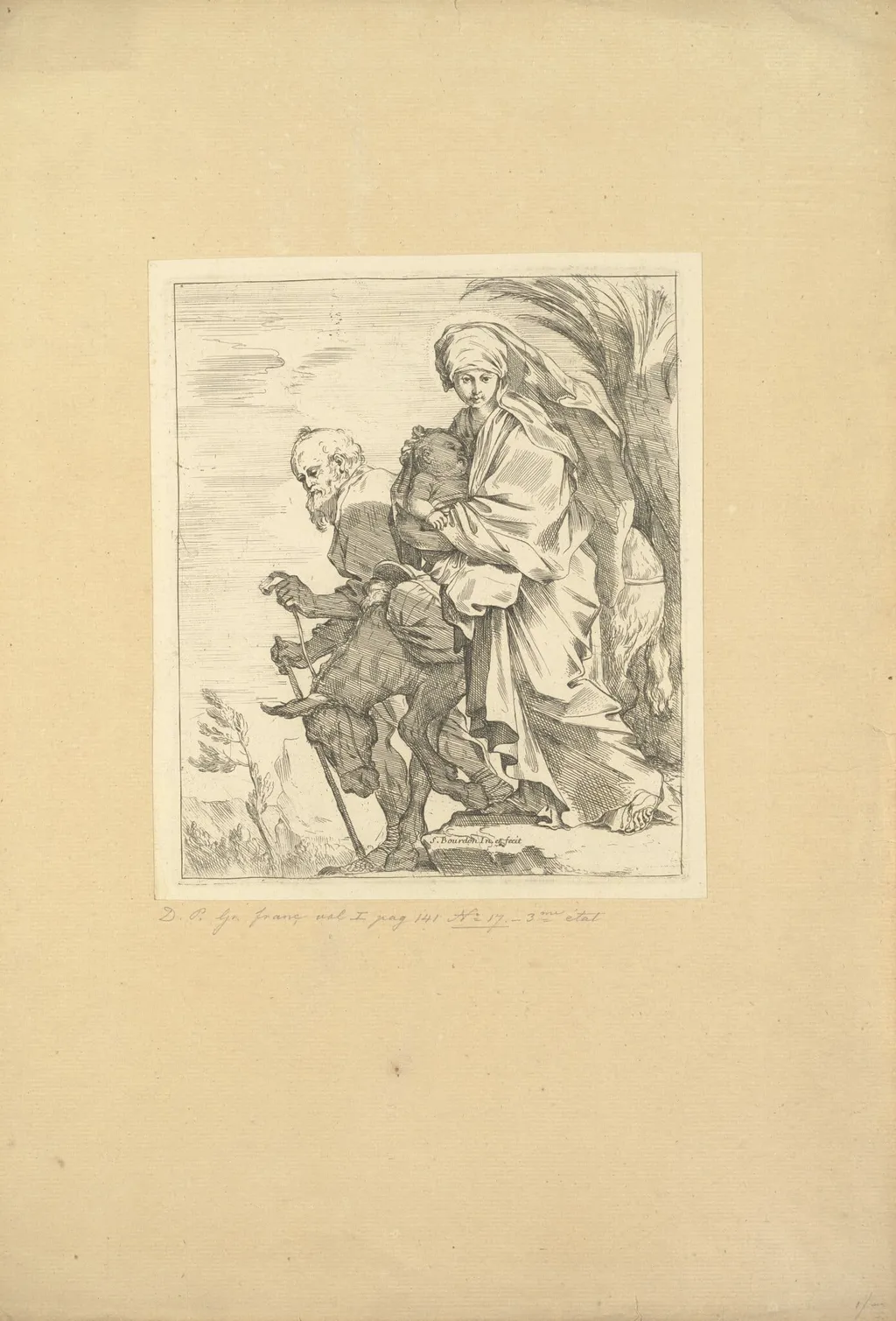
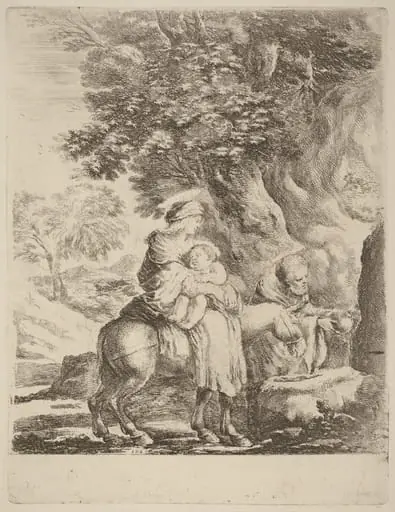
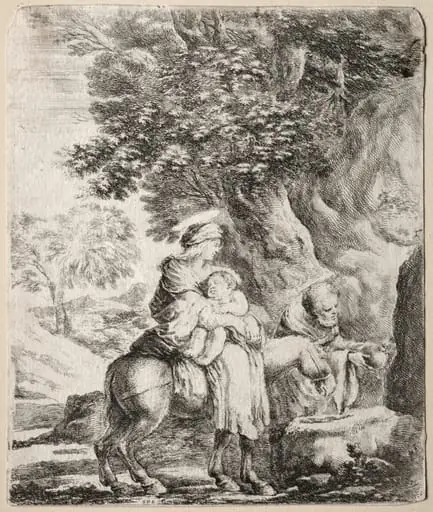
The Flight into Egypt is an ink print by the Baroque artist Sébastien Bourdon. It dates from 1644 and is held in the collection of the National Gallery of Art.
About this work
Overview
Around 1644, French artist Sébastien Bourdon produced an etching titled *The Flight into Egypt* on laid paper. Executed during the Baroque era, the print illustrates the biblical episode in which Mary, Joseph, and the infant Jesus escape to Egypt, rendered in a compact, intimate composition.
Subject & Meaning
The image captures a moment of quiet travel: a man, likely Joseph, supports a staff and looks downward, while a woman, presumably Mary, carries the child on her back and holds a bundle. Their subdued posture suggests both the urgency of flight and the tenderness of familial care.
Technique & Style
Bourdon employed delicate, intersecting lines to model the drapery of the figures’ garments and the foliage of a lone palm tree that leans in the wind. The fine incisions characteristic of etching give the scene a subtle texture, emphasizing the softness of cloth and the rustle of leaves.
History & Provenance
Created as part of Bourdon’s printmaking output, the work reflects his dual practice as painter and engraver. While specific ownership records are scarce, the etching survives in several museum collections, attesting to its circulation among collectors of Baroque prints.
Artist & collection
Artist
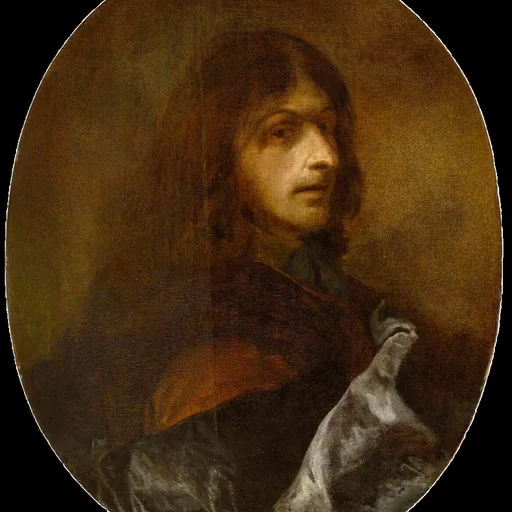
Sébastien Bourdon (French pronunciation: ; 2 February 1616 – 8 May 1671) was a French painter and engraver. His chef d'œuvre is The Crucifixion of St. Peter made for the cathedral of Notre Dame.

 The Flight into Egypt
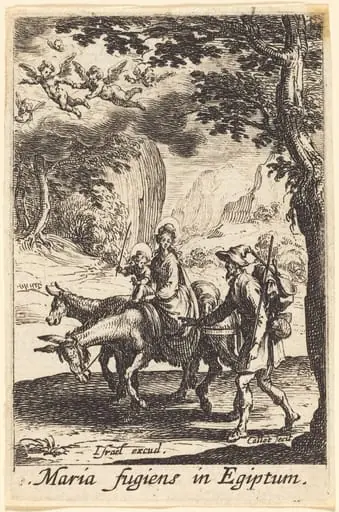 The Flight into Egypt
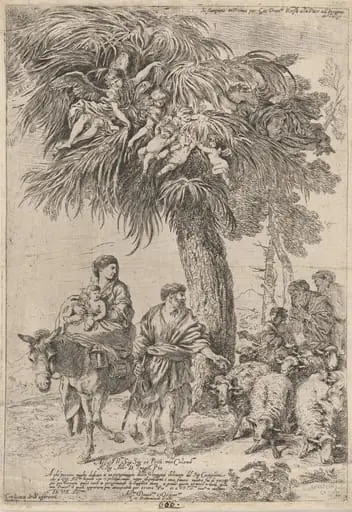 The Flight into Egypt
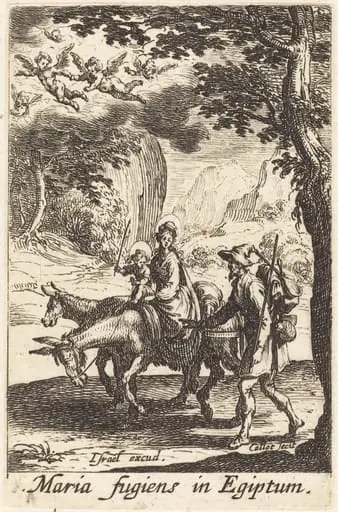 The Flight into Egypt
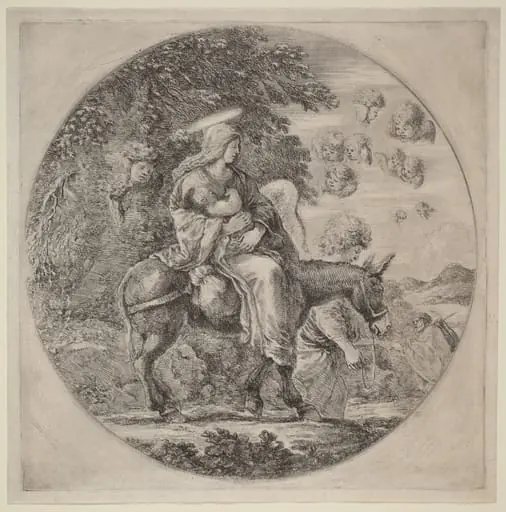 The Flight into Egypt
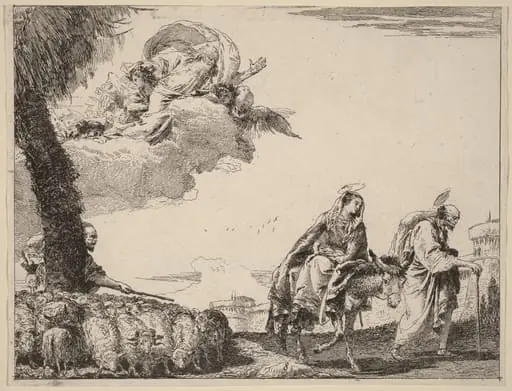 The Flight with the Holy Family at the Right
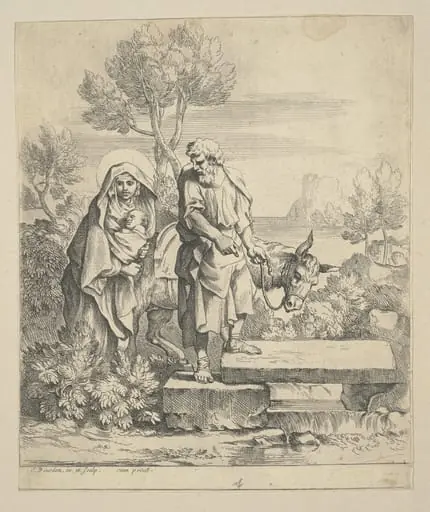 Flight into Egypt
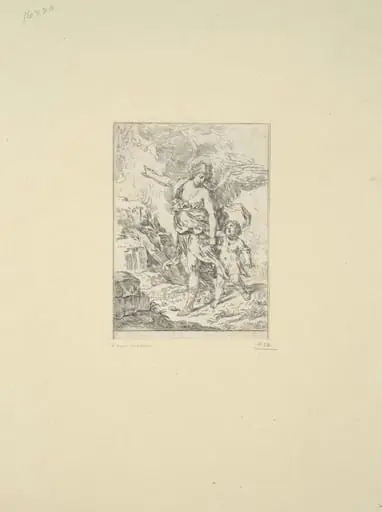 Guardian Angel
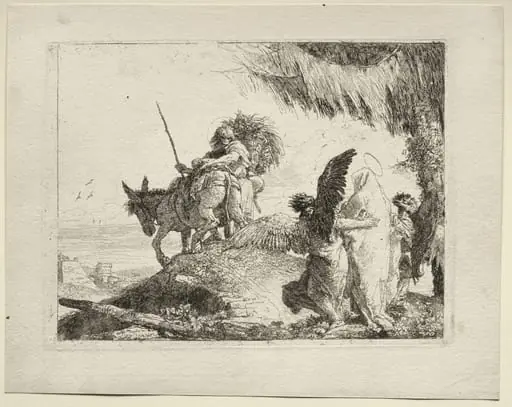 The Flight into Egypt: The Flight with the Madonna at Right Supported by Angels
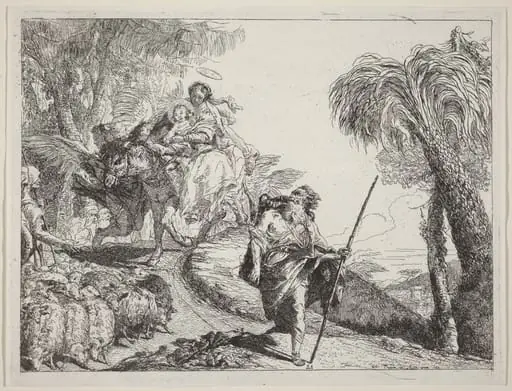
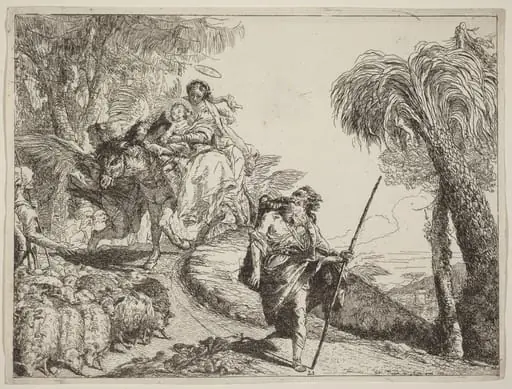 The Flight with Joseph in the Foreground
 Flight into Egypt
 The Flight with Joseph in the Foreground