Artwork
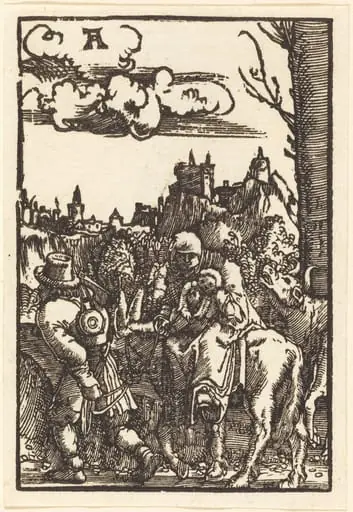
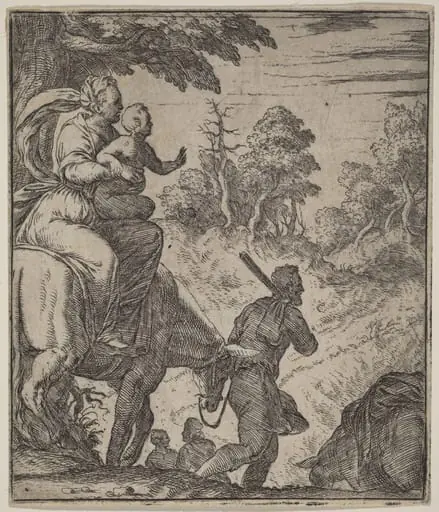
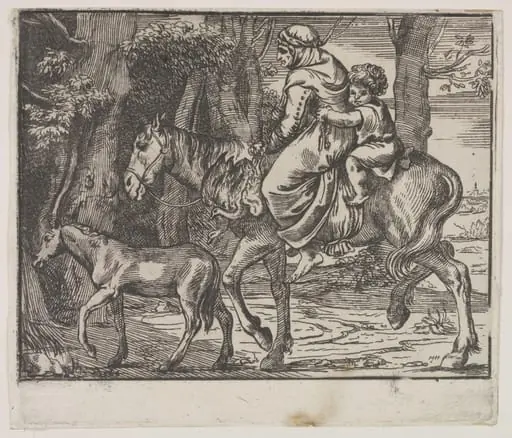
The Flight into Egypt
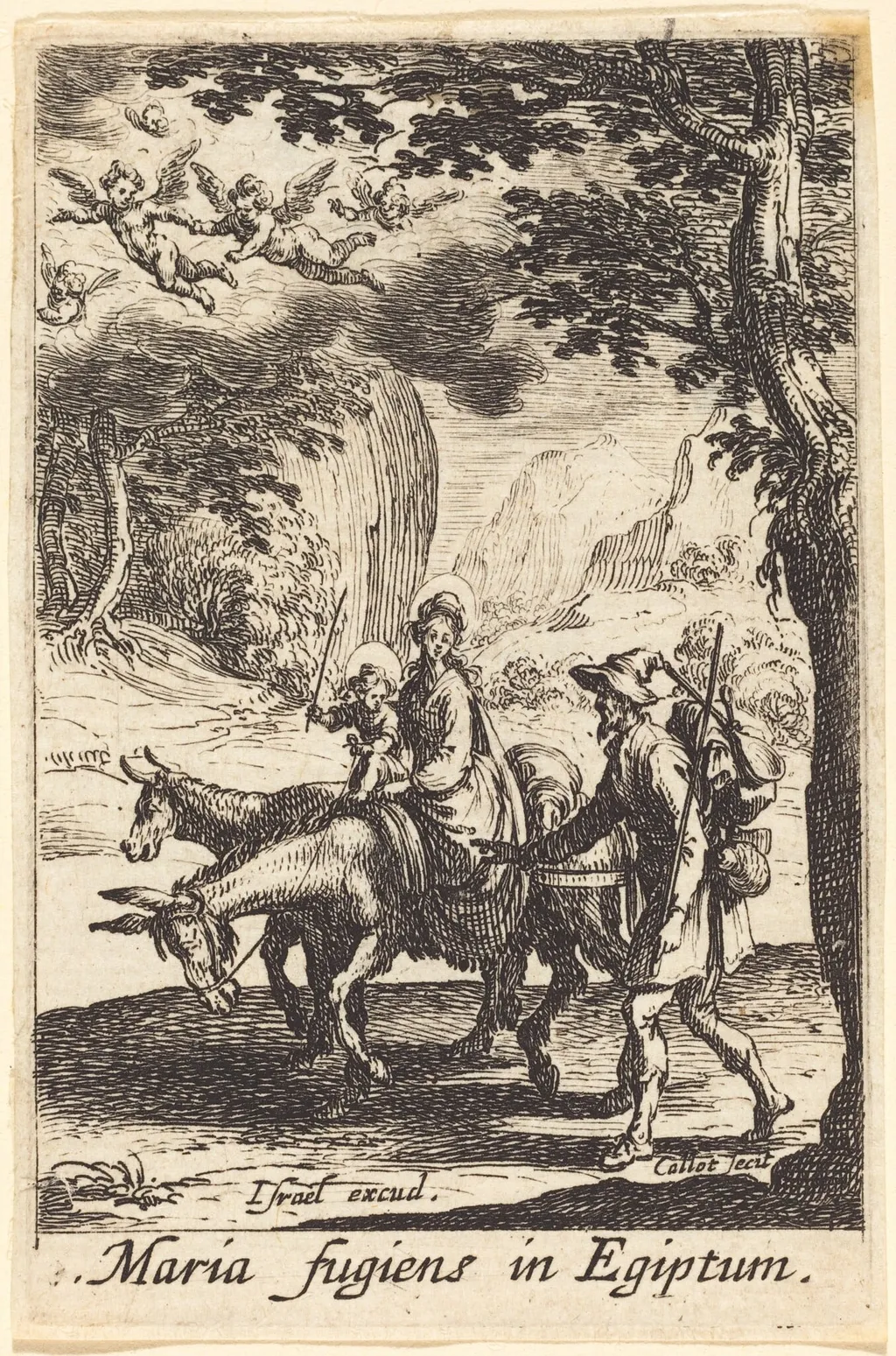
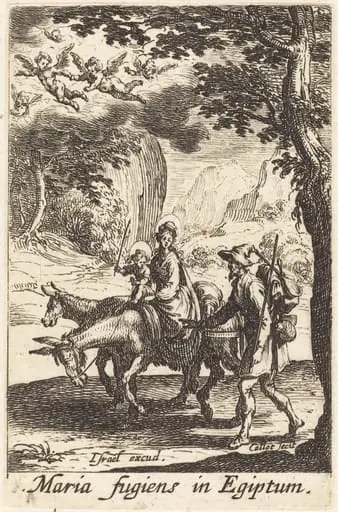
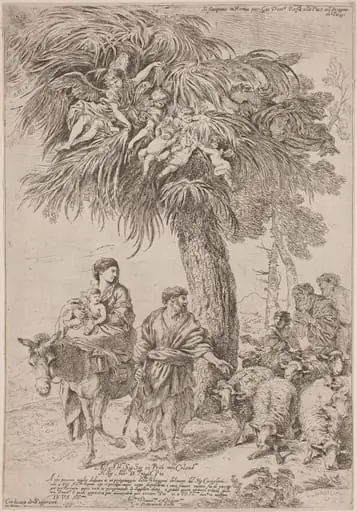
The Flight into Egypt is an ink print by the Baroque artist Jacques Callot. It dates from 1634 and is held in the collection of the National Gallery of Art.
About this work
Overview
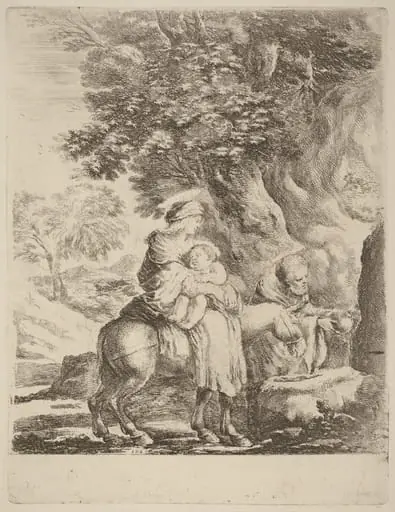
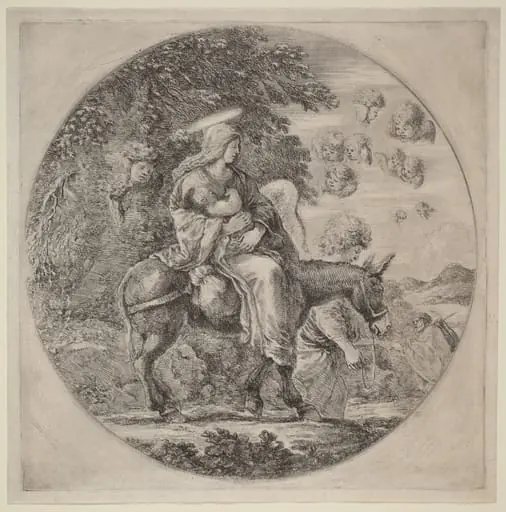
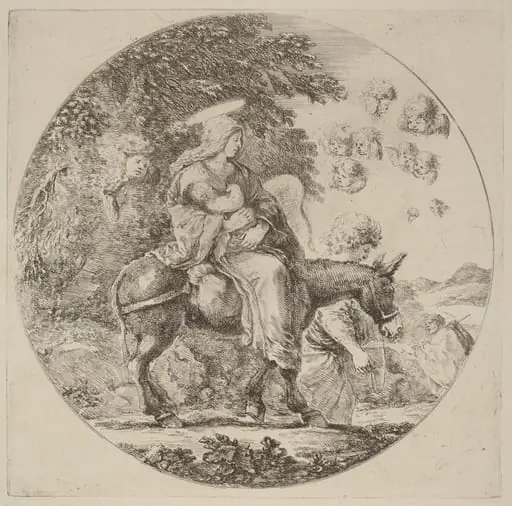
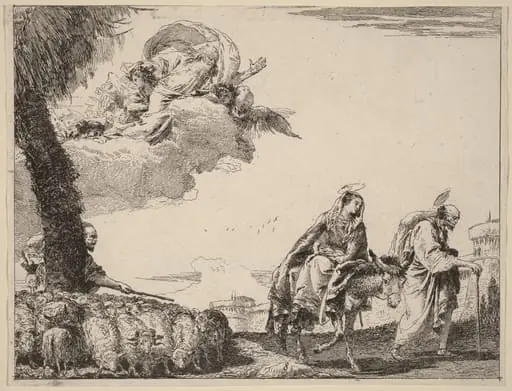
Jacques Callot’s *The Flight into Egypt* is an early‑Baroque etching executed on laid paper around 1634. The print presents a nocturnal procession of the Holy Family, rendered entirely in black line work without coloration. The composition balances a crowded foreground with a distant, rugged landscape, while tiny winged figures hover above, adding a sense of movement and narrative depth.
Subject & Meaning
The image illustrates the biblical episode in which Mary, bearing the infant Jesus, flees to Egypt to escape Herod’s decree. A donkey carries Mary, a man—presumably Joseph—holds a staff, and the infant is cradled in her arms. The inclusion of small, floating angels underscores the divine protection afforded to the family during their perilous journey.
Technique & Style
His precise, sharply defined strokes generate a network of shadows and textures that convey both the figures’ forms and the rugged terrain.
Callot employed traditional etching methods, incising the design with a needle before immersing the plate in acid to bite the lines. His precise, sharply defined strokes generate a network of shadows and textures that convey both the figures’ forms and the rugged terrain. The use of laid paper, with its characteristic ribbed texture, enhances the print’s tonal richness despite the monochrome palette.
History & Provenance
Born circa 1592 in Lorraine, Callot emerged as a pre‑eminent printmaker, producing more than 1,400 etchings that documented religious, military, and everyday subjects. *The Flight into Egypt* reflects his sustained interest in biblical narratives and his skill in integrating detailed human activity within expansive natural settings. The work bears the Latin inscription “Maria fugiens in Aegyptum,” affirming its devotional purpose.
Context
During the 1630s, printmaking served as a vital medium for disseminating religious imagery across Europe. Callot’s ability to combine intricate figural rendering with atmospheric landscape influenced subsequent generations of etchers, notably in the development of more expressive line work. This print exemplifies the Baroque fascination with drama, movement, and the interplay of the sacred and the natural world.
Artist & collection
Artist
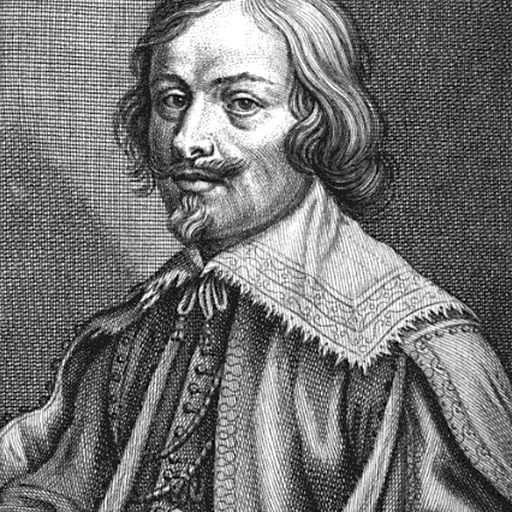
Jacques Callot was a baroque printmaker and draftsman from the Duchy of Lorraine.

 Holy Family at supper
 Restoration of the Aqueduct at Pisa
 Restoration of the Aqueduct at Pisa
 Square in Paris with Many Figures
 Square in Paris with Many Figures
 Horsemen Attacked by Robbers
 HOW WILL A COVERED PART BE CORRECTED?HOW WIKA A COVERED HEART DEED CORRECTED?
![Christ Walking on the Water [second plate], by Jacques Callot](https://artifactworldgallery.com/img/jacques-callot--christ-walking-on-the-water-second-plate--2069f3bfe4cb2126-w320.webp) Christ Walking on the Water [second plate]
Christ Walking on the Water [second plate]