Artwork
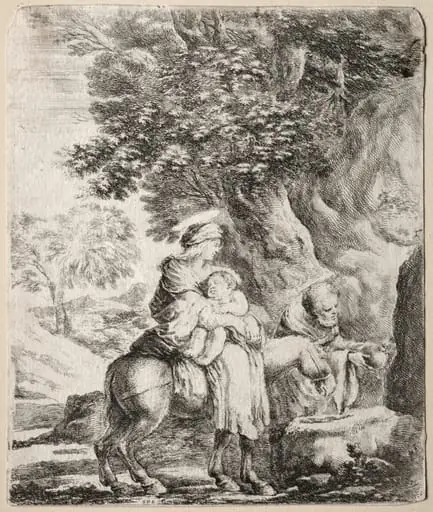
Flight into Egypt
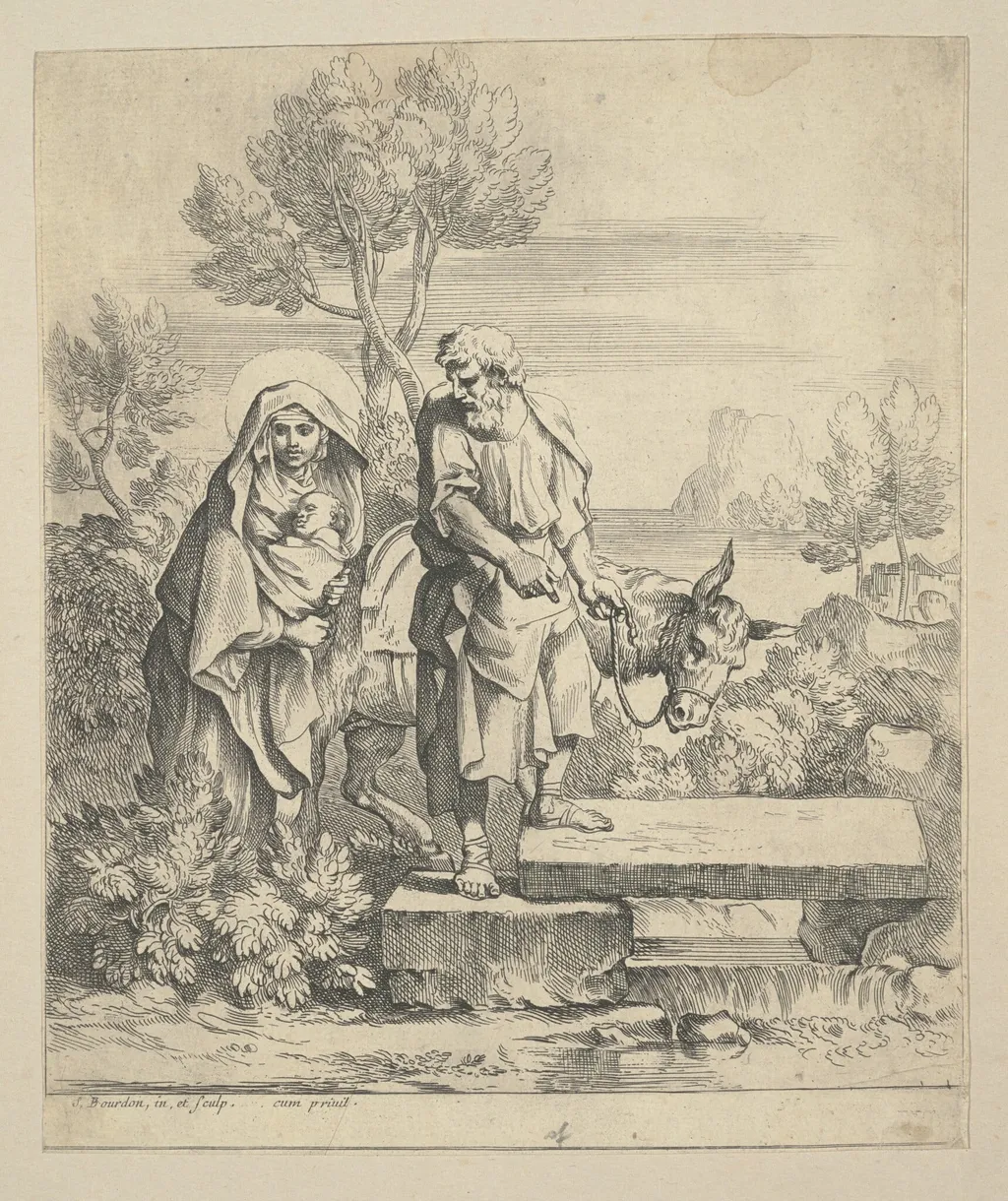
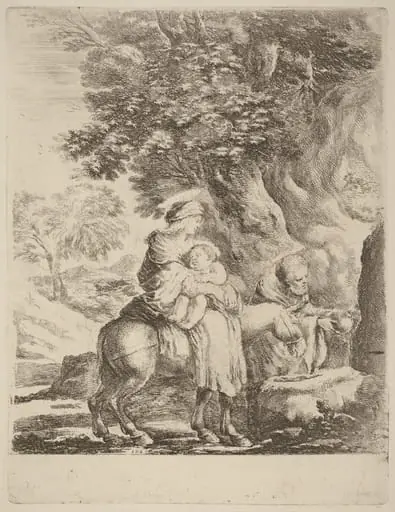
Flight into Egypt is an ink print by the Baroque artist Sébastien Bourdon. It dates from 1654 and is held in the collection of the National Gallery of Art.
About this work
Overview
Sébastien Bourdon’s *Flight into Egypt* is an early‑mid‑17th‑century etching executed on laid paper. Produced circa 1654, the print belongs to the French artist’s body of religious works and exemplifies the period’s reliance on printmaking to circulate biblical narratives.
Subject & Meaning
The image portrays the biblical episode in which Joseph, Mary, and the infant Jesus flee to Egypt to escape King Herod’s decree. A staff‑bearing man leads the group, a donkey follows, and a distant structure hints at a landscape beyond the immediate journey, emphasizing both the urgency and the humble circumstances of the escape.
Technique & Style
Bourdon employs the etching process, incising fine lines into a metal plate that, when inked, produce delicate textures on the paper. His draftsmanship is evident in the rendering of fabric folds, the donkey’s fur, and the foliage, creating a quiet yet richly detailed composition within the monochrome medium.
History & Provenance
Created during a phase when Bourdon was active as both painter and engraver, the print reflects the broader 17th‑century French practice of reproducing religious subjects for devotional and instructional purposes. The work has survived in several museum collections, attesting to its continued relevance as a document of Baroque print culture.
Artist & collection
Artist
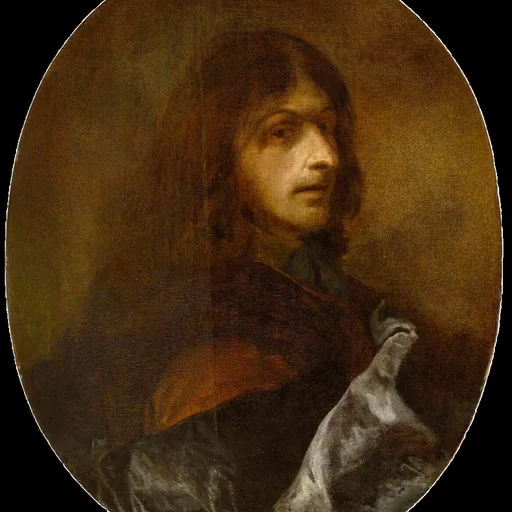
Sébastien Bourdon (French pronunciation: ; 2 February 1616 – 8 May 1671) was a French painter and engraver. His chef d'œuvre is The Crucifixion of St. Peter made for the cathedral of Notre Dame.

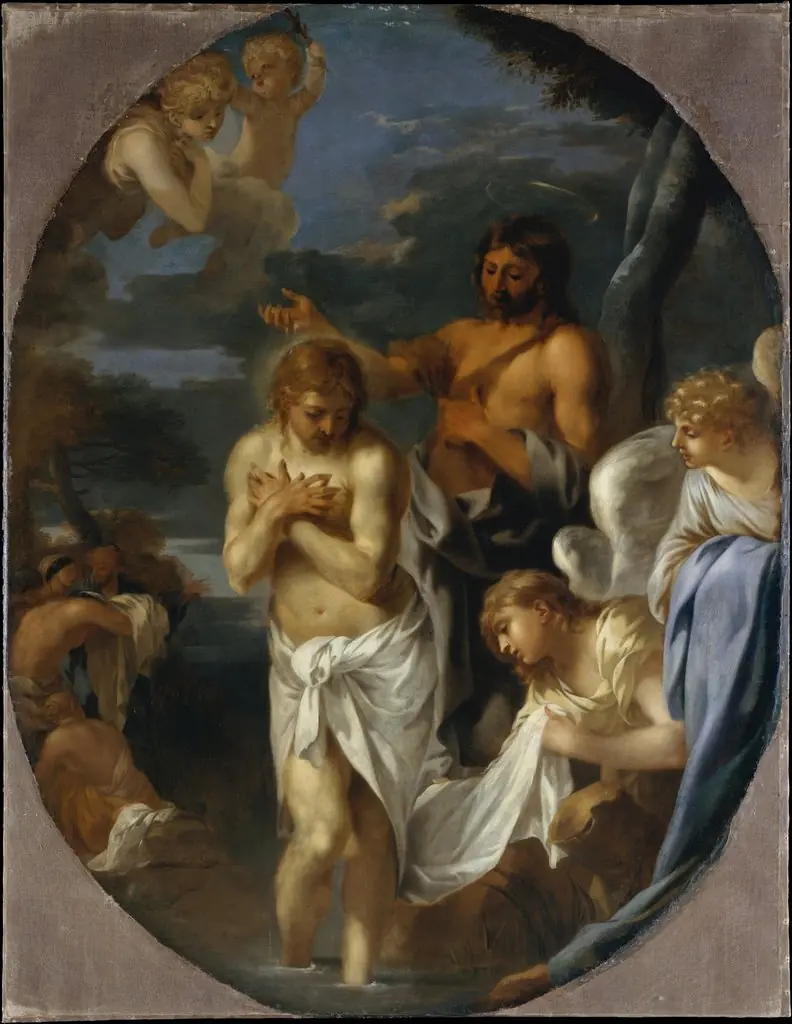
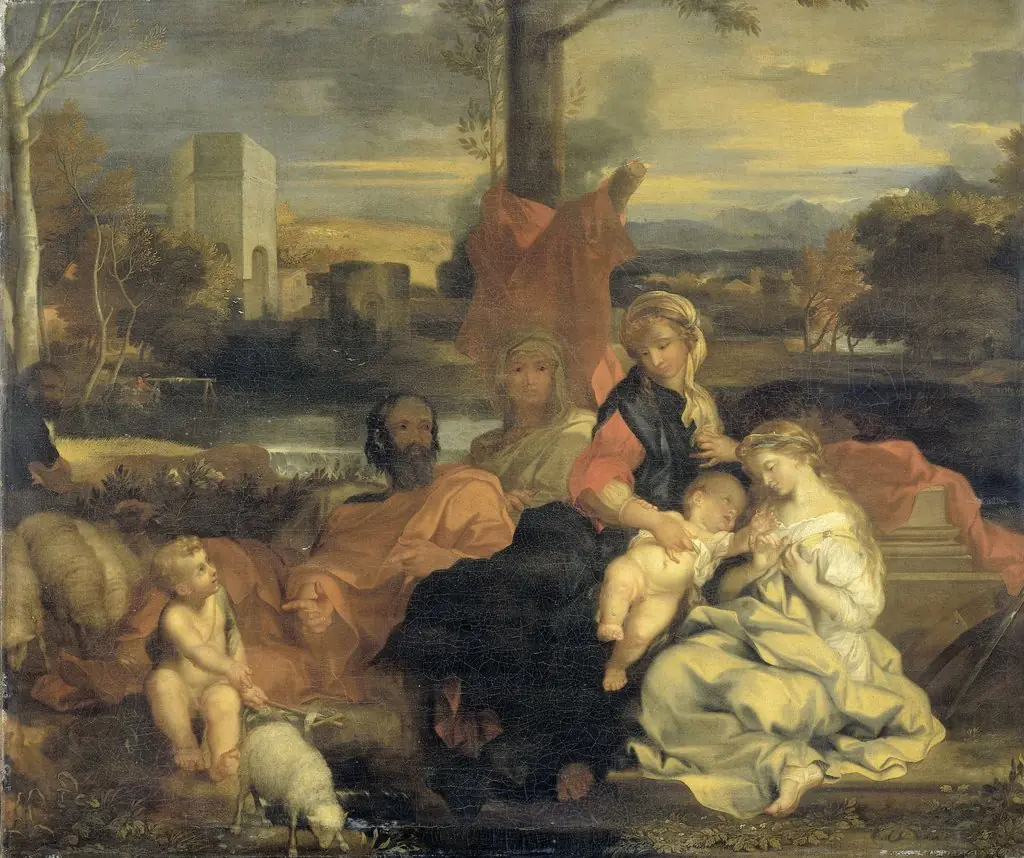

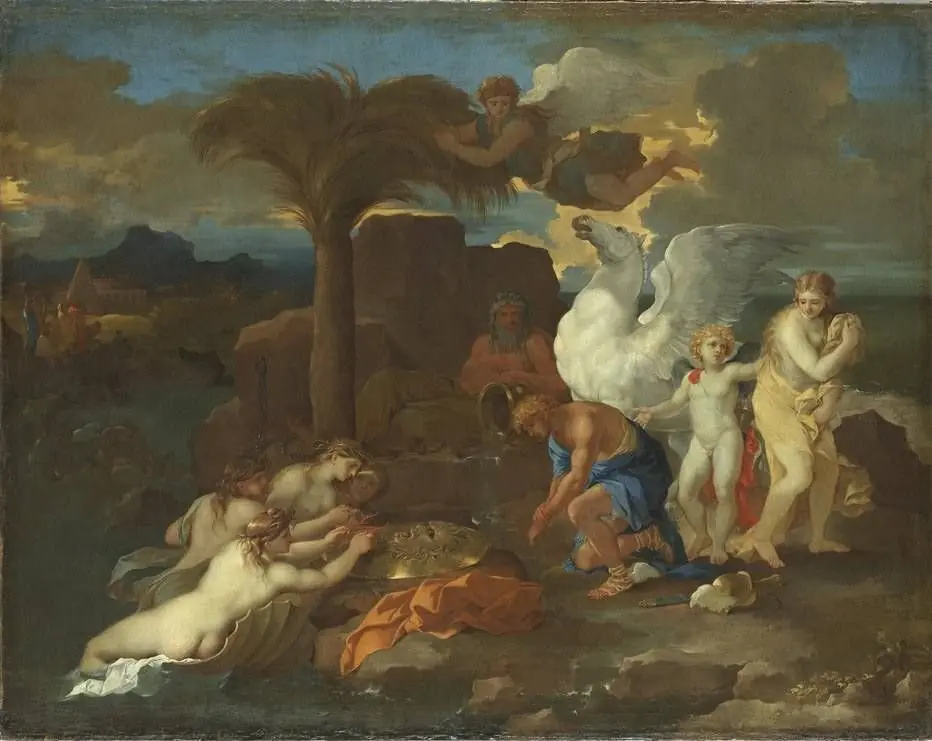
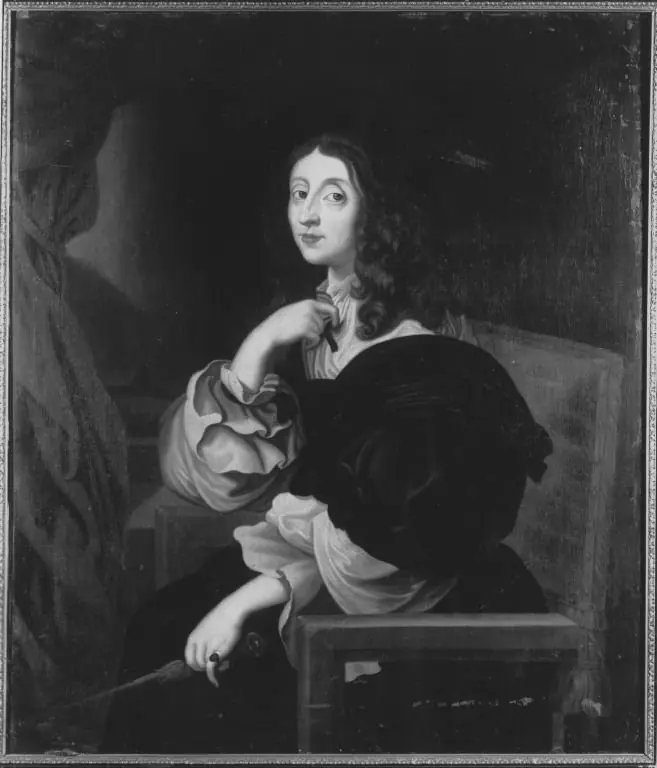
 The Flight into Egypt
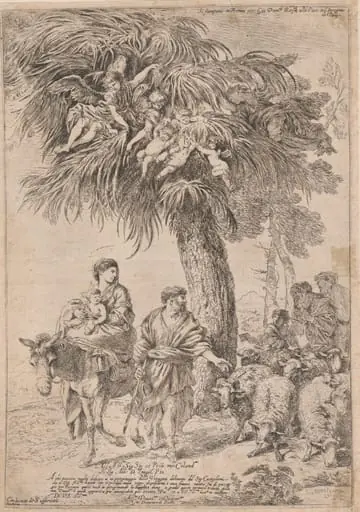 The Flight into Egypt
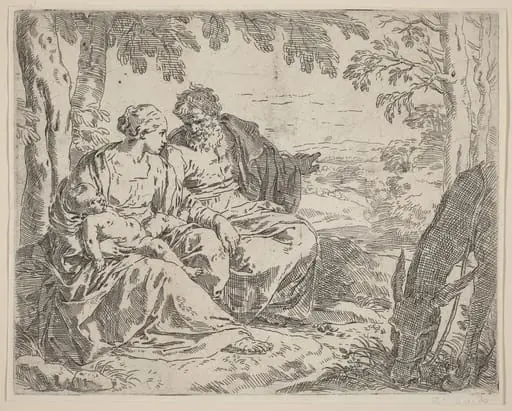 The Rest on the Flight into Egypt
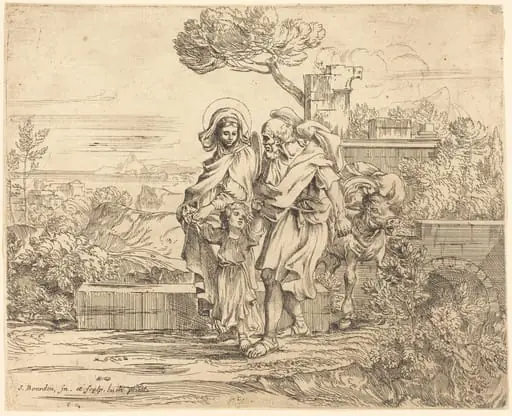 The Rest on the Flight into Egypt
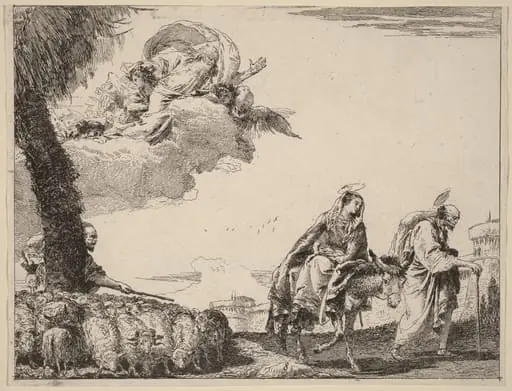 The Flight with the Holy Family at the Right
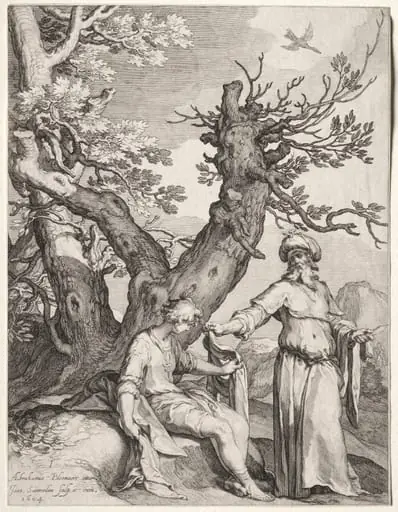 Ahijah and Jeroboam
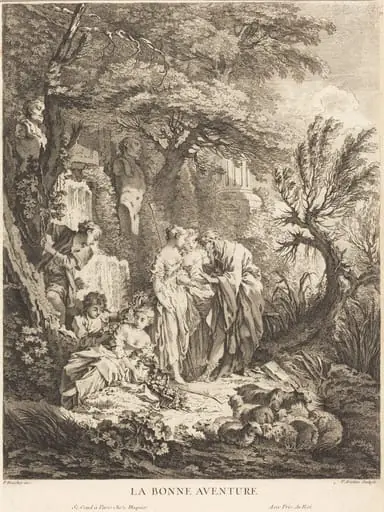 La Bonne Aventure
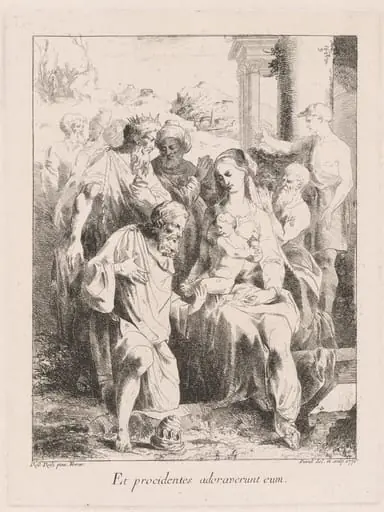 Adoration of the Magi
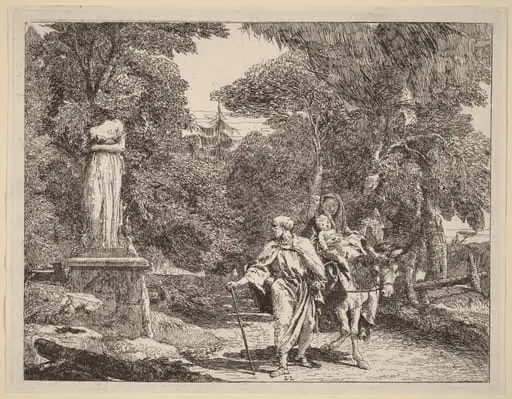 The Episode of the Falling Idol
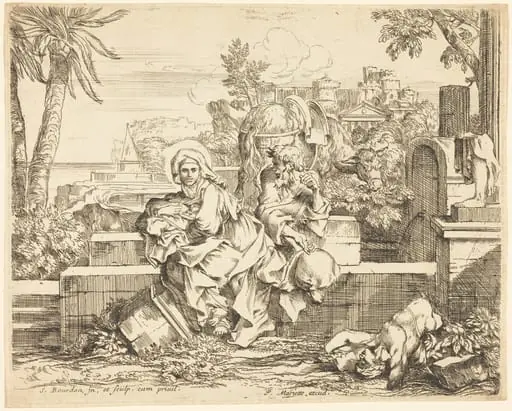 Rest on the Flight into Egypt
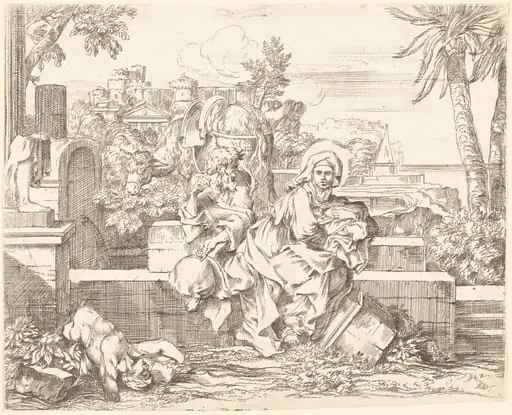 The Return from Egypt
 Flight into Egypt