Artwork
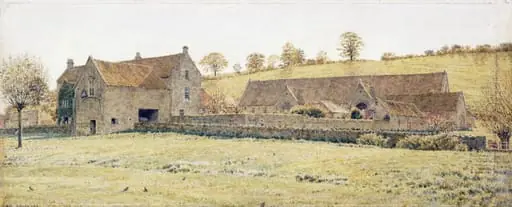
Halton Castle, Northumberland: from the east
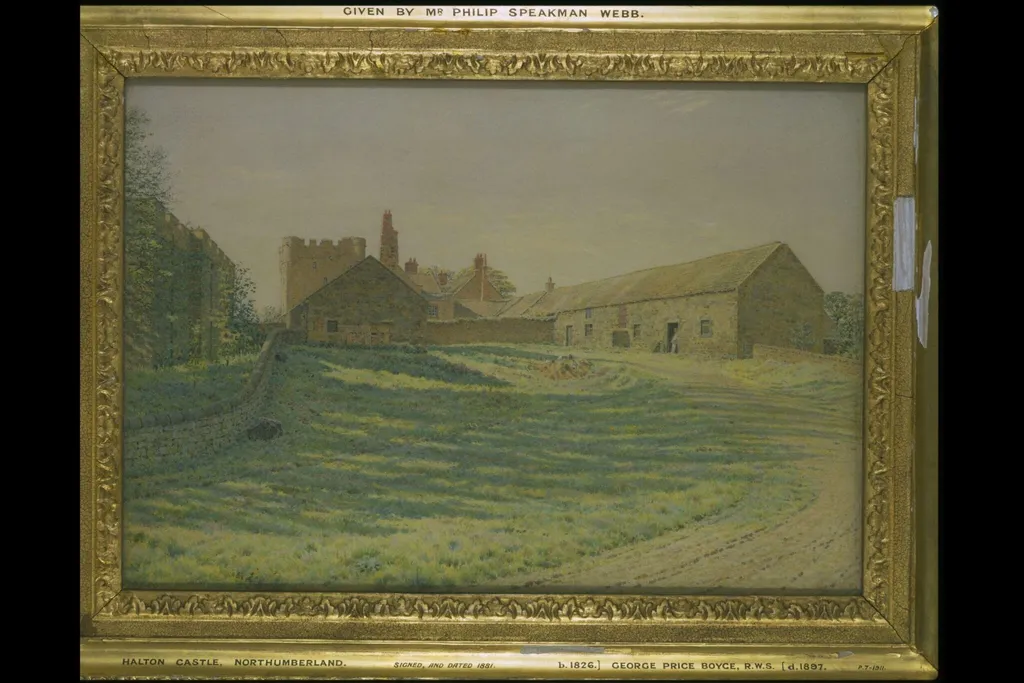
Halton Castle, Northumberland: from the east is a watercolor work on paper by the Impressionist artist George Price Boyce. It dates from 1881 and is held in the collection of the Victoria and Albert Museum.
About this work
Overview
George Price Boyce created this watercolour during a seasonal journey through northern England, capturing Halton Castle as it stood in the autumn landscape.
George Price Boyce created this watercolour during a seasonal journey through northern England, capturing Halton Castle as it stood in the autumn landscape. The work reflects his commitment to direct observation, a principle championed by John Ruskin. Executed with careful attention to natural detail, the piece records the castle’s architectural form and its integration into the surrounding countryside, preserving a moment of quiet rural England.
Subject & Meaning
Halton Castle, situated between Hexham and Newcastle, consists of a fourteenth-century square keep with corner turrets and an attached seventeenth-century farmhouse. Boyce presents the structure not as a romantic ruin but as a lived-in, weathered presence in the landscape. The composition emphasizes continuity — the castle endures alongside the fields and paths shaped by centuries of human use, suggesting a quiet resilience rather than grandeur.
Technique & Style
Boyce employed delicate washes of watercolour to render the castle’s stone surfaces and the soft, rolling terrain. Earth tones dominate — muted greens, browns, and greys — conveying the dampness of autumn and the texture of aged masonry. Subtle shifts in light suggest overcast skies, with shadows defining the contours of the field and the curve of a stone wall, guiding the viewer’s gaze toward the tower.
History & Provenance
The watercolour was completed during one of Boyce’s annual northern excursions, part of his disciplined practice of sketching from nature. After his death, it was donated to the Victoria and Albert Museum by Philip Webb, a close friend and fellow artist associated with the Arts and Crafts movement. The gift reflects both personal connection and shared values in preserving honest, observed representations of the English landscape.
Context
Boyce worked within the tradition of topographical watercolour, influenced by Ruskin’s emphasis on truth to nature. His depictions of rural architecture avoided idealization, focusing instead on the quiet dignity of ordinary structures. Halton Castle, though historically significant, is shown without dramatic flair — a building absorbed into the rhythms of the land, reflecting a broader Victorian interest in documenting vernacular heritage.
Legacy
The painting remains a quiet example of late nineteenth-century British watercolour practice, valued for its fidelity to observed detail rather than expressive flourish. Its presence in the V&A underscores its role as a record of architectural and landscape conditions at a time when industrialization was transforming the countryside. Boyce’s approach continues to inform studies of how artists engaged with heritage and place.
Artist & collection
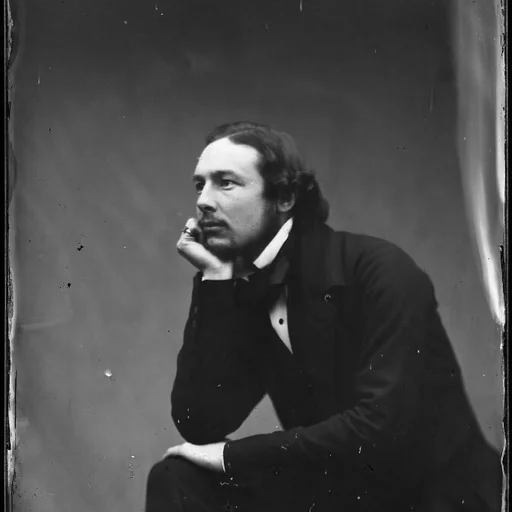
Artist
George Price Boyce was a British watercolour painter of landscapes and vernacular architecture in the Pre-Raphaelite style. He was a patron and friend of Dante Gabriel Rossetti.

 The first lecture theatre at the South Kensington Museum, later the Victoria and Albert Museum
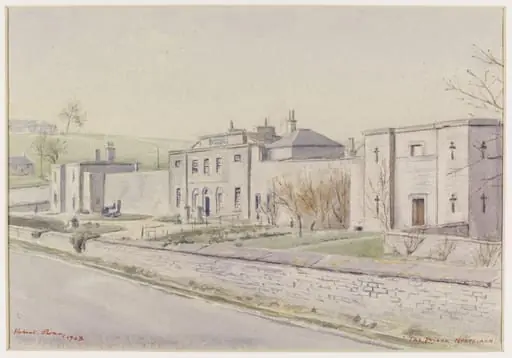 The Old Prison, Northleach
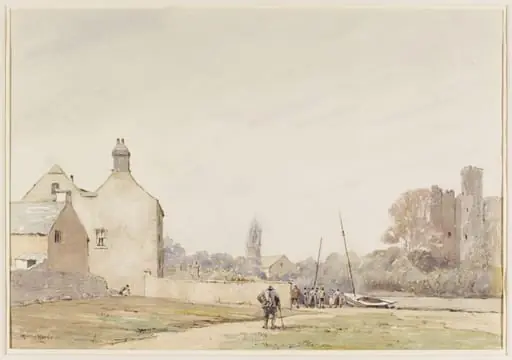 Laugharne Castle, Carmarthenshire
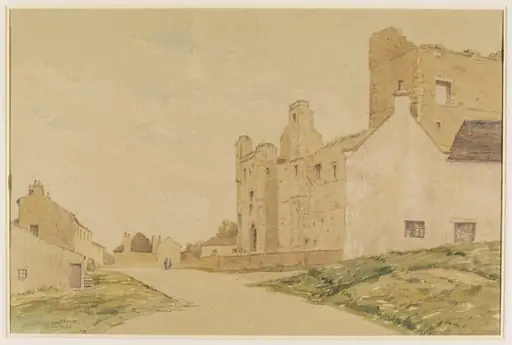 Middleham Castle
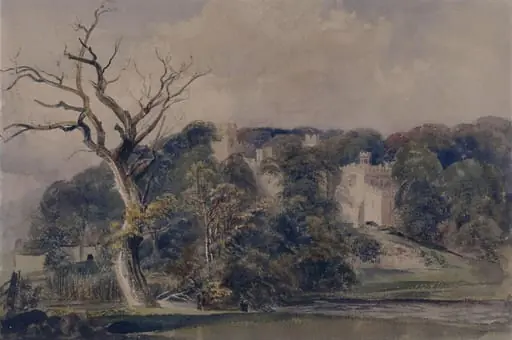 Haddon Hall, Derbyshire
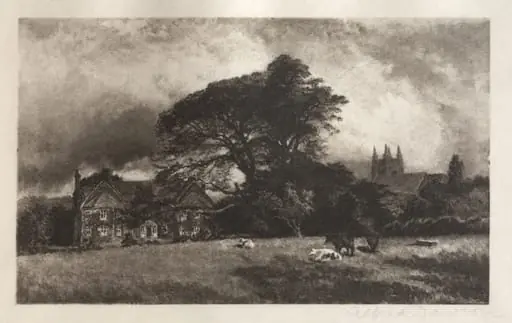 Eversley
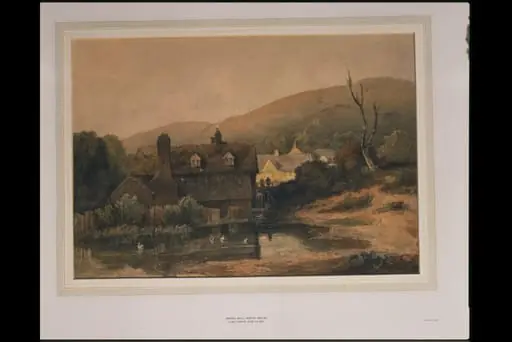 Water Mill, North Wales
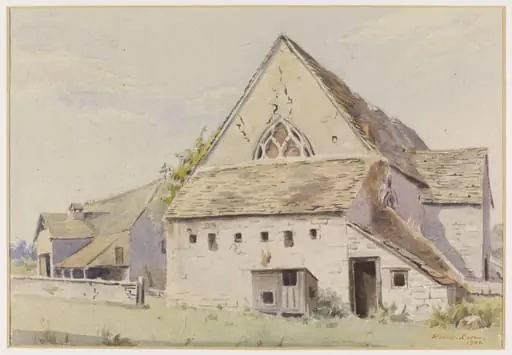 The Old Church (now a barn), Leonard Stanley
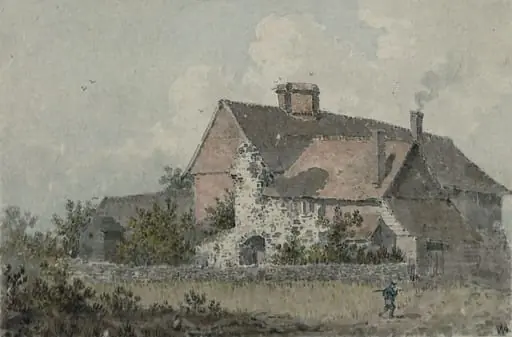 Higham Abbey near Rochester
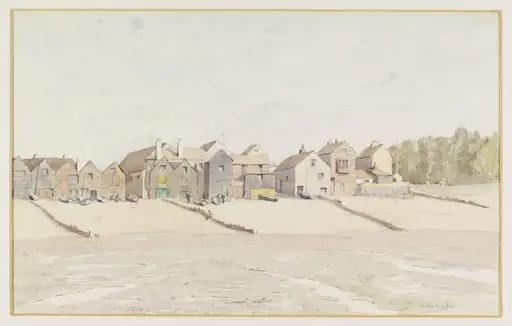 Whitstable, 1934
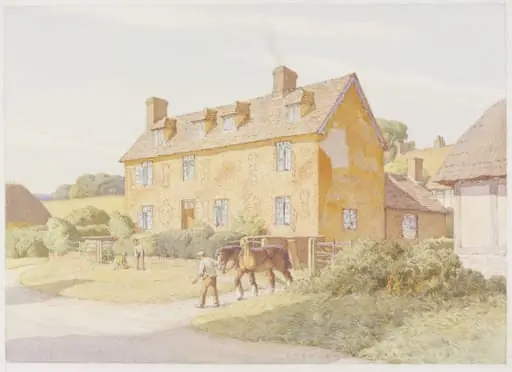 A 15th century cottage at Nether Wynchenden
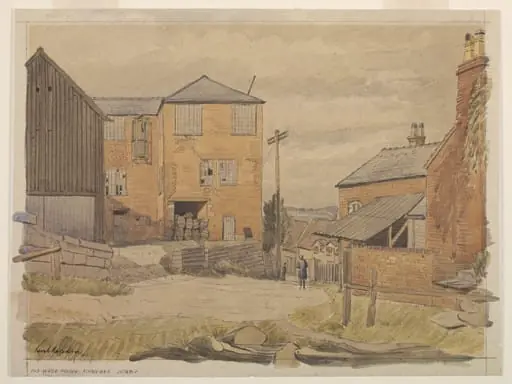 Old Warehouse, Ashbourne