Artwork
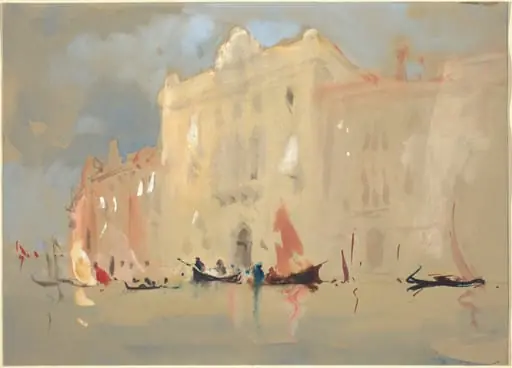
Palaces on the Grand Canal in Venice
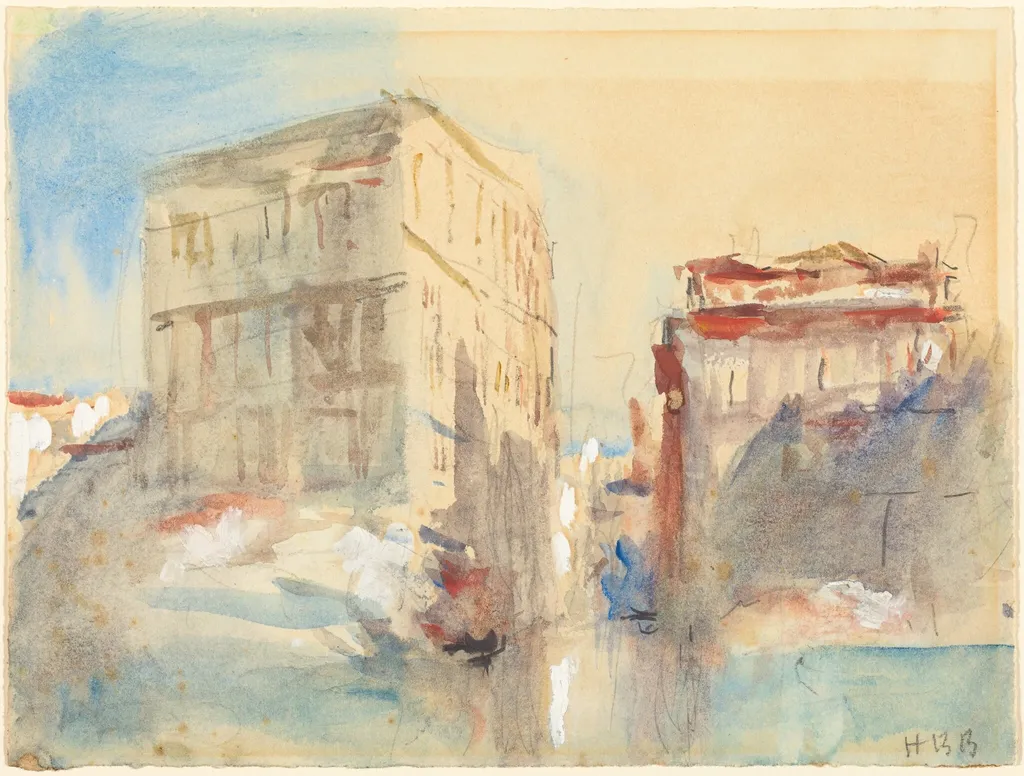
Palaces on the Grand Canal in Venice is a gouache drawing by the Romanticist artist Hercules Brabazon Brabazon. It dates from 1864 and is held in the collection of the National Gallery of Art.
About this work
Overview
The work belongs to the tradition of topographical watercolor drawing, reflecting Brabazon’s engagement with the atmospheric effects favored by J.
Created in 1864 by the English artist Hercules Brabazon Brabazon, this drawing captures a view of Venice’s Grand Canal using watercolor, gouache, and white heightening over graphite on wove paper. The work belongs to the tradition of topographical watercolor drawing, reflecting Brabazon’s engagement with the atmospheric effects favored by J.M.W. Turner. Its medium and technique emphasize luminosity and subtle tonal transitions, characteristic of 19th-century British watercolor practice.
Subject & Meaning
The scene presents a line of Venetian palaces lining the Grand Canal, their facades reflected in the water below. Rather than focusing on specific buildings, the composition emphasizes the rhythm of architecture and the play of light across surfaces. The absence of human figures enhances the sense of quiet observation, suggesting a contemplative engagement with the city’s enduring presence rather than its social life.
Technique & Style
Brabazon employed layered watercolor and gouache to build depth and texture, using graphite underdrawing for structure and white heightening to suggest reflections and highlights. The technique echoes Turner’s approach to atmospheric light, with soft edges and muted hues creating a sense of air and moisture. The wove paper’s smooth surface allowed for precise washes, enhancing the delicate balance between transparency and opacity.
History & Provenance
The drawing was completed during Brabazon’s travels in Italy, part of a broader trend among British artists seeking inspiration in continental landscapes. It remained in private collections in England before entering institutional holdings. Its preservation reflects the 19th-century appreciation for watercolor as a serious medium, distinct from oil painting in both technique and cultural status.
Context
In mid-19th century Britain, watercolor drawing was elevated through societies like the Royal Watercolour Society, where artists like Brabazon exhibited. Venetian subjects were popular among travelers, valued for their architectural grandeur and atmospheric qualities. This work aligns with Romantic-era interests in place, memory, and the sublime, though it avoids overt drama in favor of restrained observation.
Legacy
Brabazon’s work contributed to the British watercolor tradition’s reputation for technical refinement and lyrical observation. While less widely known than Turner’s, his Venetian views helped sustain interest in the city as a subject for watercolorists. The drawing remains a representative example of how British artists interpreted Italian landscapes through a disciplined, light-sensitive approach.
Own this work as a print
Artist & collection
Artist
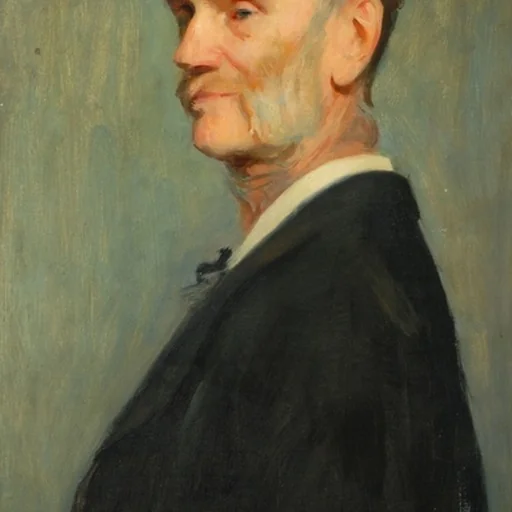
Hercules Brabazon Brabazon (born Hercules Brabazon Sharpe; 27 November 1821 – 14 May 1906) was an English artist, accomplished in Turner-manner watercolours.

 A Landscape with Mountains and a Stream
 Sketch for "Nantes from the Ile Feydeau."
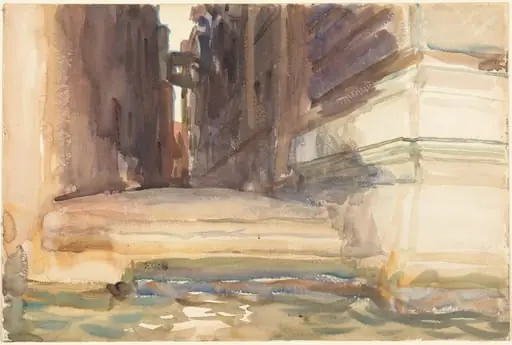 The Calle della Rosa with the Monte di Pietà, Venice
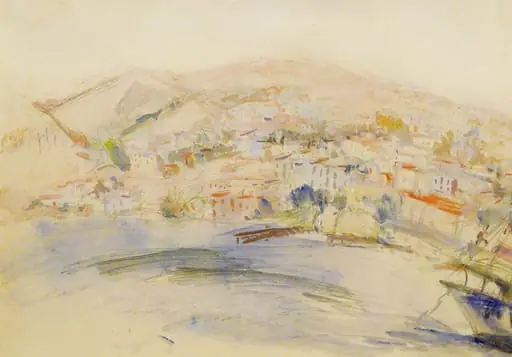 Balcicul văzut din față
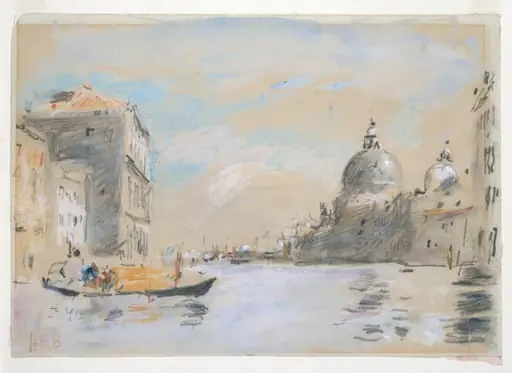 La Guidecca, Venice
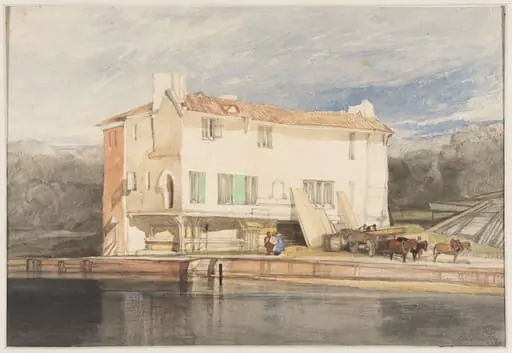 House and River
 A Canal, Venice
 Church of San Francisco and Rua dos Ingleses, Oporto
 Sailboats in a Sunlit Harbor (recto)
 Landscape after Turner
 The Pond, Ditchling