Artwork
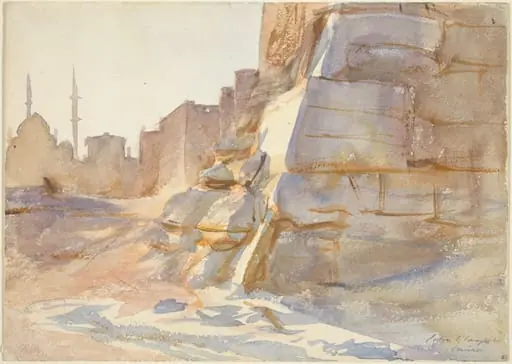
Walls of a North African City
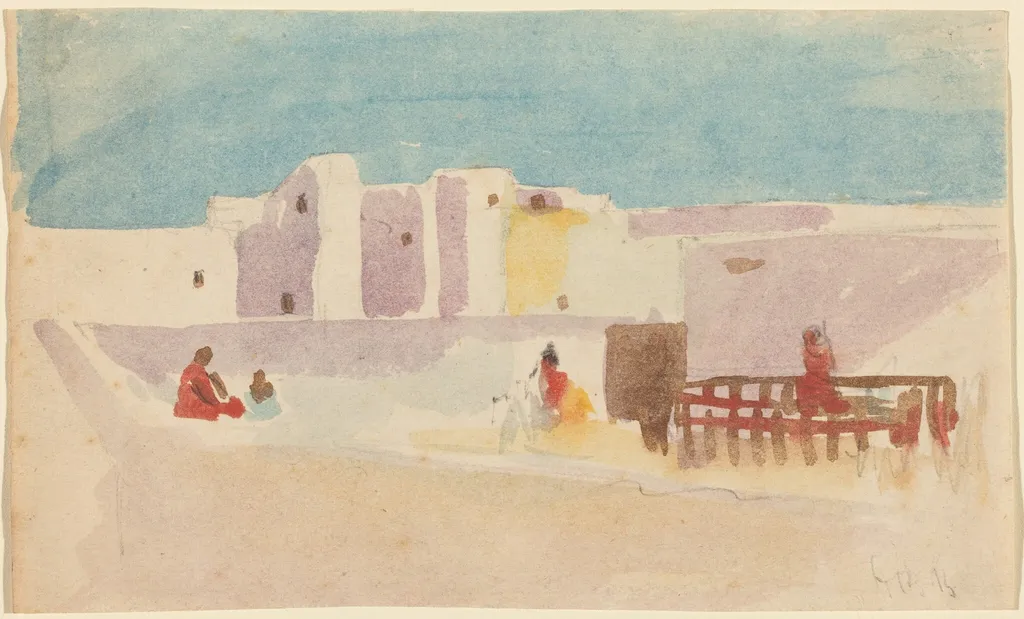
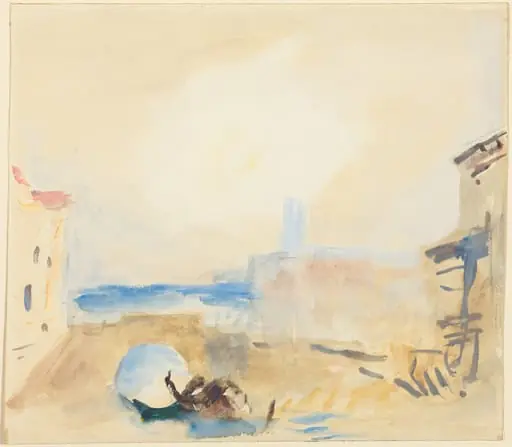
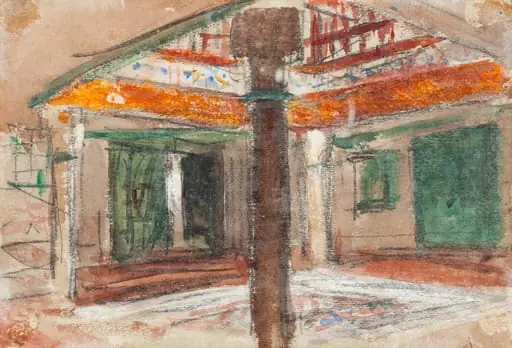
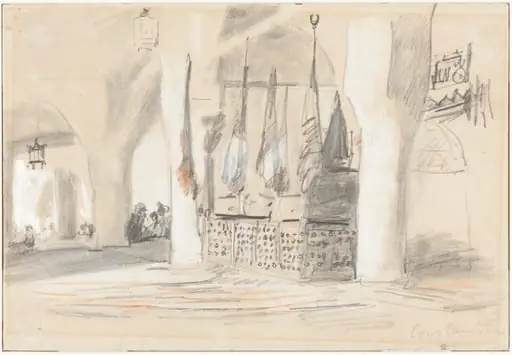
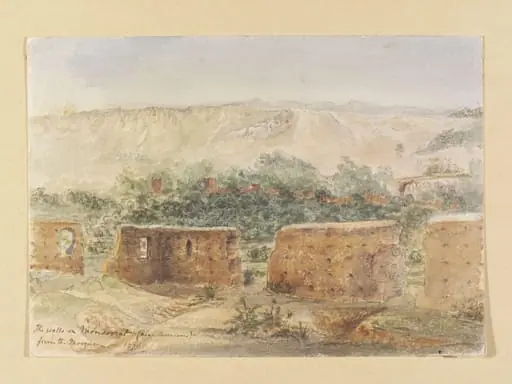
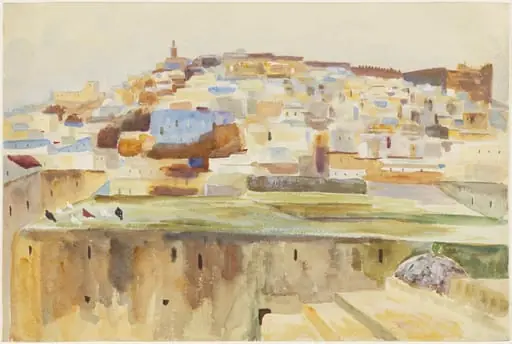
Walls of a North African City is a graphite drawing by the Romanticist artist Hercules Brabazon Brabazon. It dates from 1864 and is held in the collection of the National Gallery of Art.
About this work
Overview
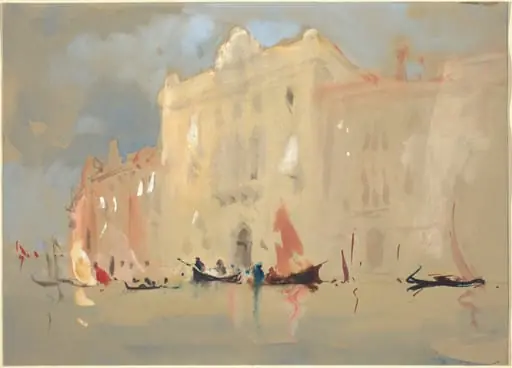
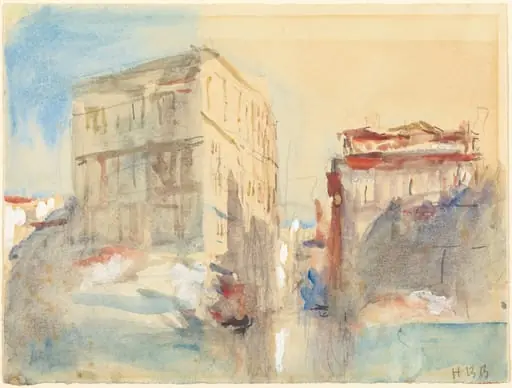
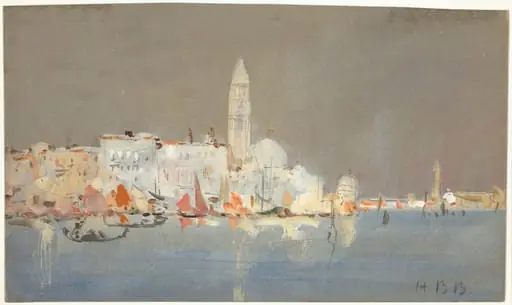
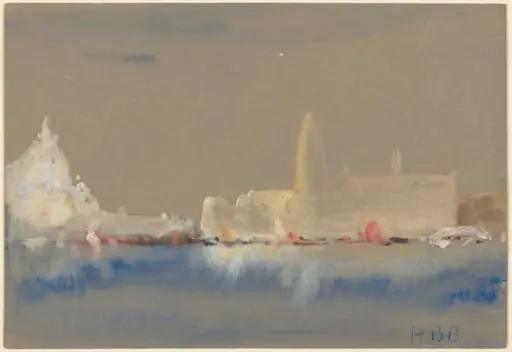
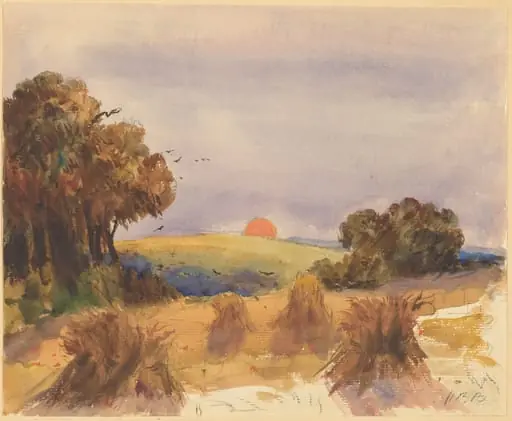
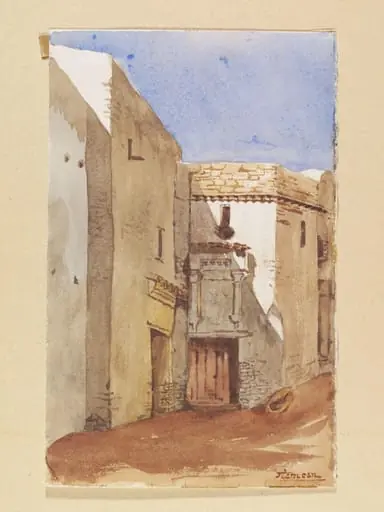
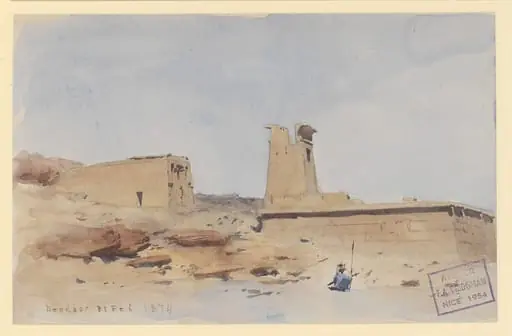
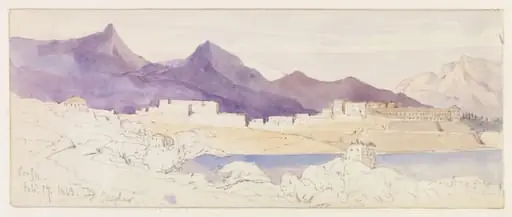
Created in 1864, this drawing by English artist Hercules Brabazon Brabazon is executed in watercolor over graphite on laid paper. It belongs to a series of works produced during his travels in North Africa, where he observed and recorded architectural forms with quiet precision. The piece exemplifies his technical command of watercolor and his interest in documenting non-European landscapes.
Subject & Meaning
The drawing depicts the fortified walls of a North African urban settlement, likely drawn from direct observation. Rather than emphasizing grandeur or exoticism, the focus rests on texture, scale, and the quiet endurance of masonry. The absence of figures or narrative suggests an interest in structure and atmosphere over storytelling, aligning with a topographical rather than romantic approach.
Technique & Style
Brabazon layered translucent watercolor washes over delicate graphite underdrawing to suggest light, shadow, and surface variation.
Brabazon layered translucent watercolor washes over delicate graphite underdrawing to suggest light, shadow, and surface variation. The paper’s laid texture subtly informs the rendering, enhancing the sense of weathered stone. His method avoids dramatic contrasts, favoring muted tones and restrained brushwork that echo the influence of Turner’s atmospheric handling, though applied with greater restraint.
History & Provenance
The work was produced during Brabazon’s travels in the 1860s, a period when British artists increasingly engaged with North African and Middle Eastern subjects. It remained in private hands for much of the 20th century before entering a public collection. No record indicates it was exhibited during the artist’s lifetime, suggesting it was likely a personal study rather than a commissioned piece.
Context
In mid-19th century Britain, travel to North Africa was becoming more accessible, inspiring artists to document unfamiliar architecture. Brabazon’s work reflects this trend, though he avoided sensationalism common in Orientalist painting. His focus on architectural form aligns with a broader movement among watercolorists to treat landscape as a subject worthy of careful, observational study.
Legacy
Though not widely known today, Brabazon’s North African drawings contributed to a quieter, more documentary strand of British watercolor. His approach influenced later topographical artists who prioritized accuracy and tonal nuance over dramatic effect. These works remain valuable as records of 19th-century visual engagement with North African urban environments.
Artist & collection
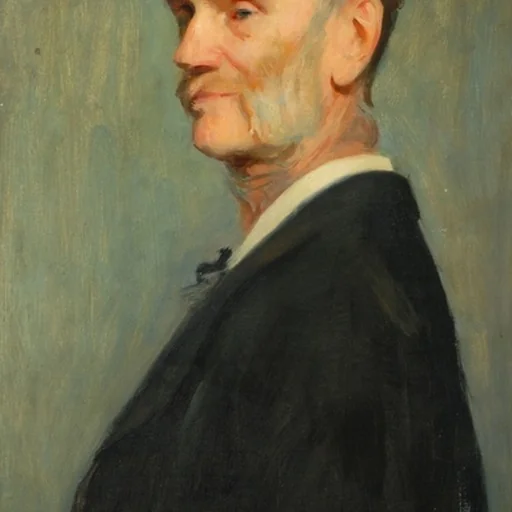
Artist
Hercules Brabazon Brabazon (born Hercules Brabazon Sharpe; 27 November 1821 – 14 May 1906) was an English artist, accomplished in Turner-manner watercolours.