Artwork
A Few Leaves from the Newly-Invented Process of "Nature-Printing"
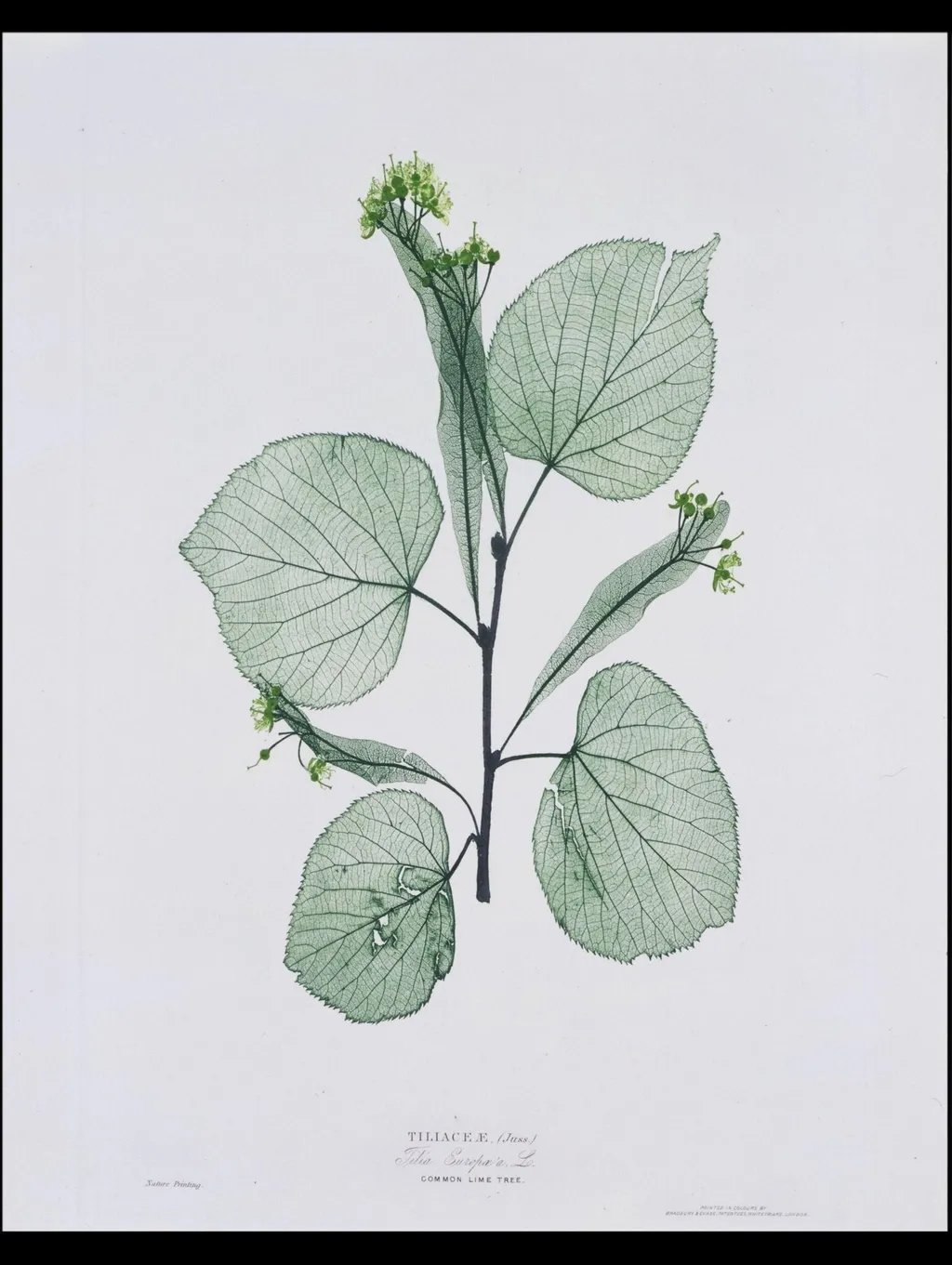
A Few Leaves from the Newly-Invented Process of "Nature-Printing" is a print by the Impressionist artist Henry Bradbury. It dates from 1854 and is held in the collection of the Victoria and Albert Museum.
About this work
Overview
Published in 1854, this volume by Henry Bradbury introduced nature printing to a technical audience through 21 plates of botanical specimens.
Published in 1854, this volume by Henry Bradbury introduced nature printing to a technical audience through 21 plates of botanical specimens. Designed without textual commentary, it functioned as a demonstration of the technique’s precision, showcasing how direct impressions from real leaves could capture fine venation and texture. Bradbury, trained under Alois Auer in Vienna, adapted Auer’s method to produce these prints, positioning them as a novel alternative to hand-drawn botanical illustration.
Subject & Meaning
The plates depict actual leaves, rendered with scientific accuracy but without the depth or shading typical of traditional illustrations. Their flattened appearance mirrors herbarium specimens, emphasizing structural detail over aesthetic idealization. The absence of text reinforces their role as visual evidence—intended to prove the method’s fidelity to nature rather than to educate or interpret. The selection of common flora suggests an emphasis on accessibility and reproducibility.
Technique & Style
Nature printing involved pressing plants directly onto soft metal plates, creating a relief impression that was then inked and printed. Bradbury applied three colors à la poupée—each pigment dabbed by hand onto different areas of the same plate—resulting in subtle blends where hues met. This method avoided the hard edges of layered printing, yielding naturalistic gradations. The process preserved microscopic textures, but the final image remained two-dimensional, rejecting illusionism in favor of literal transcription.
History & Provenance
Bradbury produced this volume shortly after learning the technique from Alois Auer at the Imperial Printing Office in Vienna. Released in 1854, it preceded other major nature-printed works such as Moore’s Ferns (1855) and Johnstone’s Sea-weeds (1859). The Victoria and Albert Museum holds one of the original prints, preserving its status as an early example of the method. Bradbury’s death in 1860 halted further development, but his publication catalyzed interest in botanical printing across Europe.
Context
In mid-19th-century Britain, scientific illustration relied heavily on hand-engraved plates, a slow and subjective process. Nature printing offered a mechanical alternative that promised objectivity and speed. Though not widely adopted for mass production, it appealed to naturalists seeking faithful records. The technique emerged alongside advances in photography and lithography, yet differed by using organic material as the printing matrix rather than a drawn or chemical image.
Legacy
Bradbury’s volume did not lead to the widespread replacement of traditional botanical art, but it established nature printing as a credible method for scientific documentation. Its influence is seen in later specialized publications and in the enduring interest in direct impressions from natural forms. Though overshadowed by photography, the technique remains a notable chapter in the history of printmaking, valued for its unique fusion of natural specimen and mechanical reproduction.
Artist & collection

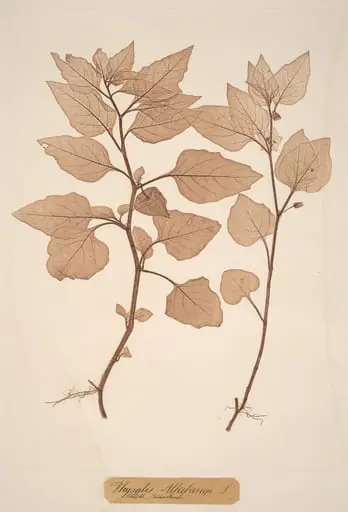 Physalis Alkekengi
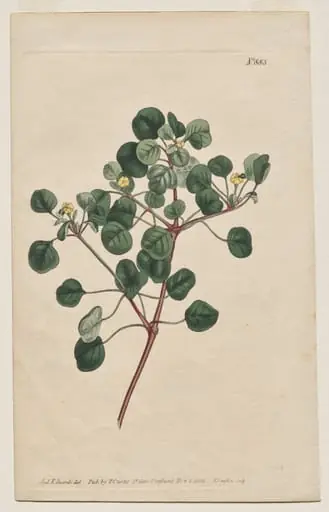 The Botanical Magazine or Flower Garden Displayed: Plate 883, Euphorbia Petiolaris. Long -Stalked Spurge
![The Botanical Magazine or Flower Garden Displayed: Plate 931, Phytolacca Decandra. Virginian Poke. [Phytolaca Americana], by Francis Sansom](https://artifactworldgallery.com/img/francis-sansom--the-botanical-magazine-or-flower-garden-displayed-plate-931--48fc90ee9c4aee5c-w320.webp) The Botanical Magazine or Flower Garden Displayed: Plate 931, Phytolacca Decandra. Virginian Poke. [Phytolaca Americana]
The Botanical Magazine or Flower Garden Displayed: Plate 931, Phytolacca Decandra. Virginian Poke. [Phytolaca Americana]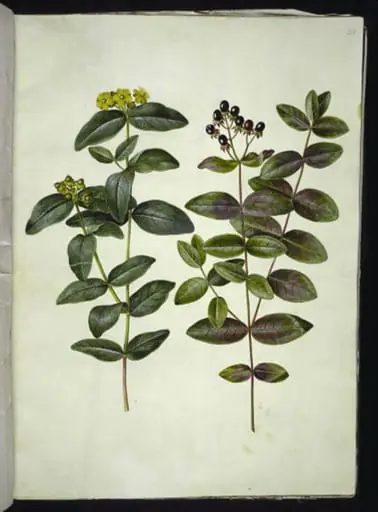 Hypericum androsaemum (bær-perikon)
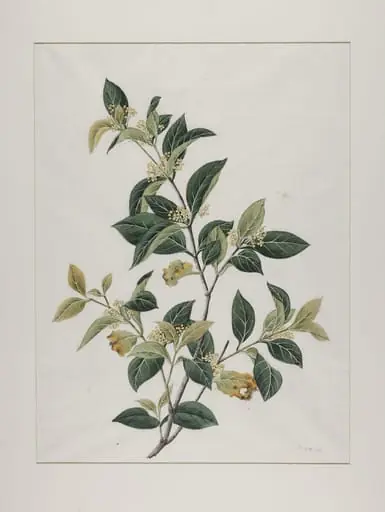 Mock lime (aglaia odorata), zhen zhu lan or mi zi lan
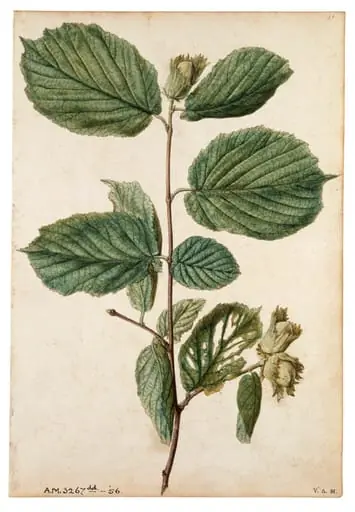 Cob-nut
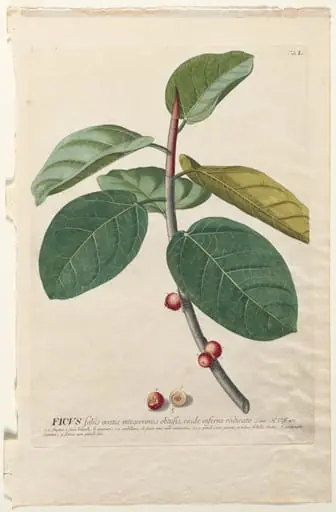 Plantae Selectae: No. 50 - Ficus
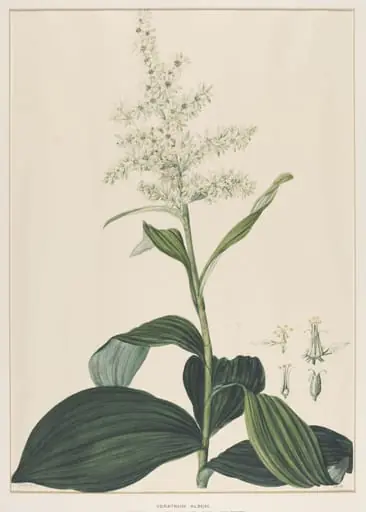 Veratrum Album
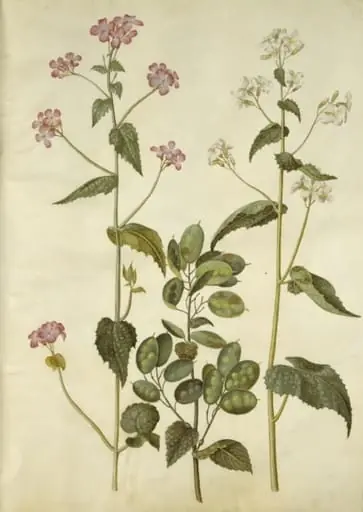 Lunaria annua (judaspenge)
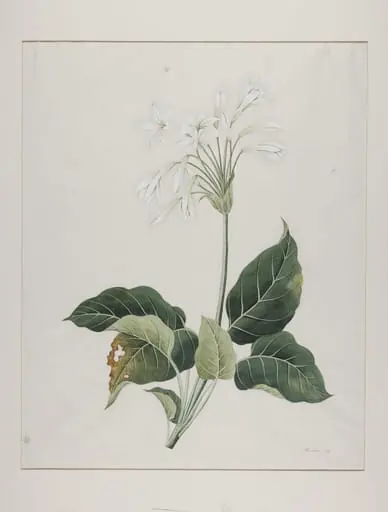 Fragrant plantain lily (hosta plantaginea), yu zan