Artwork
Physalis Alkekengi
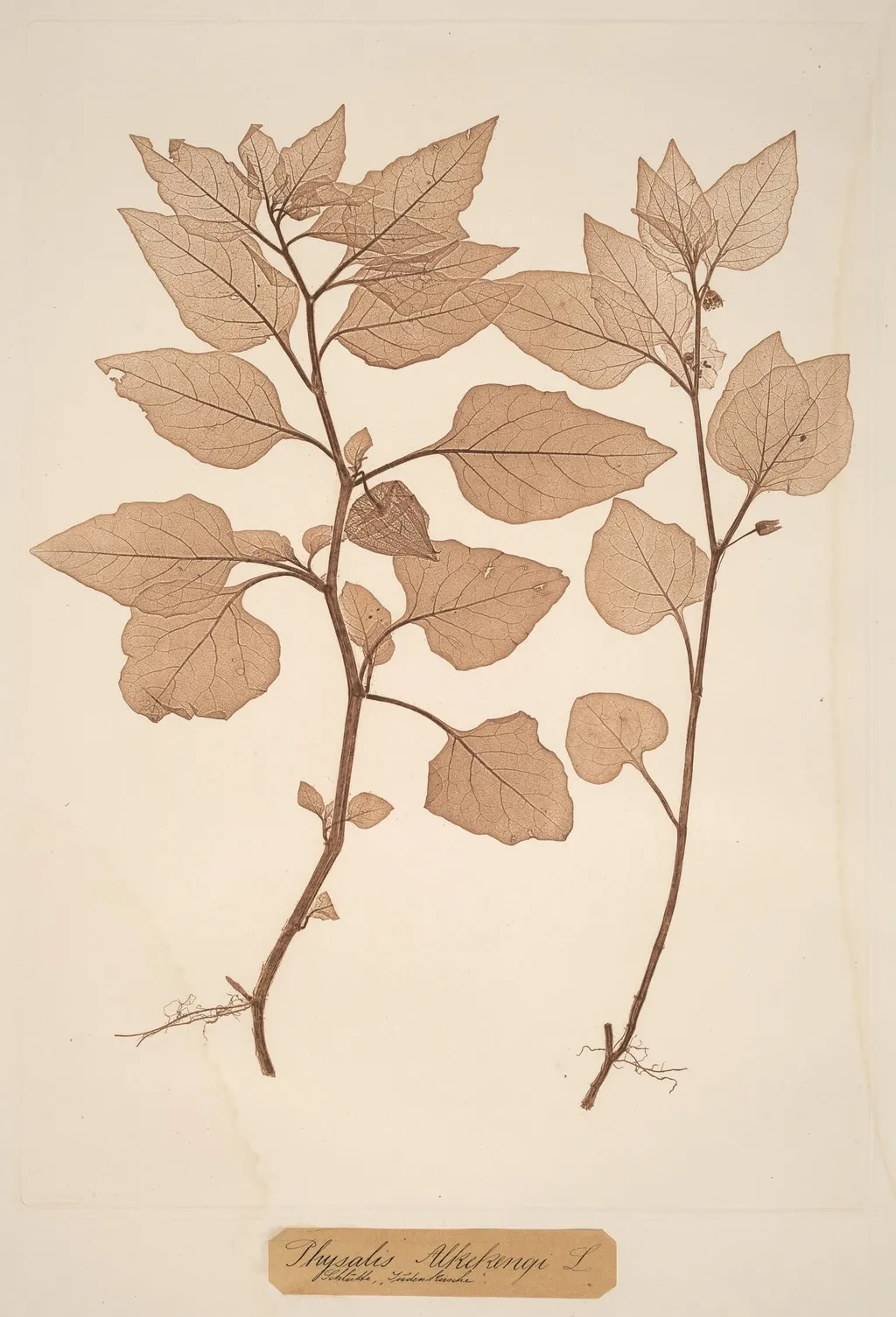
Physalis Alkekengi is an ink print by the Impressionist artist Alois Pokorny. It dates from 1856 and is held in the collection of the National Gallery of Art.
About this work
The artist pressed the actual plant between metal plates, then printed it.
You see a delicate Physalis alkekengi plant pressed onto paper. Its lantern-like orange husks glow in soft brown ink. The leaves and stems are sharp, like real.
This isn’t just a drawing. The artist pressed the actual plant between metal plates, then printed it. A rare mix of nature and printmaking in 1856.
Look closer at the edges. Tiny cross-hatching gives depth where the plant lifts off the page.
Overview
Physalis Alkekengi is a unique print created by Alois Pokorny in 1856, utilizing a distinctive natural printing process. The work captures the intricate details of the Alkekengi officinarum plant.
Subject & Meaning
The subject of the print is the Physalis alkekengi plant, accurately rendered through a process that incorporates the actual plant material. The depiction highlights the plant's characteristic lantern-like orange husks, leaves, and stems with remarkable fidelity.
Technique & Style
Pokorny employed a novel technique for the time, pressing the dried plant between copper and lead plates. The lead plate was then electroplated, and the image was printed in brown ink using an intaglio method. Subtle cross-hatching at the edges enhances the illusion of depth.
History & Provenance
Created in 1856, Physalis Alkekengi represents an early example of combining natural elements with intaglio printmaking. The specific provenance and exhibition history of this piece are not detailed in available information.
Context
This work reflects 19th-century innovations in printmaking and a growing interest in botanical accuracy. It blends artistic expression with scientific observation, characteristic of the period's intersection of art and natural history.
Legacy
Physalis Alkekengi contributes to the development of experimental printmaking techniques that integrate natural materials. Its influence can be seen in later movements exploring the intersection of nature and print art, though its direct impact is not widely documented.
Artist & collection


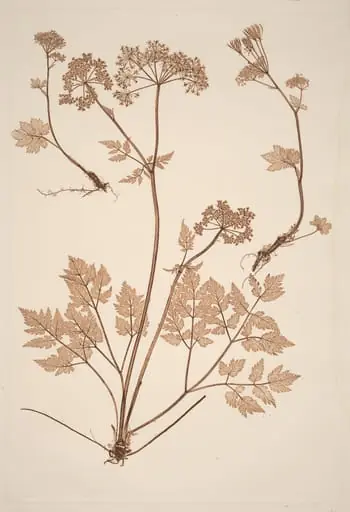 Chaerophyllum hirsistum
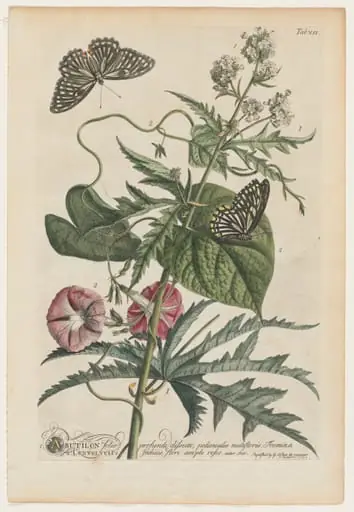 Plantae et papiliones rariores: No. 7
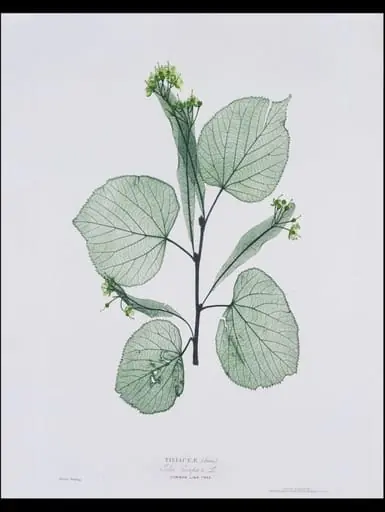 A Few Leaves from the Newly-Invented Process of "Nature-Printing"
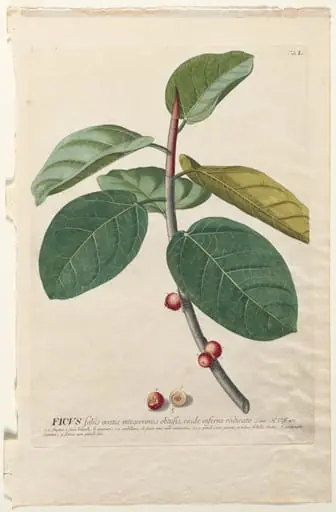 Plantae Selectae: No. 50 - Ficus
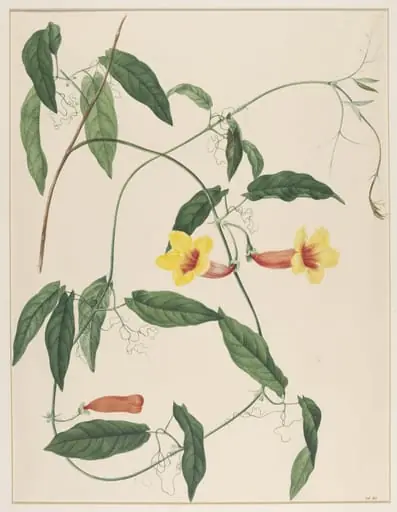 Bignonia Capreolata
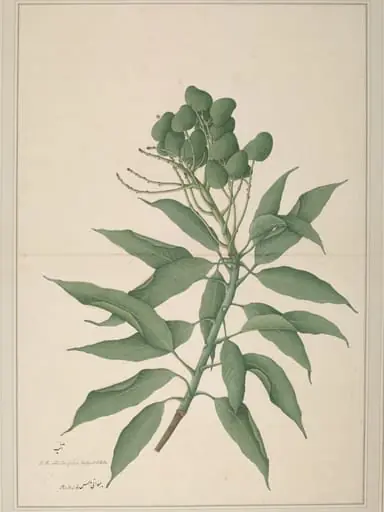 A branch of a mango tree ('Mangifera Indica') bearing unripe fruits
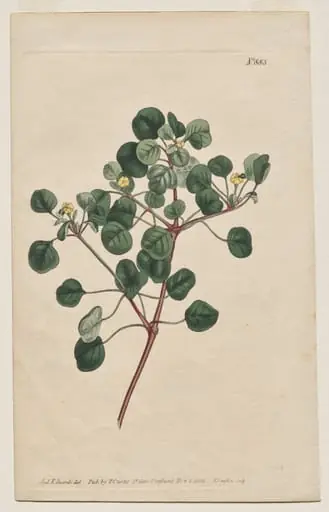 The Botanical Magazine or Flower Garden Displayed: Plate 883, Euphorbia Petiolaris. Long -Stalked Spurge
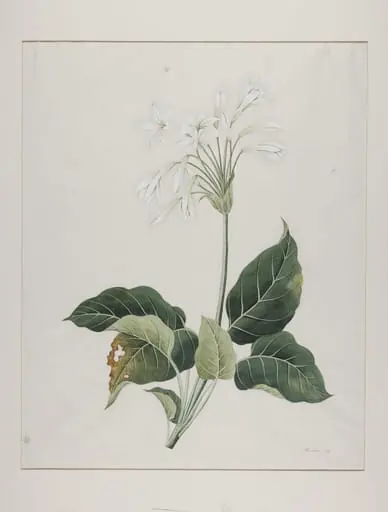 Fragrant plantain lily (hosta plantaginea), yu zan
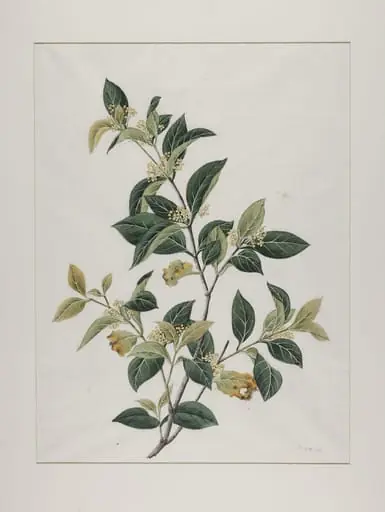 Mock lime (aglaia odorata), zhen zhu lan or mi zi lan