Artwork
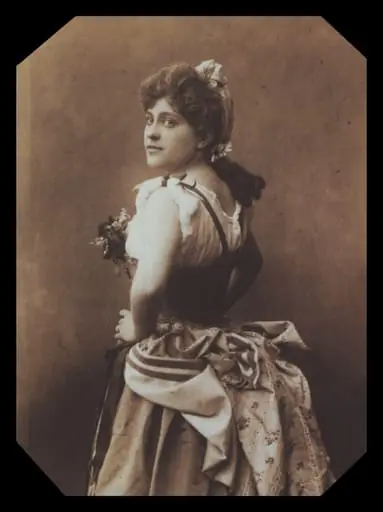
Guy Little Theatrical Photograph
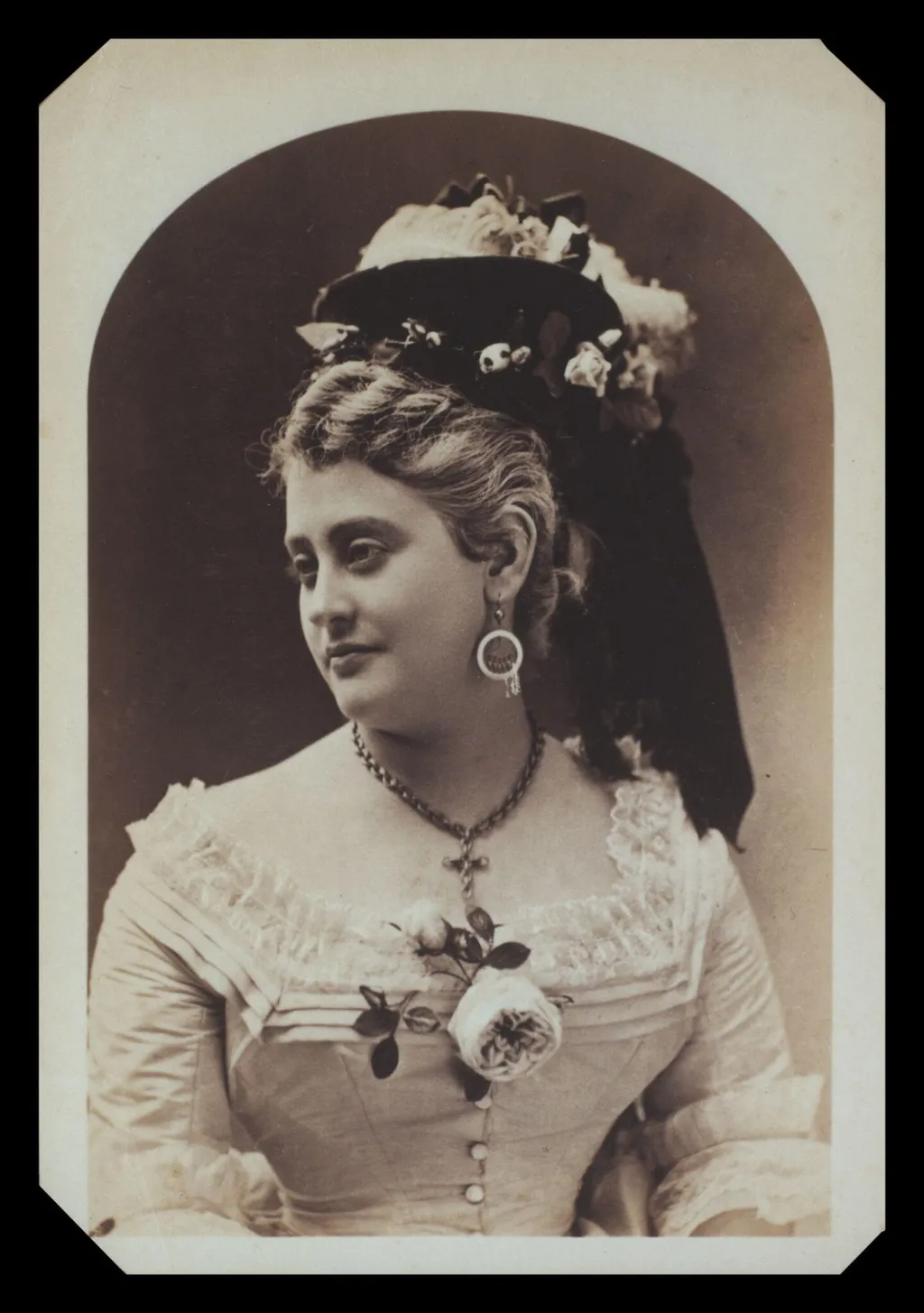
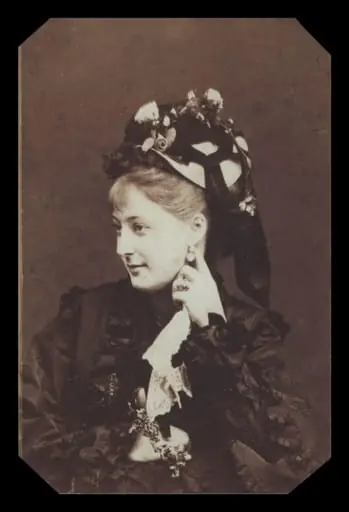
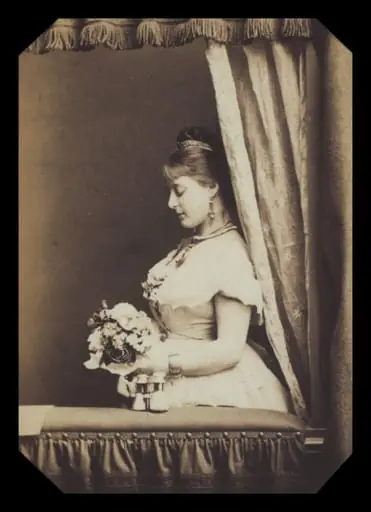
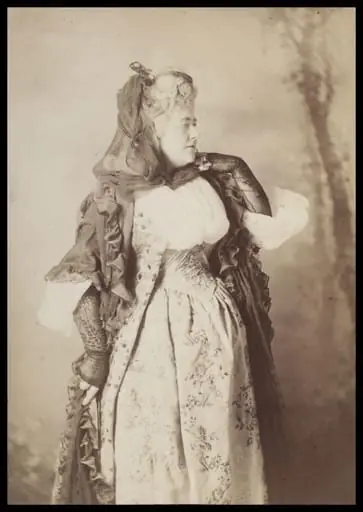
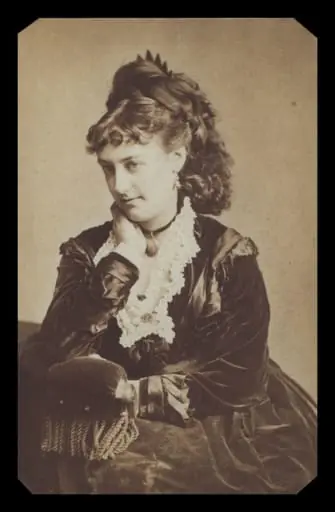
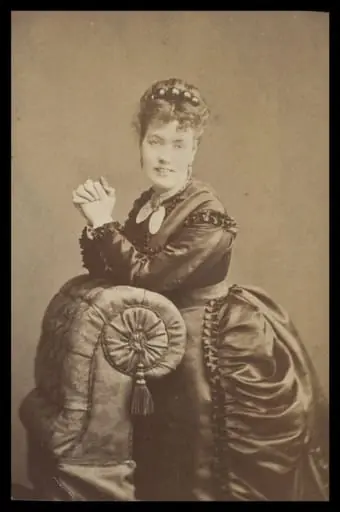
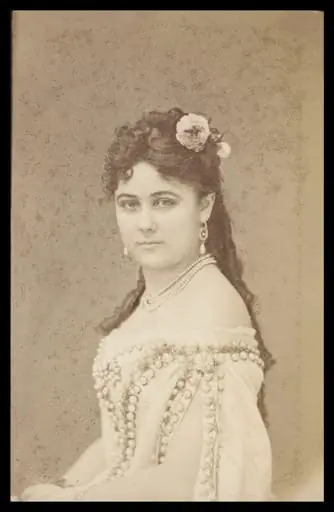
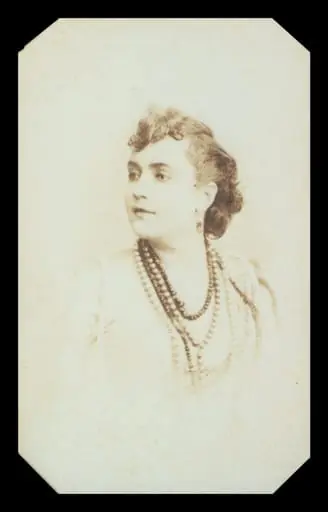
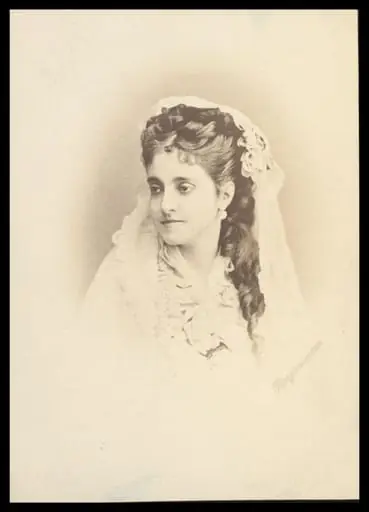
Guy Little Theatrical Photograph is a photographic photography by the Impressionist artist Bradley & Philips. It dates from 1875 and is held in the collection of the Victoria and Albert Museum. This photograph depicts Rose Cullen, a 19th-century actor, in a studio portrait.
About this work
Overview
This photograph depicts Rose Cullen, a 19th-century actor, in a studio portrait. It exemplifies the popular Victorian-era practice of creating theatrical photographs for public distribution.
Subject & Meaning
Rose Cullen is the subject, presented in a manner reflecting the theatrical portraiture trends of her time. Such images served as a form of promotional material and collectible for fans.
Technique & Style
The photograph, attributed to the studio Bradley & Philips, is an albumen print from a glass negative, mounted on stiff card backing—a standard format for 'cartes de visite' and 'cabinet cards' during the late 19th century.
History & Provenance
Originally part of a large collection of theatrical 'cartes de visite' and 'cabinet cards', it was collected by Guy Tristram Little, later bequeathed to the Victoria and Albert Museum (V&A) as part of his estate.
Context
Produced during the heyday of 'cartes de visite' (patented 1854, popular 1860s) and the subsequent rise of 'cabinet cards' (late 1870s), this photograph reflects Victorian fascination with photography as a novel medium for celebrity portraiture and collectibles.
Legacy
Now housed at the V&A, it contributes to the museum’s extensive Theatre Collections, initially founded on the theatrical collection of Mrs. Gabrielle Enthoven, for whom Guy Little acted as solicitor and executor.
Artist & collection
Artist
Bradley & Philips ran London’s most sought-after portrait studio in the 1870s, printing actors’ faces on stiff cards the size of playing cards so fans could slip them into albums or pin them to walls.