Artwork
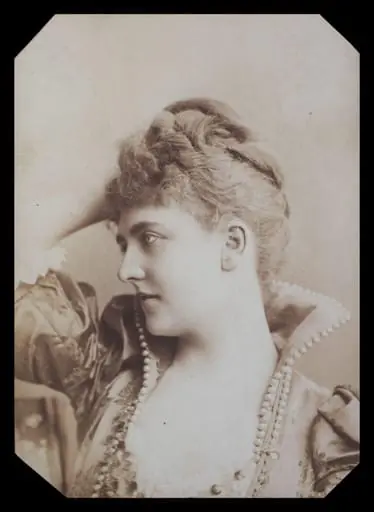
Guy Little Theatrical Photograph
Guy Little Theatrical Photograph is a photographic photography by the Impressionist artist Elliott & Fry. It dates from 1875 and is held in the collection of the Victoria and Albert Museum.
About this work
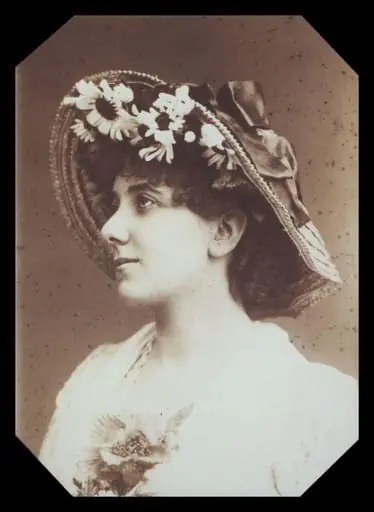
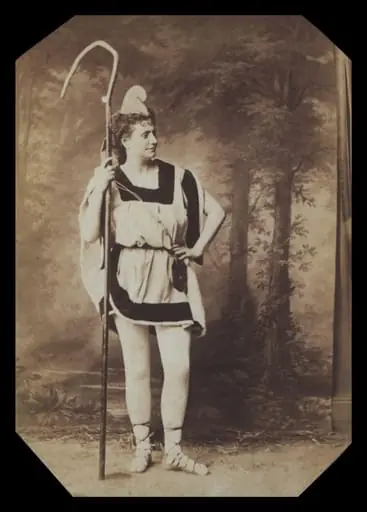
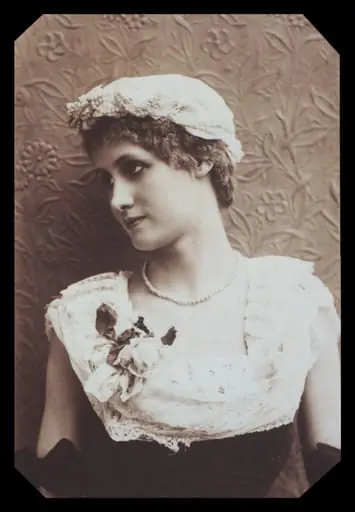
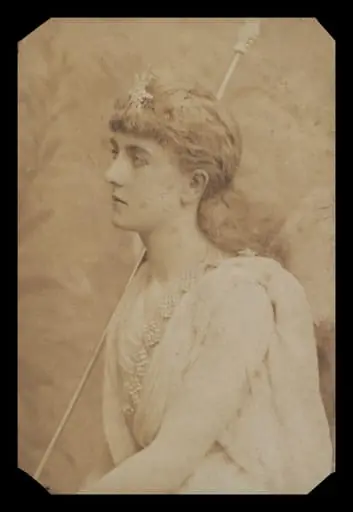
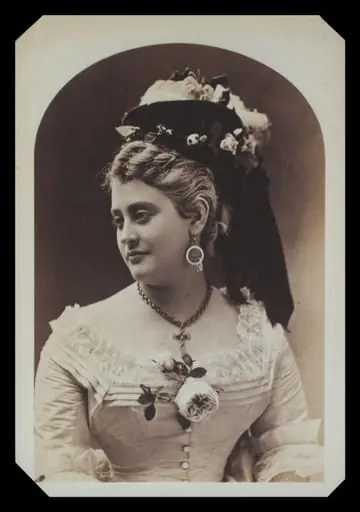
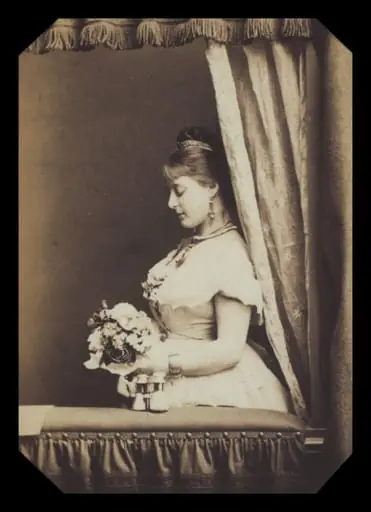
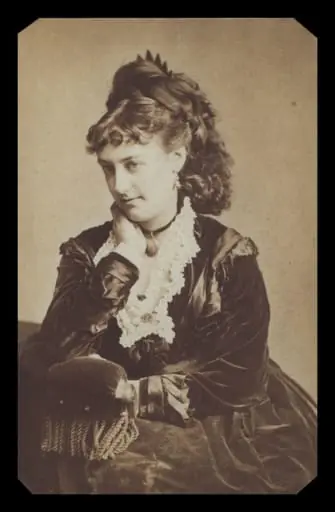
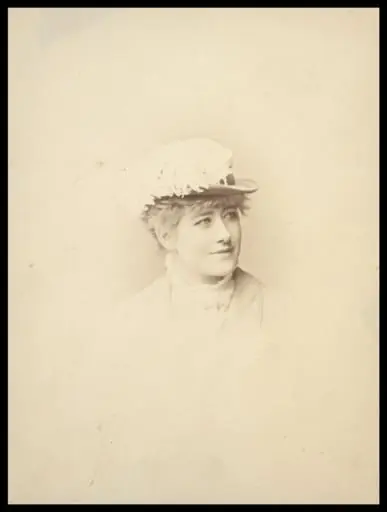
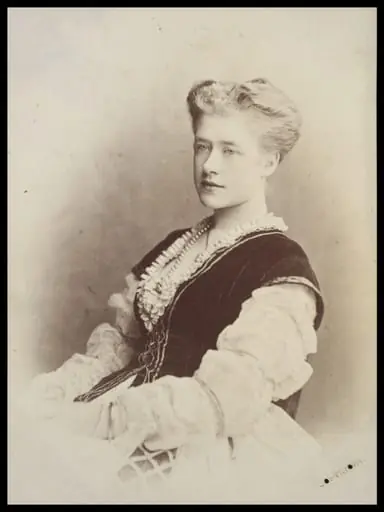
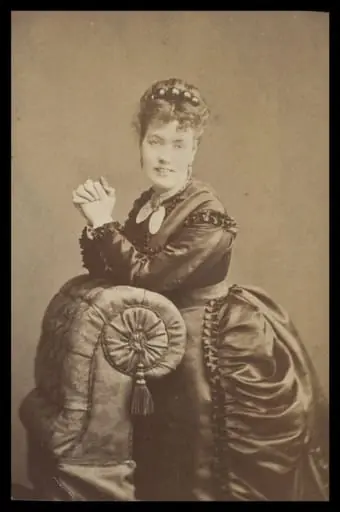
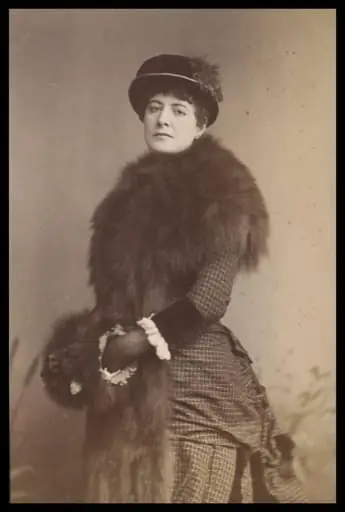
This is a portrait photo made around 1875. It’s by Elliott & Fry, a studio that took many actor photos on stiff cards. The image shows Rose Cullen, an actress from that time.
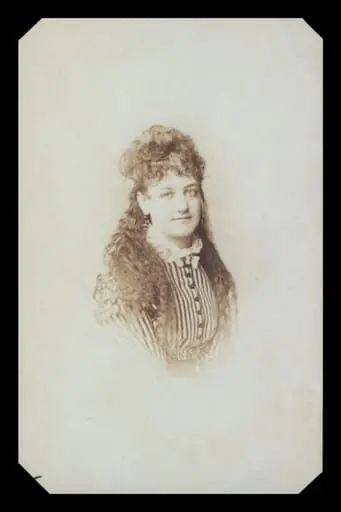
Early photos like this were albumen prints on card. They were called “cartes de visite” first, then later “cabinet cards.” People collected them like trading cards today.
If you like this style, look up Elliott & Fry.
Overview
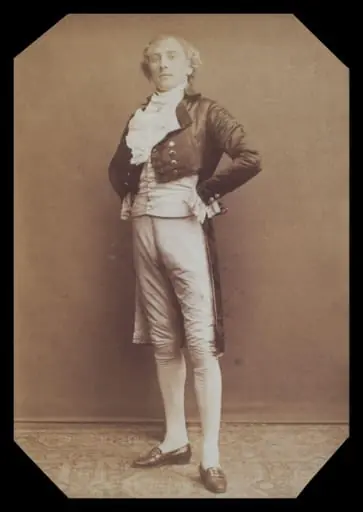
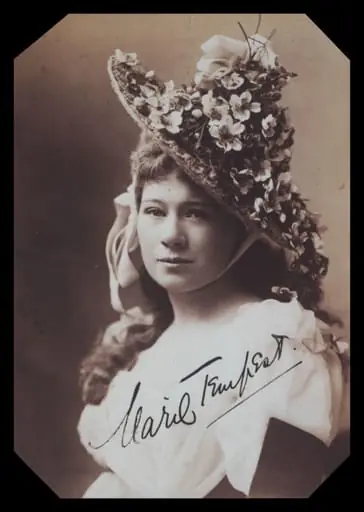
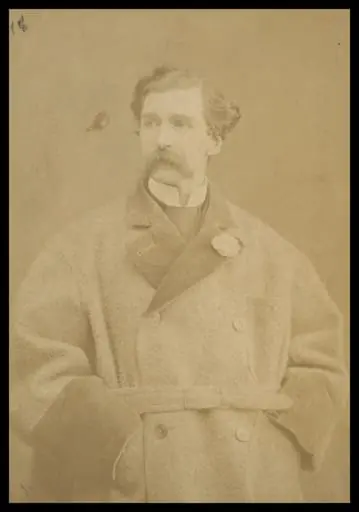
This photograph of actress Rose Cullen, taken circa 1875, belongs to a collection assembled by Guy Tristram Little, a solicitor and avid collector of ephemera.
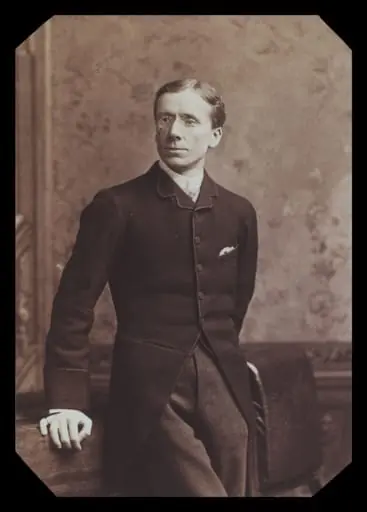
This photograph of actress Rose Cullen, taken circa 1875, belongs to a collection assembled by Guy Tristram Little, a solicitor and avid collector of ephemera. Produced by the London studio Elliott & Fry, it is an albumen print mounted on card, characteristic of the cabinet card format that succeeded the smaller carte de visite. Little later removed such images from their original backings and bound them into albums, preserving them as a personal archive of theatrical portraiture.
Subject & Meaning
Rose Cullen was a stage actress active in the Victorian theatre scene. Her portrait, posed in everyday attire rather than costume, reflects the common practice of capturing performers as public figures beyond their roles. These images served both as personal mementos and as cultural artifacts, allowing audiences to connect with actors outside the theatre, blurring the line between private identity and professional persona.
Technique & Style
The photograph is an albumen print, a dominant photographic process of the era, made from a glass negative and coated onto paper before being mounted on a stiff card. Elliott & Fry, known for their sharp studio lighting and formal compositions, employed this method to produce consistent, high-quality portraits. The card’s backing, though now detached, would have originally borne the studio’s imprint, signaling authenticity and professional provenance.
History & Provenance
The image was part of a larger assemblage collected by Guy Tristram Little, who inherited and expanded upon the theatrical archive of Mrs. Gabrielle Enthoven. Little, a partner in a legal firm, meticulously organized these photographs into albums, preserving them for posterity. Upon his death in 1953, the collection was bequeathed to the Victoria and Albert Museum, forming a key component of its Theatre and Performance holdings.
Context
During the 1870s, cabinet cards replaced the smaller carte de visite as the preferred format for portrait photography, offering greater detail and durability. Their popularity coincided with rising middle-class interest in celebrity culture and domestic display. Theatrical portraits like this one were widely traded and collected, functioning as visual tokens of public admiration and social engagement with the performing arts.
Legacy
Little’s collection, now held by the V&A, provides a rare, intact record of Victorian theatrical portraiture. By preserving these images outside their original commercial context, he enabled scholarly study of performance culture, photographic practices, and the evolving relationship between actors and their audiences. The archive remains a vital resource for understanding 19th-century visual and theatrical history.
Artist & collection
Artist
These London guys snapped the 19th century’s biggest stars in quick, bright portraits you’d see outside the stage door.