Artwork
H Beard Print Collection
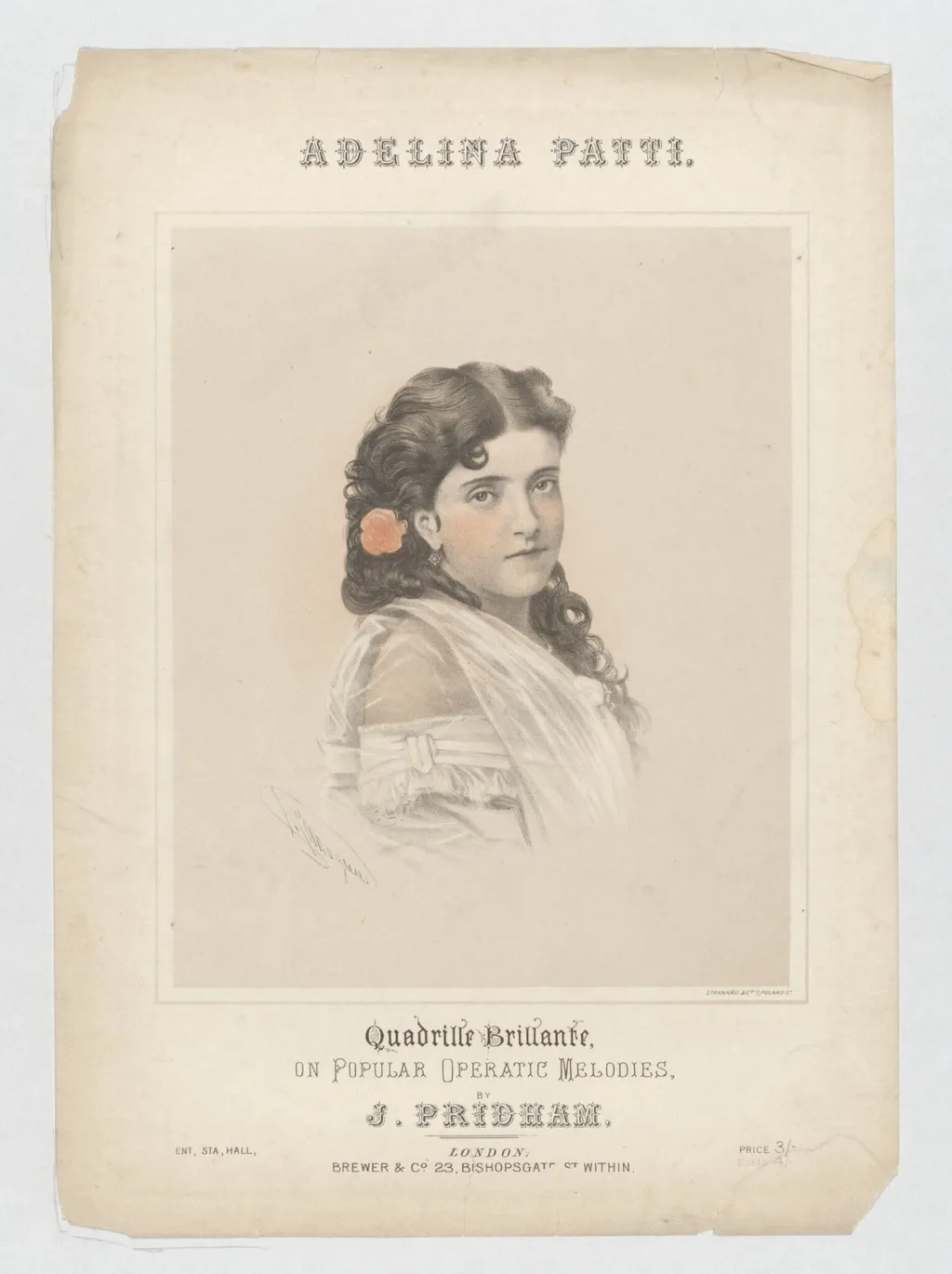
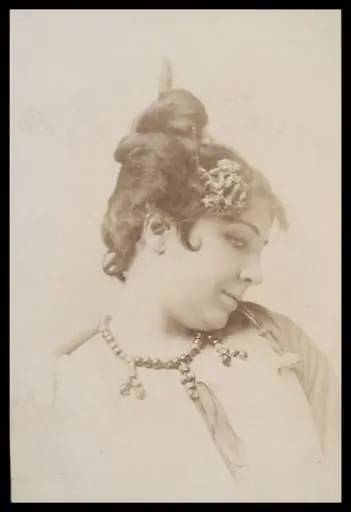
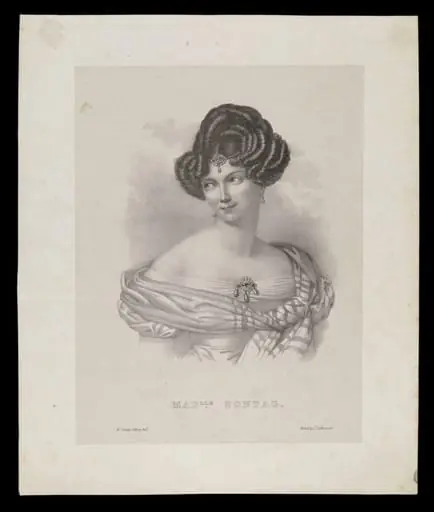
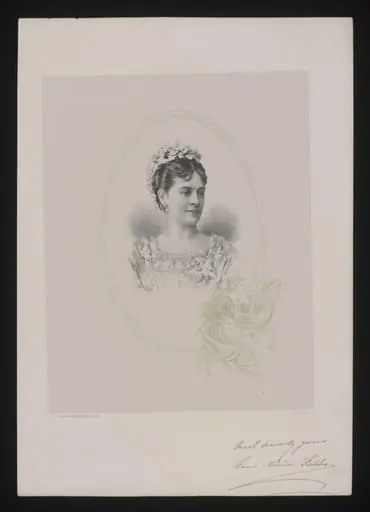
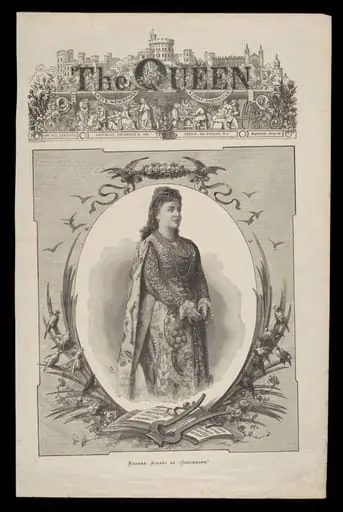
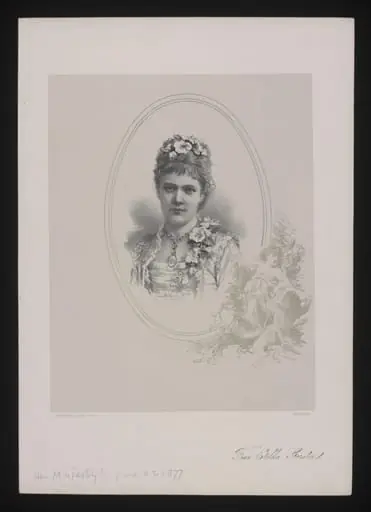
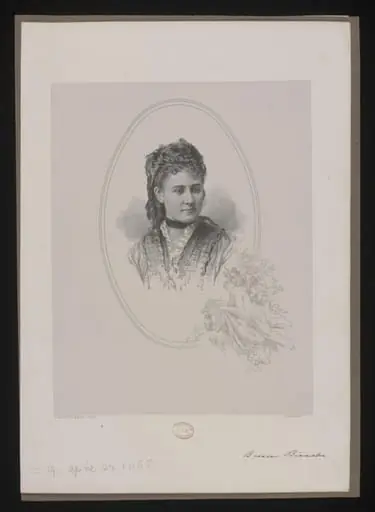
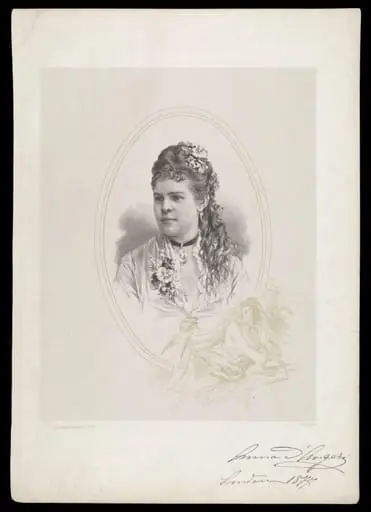
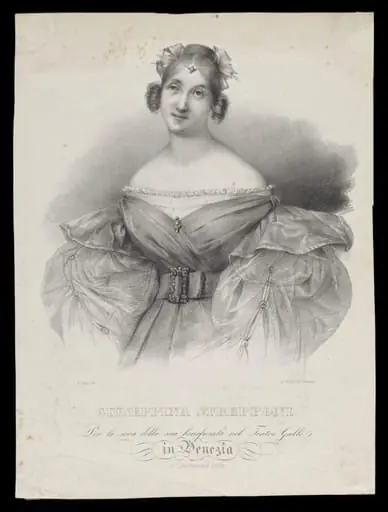
H Beard Print Collection is a print by Brewer & Co.. It dates from 1850 and is held in the collection of the Victoria and Albert Museum. This print is a color illustration from the mid-19th century, featuring the operatic soprano Adelina Patti.
About this work
Overview
This print is a color illustration from the mid-19th century, featuring the operatic soprano Adelina Patti. It was produced by Brewer & Co. as the cover for a piano arrangement titled 'Quadrille Brillante on Popular Operatic Melodies' by J. Pridham. The image belongs to the H Beard Print Collection, a compilation of sheet music covers documenting popular musical culture of the era.
Subject & Meaning
Adelina Patti, one of the most celebrated sopranos of the 19th century, is depicted in an idealized portrait, reflecting her status as a cultural icon. Her presence on the sheet music cover served both to advertise the composition and to capitalize on her fame, linking the performer’s image with the music’s appeal to amateur musicians and opera enthusiasts of the time.
Technique & Style
The print employs chromolithography, a color printing technique common in the Victorian era for mass-producing illustrated sheet music. Bold outlines, vibrant hues, and stylized facial features characterize the image, blending theatrical elegance with commercial appeal. The background is minimally detailed, focusing attention on Patti’s poised figure and ornate attire.
History & Provenance
Created by Brewer & Co., a known publisher of musical illustrations, the print was likely issued in the 1860s or 1870s during Patti’s peak popularity. It entered the H Beard Print Collection, assembled by the British music historian and collector Henry Beard, and is now held by the Victoria and Albert Museum as part of its archive of printed music ephemera.
Context
During the mid-1800s, sheet music covers often featured portraits of famous performers to drive sales among middle-class households. Patti’s image on this cover reflects the growing intersection of celebrity culture and domestic music-making. Similar covers appeared for other stars, turning sheet music into both a musical and visual artifact of Victorian social life.
Legacy
The print survives as a tangible record of how opera stars were marketed in the pre-recording era. It illustrates the commercial strategies of music publishers and the public’s fascination with performers. Today, such items offer insight into the social rituals of music consumption and the visual language of 19th-century popular culture.
Artist & collection
Artist
They made prints for British audiences in the 19th century, often showing everyday scenes in crisp lines and shaded tones.