Artwork
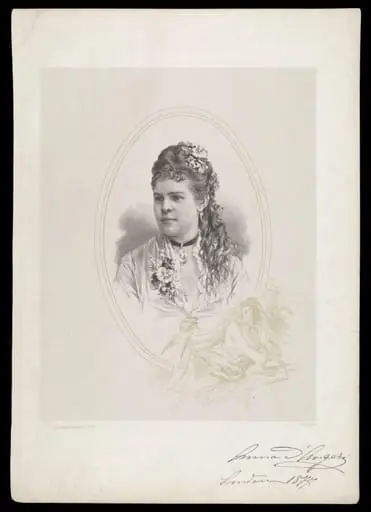
Frau Etelka Gerster
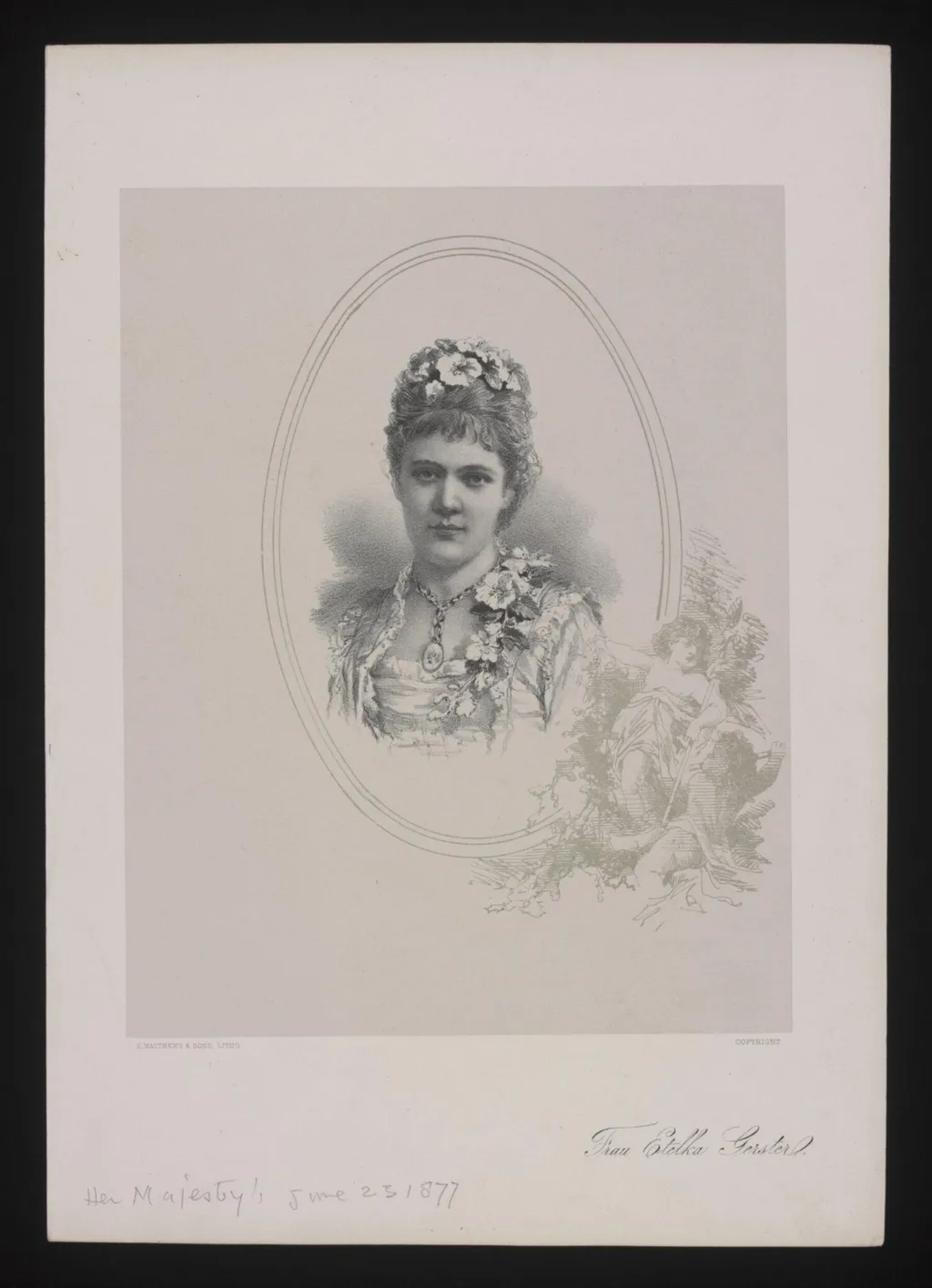
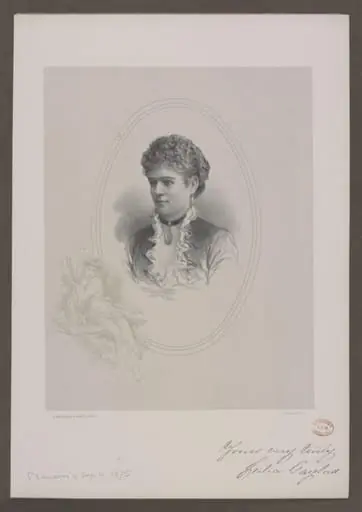
Frau Etelka Gerster is a print by E. Matthews & Sons. It dates from 1850 and is held in the collection of the Victoria and Albert Museum.
About this work
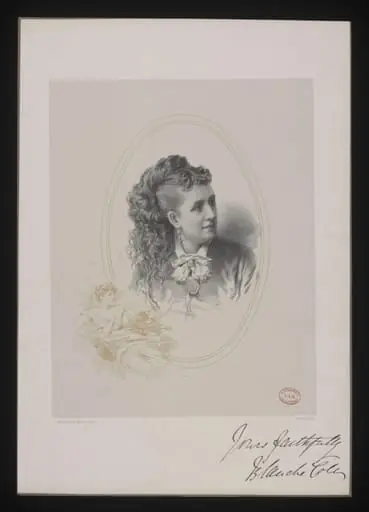
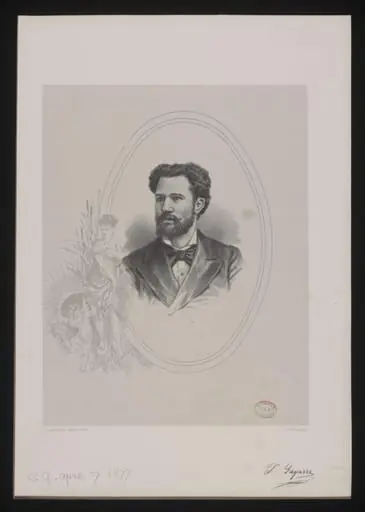
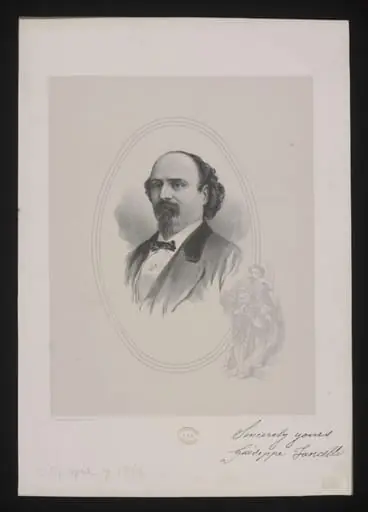
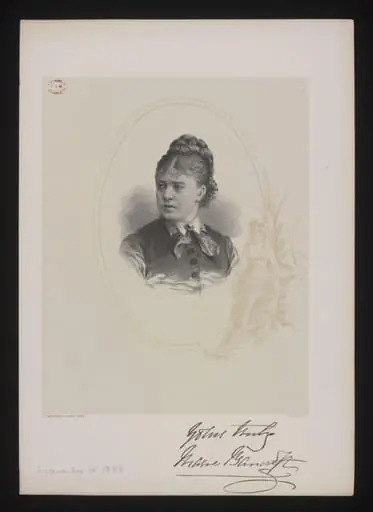
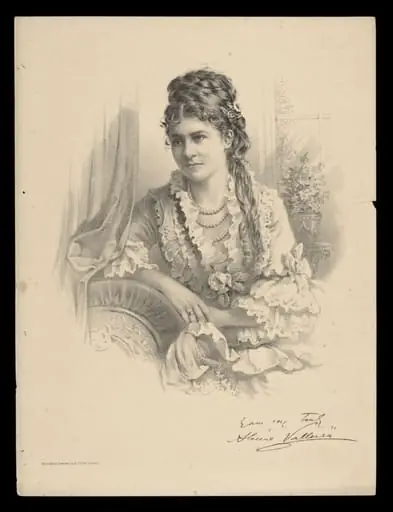
This is a portrait of Frau Etelka Gerster.
The print was made by E. Matthews & Sons in the 19th century. It's interesting that the Victoria and Albert Museum has this print in their collection, which suggests it has some historical or cultural significance.
You can learn more about this type of print and its historical context by looking up the Victoria and Albert Museum.
Overview
This 19th-century print depicts Frau Etelka Gerster, a Hungarian singer known for her performances in opera and concert halls. Produced by E. Matthew & Sons, a London-based firm specializing in reproductive prints, the image was likely distributed as a commercial portrait to satisfy public interest in prominent musical figures of the era.
Subject & Meaning
Etelka Gerster was a celebrated contralto whose stage presence attracted audiences across Europe. The print captures her in formal attire, conveying dignity and artistic stature. Rather than a personal memento, the image served as a public representation, reinforcing her status as a cultural figure and offering admirers a tangible connection to her artistry.
Technique & Style
The print was made using lithographic methods, common for mass-produced portraits in the 1800s. Lines are crisp, tonal gradations are subtle, and the composition is centered and formal, typical of commercial portraiture. The absence of color suggests it was intended for wide distribution, prioritizing clarity and affordability over decorative elaboration.
History & Provenance
The Victoria and Albert Museum acquired the print as part of its broader collection of 19th-century graphic arts. Its inclusion reflects the institution’s interest in documenting popular visual culture and the intersection of music, media, and public identity during the Victorian era. The print’s survival indicates its circulation beyond private ownership into institutional archives.
Context
In the 19th century, printed portraits of performers were widely circulated as part of a growing consumer culture. As opera gained popularity, images of singers like Gerster became commodities, sold in print shops and displayed in homes. This print exemplifies how music and visual media converged to shape public perception of artists outside the concert hall.
Legacy
Though Gerster’s name is less known today, the print endures as evidence of how performers were visually memorialized before photography became dominant. Its preservation in a major museum underscores the value placed on ephemeral cultural artifacts that once mediated public admiration and shaped artistic reputations in pre-modern media landscapes.
Artist & collection
Artist
E. Matthews & Sons ran a print shop in Victorian London where opera singers and actors lined up to sit for their portraits. The family cranked out crisp black-and-white lithographs that looked like they’d been sketched…