Artwork
Stânci la mare
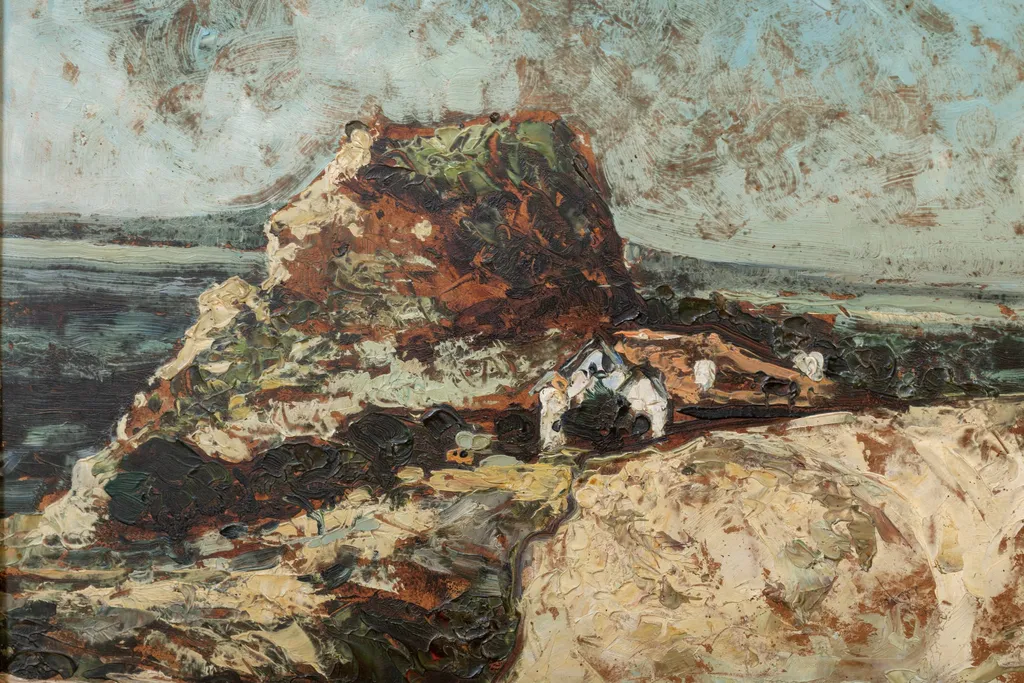
Stânci la mare is an unspecified painting by Otto Briese. It dates from 1850 and is held in the collection of the Moldova National Museum Complex.
About this work
Overview
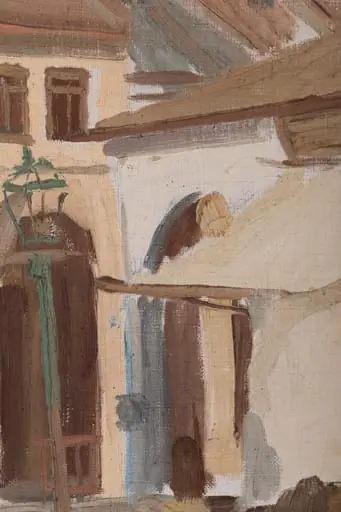
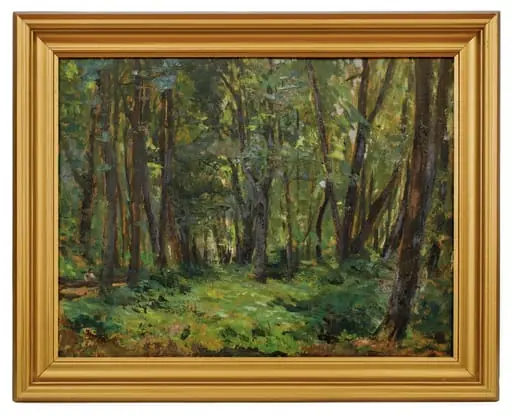
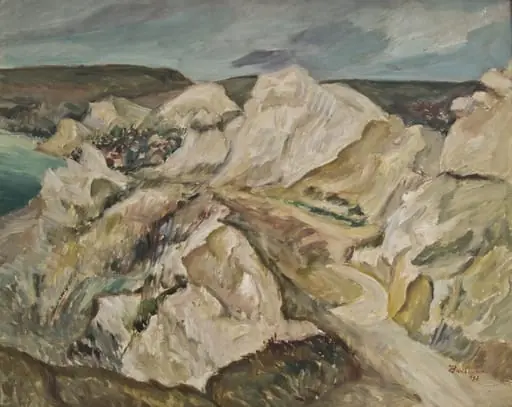
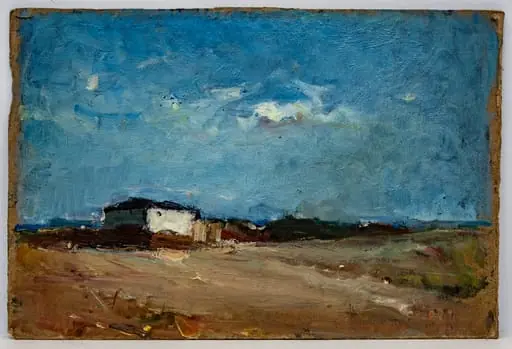
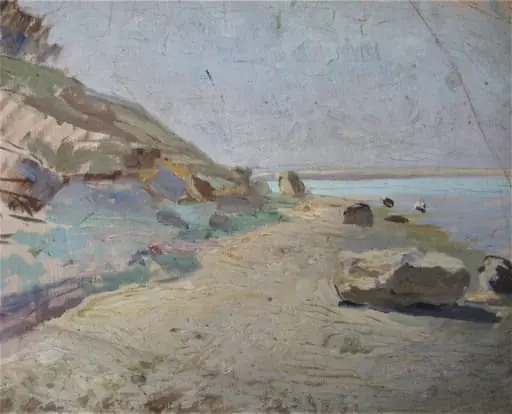
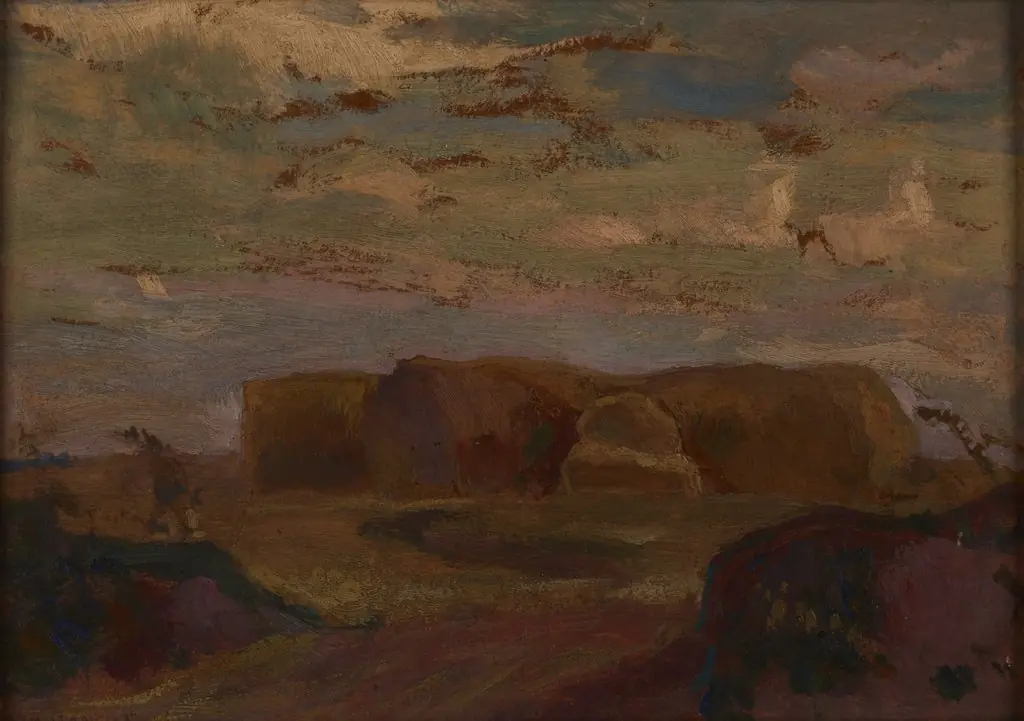
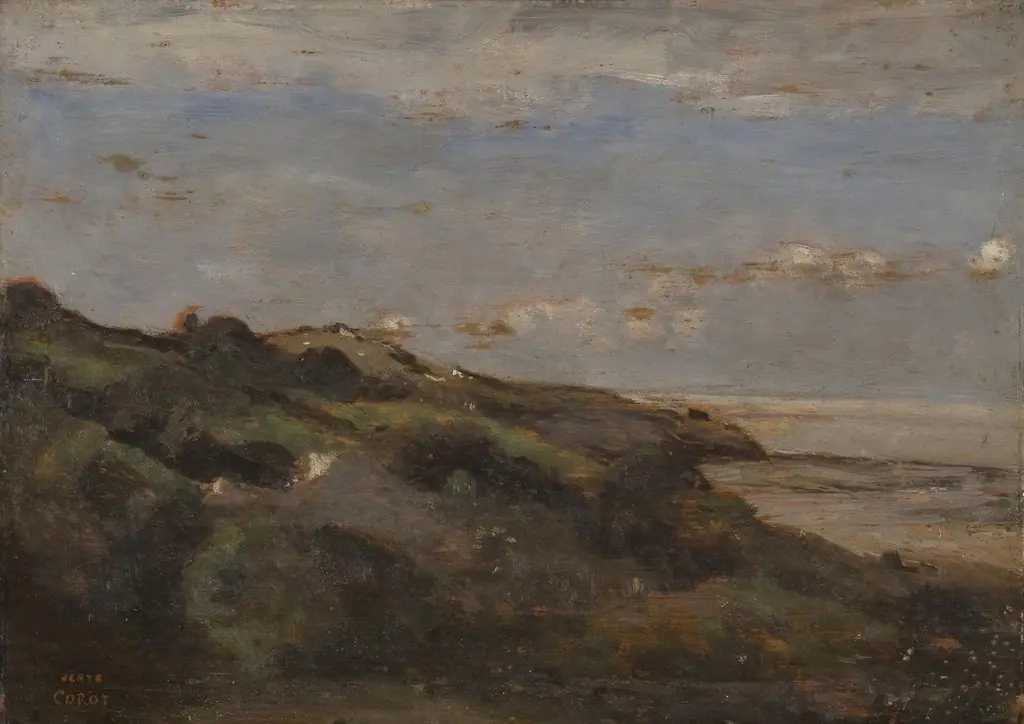
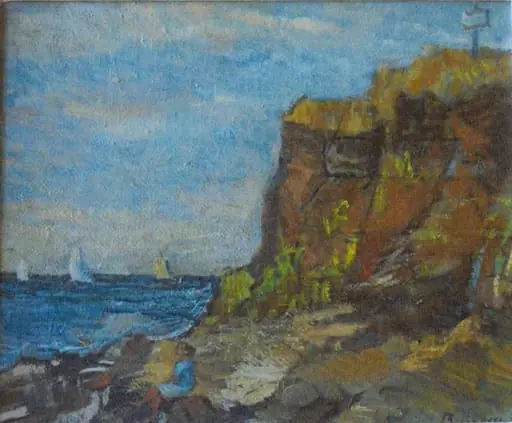
Stânci la mare is an oil painting executed around 1850 by the German landscape artist Otto Briese. The work depicts a coastal scene where a cluster of brown‑grey rocks rises from a dark‑blue sea beneath a light‑blue sky dotted with white clouds. The composition balances earth tones with muted blues, creating a tranquil atmosphere that reflects the artist’s interest in natural seascapes.
Subject & Meaning
The canvas presents a rugged shoreline, the rocks rendered in varying shades of brown, grey and a touch of green, suggesting vegetation clinging to the stone. The sea’s subdued darkness and the calm sky convey a sense of quiet observation rather than dramatic narrative, inviting viewers to contemplate the enduring relationship between land and water.
Technique & Style
Briese employed a pronounced impasto technique, applying paint in thick, textured strokes that give the rocks and water a tactile, almost three‑dimensional quality. The brushwork is vigorous yet controlled, emphasizing the roughness of the stone and the churning surface of the sea while maintaining a restrained palette that reinforces the work’s serene mood.
History & Provenance
Created circa 1850, Stânci la mare belongs to the mid‑nineteenth‑century period when Briese focused on maritime subjects. The painting’s provenance is not extensively documented, but it has appeared in several regional exhibitions of 19th‑century European landscape art, indicating its continued relevance within the artist’s oeuvre.
Context
During the mid‑1800s, European painters increasingly turned to naturalistic depictions of coastal environments, influenced by Romanticism’s fascination with the sublime and the emerging realism movement. Briese’s work reflects this trend, combining detailed observation of geological forms with an atmospheric treatment of light and water typical of the era.
Artist & collection
Artist
Textile artist Otto Briese made woven portraits and landscapes in the early 1900s.