Artwork
Portret de fetiță
Portret de fetiță is an unspecified painting by Otto Briese. It dates from 1945 and is held in the collection of the Moldova National Museum Complex.
About this work
Overview
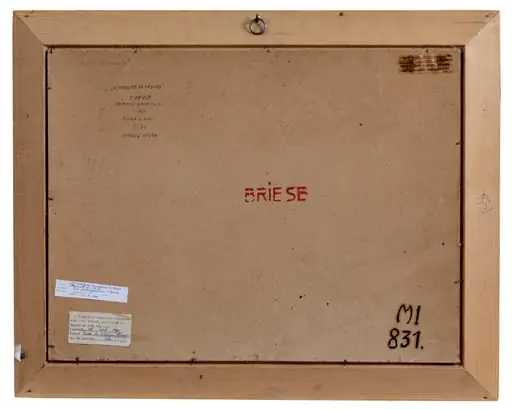
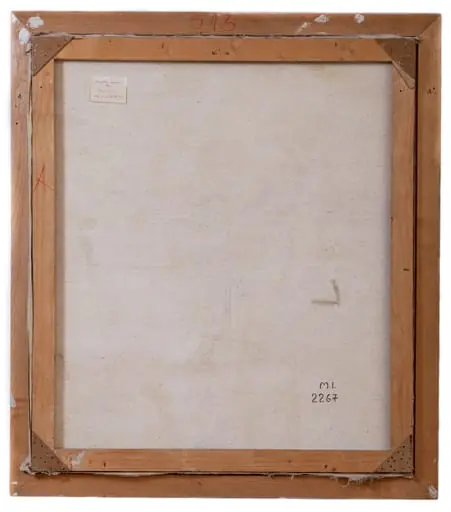
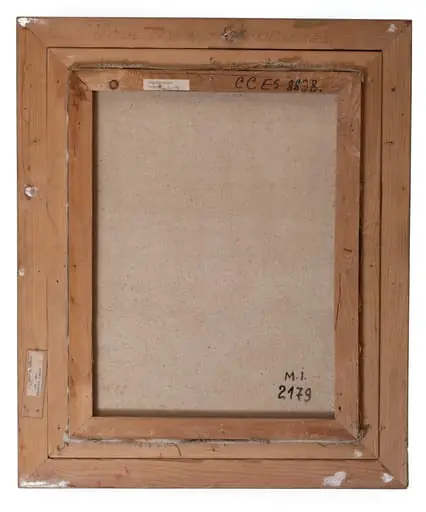
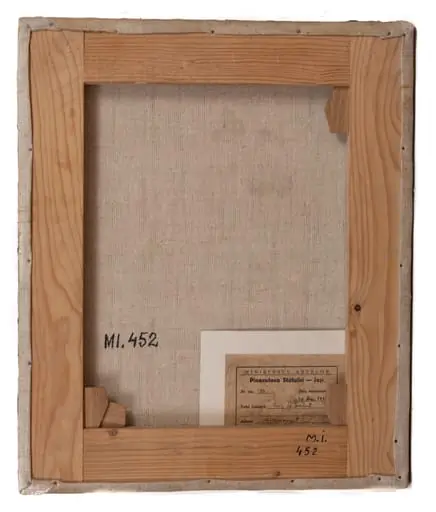
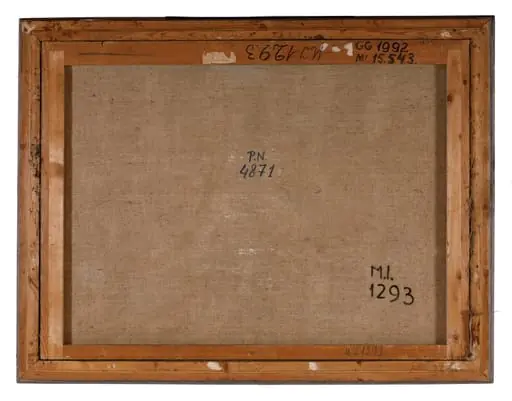
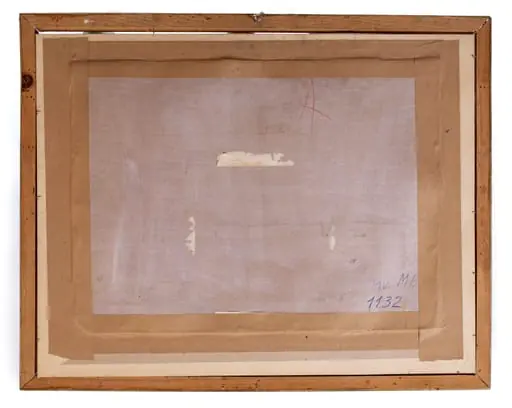
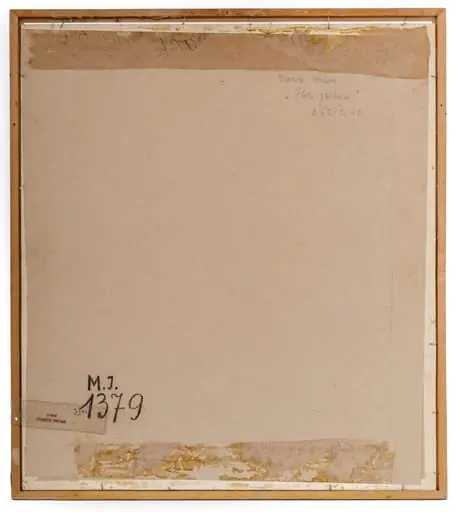
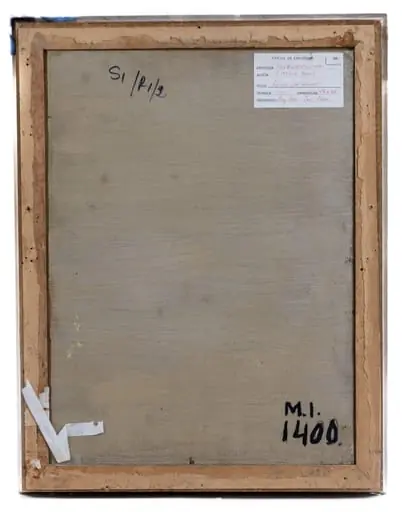
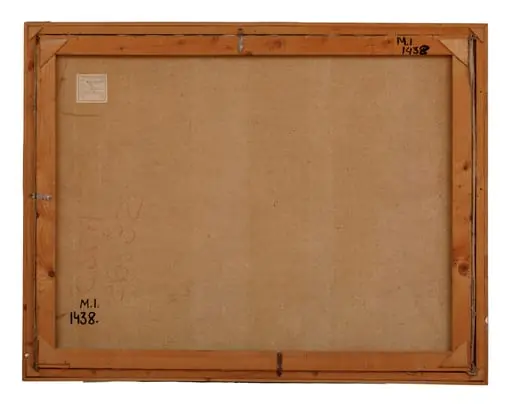
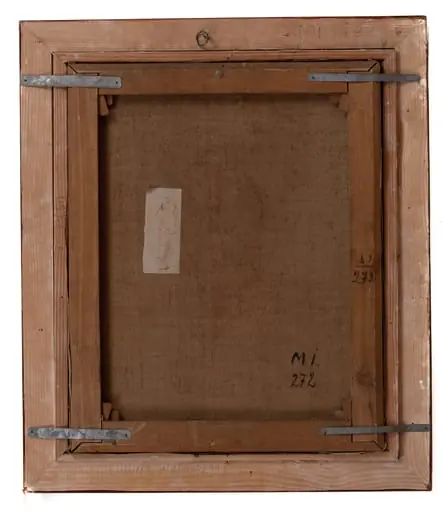
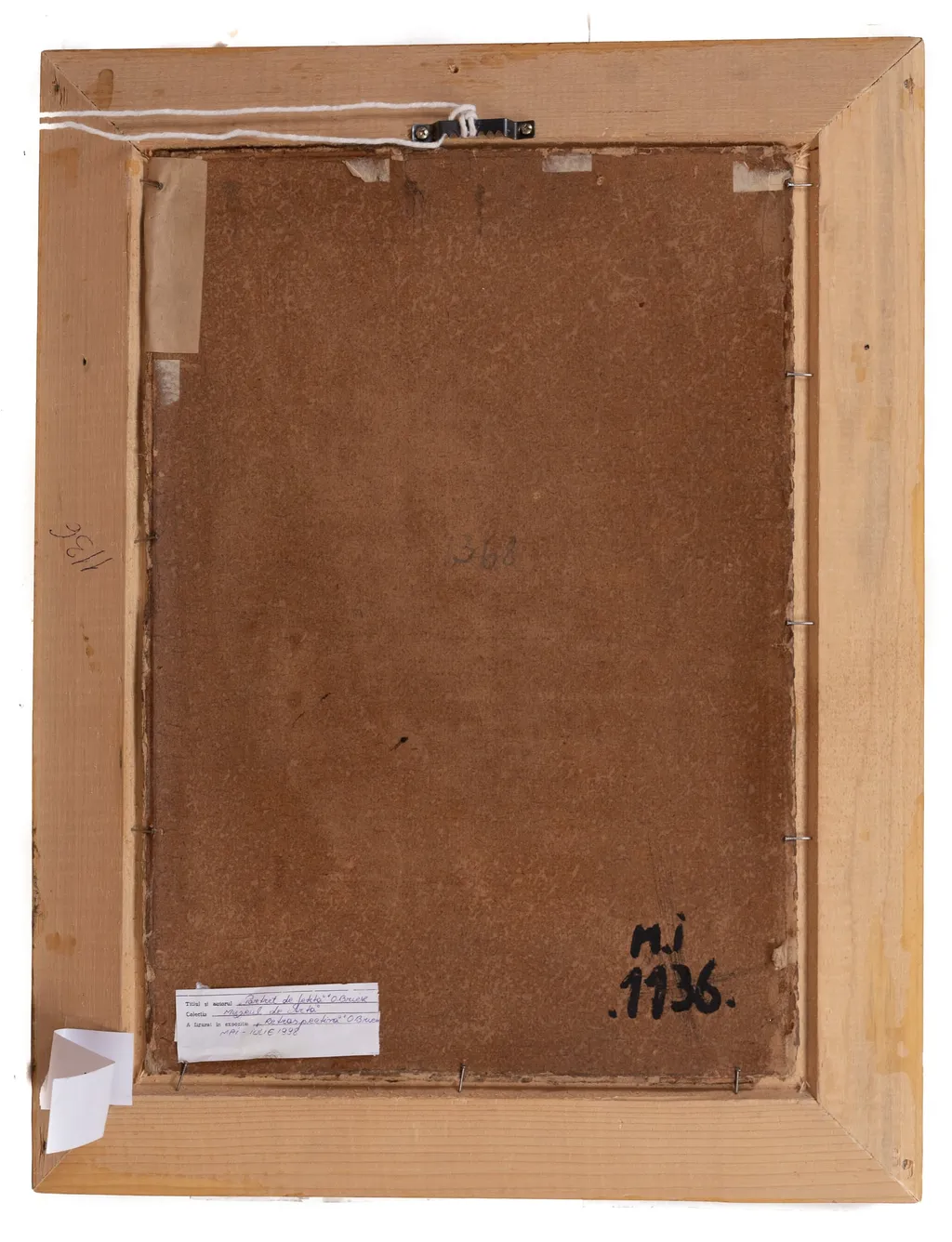
Portret de fetiță is attributed to Otto Briese and dates to around 1945. The object in the collection consists of a wooden frame that encloses a tightly stretched canvas. The canvas itself is a uniform, faded brown and bears no visible painted image, suggesting that the work is currently unpainted or that the surface has been lost over time.
Technique & Style
The piece exemplifies a simple construction: a standard stretcher frame supporting a plain linen or cotton canvas. The absence of pigment or drawing indicates either an unfinished state or a later removal of the original surface. The frame’s modest woodwork reflects a utilitarian approach typical of mid‑twentieth‑century portrait supports.
History & Provenance
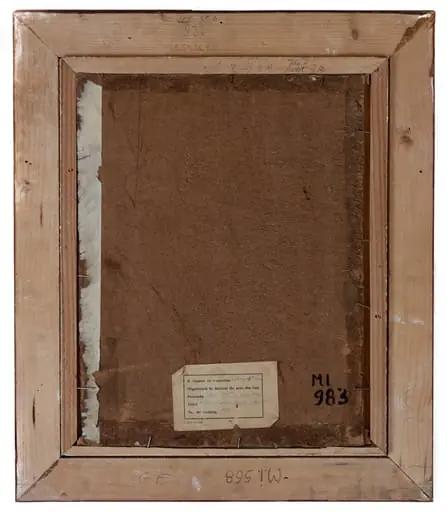
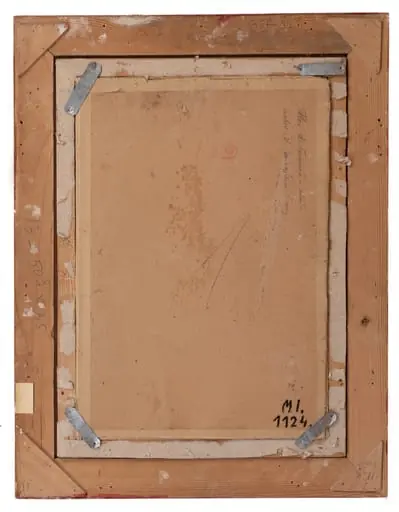
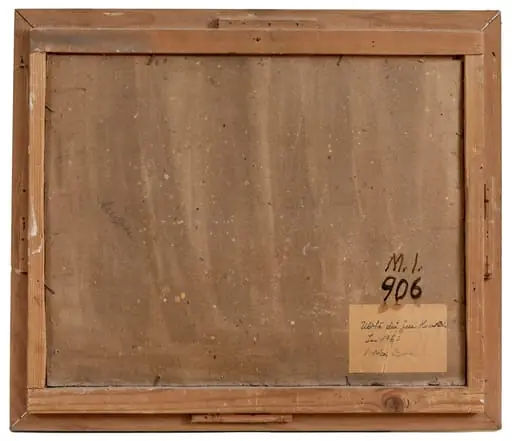
The work entered the Museum of Ethnography’s holdings, as recorded on a small label affixed to the back of the frame. The label lists the title Portret de fetiță and the artist’s name. Hand‑written inventory numbers and marks on the reverse side serve to catalog the object within the museum’s collection management system.
Context
Created circa 1945, the portrait belongs to the immediate post‑World War II period, a time when many Eastern European artists faced material shortages and shifting political climates. Otto Briese’s choice of a modest format may reflect the constrained resources and the functional role of portraiture in documenting everyday life during that era.
Artist & collection
Artist
Textile artist Otto Briese made woven portraits and landscapes in the early 1900s.