Artwork
Portrait of Cosimo I de' Medici in armour
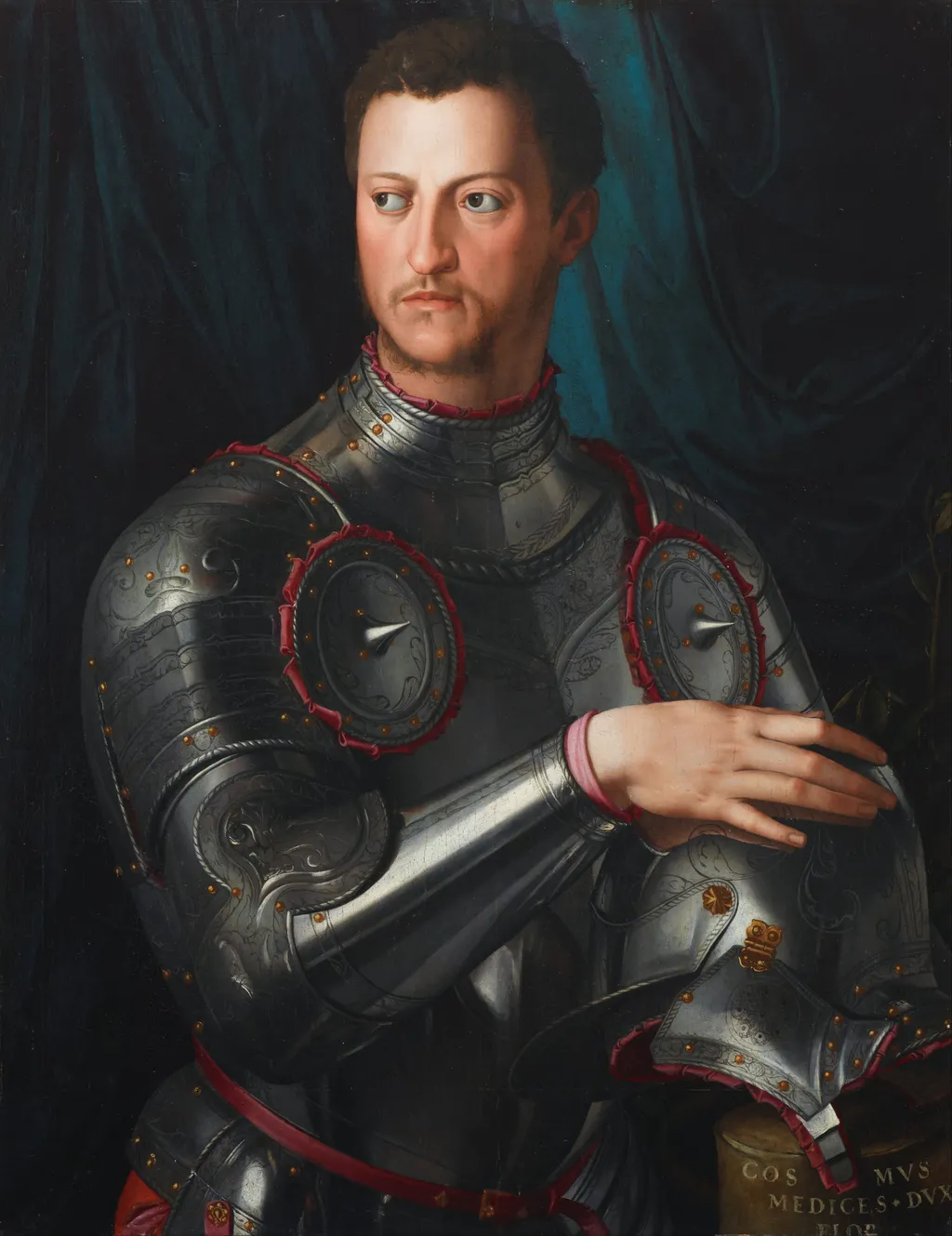
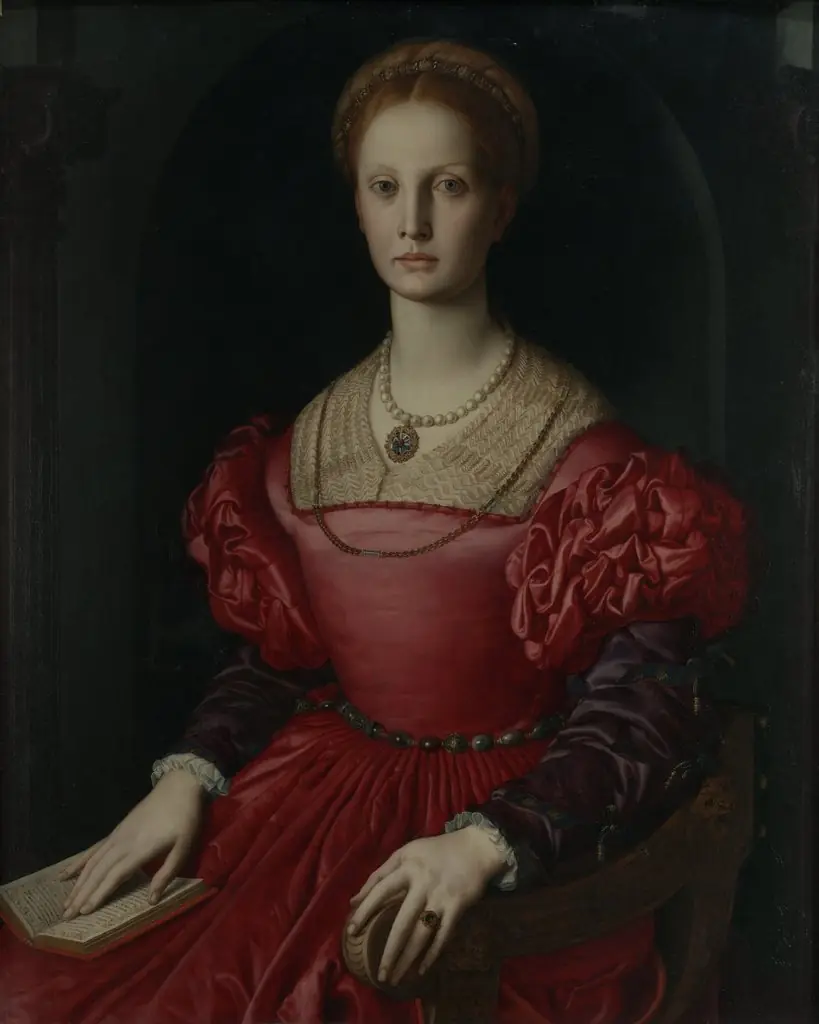
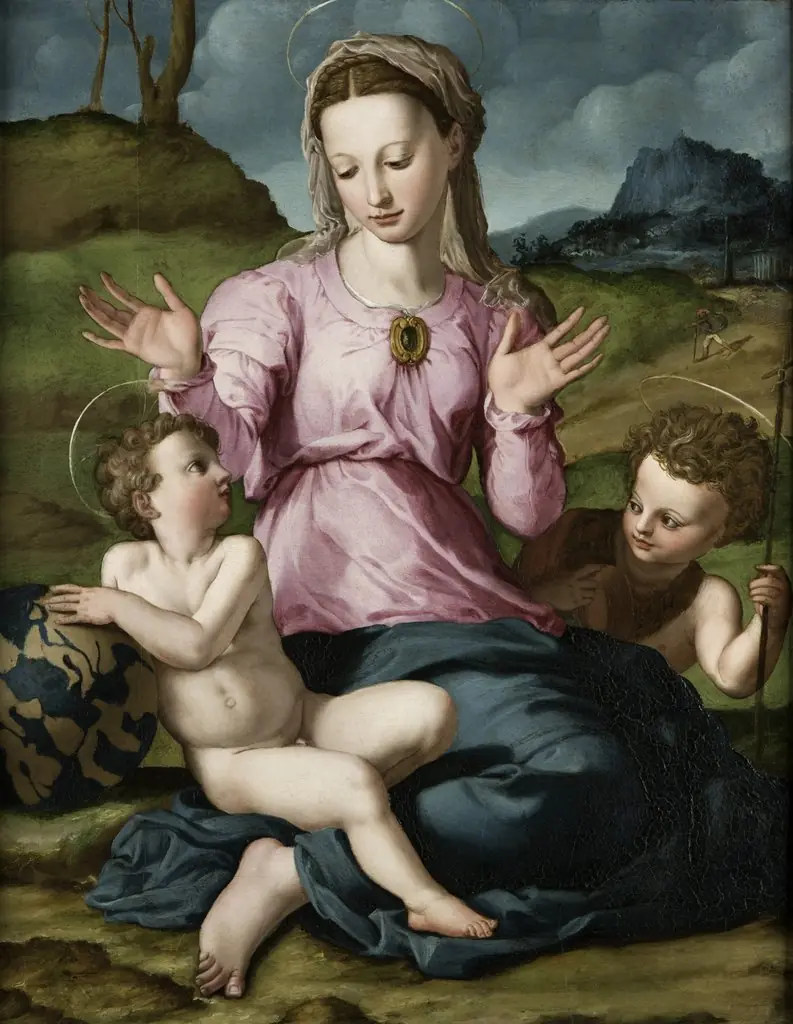
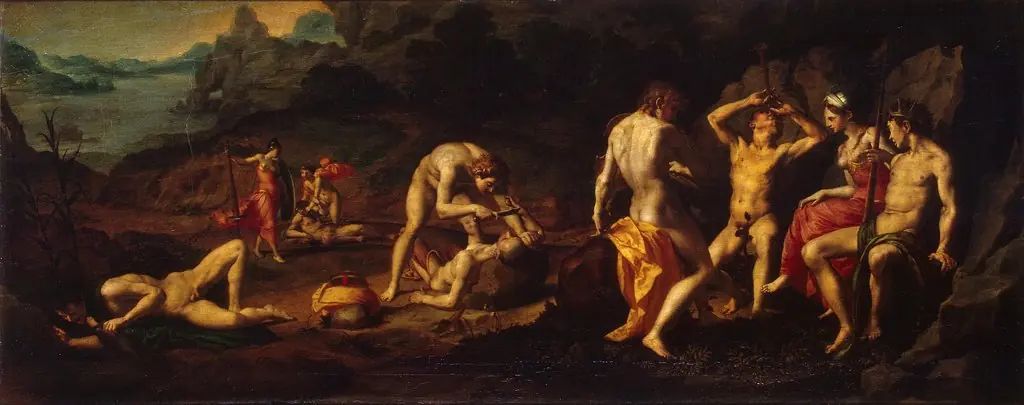
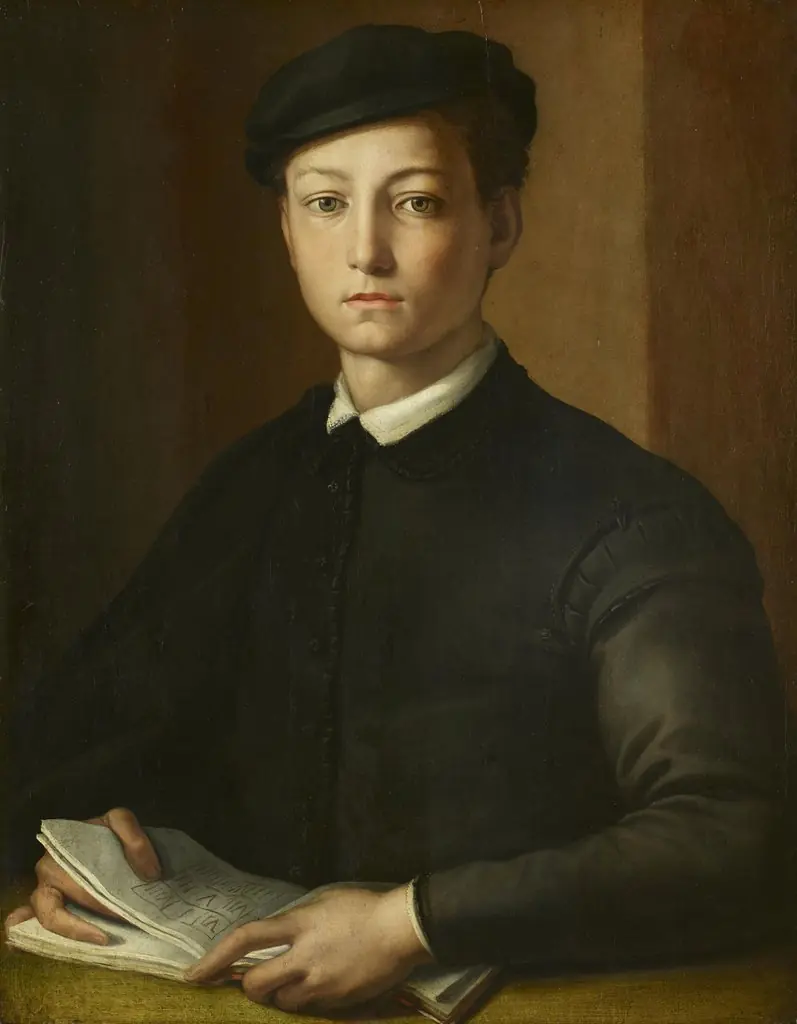
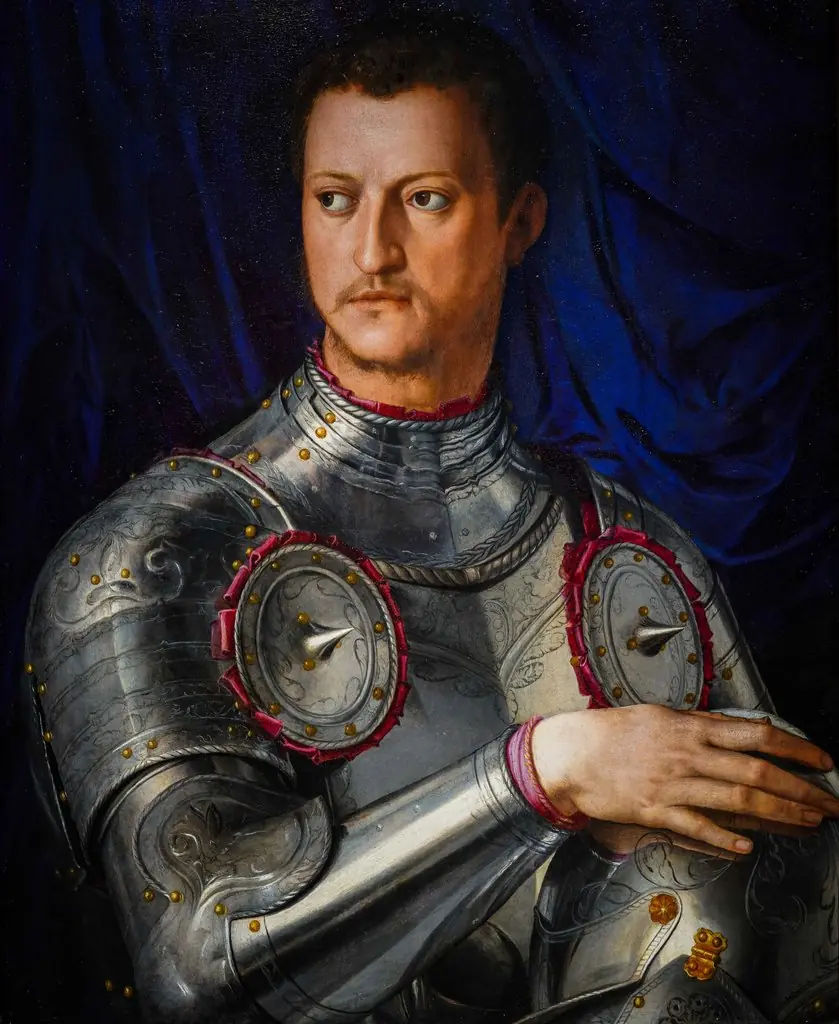
Portrait of Cosimo I de' Medici in armour is an oil painting by the Mannerist artist Bronzino. It dates from 1545 and is held in the collection of the Art Gallery of New South Wales. Painted in 1545, this oil portrait captures Cosimo I de' Medici, Grand Duke of Tuscany, clad in ornate armor.
About this work
Overview
Painted in 1545, this oil portrait captures Cosimo I de' Medici, Grand Duke of Tuscany, clad in ornate armor.
Painted in 1545, this oil portrait captures Cosimo I de' Medici, Grand Duke of Tuscany, clad in ornate armor. The work is attributed to Agnolo Bronzino, who served as the Medici court painter from the 1530s. Rendered with precision and cool detachment, the image reflects the political gravity of its subject. It is now part of the Art Gallery of New South Wales collection, having been acquired in the 20th century.
Subject & Meaning
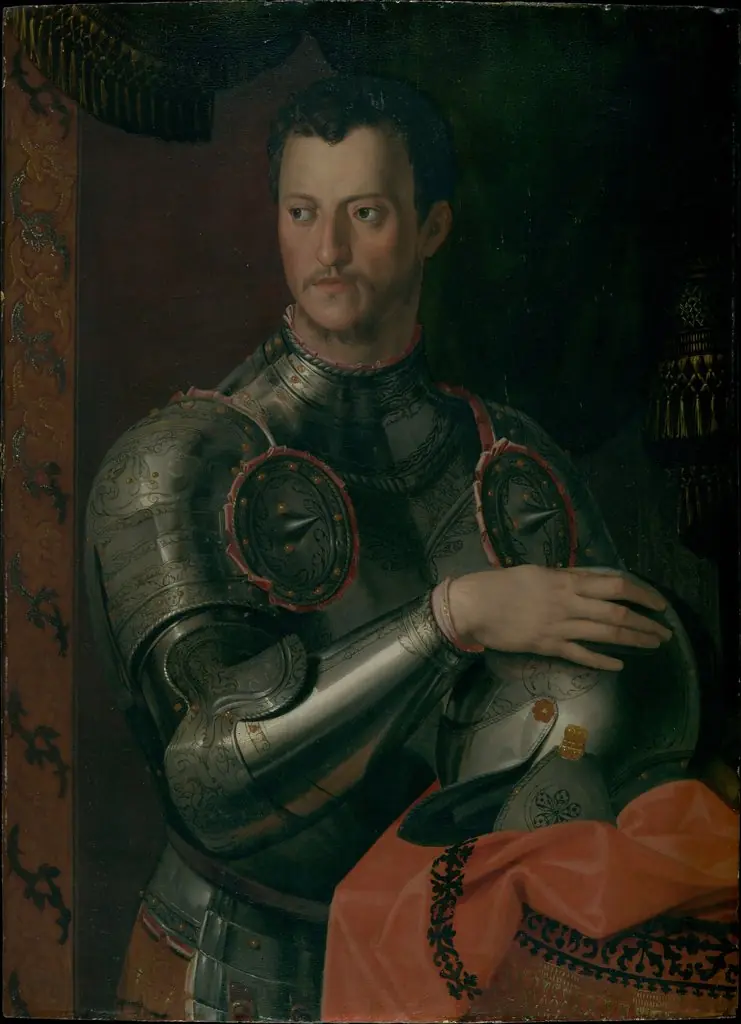
Cosimo I is depicted not as a warrior in action, but as a composed ruler, his hand resting on his chest in a gesture of authority and self-possession. The Latin inscription along the armor identifies him as Duke of Florence, reinforcing his legitimacy. The armor, richly detailed but static, functions as symbolic armor of state—emphasizing power, lineage, and control rather than martial readiness.
Technique & Style
Bronzino employs a refined Mannerist style, characterized by elongated forms and polished surfaces. Chiaroscuro is used subtly to model the armor’s metallic planes, enhancing its three-dimensionality without dramatic contrast. The gold and red embellishments on the silver armor are rendered with meticulous brushwork, while the dark blue curtain behind him creates a flat, non-naturalistic backdrop that isolates the figure, heightening its ceremonial presence.
History & Provenance
Commissioned during Cosimo’s consolidation of power, the portrait likely served as a diplomatic or dynastic image. It remained in Medici collections until the 18th century, after which it entered private hands. Acquired by the Art Gallery of New South Wales in 1948, it is one of the few major Italian Mannerist portraits in Australia, representing a rare example of Medici iconography outside Europe.
Context
In mid-16th century Florence, portraiture was a tool of political messaging. Bronzino’s portraits of the Medici often emphasized restraint and control, aligning with Cosimo’s efforts to transform Florence into a centralized duchy. The armor, though decorative, references classical and imperial imagery, linking Cosimo to ancient rulers and legitimizing his rule through historical continuity.
Legacy
This portrait exemplifies the Medici court’s use of art to project authority through visual discipline. Bronzino’s influence extended beyond his lifetime, shaping how later rulers commissioned their own images. The painting remains a key reference for understanding how Mannerist aesthetics served political ends, offering a cool, controlled vision of power that avoided theatricality in favor of enduring gravitas.
Own this work as a print
Artist & collection
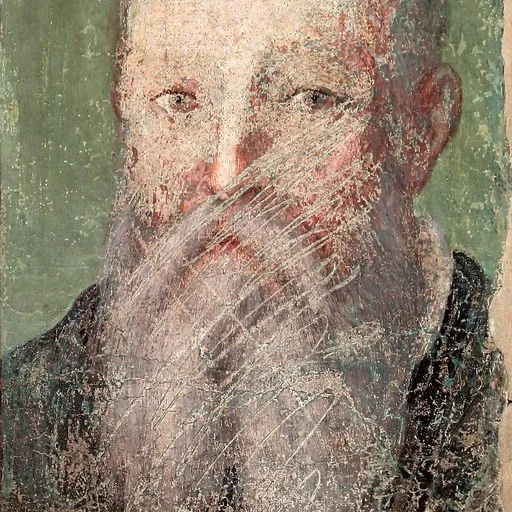
Artist
Agnolo di Cosimo (Italian: ; 17 November 1503 – 23 November 1572), usually known as Bronzino (Italian: Il Bronzino ) or Agnolo Bronzino, was an Italian Mannerist painter from Florence.