Artwork
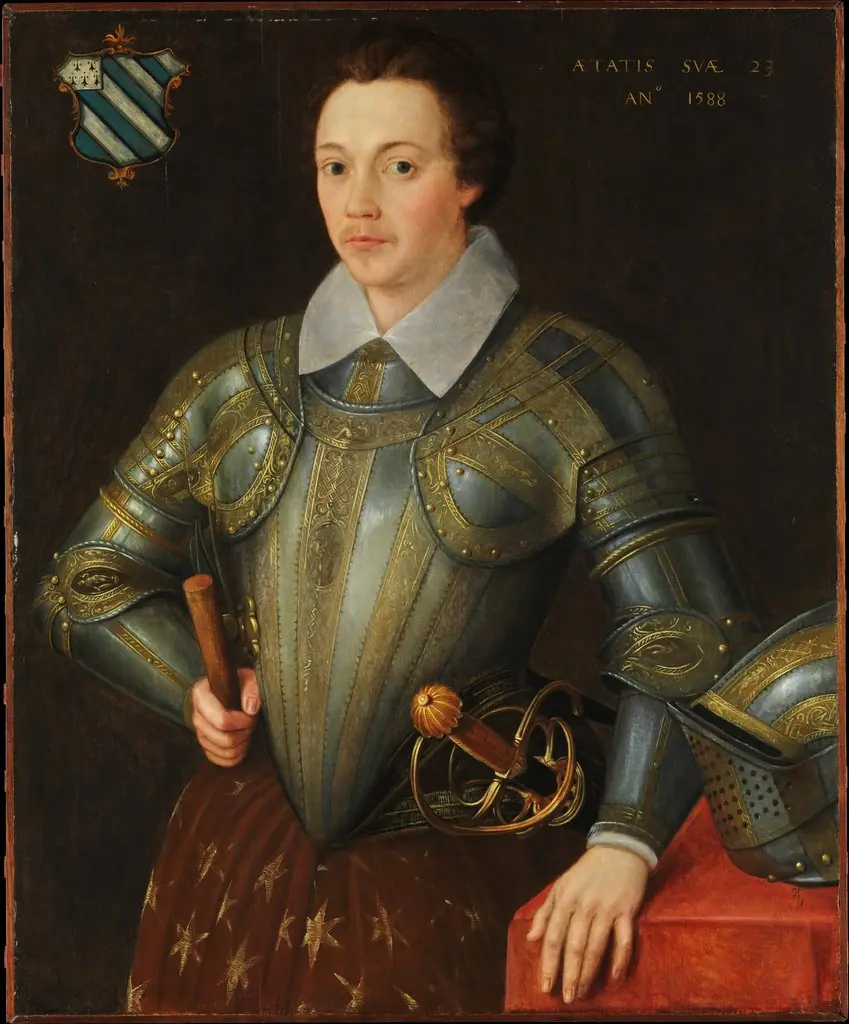
Portrait of a Man in Armor
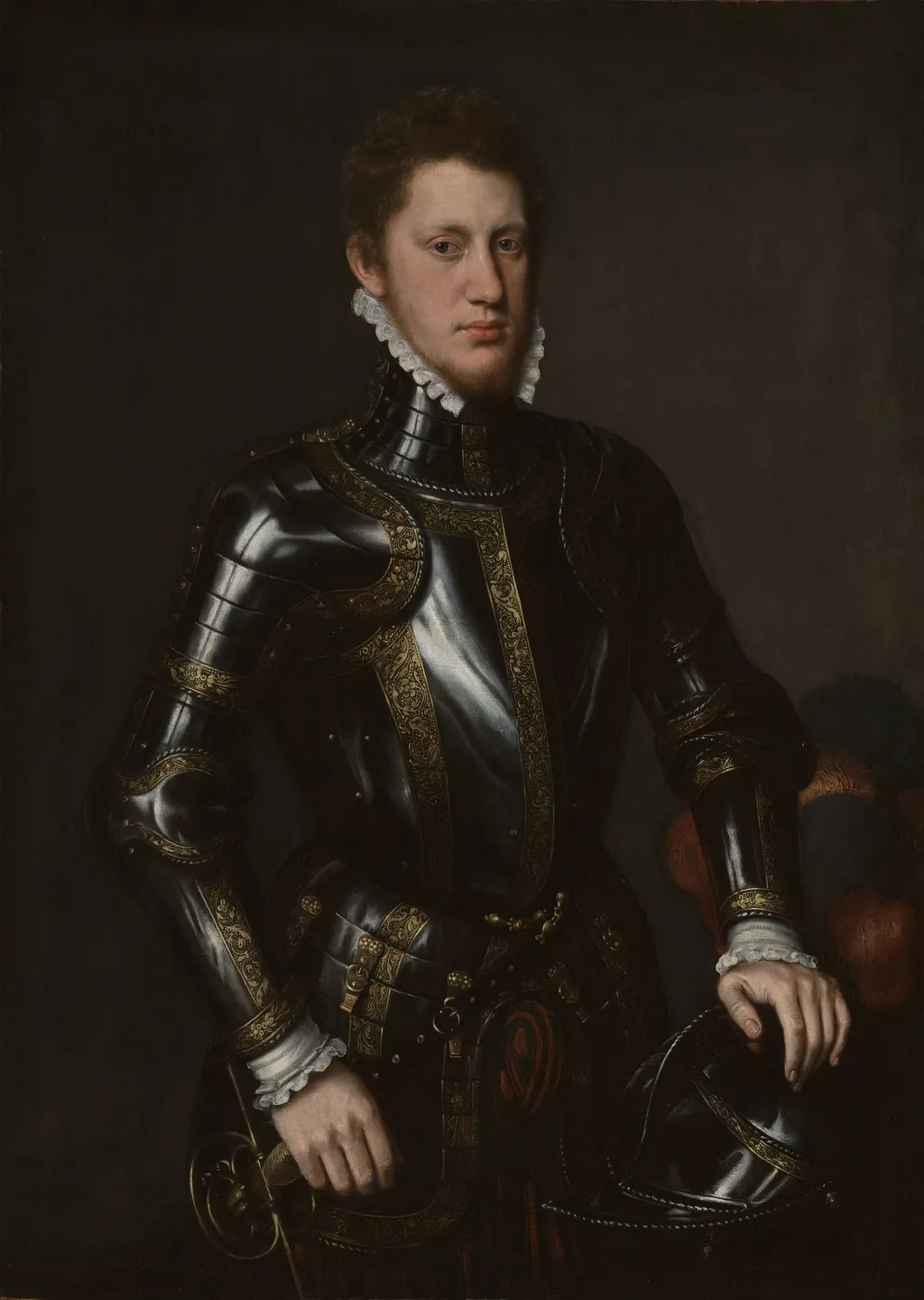
Portrait of a Man in Armor is an oil painting by the Mannerist artist Unknown. It dates from 1558 and is held in the collection of the J. Paul Getty Museum.
About this work
Overview
This oil painting presents a full-length portrait of a man clad in black armor with gold embellishments, standing firmly with one hand on his helmet and the other gripping a sword hilt. The composition is formal and centered, emphasizing stillness and presence. A stark dark background isolates the figure, enhancing the visual weight of his attire and posture.
Subject & Meaning
The subject appears as a noble or military figure, his armor signifying status and readiness. The white lace collar and cuffs contrast with the metallic rigidity of his gear, suggesting a blend of martial duty and aristocratic refinement. His composed stance and direct gaze convey self-assurance, possibly reflecting personal identity or commissioned representation of authority.
Technique & Style
The artist employs chiaroscuro to model the armor’s contours, creating a sense of three-dimensionality through sharp light and shadow. Impasto is used selectively on the gold accents and fabric edges, adding tactile richness. The background remains flat and unmodulated, focusing attention on the subject’s finely rendered surface textures and facial expression.
History & Provenance
The painting’s origin is tied to early modern European portraiture, likely commissioned by the sitter or a close associate. No definitive record of its early ownership exists, but its stylistic elements align with 16th- or early 17th-century Northern or Central European traditions, where armor portraits were common among the military elite.
Context
The inclusion of a sword and helmet underscores the connection between personal identity and professional role in a time of political and military upheaval.
During the period, portraits of armored men served not only as personal likenesses but also as assertions of social rank and martial virtue. Such images were often displayed in private residences or family chapels, reinforcing lineage and duty. The inclusion of a sword and helmet underscores the connection between personal identity and professional role in a time of political and military upheaval.
Legacy
The painting contributes to a broader tradition of aristocratic portraiture that merged realism with symbolic elements. Its emphasis on material detail and psychological presence influenced later depictions of authority figures. Though the artist remains unidentified, the work reflects the enduring appeal of armor as both protective gear and ceremonial emblem in early modern visual culture.
Artist & collection

 Domestic Scene
 Giacomo and Cardinal Marco, investing Andrea, Abbot of San Zeno, with his Benefice
 The Nymph of Fontainebleau
 Portrait of a Woman
 Madonna and Child with Saints in the Enclosed Garden
 Venus and Minerva
 Family Group of Four on Sofa
 Wall painting from Room H of the Villa of P. Fannius Synistor at Boscoreale
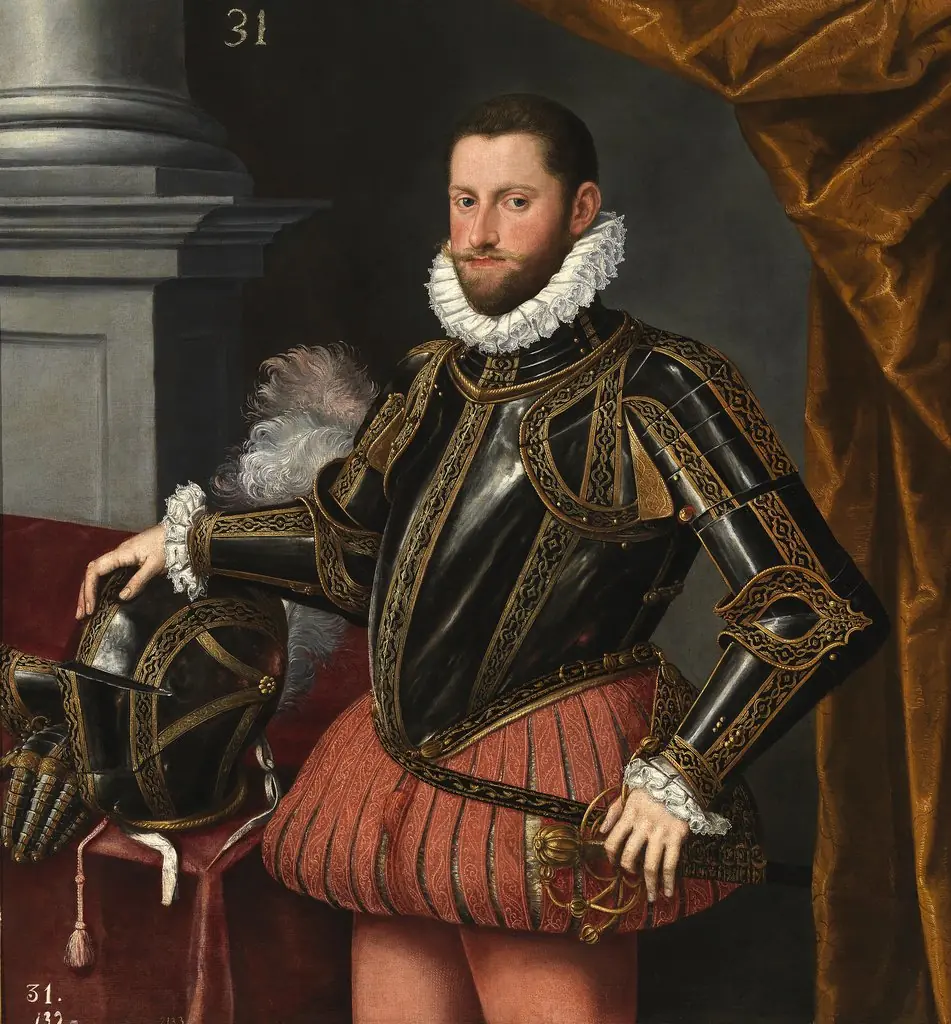 El archiduque Diego Ernesto de Austria
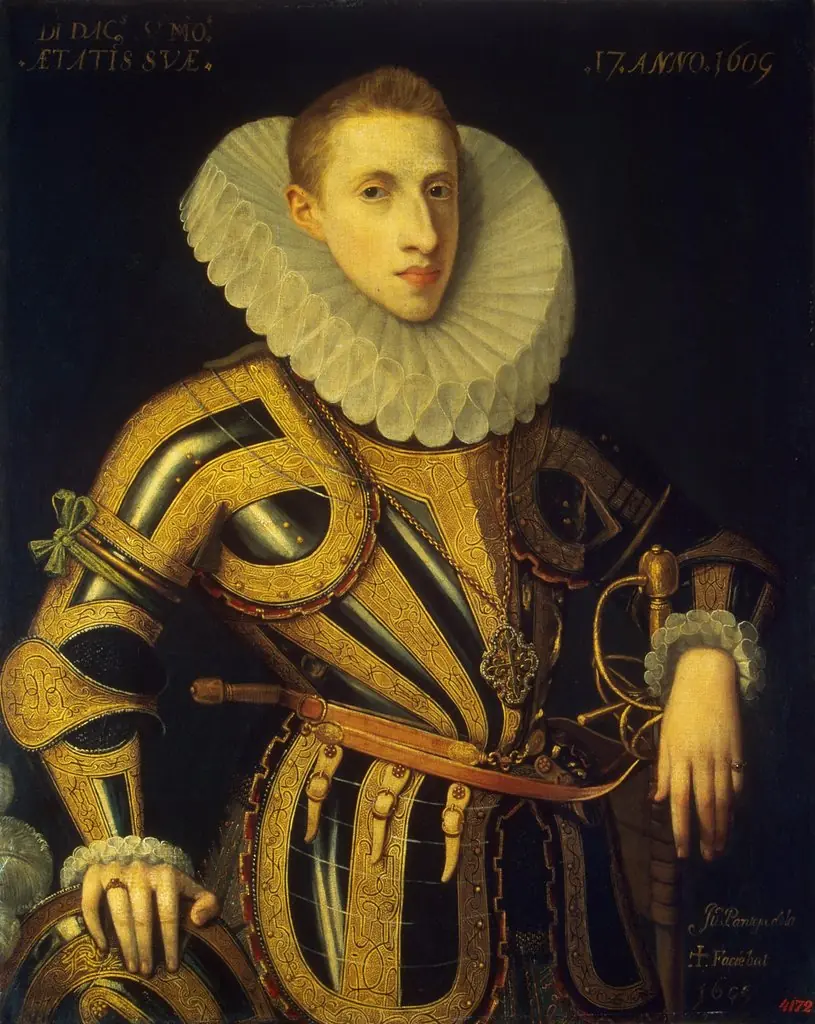 Portrait of Diego de Villamayor
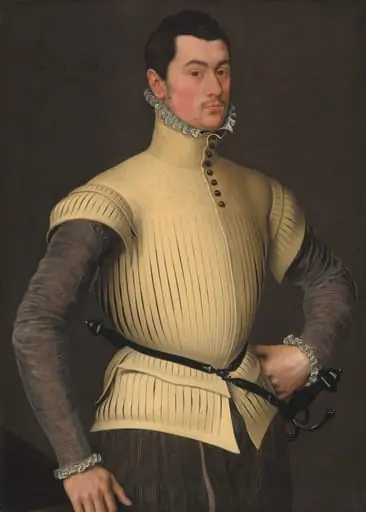 Portrait of a Young Man
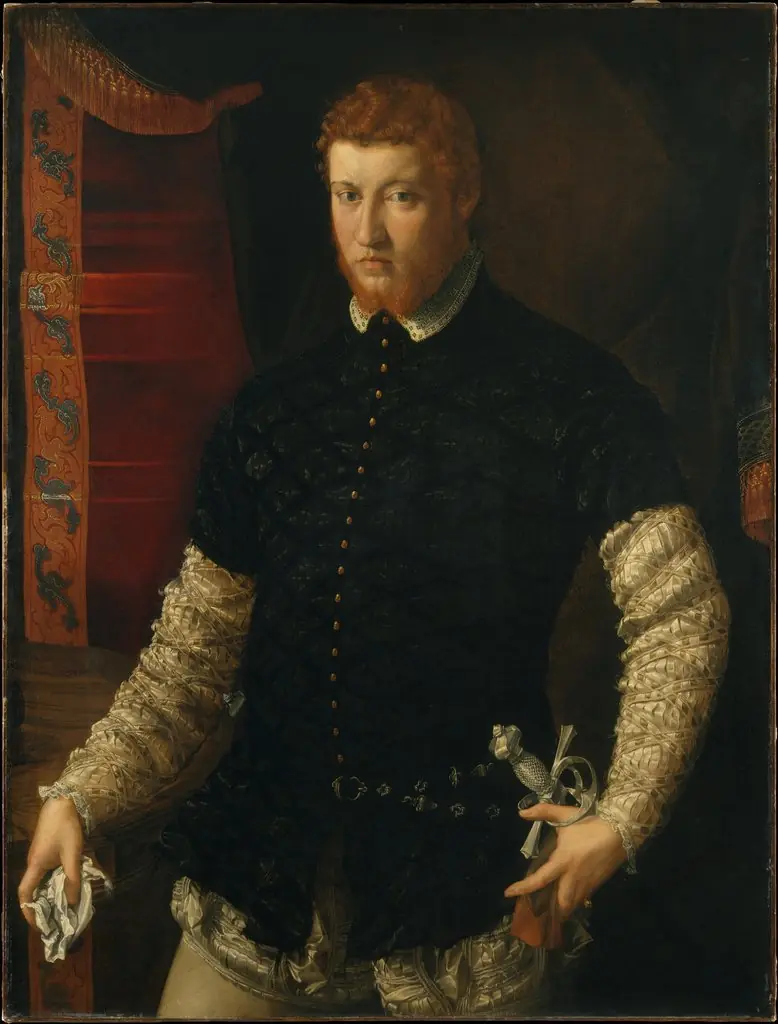 Portrait of a Man
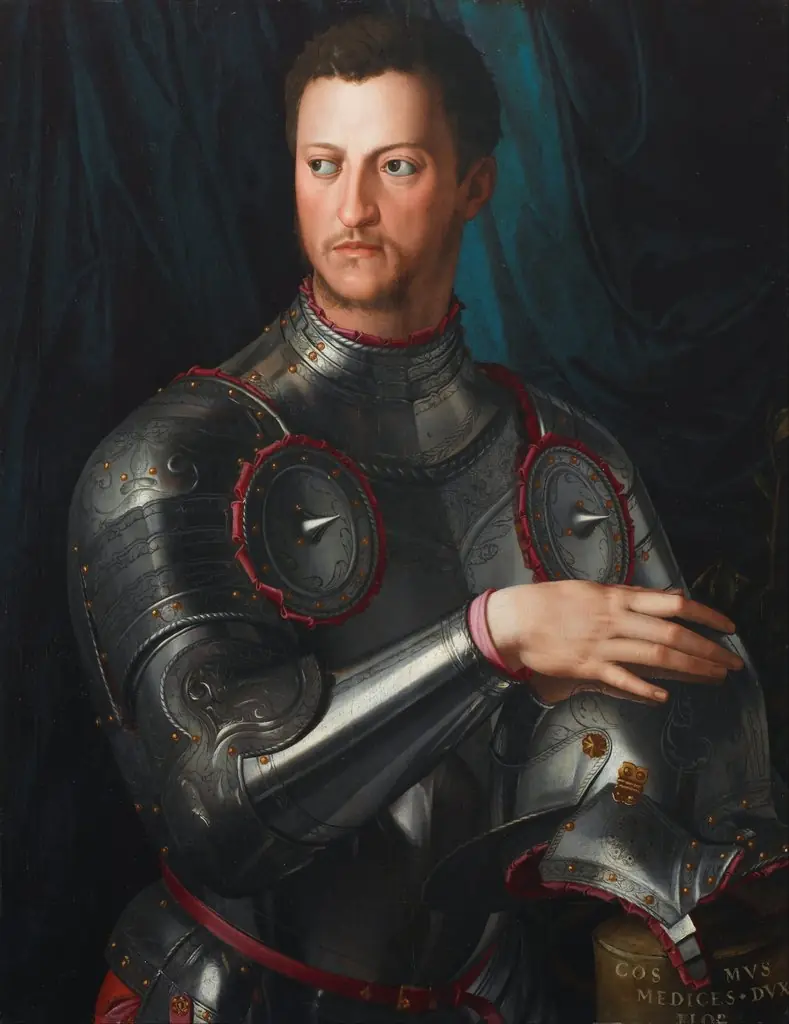 Portrait of Cosimo I de' Medici in armour
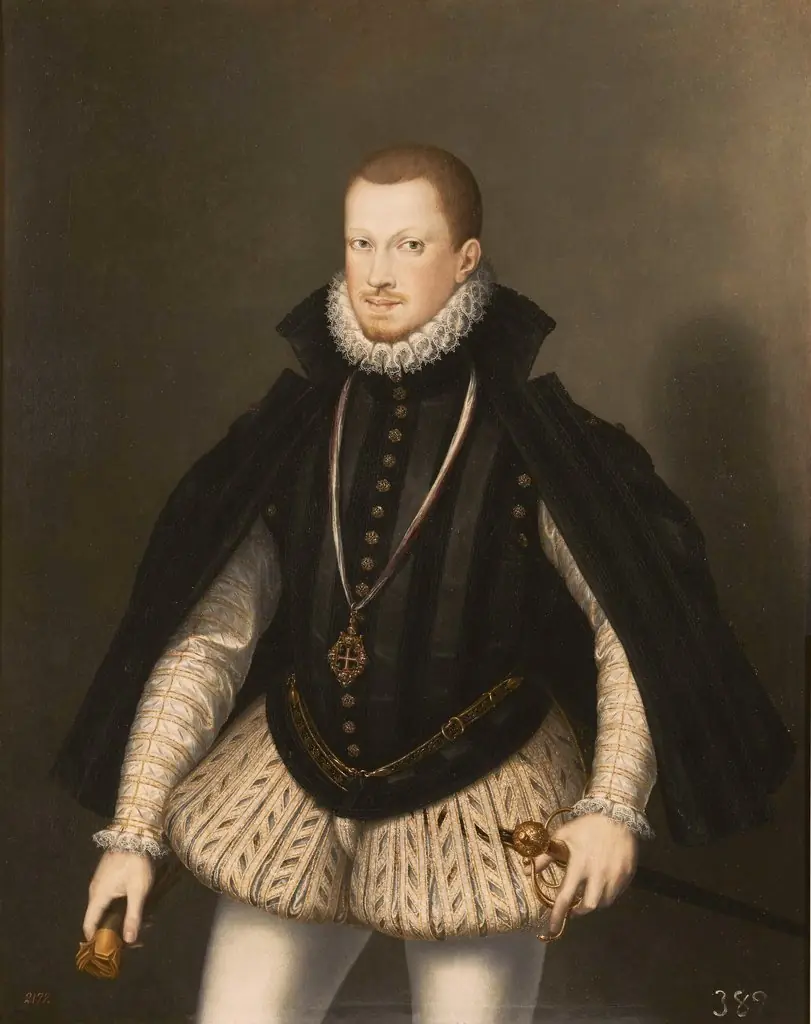 Don Sebastián rey de Portugal
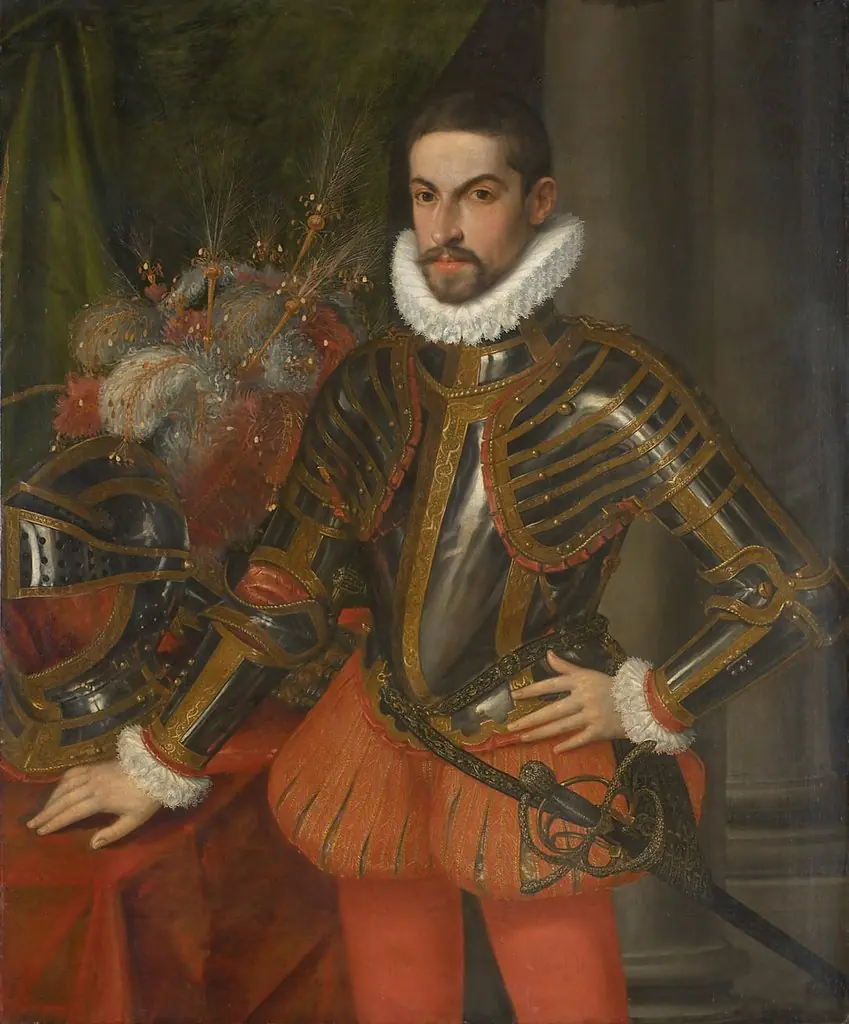 Erzherzog Maximilian III. (1558-1618) im Harnisch, Kniestück
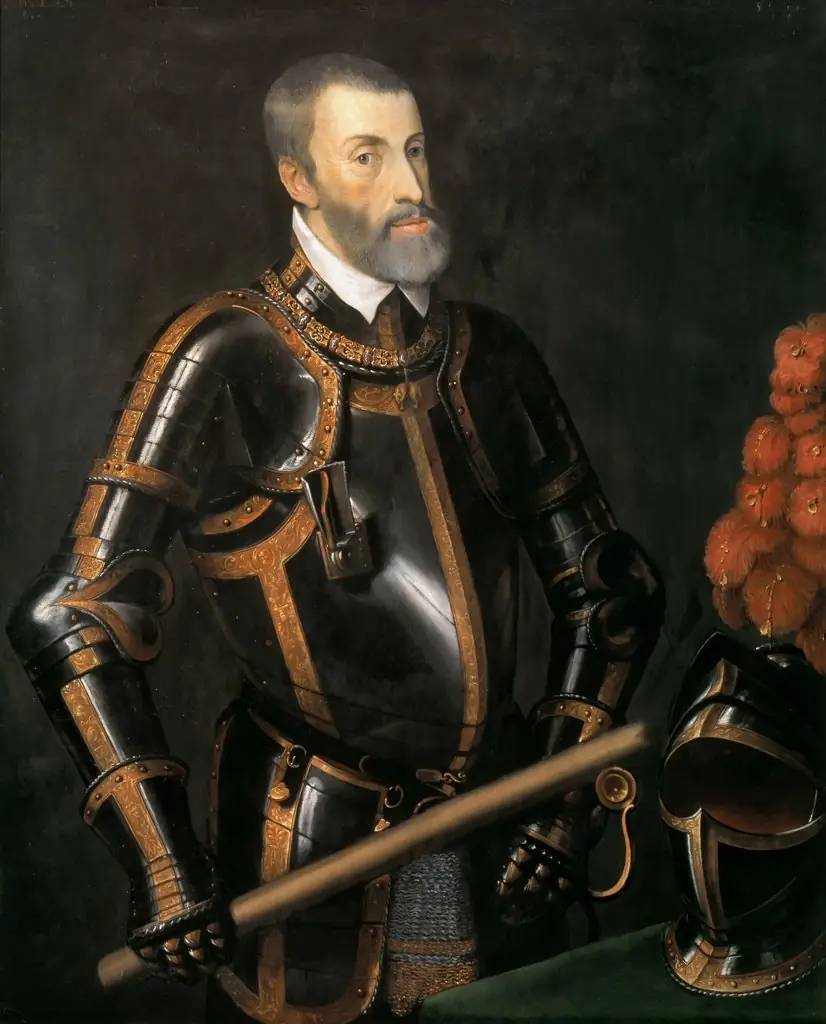 Emperor Charles V in armour
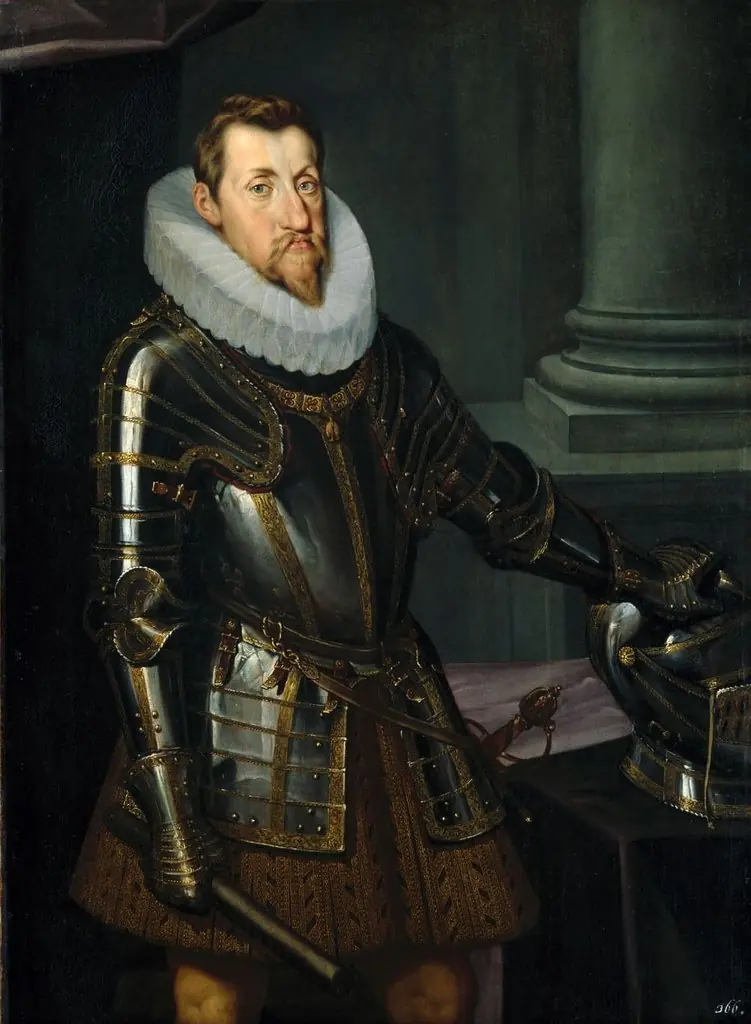 Portrait of Ferdinand II, Holy Roman Emperor (1578-1637)
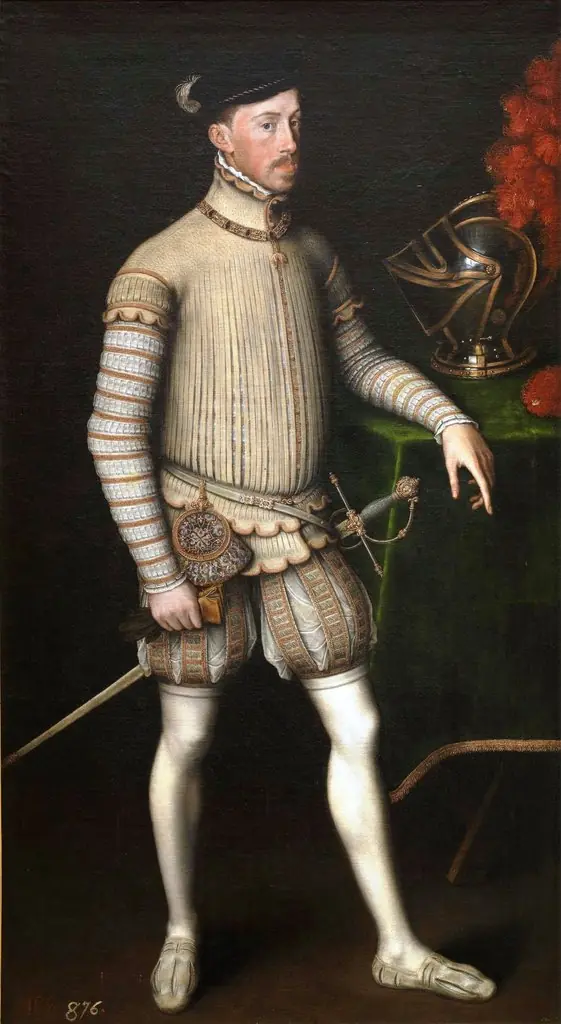 Emperor Maximilian II
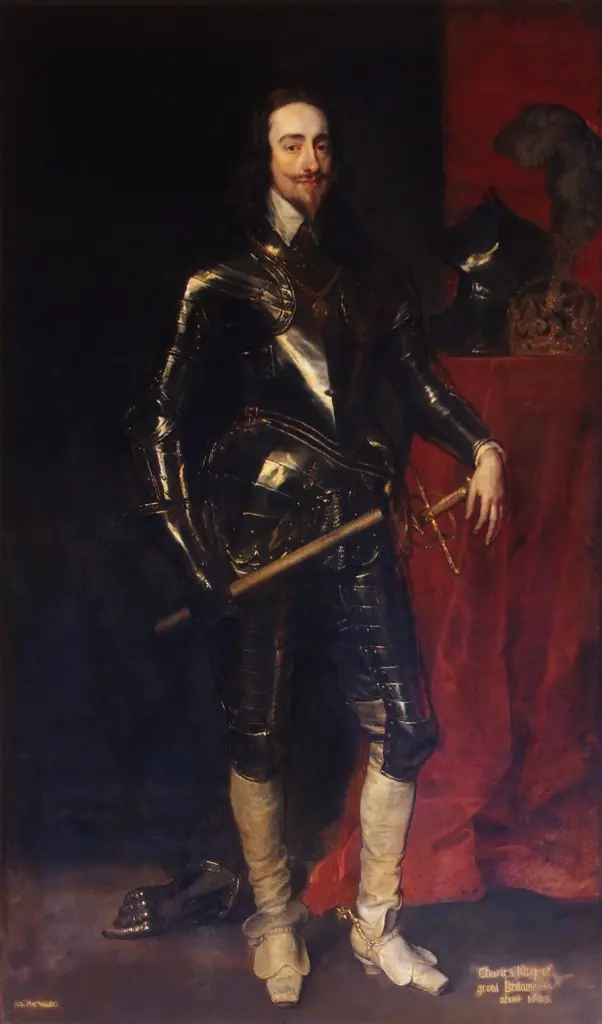 Portrait of Charles I, King of the Great Britain (1600-1649)
 Sir John Shurley of Isfield (1565–1632)