Artwork
Sculpture Simulation
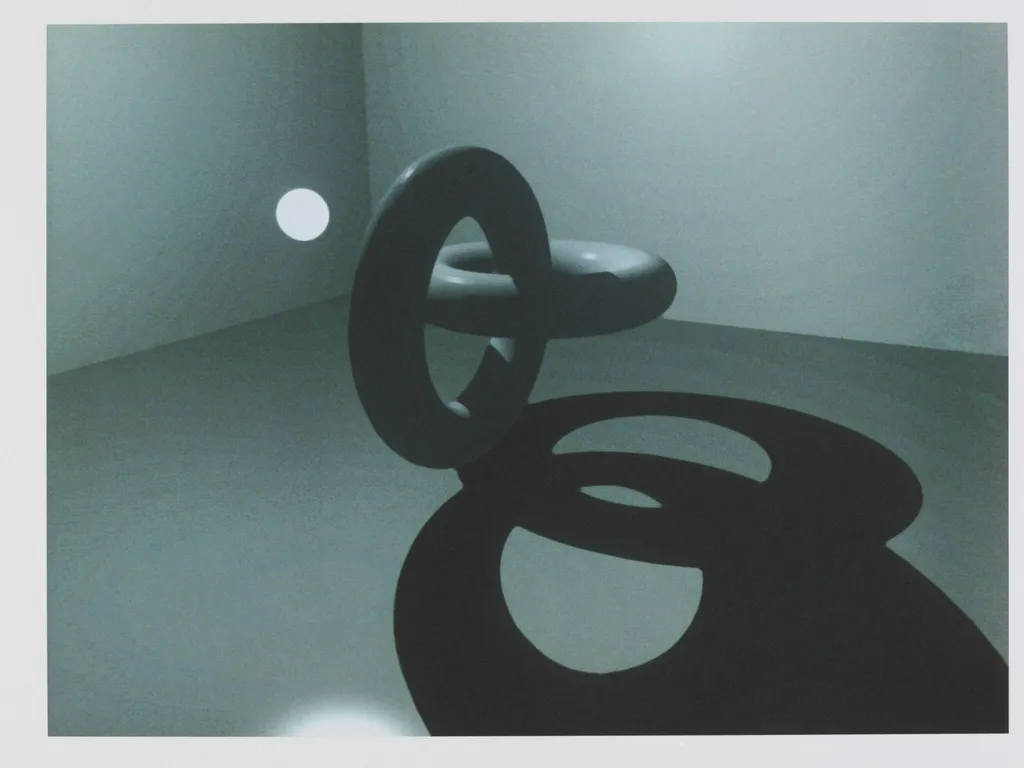
Sculpture Simulation is a print by Paul Brown. It dates from 1983 and is held in the collection of the Victoria and Albert Museum.
About this work
Overview
Unlike traditional sculpture, the object exists only as light and data on paper, challenging distinctions between physical and simulated space.
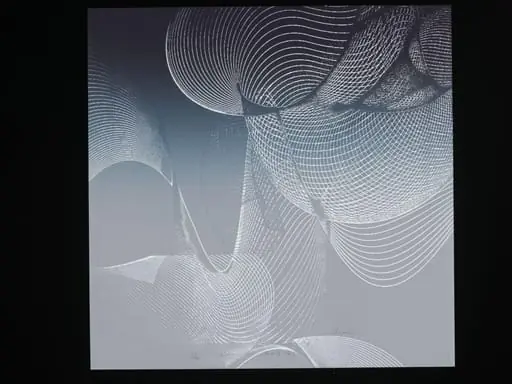
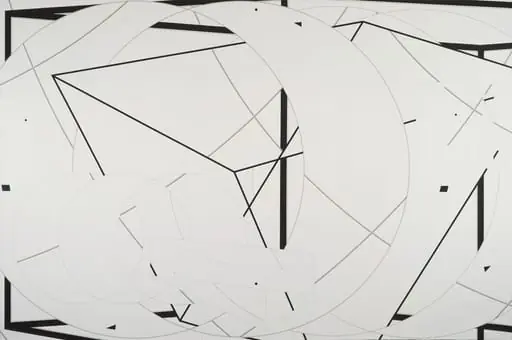
Paul Brown’s 1983 digital inkjet print presents a computer-generated image of a sculptural form, rendered as a static visual artifact. Unlike traditional sculpture, the object exists only as light and data on paper, challenging distinctions between physical and simulated space. The work emerges from early digital experimentation, where artists began using computational tools to explore form beyond material constraints.
Subject & Meaning
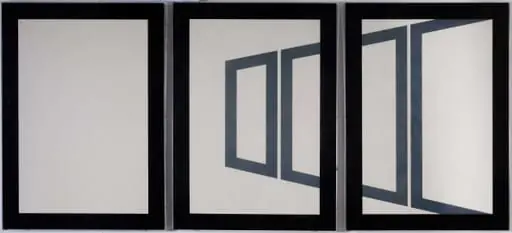
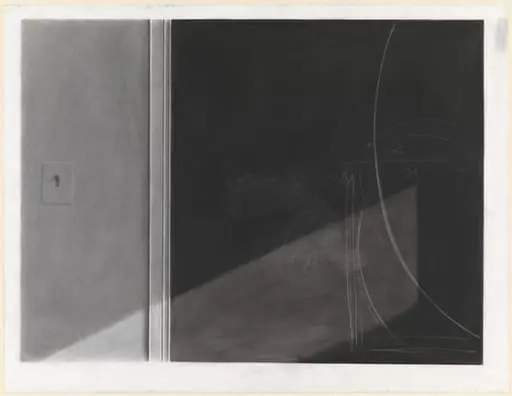
The central subject is a trio of interconnected rings, with the central one largest, suspended in an enclosed space. A single aperture in the wall introduces a narrow beam of light, casting a defined shadow on the floor. The absence of other architectural detail isolates the form, inviting contemplation of artificiality, perception, and the illusion of three-dimensionality in a two-dimensional medium.
Technique & Style
Brown employs digital rendering to simulate chiaroscuro, using gradations of tone to suggest volume and spatial depth. The sculpture appears smooth and dark, contrasting sharply with the dim surroundings. The light source is artificial and geometrically precise, emphasizing the constructed nature of the scene. The print’s resolution and tonal control reflect early digital capabilities, prioritizing clarity over texture.
History & Provenance
Created in 1983, this work belongs to a pioneering phase of digital art when artists began using computer simulations to generate visual forms. Brown, working with emerging software tools, treated the printer as a new kind of output device. The print’s existence as a single edition on paper underscores its role as a document of a digital process rather than a mass-produced image.
Context
In the early 1980s, computer graphics were largely confined to scientific and industrial applications. Brown’s work entered this domain artistically, questioning how machines could mediate aesthetic experience. The piece aligns with broader conceptual inquiries into representation, where the digital object replaces the handmade, and light replaces mass as the basis of form.
Legacy
This print stands as an early example of digital art asserting its own visual language, independent of traditional media. It influenced later explorations of virtual sculpture and algorithmic aesthetics. By presenting a simulated object as a tangible print, Brown anticipated contemporary debates about authenticity, reproduction, and the materiality of digital artifacts.
Artist & collection

Artist
Paul Eugene Brown was an American football coach and executive in the All-America Football Conference (AAFC), the National Football League (NFL), and the American Football League (AFL).

![TiT [This is Tomorrow], by Richard Hamilton](https://artifactworldgallery.com/img/richard-hamilton--tit-this-is-tomorrow--87ce6150b42452c8-w320.webp)