Artwork
Portret de femeie
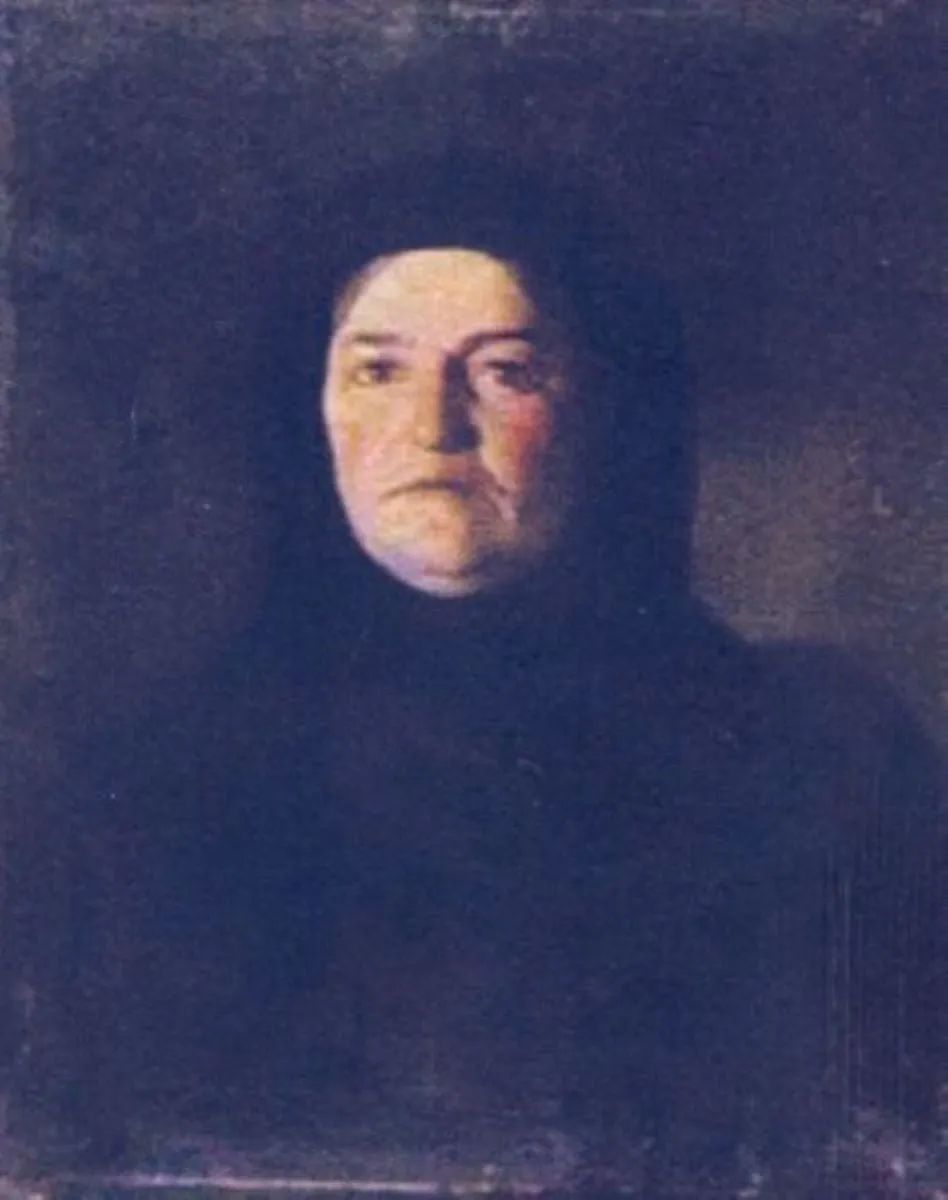
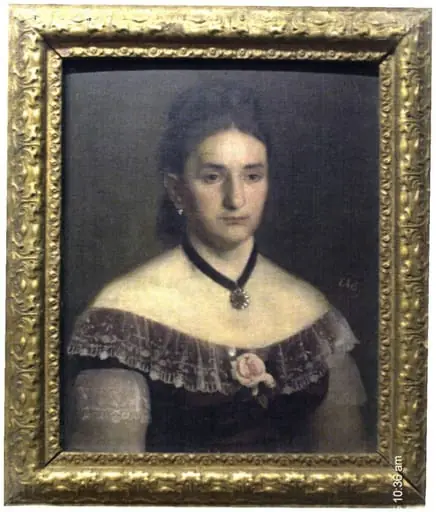
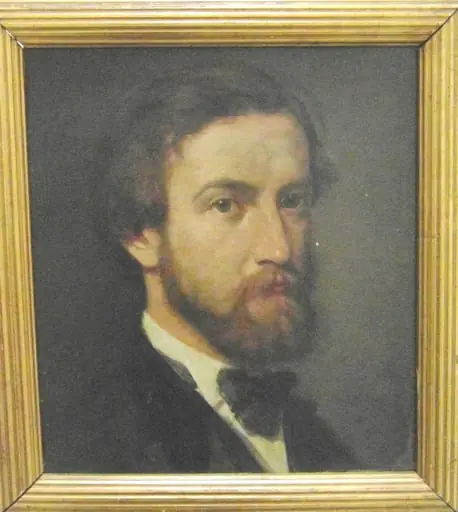
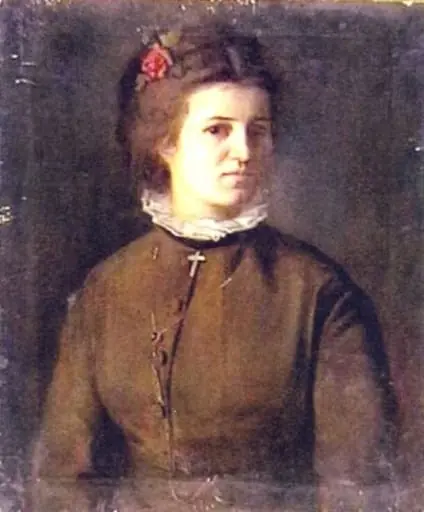
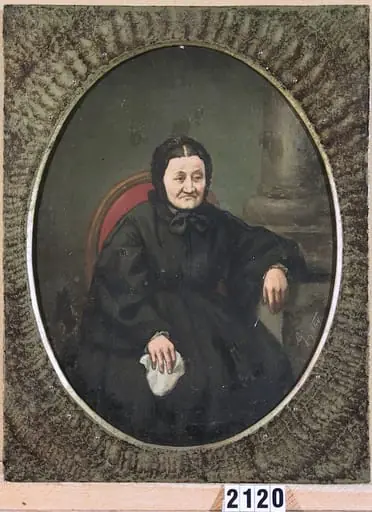
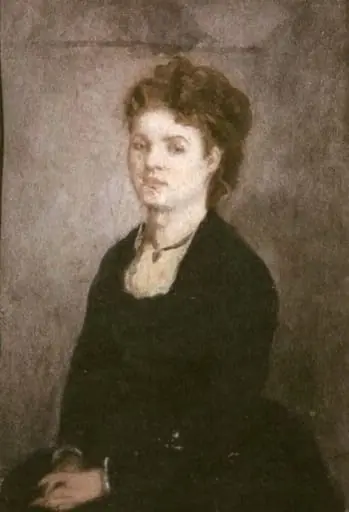
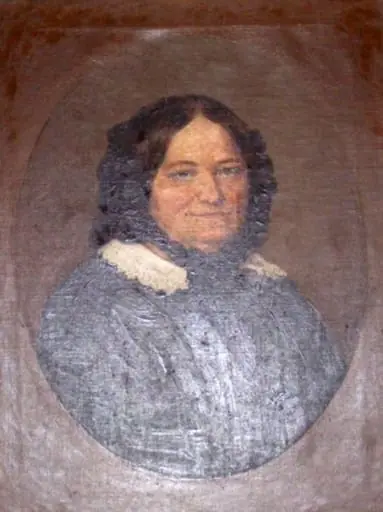
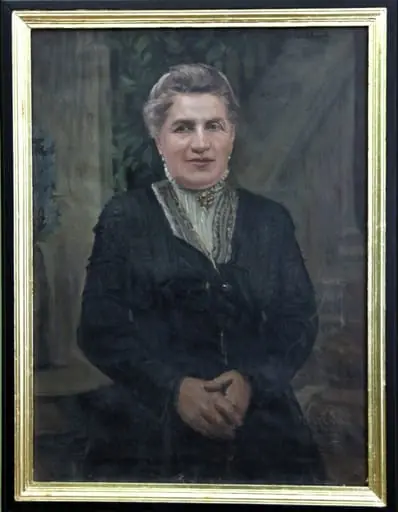
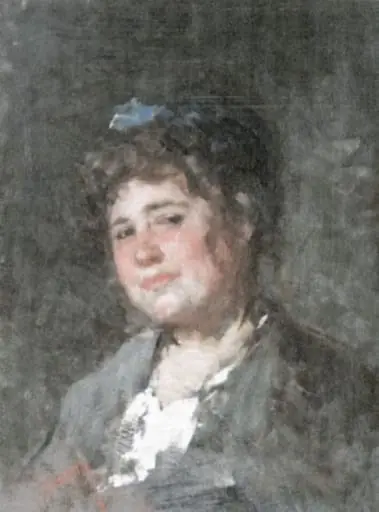
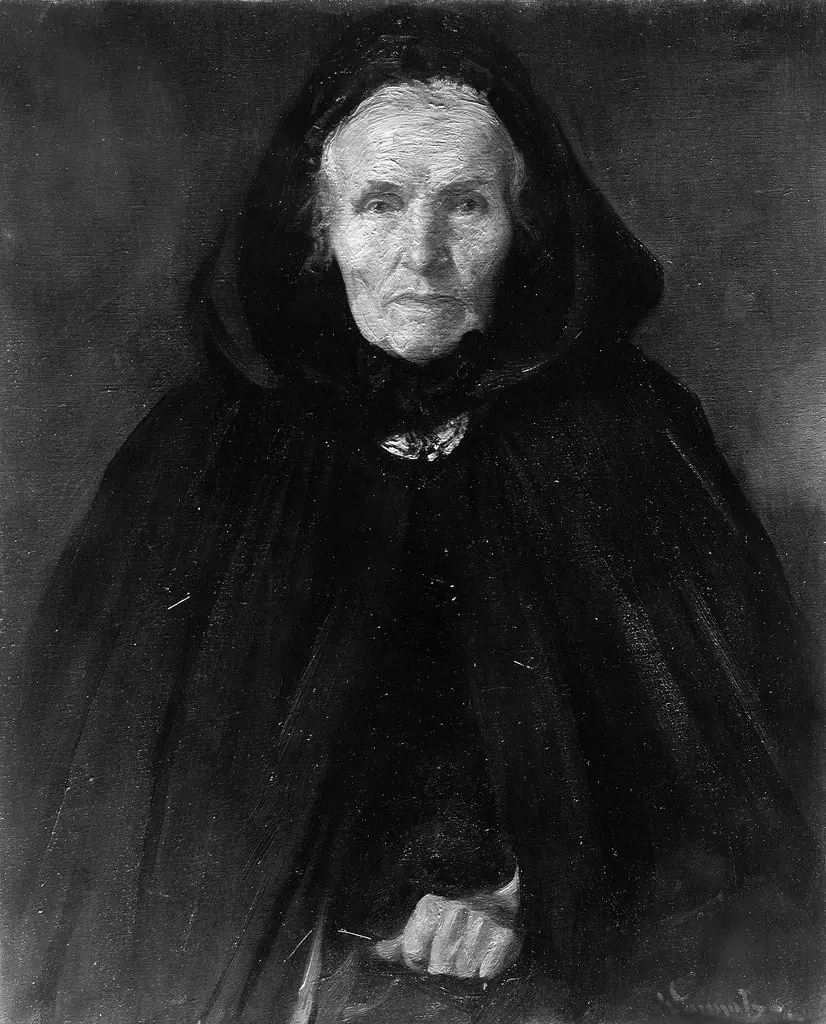
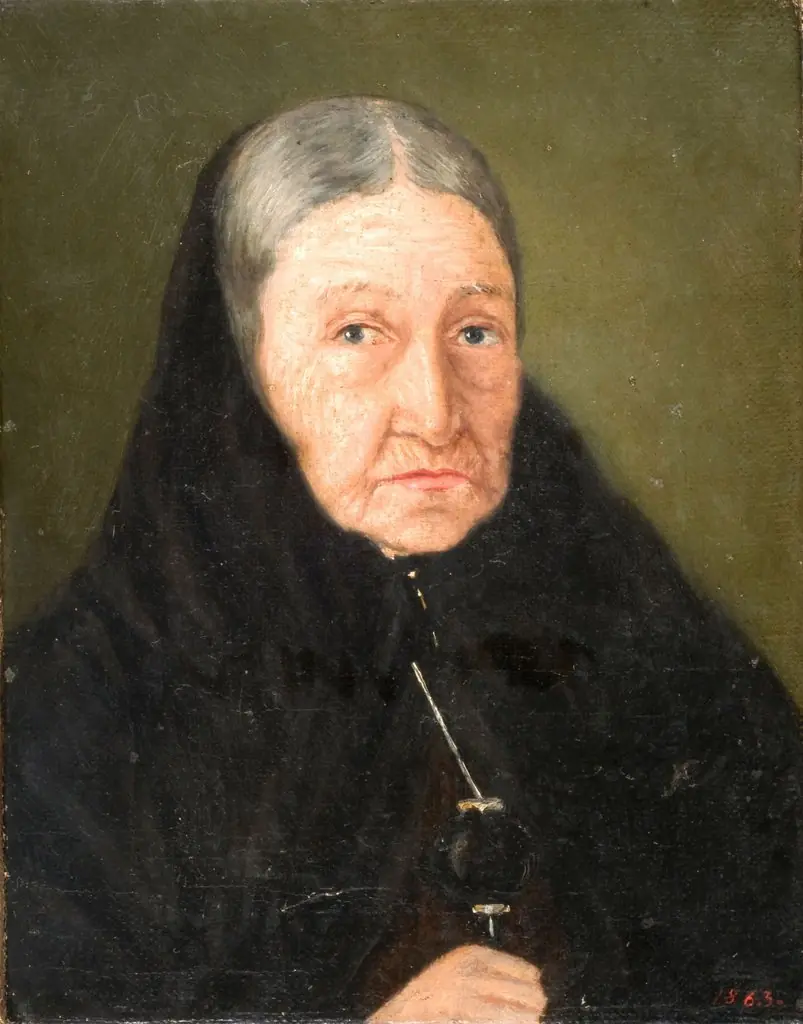
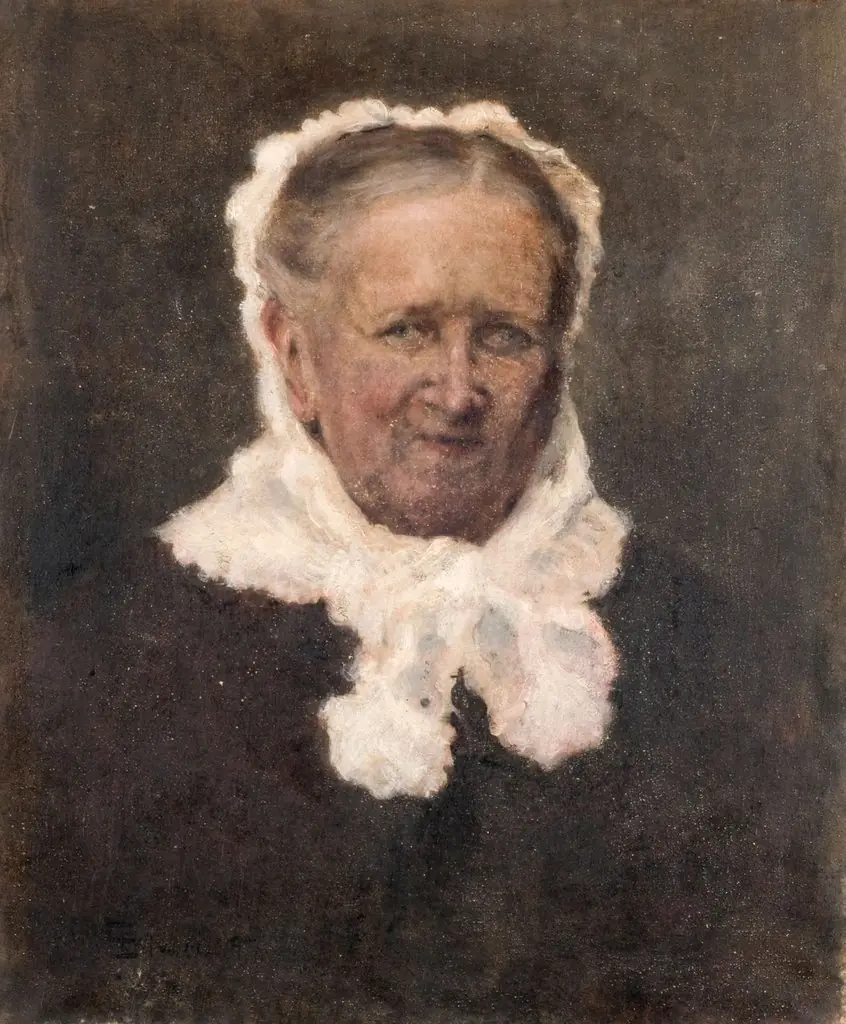
Portret de femeie is an unspecified painting by Epaminonda Bucevschi. It dates from 1850 and is held in the collection of the Moldova National Museum Complex.
About this work
Overview
Painted around 1850 by Epaminonda Bucevschi, this portrait presents a close-up view of a woman’s face against a deep, unmodulated background. The composition eliminates extraneous detail, centering attention entirely on the subject’s features. The restrained palette and focused illumination reflect a deliberate emphasis on psychological presence rather than narrative or adornment.
Subject & Meaning
The woman’s expression is composed and unsmiling, with a subtle furrow between the brows that suggests introspection or solemnity. Her gaze is direct, engaging the viewer without warmth or pretense. The absence of jewelry, clothing detail, or contextual clues reinforces an emphasis on inner character, inviting contemplation of identity beyond social role or status.
Technique & Style
Bucevschi employs chiaroscuro to model the face with soft gradations of light and shadow, enhancing volume and texture. The skin appears slightly textured, rendered with deliberate brushwork that avoids idealization. Warm tones on the cheeks contrast with cool shadows beneath the eyes and along the jawline, creating a lifelike, unvarnished presence grounded in observation rather than convention.
History & Provenance
The painting’s early history remains undocumented, with no clear record of its original commission or early ownership. It is known only through later institutional acquisition and scholarly attribution to Bucevschi, a 19th-century Romanian artist active in the mid-century period. Its survival suggests it was preserved within private or regional collections before entering public hands.
Context
Created during a time when Romanian art was beginning to develop a distinct national identity, this portrait reflects a shift toward intimate, individualized representation. While academic traditions still dominated, Bucevschi’s focus on psychological realism aligns with broader European trends toward naturalism, diverging from formal portraiture in favor of emotional authenticity.
Legacy
Though not widely exhibited or reproduced, the portrait stands as an early example of psychological portraiture in Romanian art. Its quiet intensity and technical restraint have influenced later generations of artists seeking to convey inner life through minimal means. It remains a quiet but significant marker in the transition toward modern Romanian visual culture.
Artist & collection
Artist
A painter working in early 20th-century Bucharest, Epaminonda Bucevschi left behind small oil portraits like Portret de femeie and Femeie tânără.