Artwork
A cette lueur soudaine...
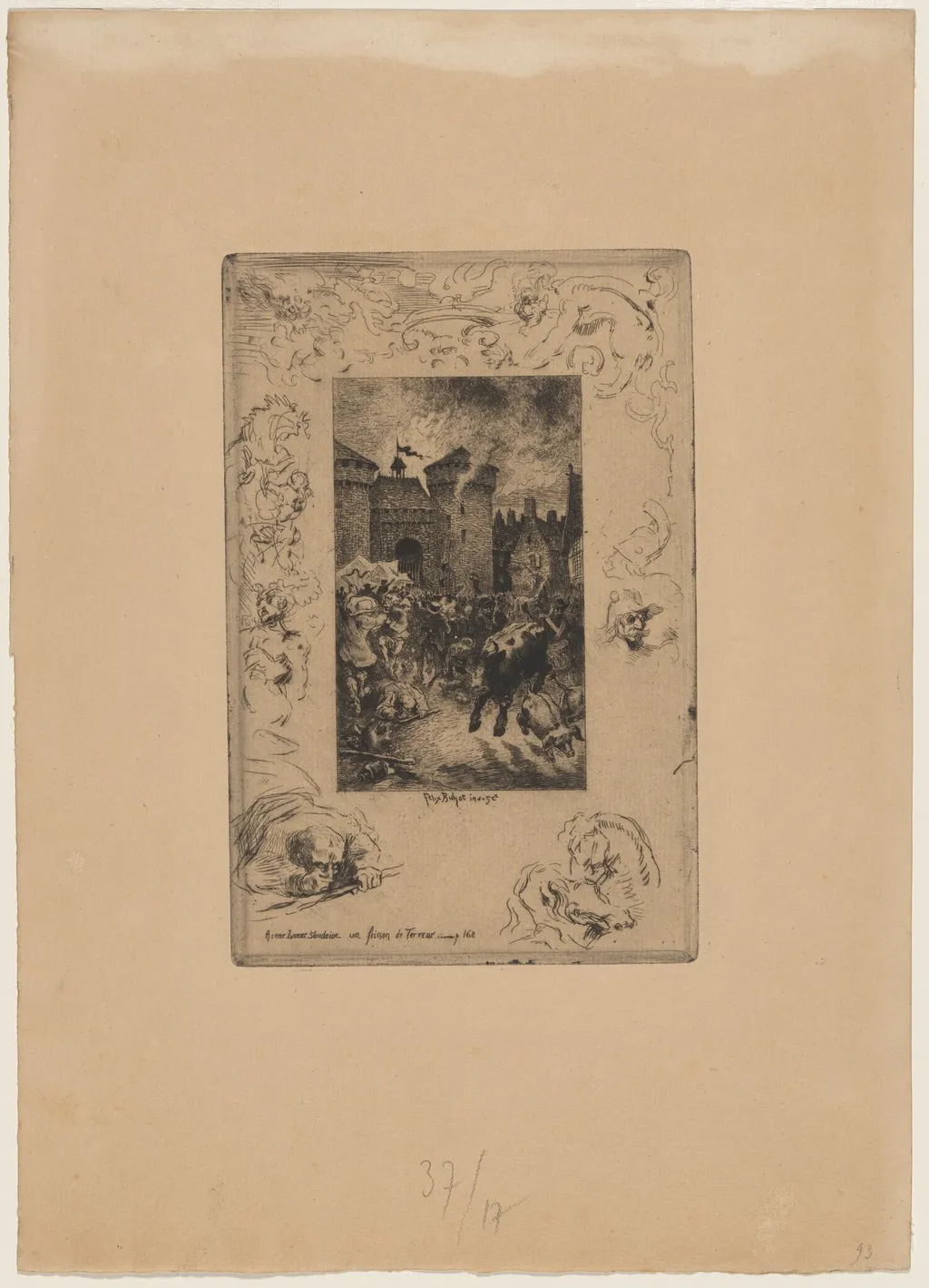
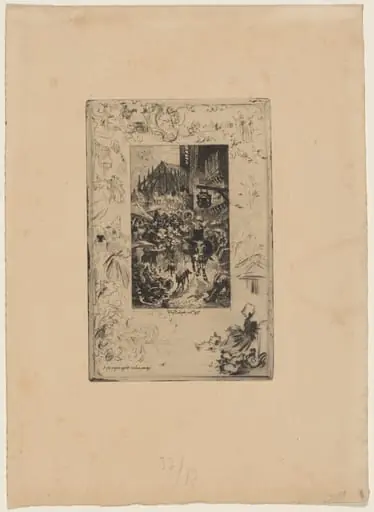
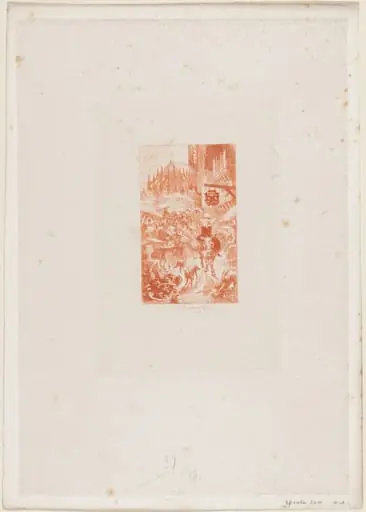
A cette lueur soudaine... is an ink print by the Romanticist artist Félix-Hilaire Buhot. It dates from 1878 and is held in the collection of the National Gallery of Art.
About this work
Overview
Created in 1878, this print by Félix-Hilaire Buhot combines etching and drypoint on laid paper, possibly treated with turpentine to enhance tonal depth. The work captures a moment of sudden urban unrest at night, rendered with aggressive line work and textured surfaces. Its rough, spontaneous quality suggests immediacy, as if the scene was recorded in real time rather than composed in the studio.
Subject & Meaning
The scene depicts a panicked crowd fleeing through a narrow, dimly lit street, some carrying possessions, others caught in the chaos.
The scene depicts a panicked crowd fleeing through a narrow, dimly lit street, some carrying possessions, others caught in the chaos. A horse and rider collide with the throng, amplifying the sense of disorder. The crumbling architecture and barred gate hint at urban decay, while the storm-lit sky intensifies the atmosphere of crisis. The work evokes disruption—not of war or revolution, but of sudden, unexplained upheaval in daily life.
Technique & Style
Buhot employed drypoint for its rich, burr-heavy lines and etching for finer contours, creating a dense interplay of light and shadow. The paper may have been soaked in turpentine to soften the plate’s surface, allowing deeper ink retention and smudged tonal effects. The strokes are erratic and layered, mimicking the motion of running figures and falling rain, giving the image a tactile urgency that blurs the line between drawing and print.
History & Provenance
The print emerged during Buhot’s most active period in Paris, where he documented the city’s evolving streetscapes and social rhythms. While specific early ownership records are sparse, it was likely circulated among collectors of modern French prints in the late 19th century. Its survival in institutional collections today reflects its status as a significant example of his experimental printmaking during the 1870s.
Context
Produced in the aftermath of the Franco-Prussian War and during Paris’s reconstruction, the image resonates with broader anxieties about urban instability. Buhot was part of a generation of artists turning from idealized scenes to raw, transient moments of city life. This print aligns with contemporary interest in capturing fleeting, unposed events—echoing the rise of photojournalism and the influence of emerging realist aesthetics.
Legacy
Though not widely exhibited in his lifetime, this work exemplifies Buhot’s contribution to the revival of expressive printmaking in France. His use of texture and motion influenced later printmakers exploring psychological tension through technique. Today, it stands as a quiet but potent record of urban vulnerability, valued for its emotional honesty and technical innovation rather than its popularity.
Artist & collection

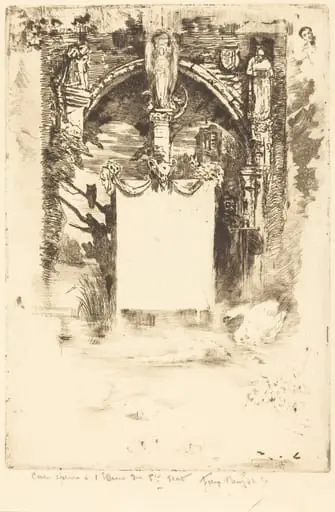 Ex-Libris pour "L'Ensorcelée" (Bookplate for "L'Ensorcelée")
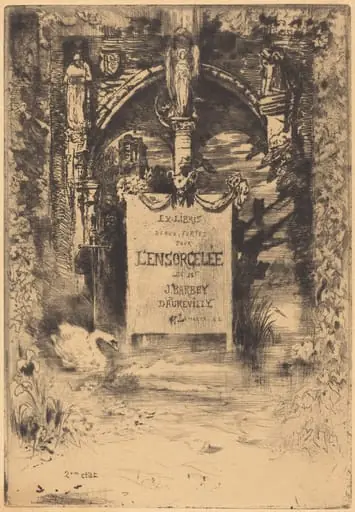 Ex-Libris pour "L'Ensorcelée" (Bookplate for "L'Ensorcelée")
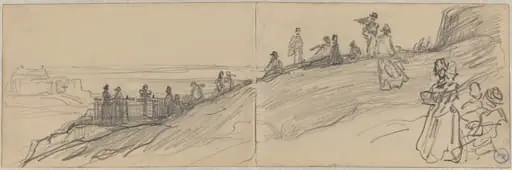 Figures on Top of a Hill, Overlooking the Sea
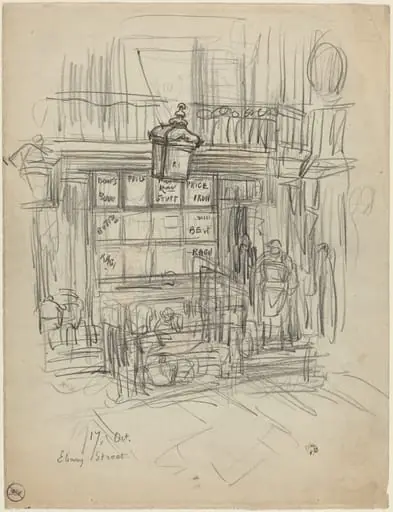 Ebury Street
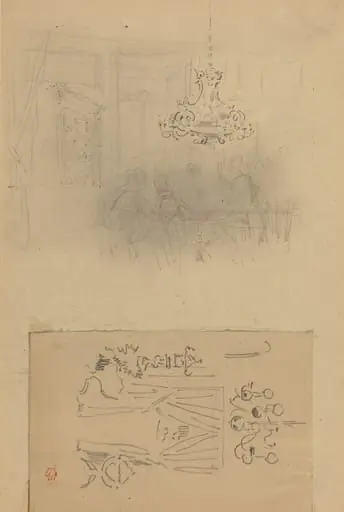 A Gathering in an Interior; A Curtained Doorway
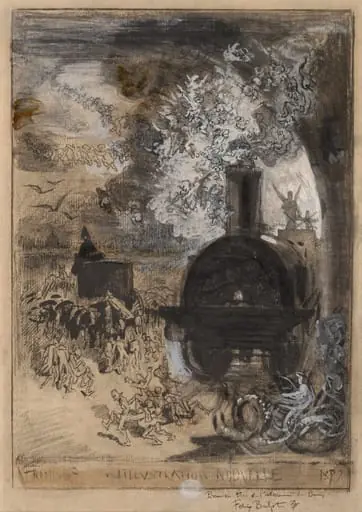 Frontispiece for L'Illustration Nouvelle: The Burial of the Burin
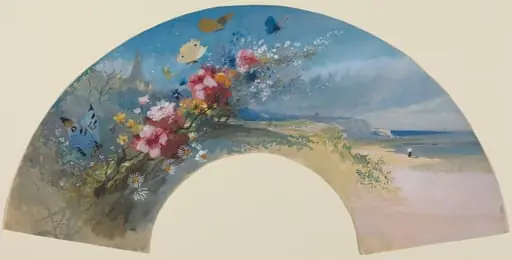 Fan with Wildflowers and Butterflies against the Norman Coast
![Gillingham Pier, London [verso], by Félix-Hilaire Buhot](https://artifactworldgallery.com/img/felix-hilaire-buhot--gillingham-pier-london-verso--641e03dd7de8217b-w320.webp) Gillingham Pier, London [verso]
Gillingham Pier, London [verso]