Artwork
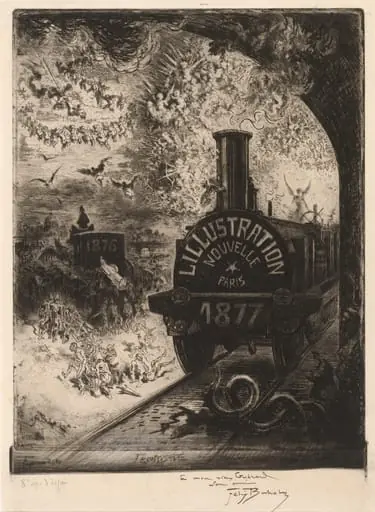
Frontispiece for L'Illustration Nouvelle: The Burial of the Burin
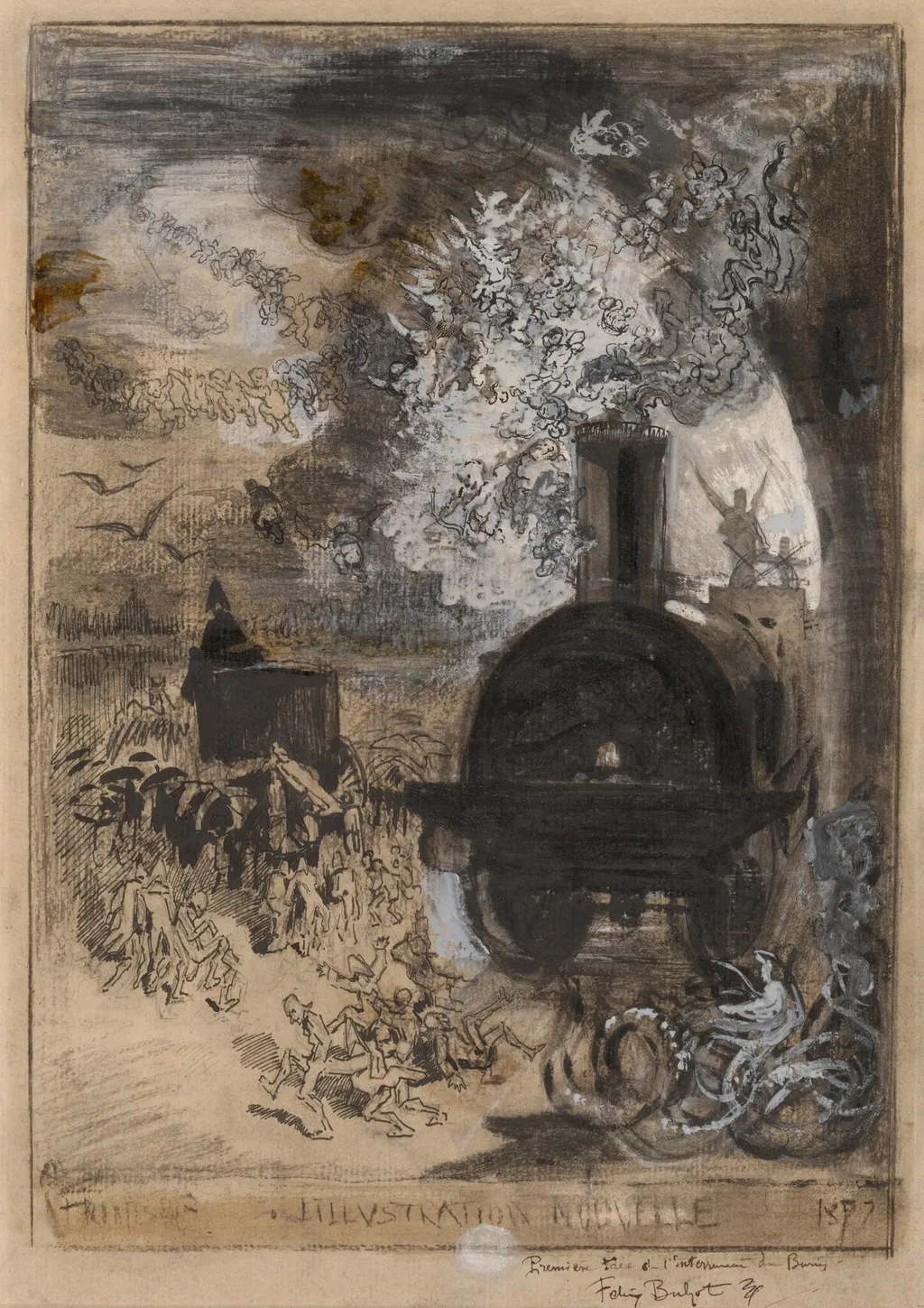
Frontispiece for L'Illustration Nouvelle: The Burial of the Burin is an ink drawing by the Impressionist artist Félix-Hilaire Buhot. It dates from 1877 and is held in the collection of the National Gallery of Art. Created in 1877, this drawing serves as the frontispiece for L'Illustration Nouvelle.
About this work
Overview
Created in 1877, this drawing serves as the frontispiece for L'Illustration Nouvelle. Executed in pen, brush, and black ink, it incorporates gray and white gouache with white chalk highlights over an underlying charcoal sketch. The work is rendered on laid paper, combining precision with atmospheric tonality to convey a solemn ceremonial moment.
Subject & Meaning
The scene depicts a quiet funeral gathering around a buried burin—a tool used in engraving—symbolizing the passing of an artistic tradition. Figures in dark attire stand in stillness, their postures suggesting reverence. The burial of the tool, rather than a person, metaphorically marks the decline of hand-engraved illustration in the face of emerging mechanical reproduction.
Technique & Style
Buhot layered ink lines with opaque gouache to build depth and contrast, using white chalk to lift highlights and charcoal for soft underdrawing. The textures of fabric, earth, and stone are suggested through varied brushwork and stippling, avoiding smooth finishes. The composition balances detail with restraint, emphasizing mood over narrative clarity.
History & Provenance
Commissioned as an introductory image for a French illustrated journal, the work reflects contemporary debates about art and technology in print media. It remained within the publication’s archive until its later acquisition by a public collection, where it is now preserved as a document of 19th-century graphic culture.
Context
In the 1870s, engraving was being supplanted by photomechanical processes, prompting artists to reflect on the obsolescence of their craft. Buhot’s image responds to this shift not with protest, but with elegiac stillness. The drawing aligns with broader European artistic circles that mourned the fading handcrafted aesthetic in an age of industrial reproduction.
Legacy
Though not widely exhibited, the drawing is recognized in scholarly circles as a nuanced commentary on artistic transition. It exemplifies Buhot’s skill in merging documentary observation with symbolic gesture, influencing later illustrators who sought to preserve the emotional weight of traditional print techniques.
Artist & collection
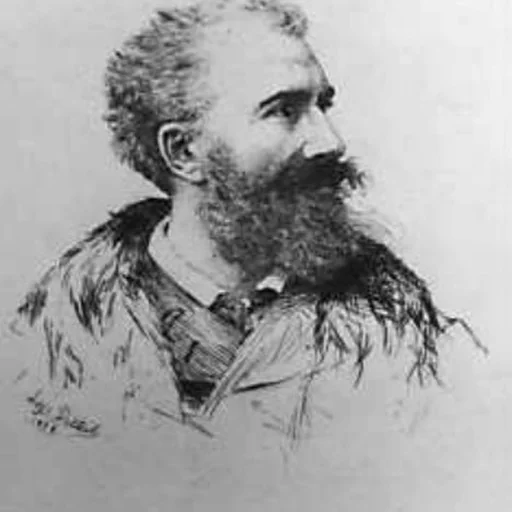

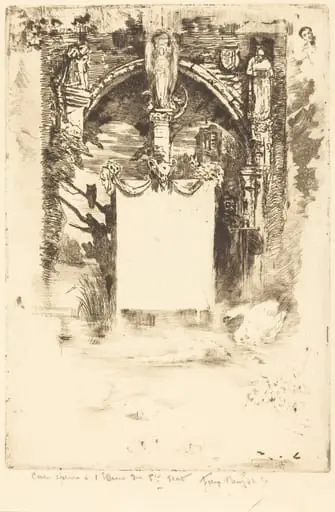 Ex-Libris pour "L'Ensorcelée" (Bookplate for "L'Ensorcelée")
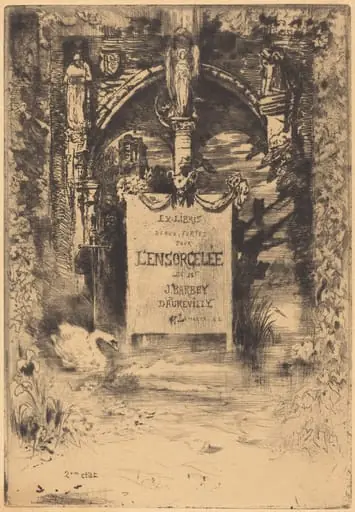 Ex-Libris pour "L'Ensorcelée" (Bookplate for "L'Ensorcelée")
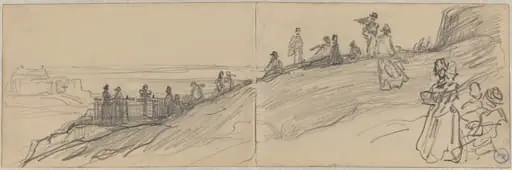 Figures on Top of a Hill, Overlooking the Sea
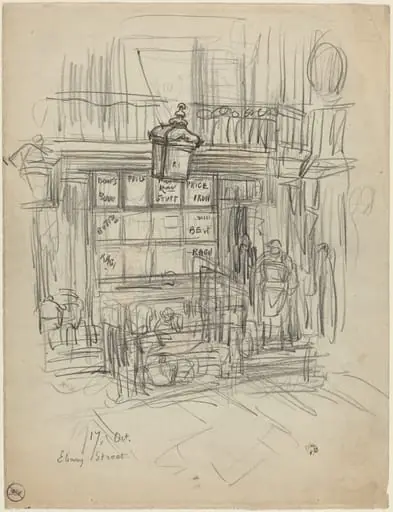 Ebury Street
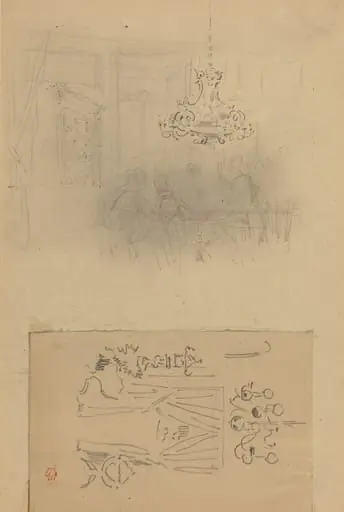 A Gathering in an Interior; A Curtained Doorway
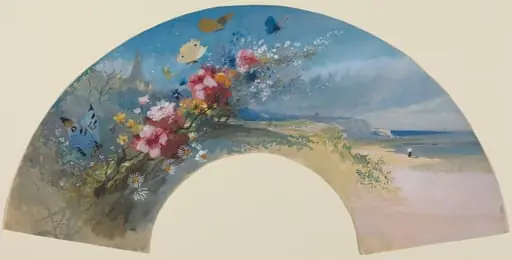 Fan with Wildflowers and Butterflies against the Norman Coast
![Gillingham Pier, London [verso], by Félix-Hilaire Buhot](https://artifactworldgallery.com/img/felix-hilaire-buhot--gillingham-pier-london-verso--641e03dd7de8217b-w320.webp) Gillingham Pier, London [verso]
Gillingham Pier, London [verso]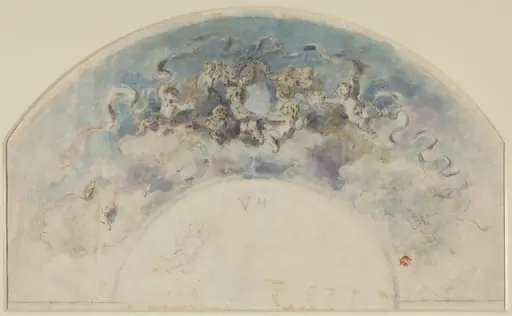 Drawing for a Fan
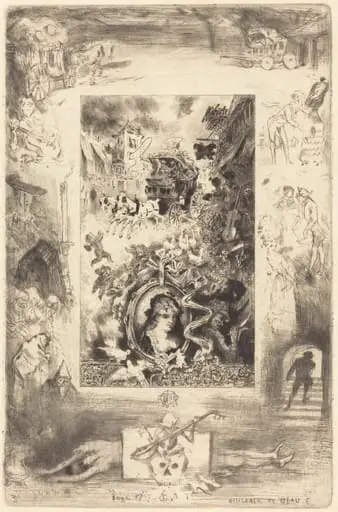 La Diligence de Beaucaire (The Diligence of Beaucaire)
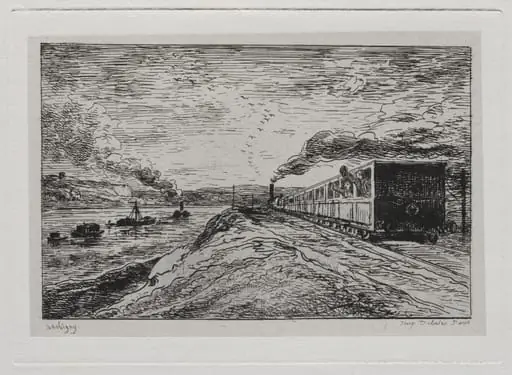 The Boat Trip: The Departure (The Return)
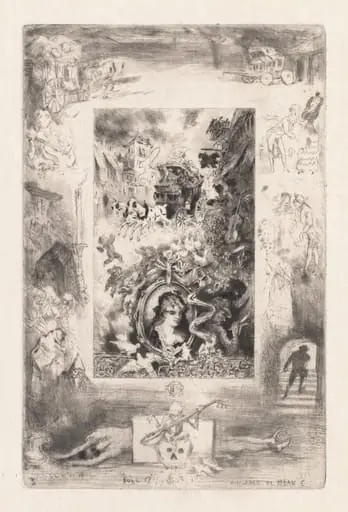 Letters from My Windmill:The Diligence of Beaucaire
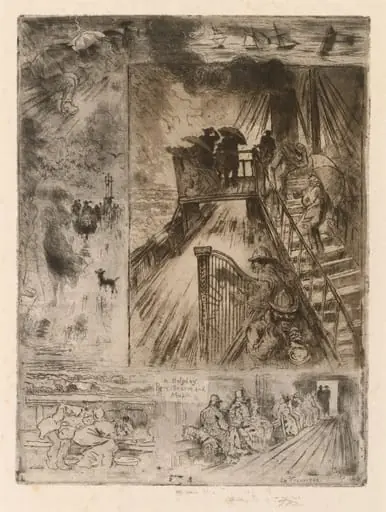 The Passage
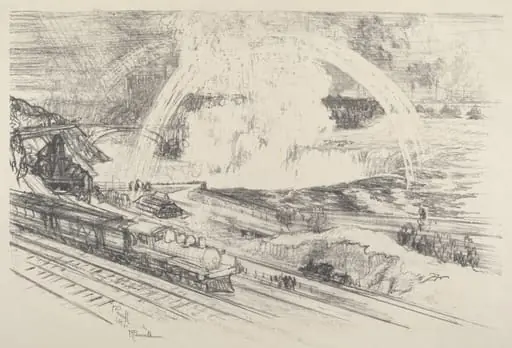 Falls Station, Niagara
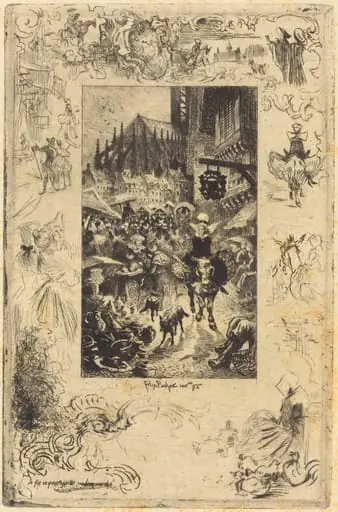 Je fis ce qu'on appelle un bon marché (I made what I would call a good bargain)
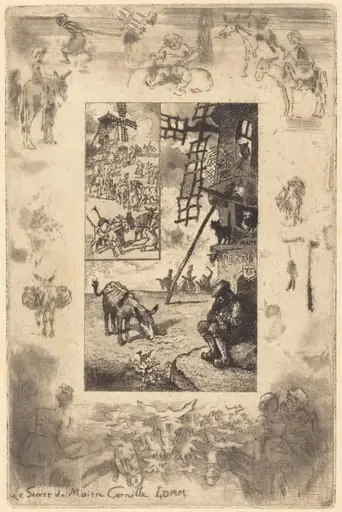 Le Secret du Mâitre Cornille (The Secret of Master Cornille)
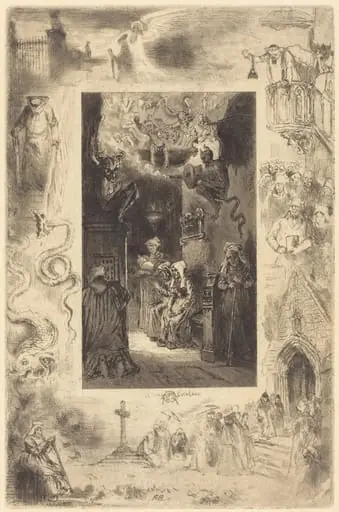 Le Curé de Cucugnan (The Vicar of Cucugnan)
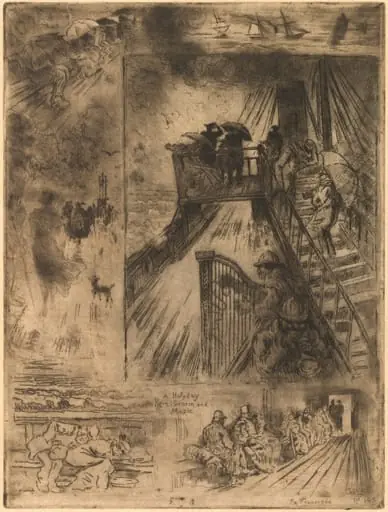 La Traversée (The Passage)
 Untitled
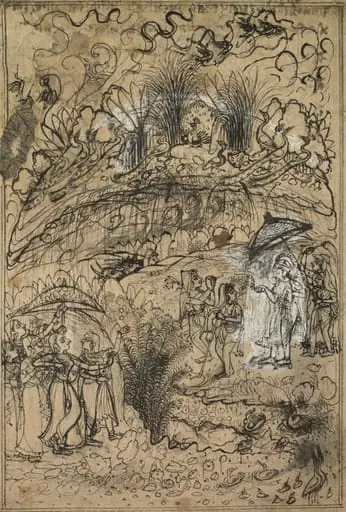 Krishna and Radha Under Mt. Govardhan
 Frontispiece for L'Illustration Nouvelle: The Burial of the Burin