Artwork
Un Grain à Trouville (Squall at Trouville)
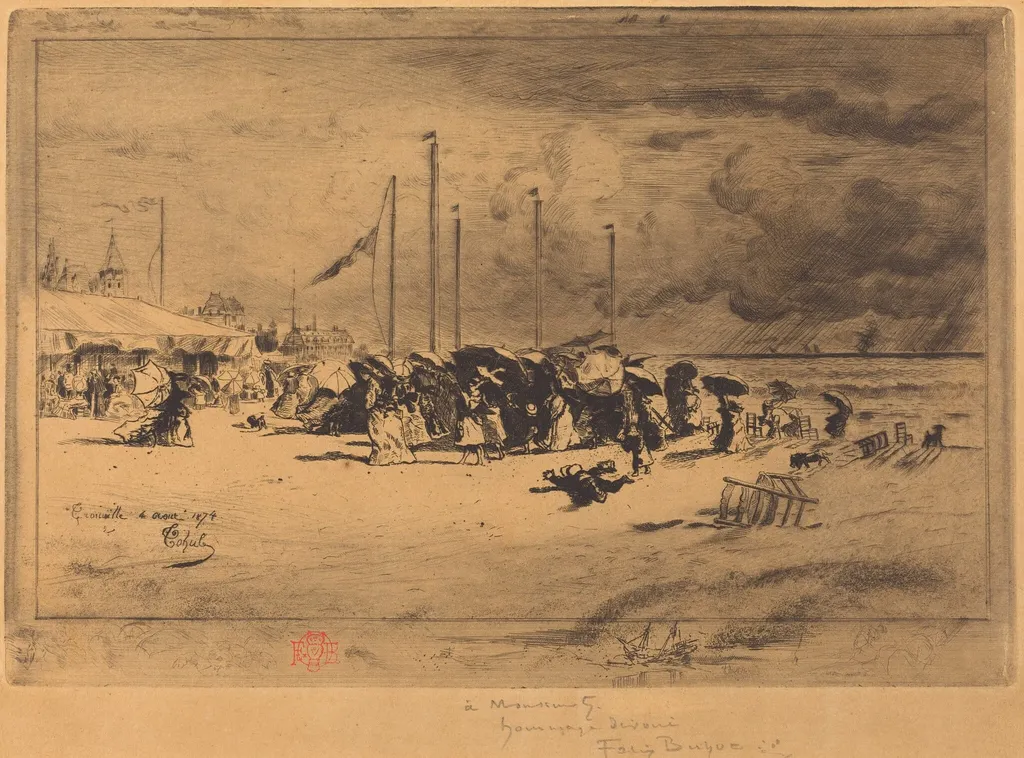
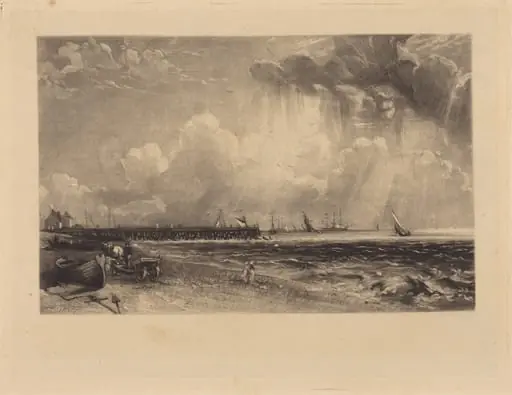
Un Grain à Trouville (Squall at Trouville) is an ink print by the Impressionist artist Félix-Hilaire Buhot. It dates from 1874 and is held in the collection of the National Gallery of Art.
About this work
Overview
Executed in etching, drypoint, and aquatint on wove paper, the work conveys the fleeting tension of a squall through layered tonal effects and incised lines.
Created in 1874, Un Grain à Trouville is a print by Félix-Hilaire Buhot that captures a sudden storm on the Normandy coast. Executed in etching, drypoint, and aquatint on wove paper, the work conveys the fleeting tension of a squall through layered tonal effects and incised lines. Unlike polished landscapes, it embraces the immediacy of a moment observed, reflecting Buhot’s interest in urban and coastal life under changing weather.
Subject & Meaning
The scene depicts beachgoers at Trouville caught mid-squall, their umbrellas twisting in the wind as they scramble for shelter. Figures are rendered in loose, gestural strokes, suggesting panic and motion rather than individual identity. The calm sea and quiet boats contrast with the chaotic sky, emphasizing nature’s abrupt intrusion into leisure. The work frames the storm not as disaster, but as a transient disruption of ordinary life.
Technique & Style
Buhot combined etching for fine lines, drypoint for rich, velvety blacks, and aquatint to achieve subtle gradations of tone. The sky’s turbulence emerges from dense, overlapping ink washes, while the crowd’s movement is suggested by fragmented, sketch-like contours. The paper’s texture enhances the graininess of sand and spray. These techniques allowed him to translate the ephemeral quality of weather and motion into a static medium.
History & Provenance
The print was made during Buhot’s frequent visits to Trouville, a popular seaside resort in the 1870s. It was likely produced in a small edition for collectors interested in modern life and printmaking innovation. No major institutional acquisition records exist from its early years, but it circulated among Parisian art circles familiar with the emerging interest in atmospheric, everyday scenes.
Context
In the 1870s, French artists increasingly turned to transient moments in public spaces, influenced by realism and early impressionism. Buhot’s focus on weather and crowd dynamics aligned with contemporaries like Degas and Manet, though he worked primarily in print. His choice of Trouville—a site of middle-class tourism—reflected broader social shifts toward seaside recreation and the aestheticization of ordinary urban experiences.
Legacy
Buhot’s print contributed to the revival of etching as a vehicle for modern subject matter in late 19th-century France. Though less widely known than his painterly peers, his technical experimentation with tone and movement influenced later printmakers interested in capturing mood over narrative. Un Grain à Trouville remains a quiet example of how printmaking could convey the fragility of human presence against natural forces.
Artist & collection

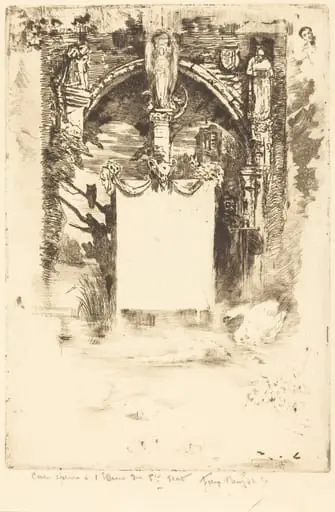 Ex-Libris pour "L'Ensorcelée" (Bookplate for "L'Ensorcelée")
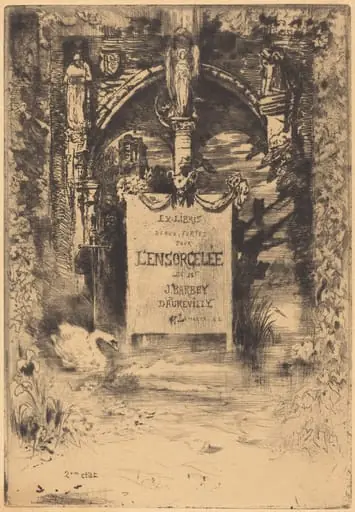 Ex-Libris pour "L'Ensorcelée" (Bookplate for "L'Ensorcelée")
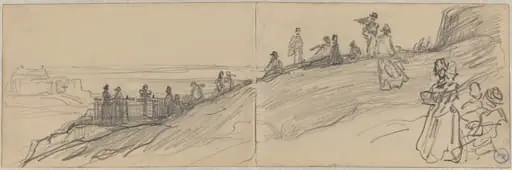 Figures on Top of a Hill, Overlooking the Sea
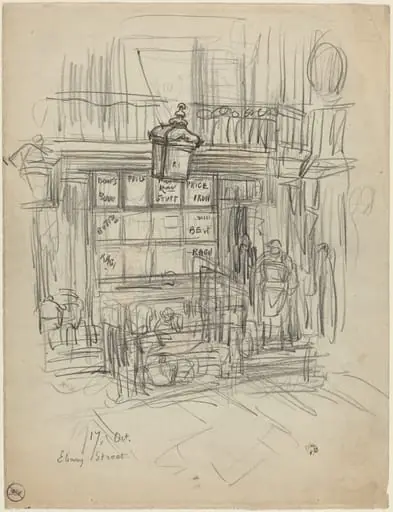 Ebury Street
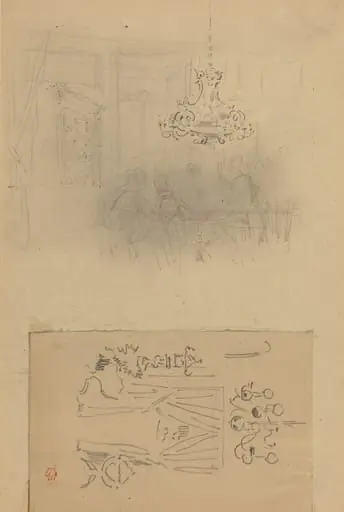 A Gathering in an Interior; A Curtained Doorway
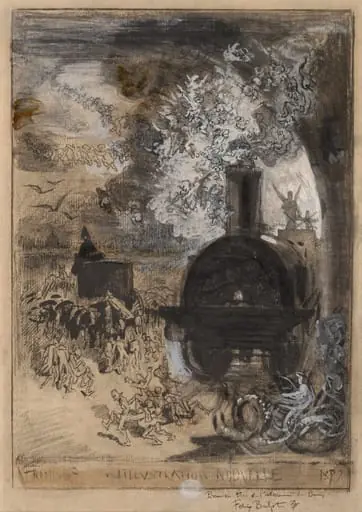 Frontispiece for L'Illustration Nouvelle: The Burial of the Burin
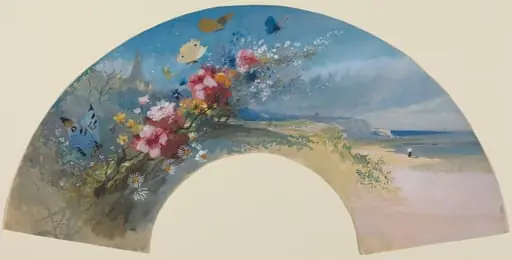 Fan with Wildflowers and Butterflies against the Norman Coast
![Gillingham Pier, London [verso], by Félix-Hilaire Buhot](https://artifactworldgallery.com/img/felix-hilaire-buhot--gillingham-pier-london-verso--641e03dd7de8217b-w320.webp) Gillingham Pier, London [verso]
Gillingham Pier, London [verso]