Artwork
Hunworth Church
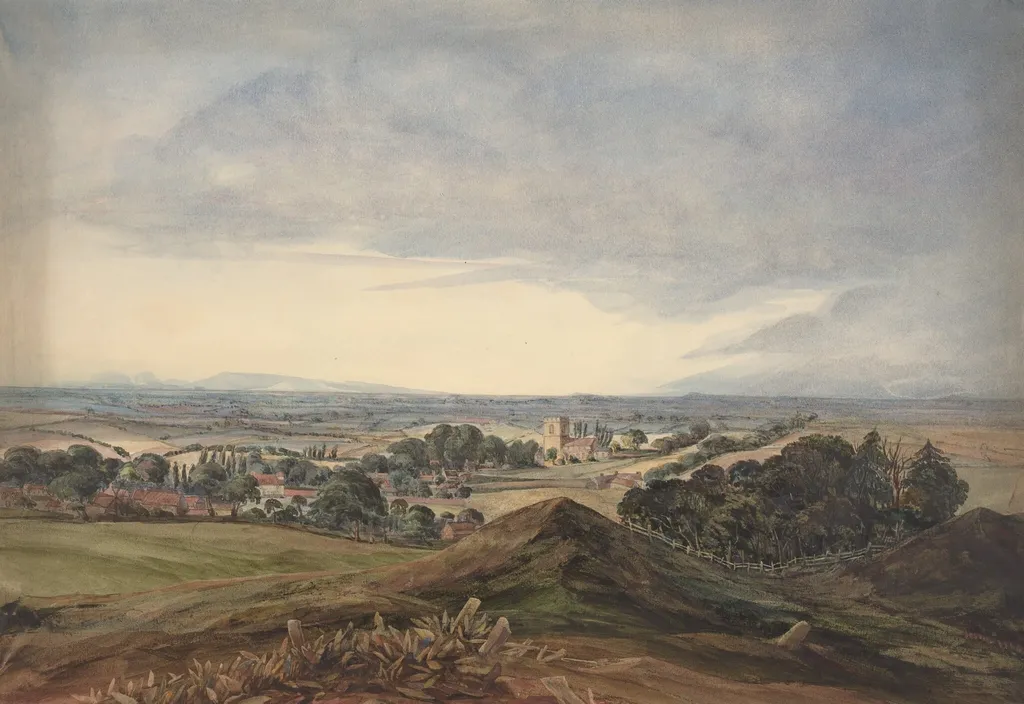
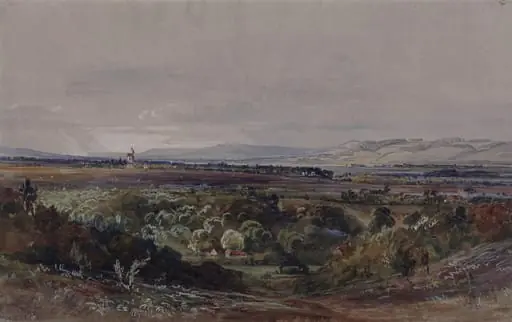
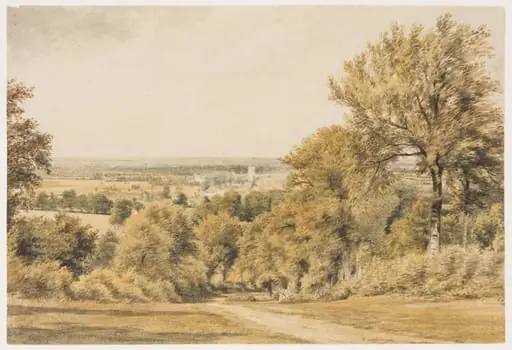
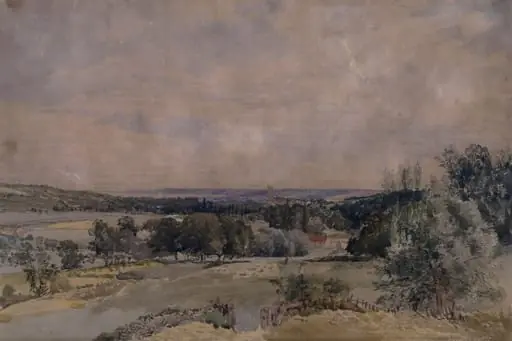
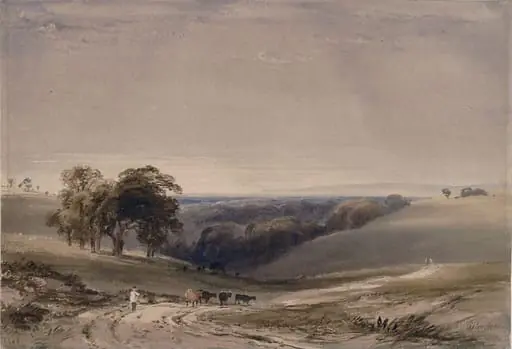
Hunworth Church is a graphite drawing by the Romanticist artist James Bulwer. It dates from 1834 and is held in the collection of the National Gallery of Art.
About this work
Overview
The composition emphasizes stillness and spatial depth, with soft atmospheric effects guiding the eye toward distant hills.
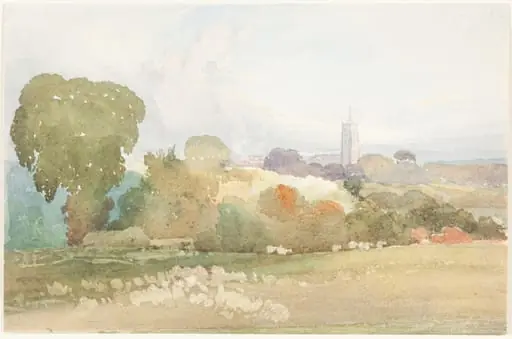
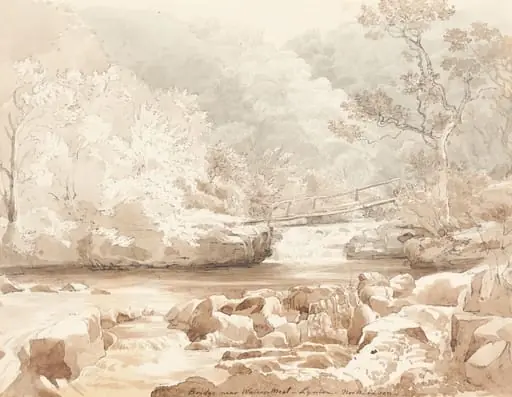
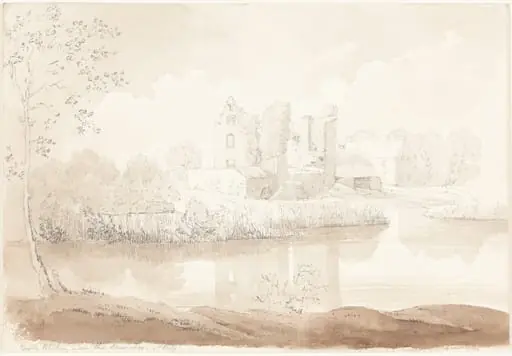
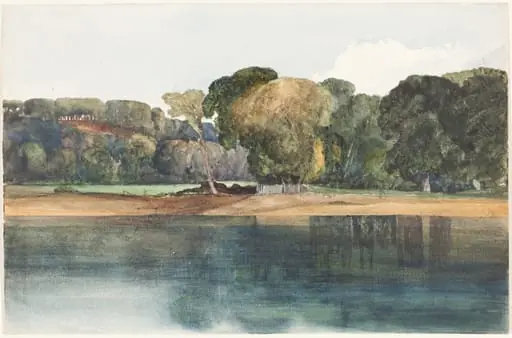
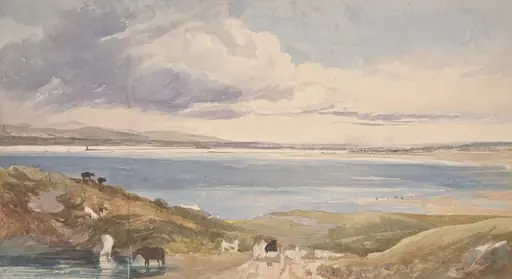
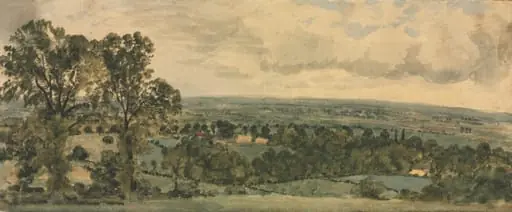
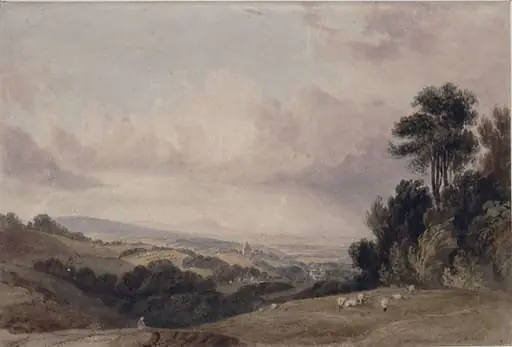
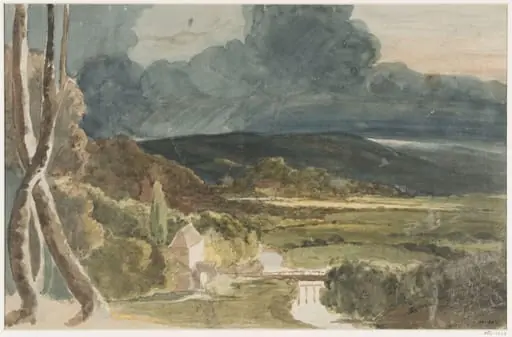
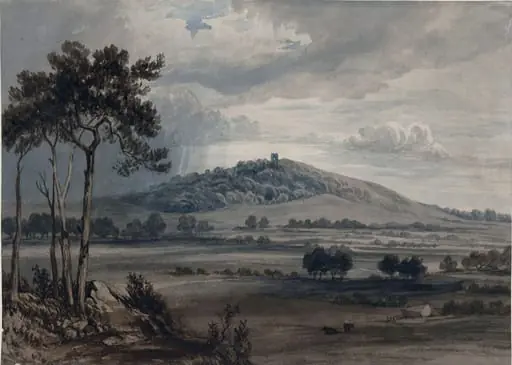
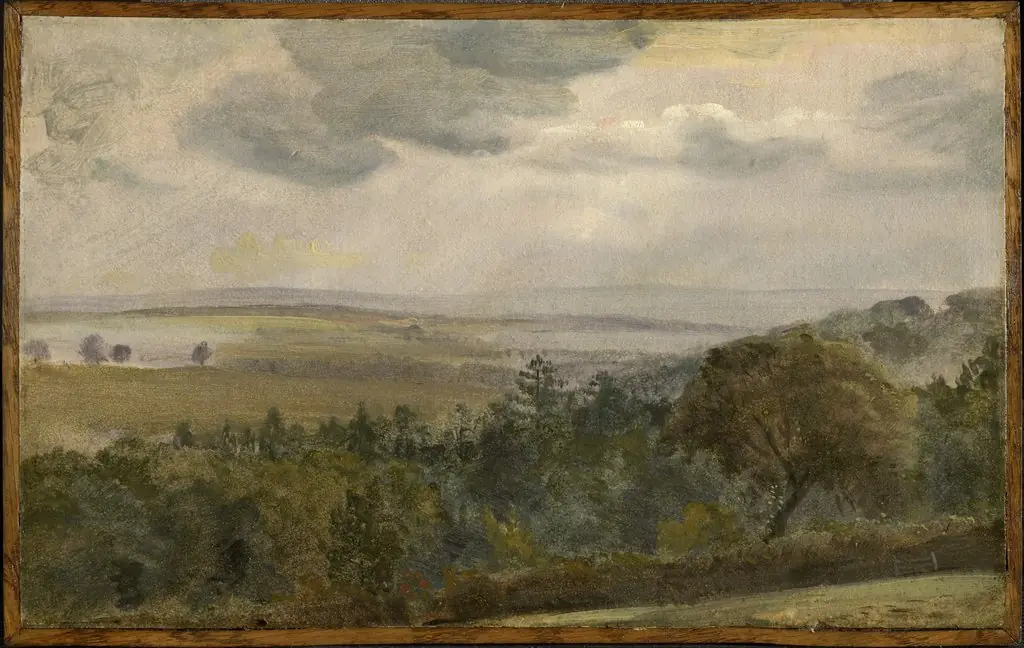
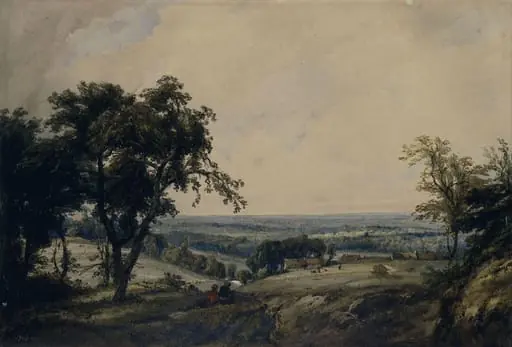
Created in 1834, Hunworth Church is a delicate watercolor and graphite drawing by James Bulwer. It captures a quiet rural landscape centered on a modest church nestled among trees and rolling fields. The composition emphasizes stillness and spatial depth, with soft atmospheric effects guiding the eye toward distant hills. The restrained palette and fluid handling reflect a sensitivity to natural light and quiet solitude.
Subject & Meaning
The subject is a modest parish church in the Norfolk countryside, framed by trees and open land. Rather than emphasizing architectural grandeur, the artist focuses on its integration into the landscape. The scene conveys a sense of enduring calm, suggesting harmony between human presence and the natural world. There is no narrative or drama—only the quiet rhythm of rural life.
Technique & Style
Bulwer employed loose, transparent watercolor washes over light graphite underdrawing to achieve a hazy, atmospheric effect. Colors blend gently—muted greens, earthy browns, and pale blues—while darker accents in the foreground trees anchor the composition. The absence of sharp lines and the soft edges between forms create a dreamlike stillness, characteristic of early 19th-century British landscape drawing.
History & Provenance
The work was completed during Bulwer’s active period as a topographical artist in eastern England. Likely made on-site, it reflects his practice of documenting regional architecture and scenery. Its survival suggests it was kept within private collections, possibly by local patrons or fellow artists, though its early ownership remains undocumented.
Context
Produced during the height of Romanticism in British art, the drawing aligns with a broader interest in rural tranquility and the emotional resonance of landscape. Unlike grand Romantic vistas, Bulwer’s approach is intimate and restrained, favoring quiet observation over dramatic expression. It reflects a regional variant of Romantic sensibility rooted in everyday English scenery.
Legacy
Hunworth Church exemplifies the quiet tradition of British watercolor drawing in the early 1800s, valued for its observational precision and lyrical tone. While not widely exhibited in its time, it contributes to the understanding of how local artists interpreted landscape beyond the monumental. Its preservation offers insight into the aesthetic values of provincial artistic practice.
Own this work as a print
Artist & collection