Artwork
A Lady at her Toilette
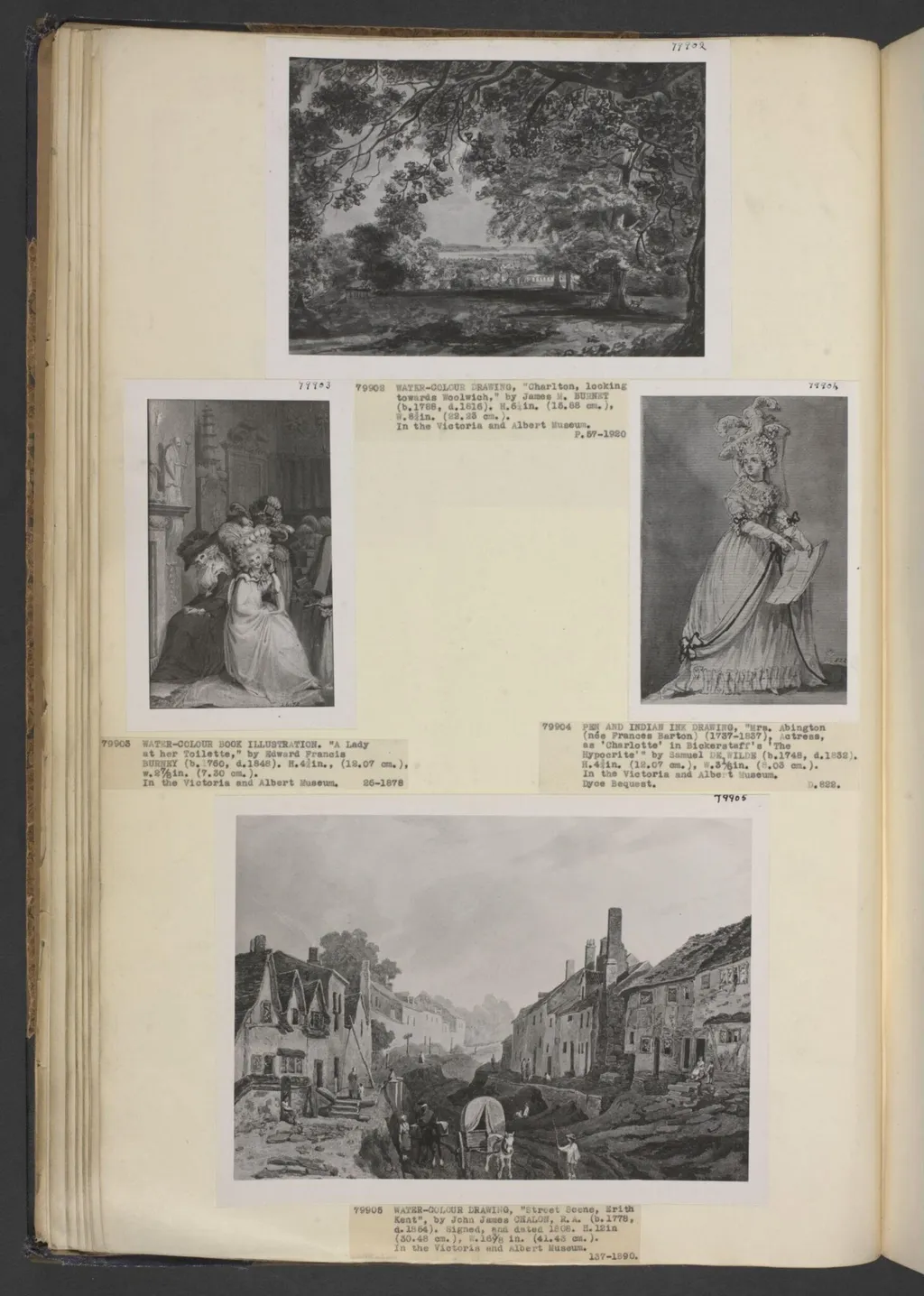
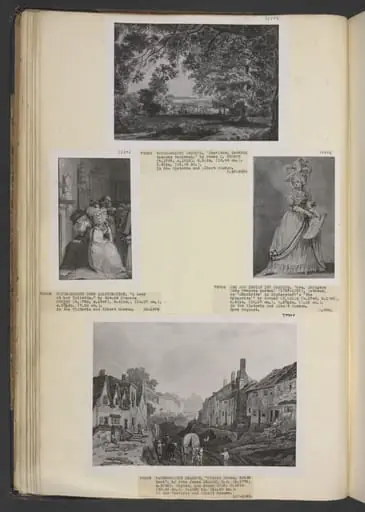
A Lady at her Toilette is a drawing by the Romanticist artist Burney. It dates from 1780 and is held in the collection of the Victoria and Albert Museum.
About this work
Overview
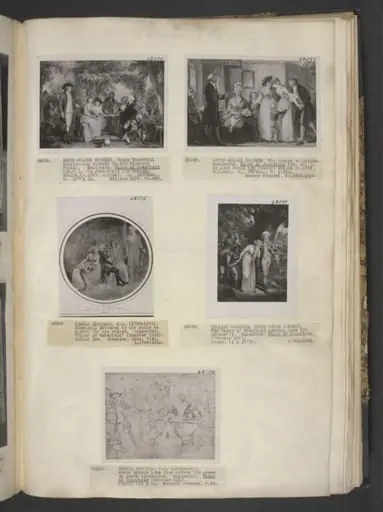
Created in 1780, the drawing *A Lady at her Toilette* by Burney captures a moment of private grooming. The composition centers on a seated woman, fan in hand, attended by another figure who adjusts her attire, set within a dimly lit interior that includes a mirror and a small statue on a shelf.
Subject & Meaning
The work illustrates the ritual of personal care among upper‑class women of the late eighteenth century, emphasizing the social customs surrounding dress and appearance. The presence of a servant suggests the role of assistance in maintaining elaborate fashions, while the mirror reflects contemporary concerns with self‑presentation and modest intimacy.
Technique & Style
Burney employs fine, intersecting lines to model form and suggest the softness of fabrics, a method known as cross‑hatching. This approach creates subtle gradations of tone that convey the texture of lace and the sheen of silk, aligning the piece with the prevailing drawing techniques of the period.
History & Provenance
The drawing was produced in 1780, a time when domestic genre scenes were popular among British artists. While specific ownership records are scarce, the piece has been referenced in catalogues of eighteenth‑century British drawings and is representative of Burney’s oeuvre in intimate interior subjects.
Context
In the late eighteenth century, women’s toilette rituals were both a personal and social activity, often depicted to comment on gender roles and class distinctions. The inclusion of decorative objects such as the mirror and statue reflects contemporary tastes for neoclassical ornamentation within private chambers.
Artist & collection
Artist
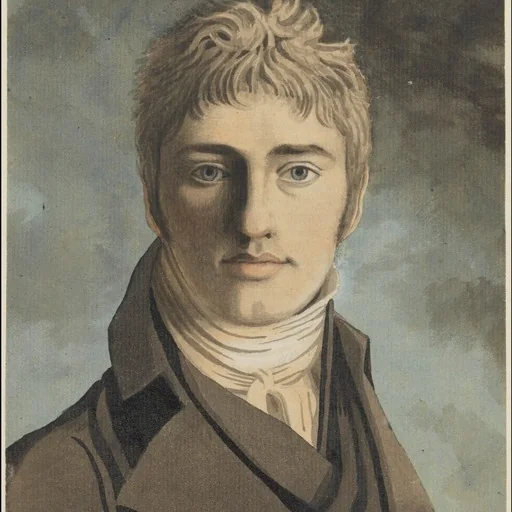
Edward Francis Burney (7 September 1760 – 16 December 1848) was an English painter. His middle name is sometimes given as "Francisco" or "Francesco".