Artwork
The Wounded Soldier
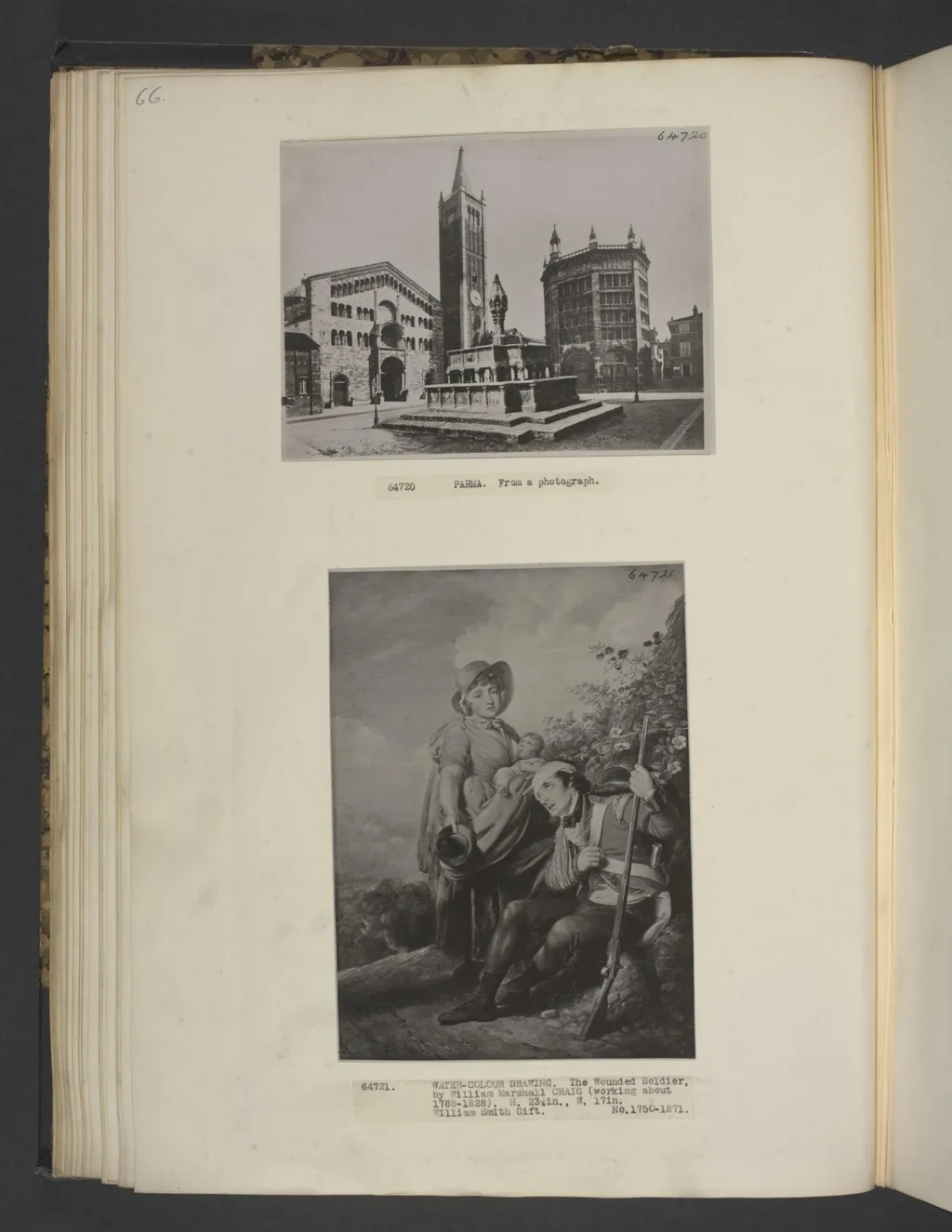
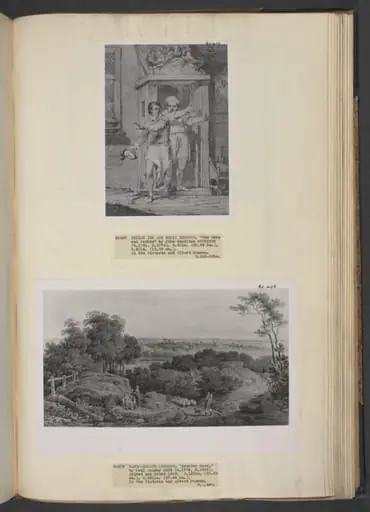
The Wounded Soldier is a watercolor work on paper by the Neoclassicist artist Marshall Craig. It dates from 1788 and is held in the collection of the Victoria and Albert Museum.
About this work
Overview
*The Wounded Soldier* is a watercolour executed by Marshall Craig in 1788. The work presents a small outdoor scene populated by three figures—a woman with an infant, a seated man whose arm is bound, and a second man supporting himself on a walking stick—set against a gently rolling, rocky hillside dotted with vegetation.
Subject & Meaning
The composition suggests a moment of respite after conflict or hardship. The bandaged arm and the reliance on a stick imply injury, while the woman's protective posture toward the child conveys care and vulnerability. The muted expressions of the men and the simple attire of the woman emphasize the ordinary, human cost of adversity.
Technique & Style
Craig employs the translucent qualities of watercolour to render soft, atmospheric lighting and delicate shading. A restrained palette of earth tones and pastel hues creates a calm mood, while subtle brushwork defines the figures and surrounding foliage without harsh outlines, aligning the piece with the late‑eighteenth‑century interest in emotive, genre‑type scenes.
Context
Created toward the end of the eighteenth century, the painting reflects the period’s growing fascination with personal feeling and everyday subjects, themes later amplified by Romanticism. Though not overtly dramatic, the work’s focus on a wounded individual and his family situates it within contemporary concerns about war, injury, and domestic resilience.
Artist & collection
Artist
This artist made gentle watercolors and drawings of faraway places and quiet scenes between about 1788 and 1828.