Artwork
Guy Little Theatrical Photograph
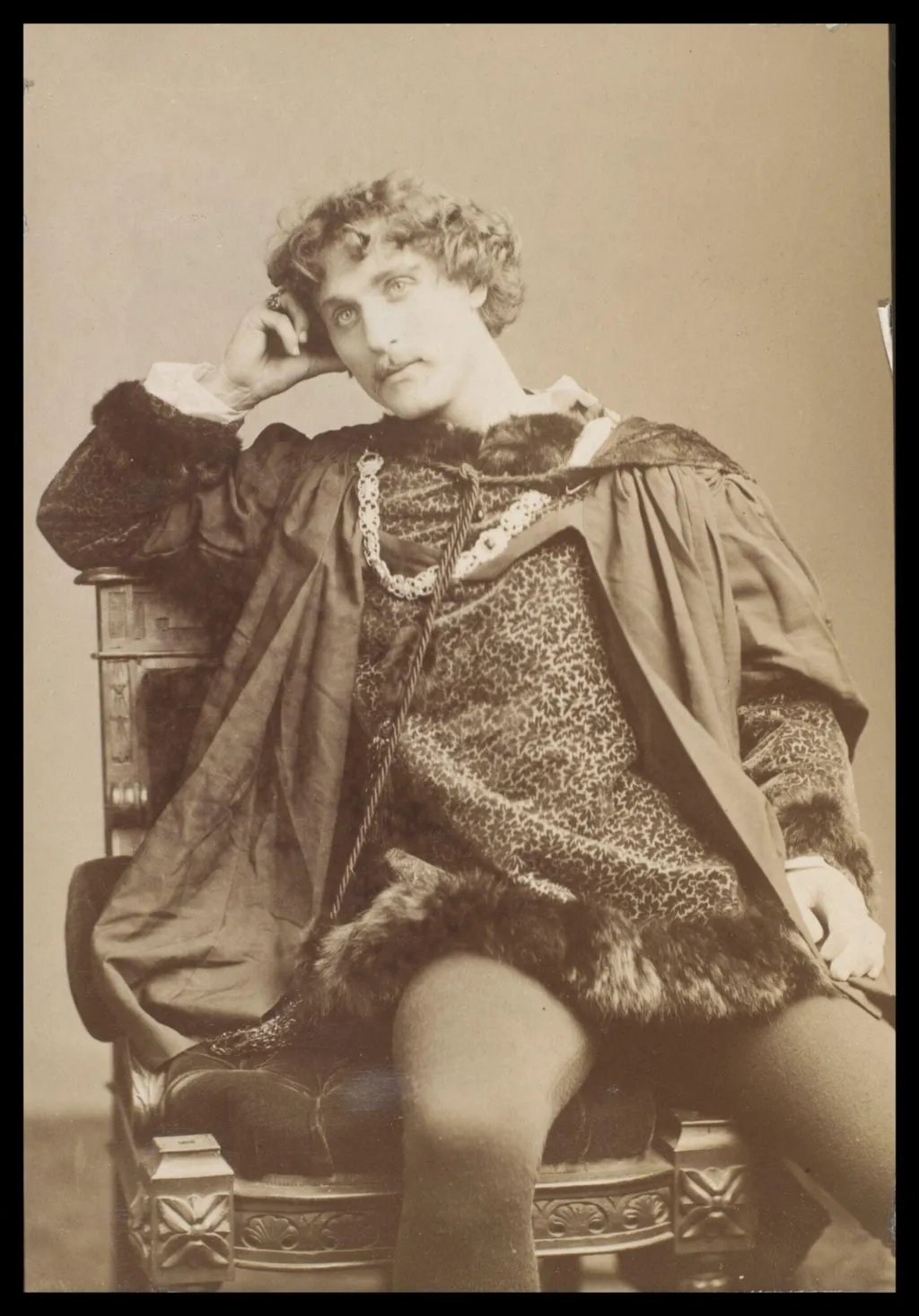
Guy Little Theatrical Photograph is a photographic photography by Byrne & Co. It dates from 1850 and is held in the collection of the Victoria and Albert Museum. This photograph is part of a personal collection assembled by Guy Tristram Little, a solicitor and avid collector of theatrical memorabilia.
About this work
Overview
The image is an albumen print mounted on card, originally produced as a carte de visite—a small, mass-produced portrait popular in the mid-to-late 19th century.
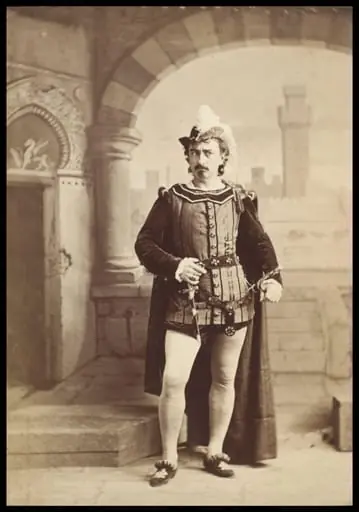
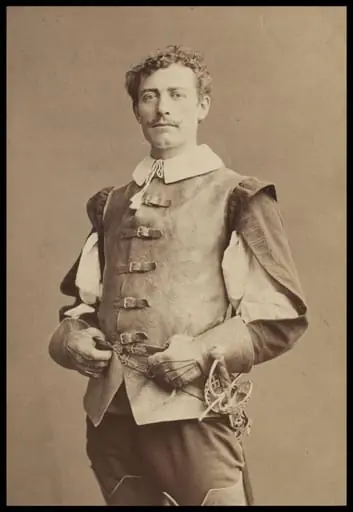
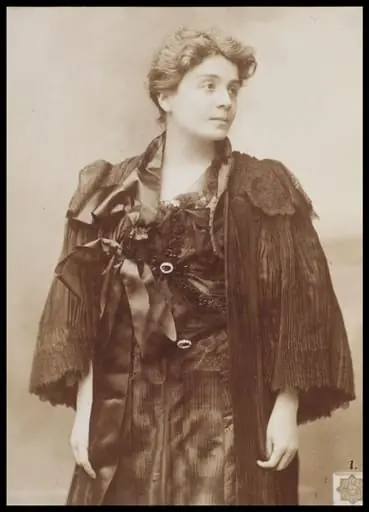
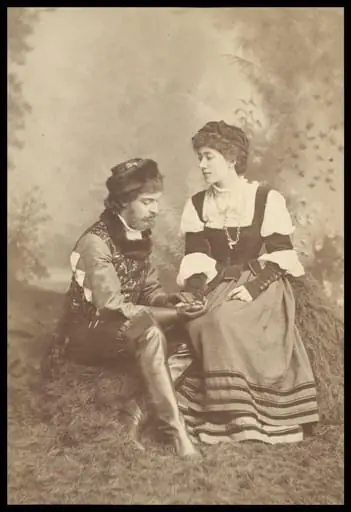
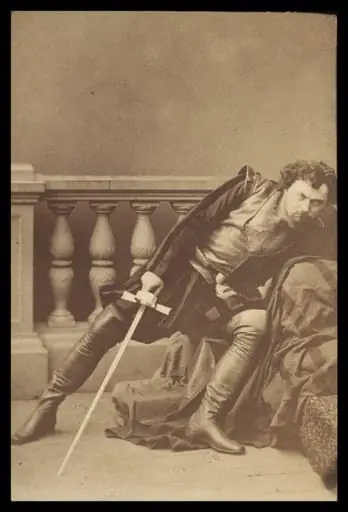
This photograph is part of a personal collection assembled by Guy Tristram Little, a solicitor and avid collector of theatrical memorabilia. It depicts actor Courtenay Thorpe in costume as Hamlet, captured by the London studio Byrne & Co. The image is an albumen print mounted on card, originally produced as a carte de visite—a small, mass-produced portrait popular in the mid-to-late 19th century. Little later removed such images from their original mounts and organized them into albums, preserving them for posterity.
Subject & Meaning
Courtenay Thorpe’s portrayal of Hamlet reflects the Victorian fascination with Shakespearean drama and the cult of the actor as cultural figure. The photograph captures a moment of theatrical performance, freezing the actor in character rather than as a private individual. Such images served both as promotional tools for touring productions and as objects of public admiration, allowing audiences to possess a tangible connection to the stage.
Technique & Style
The image is an albumen print made from a glass negative, a standard photographic process of the era. Printed on thin paper and affixed to a stiff card backing, it bears the imprint of Byrne & Co., indicating professional studio production. The lighting is even, the pose formal, and the costume rendered with attention to detail—typical of theatrical portraiture designed to emphasize authenticity and dramatic presence.
History & Provenance
The photograph originated as a commercial carte de visite, likely sold to theatergoers in the 1870s or 1880s. It entered the collection of Guy Little, who systematically gathered and remounted hundreds of such images into bound albums. Upon his death in 1953, the collection was bequeathed to the Victoria and Albert Museum, where it became part of the foundational material for the museum’s Theatre and Performance holdings.
Context
Cartes de visite emerged after their 1854 patent and became a cultural phenomenon, with millions produced annually. They were collected like trading cards, exchanged among friends, and displayed in special albums. By the 1880s, larger cabinet cards replaced them, offering more detail and durability. The popularity of theatrical portraits among these formats underscores the growing intersection of photography and performance culture in Victorian Britain.
Legacy
Little’s collection preserved a vast archive of ephemeral theatrical imagery that might otherwise have been lost. His careful curation ensured the survival of rare studio photographs, offering scholars insight into 19th-century stage practices, actor personas, and public taste. The V&A’s Theatre Collection, built in part on his bequest, remains a vital resource for understanding the material culture of British theatre.
Artist & collection
Artist
Byrne & Co spent their working lives inside a London studio with a glass ceiling, shooting actors between matinee and evening curtain.