Artwork
Natură moartă cu un clopoțel
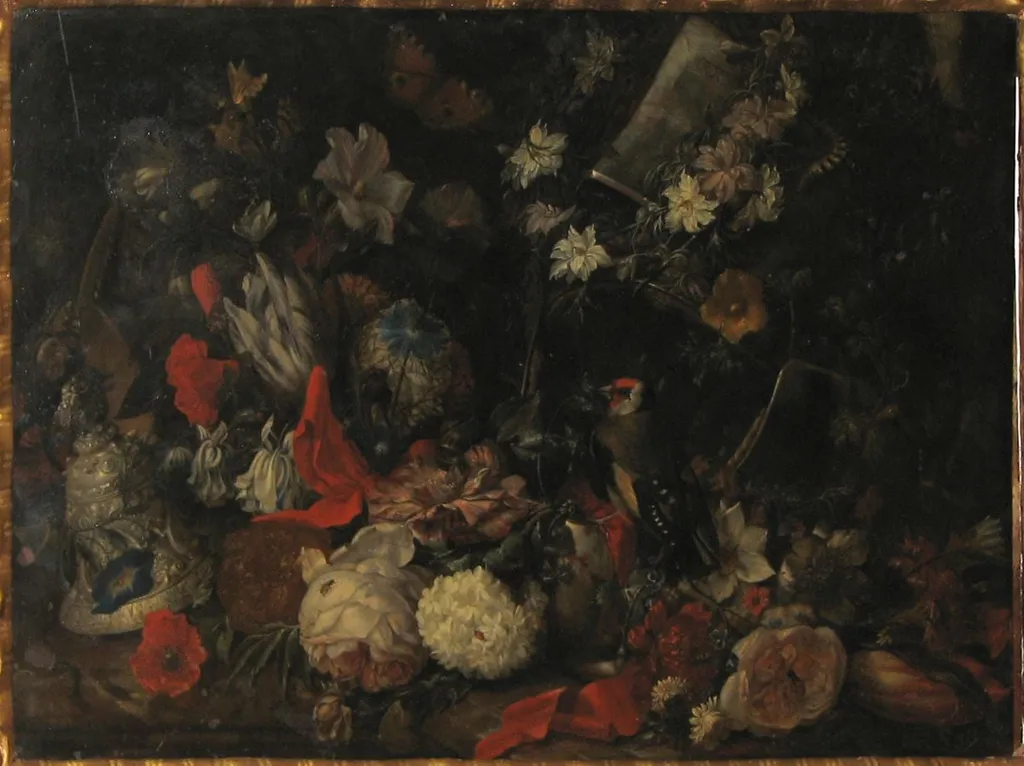
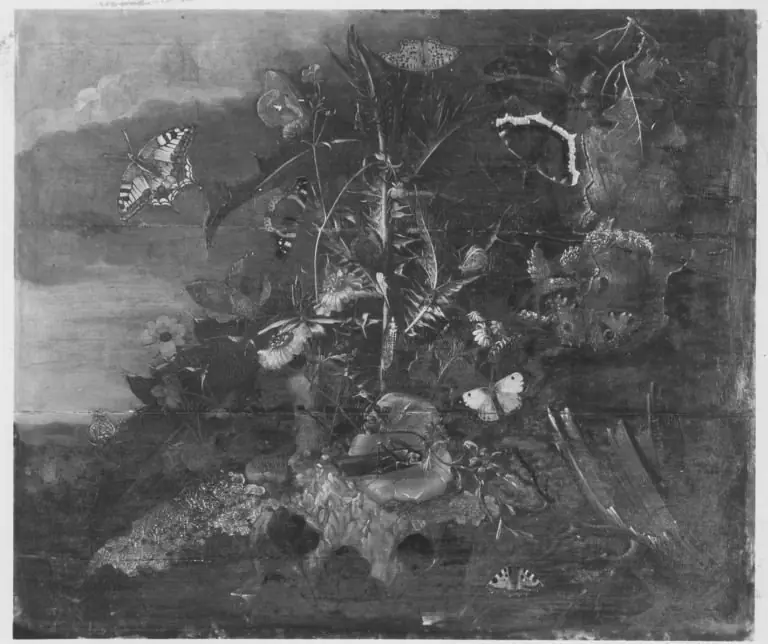
Natură moartă cu un clopoțel is an unspecified painting by the Baroque artist Johann Rudolf Byss. It dates from 1690 and is held in the collection of the Brukenthal National Museum.
About this work
Overview
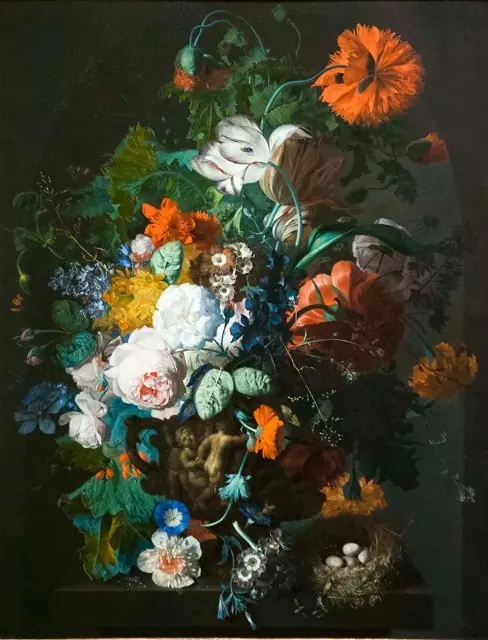
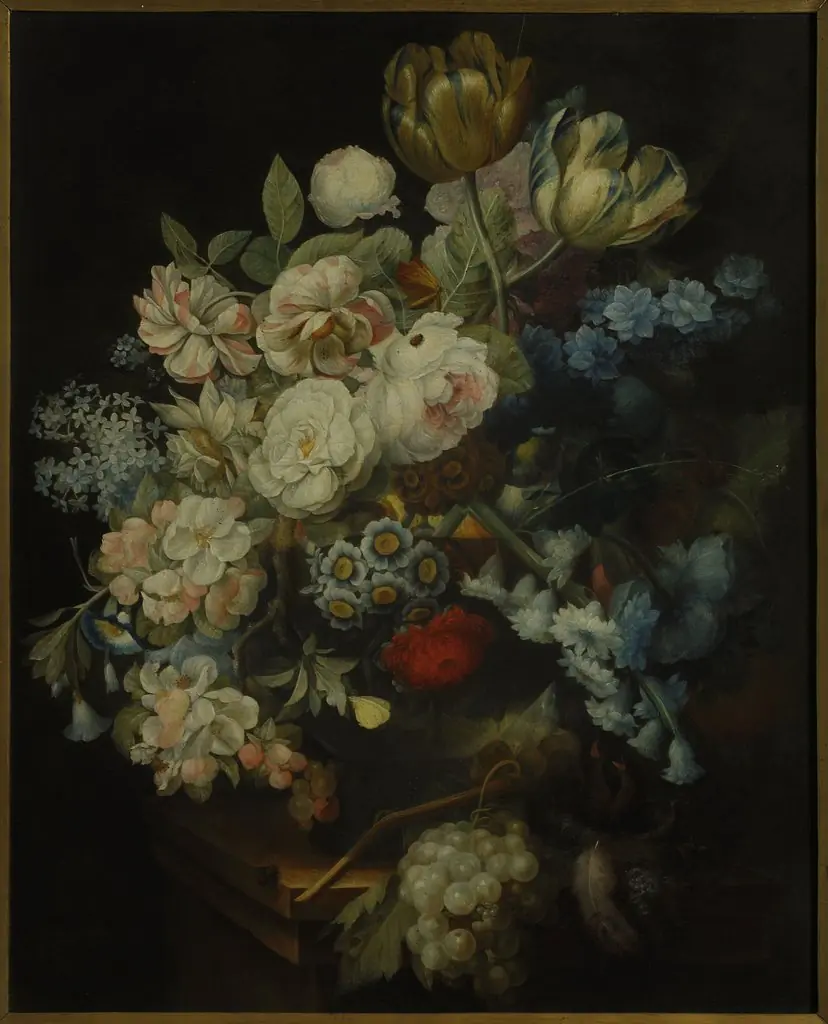
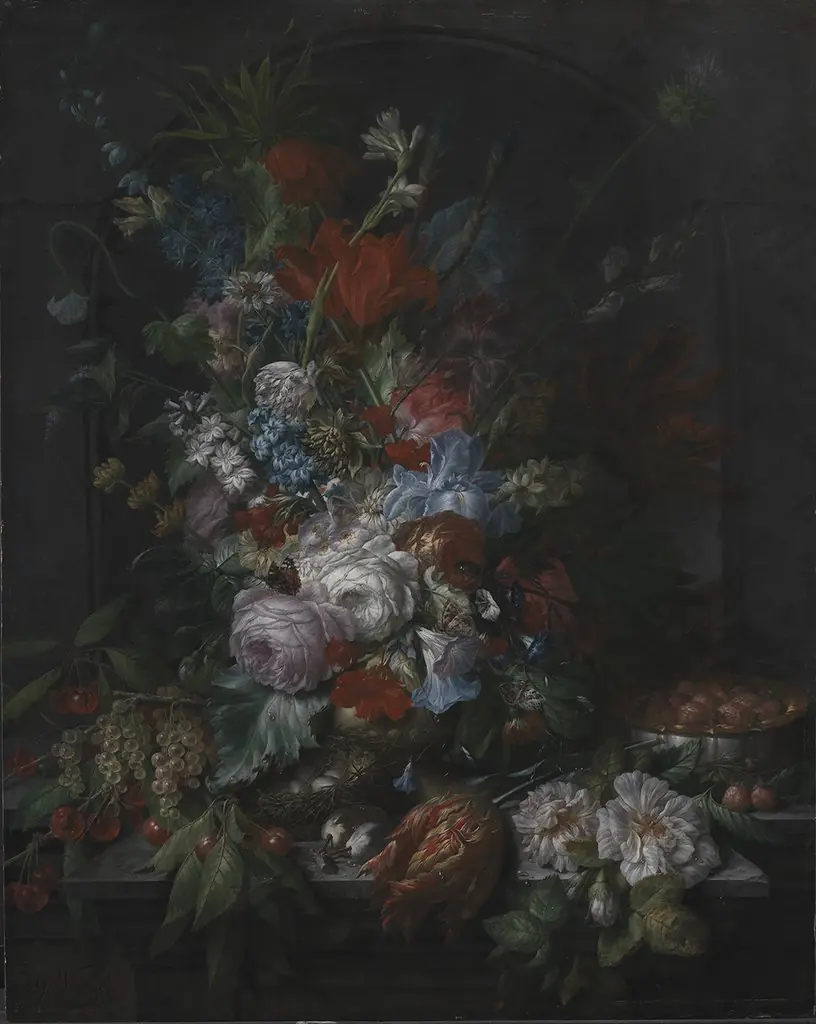
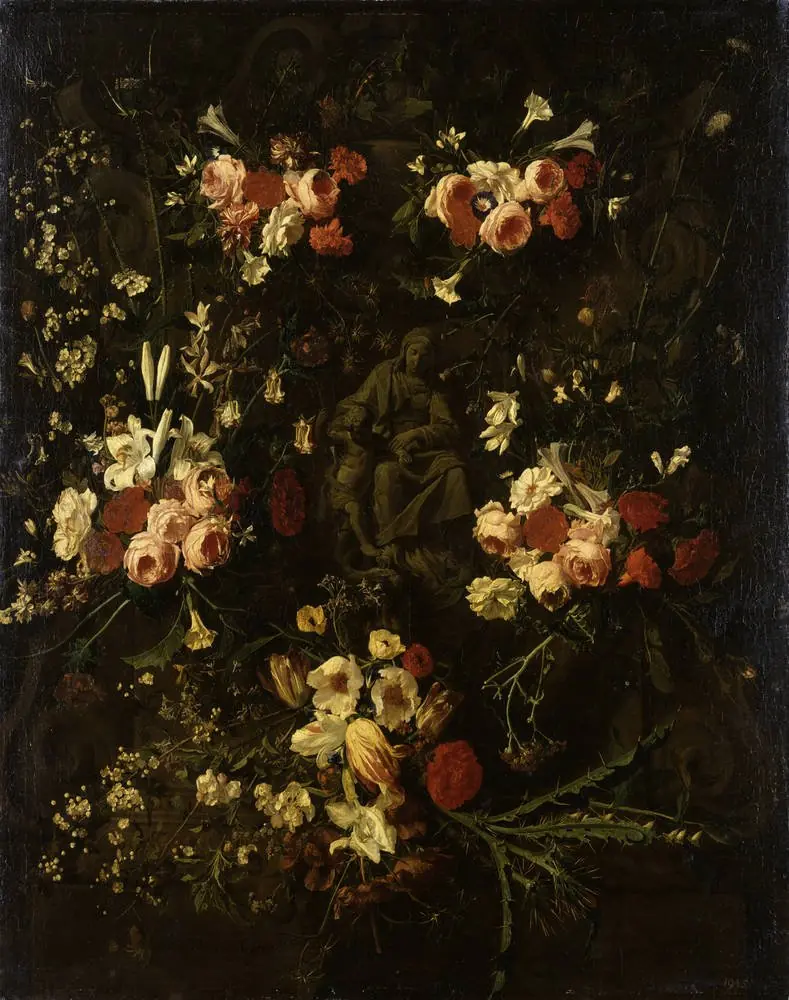
Johann Rudolf Byss’s 1690 composition titled *Natură moartă cu un clopoțel* presents a meticulously rendered still life.
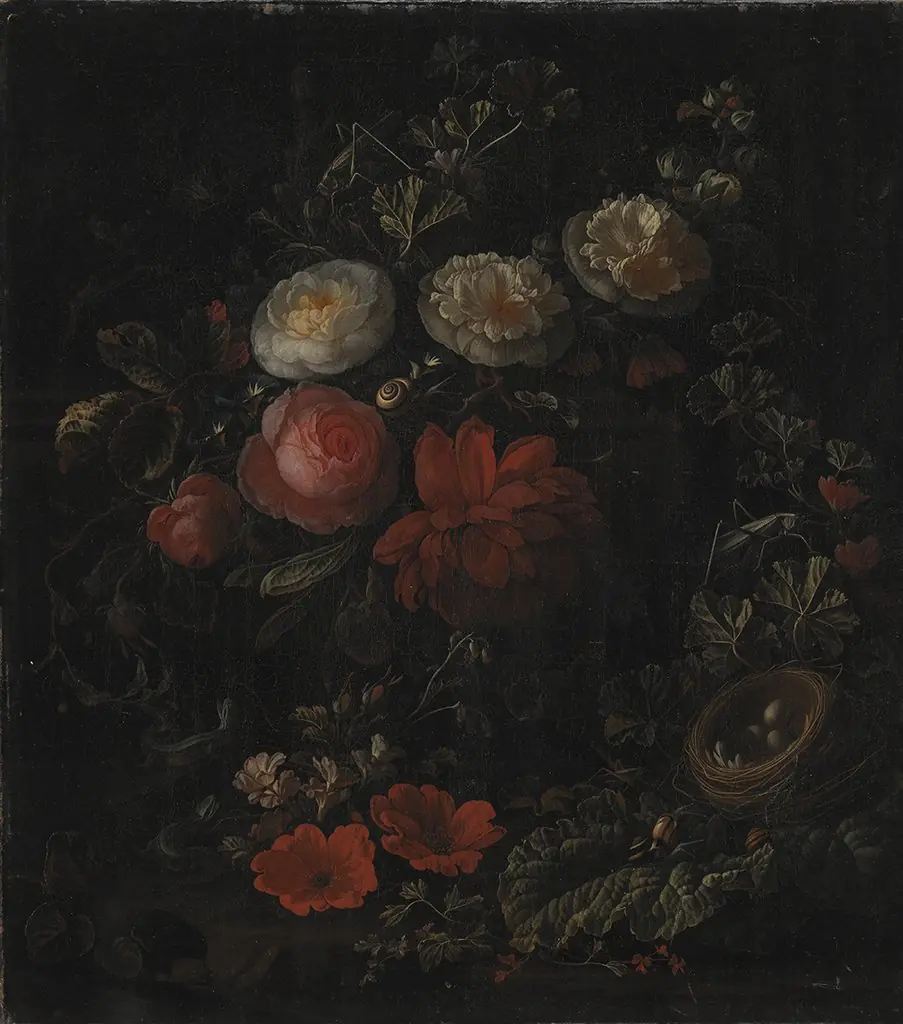
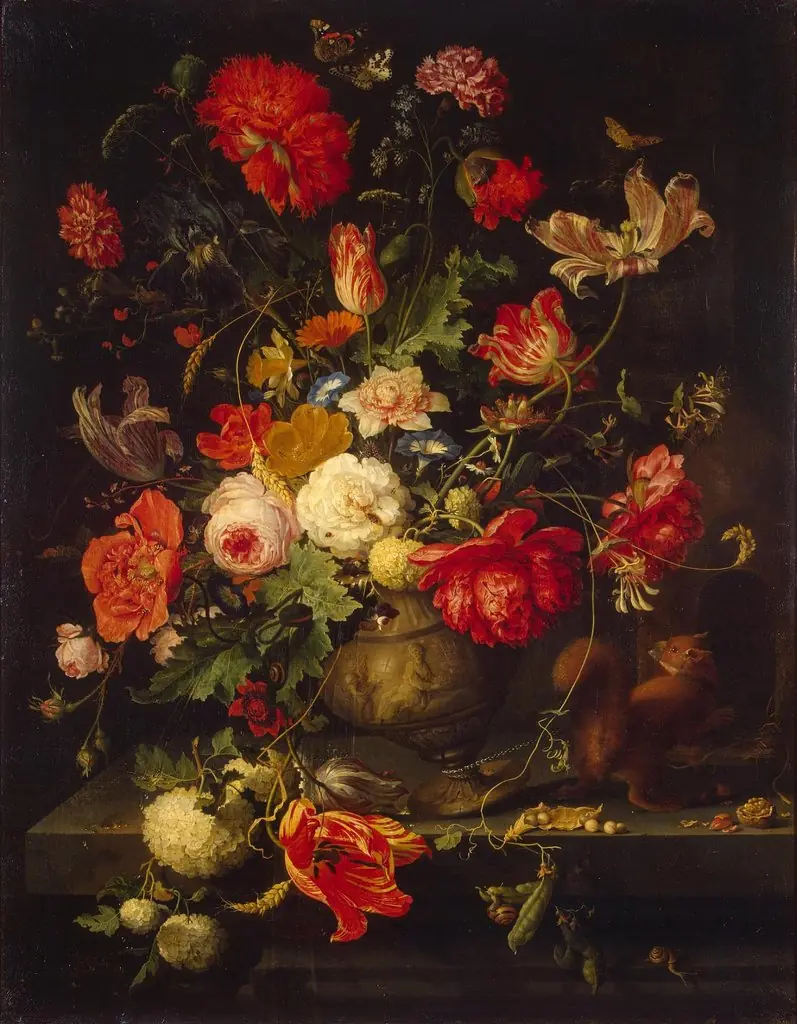
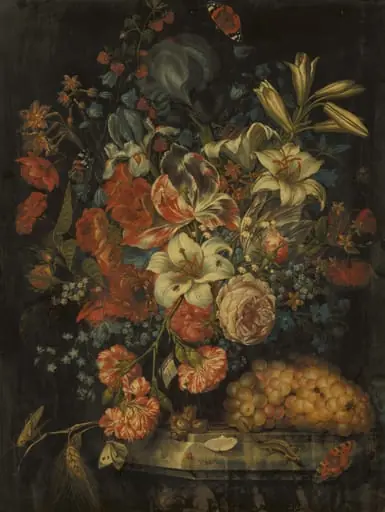
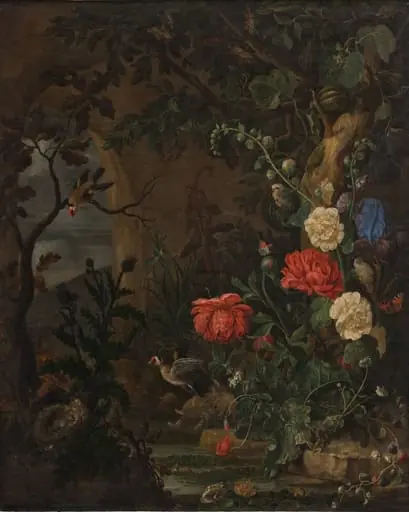
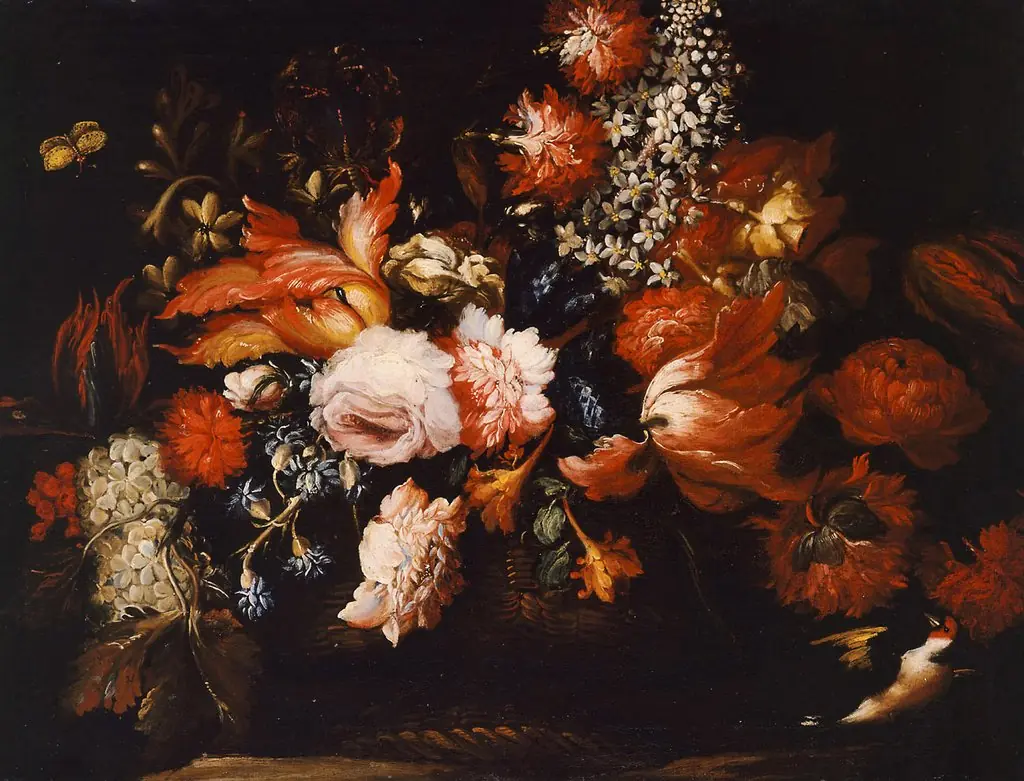
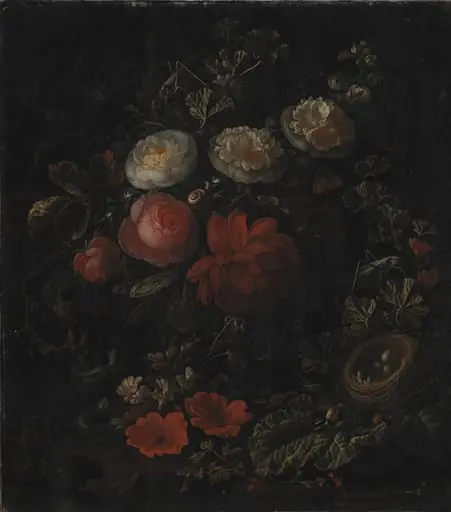
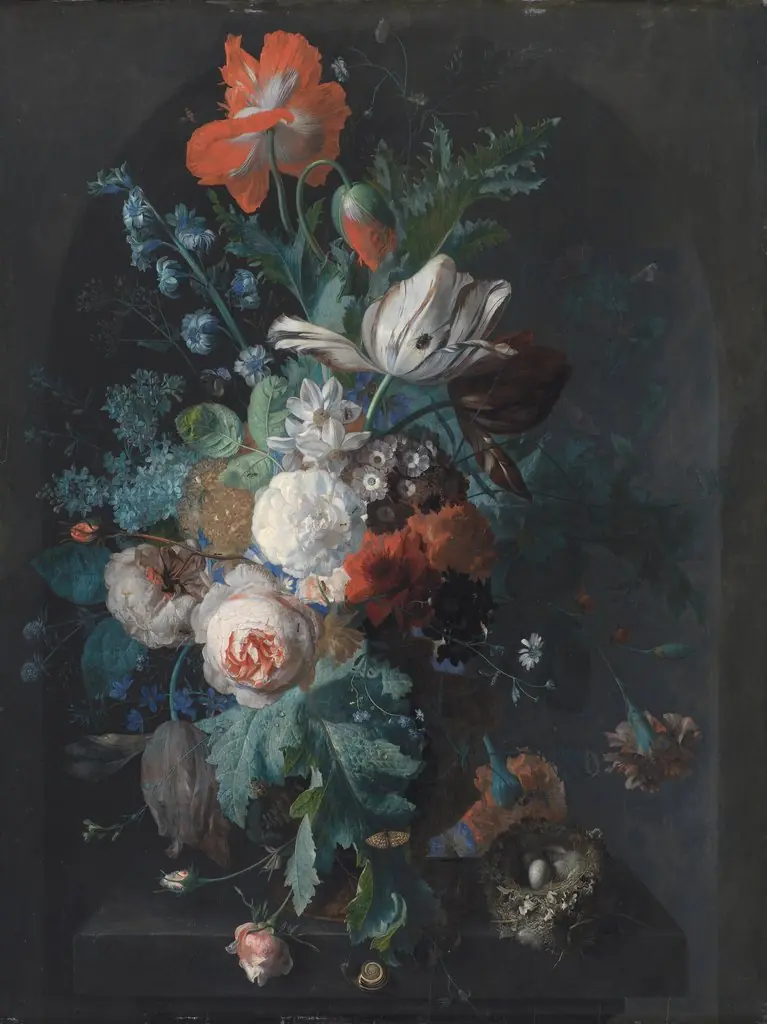
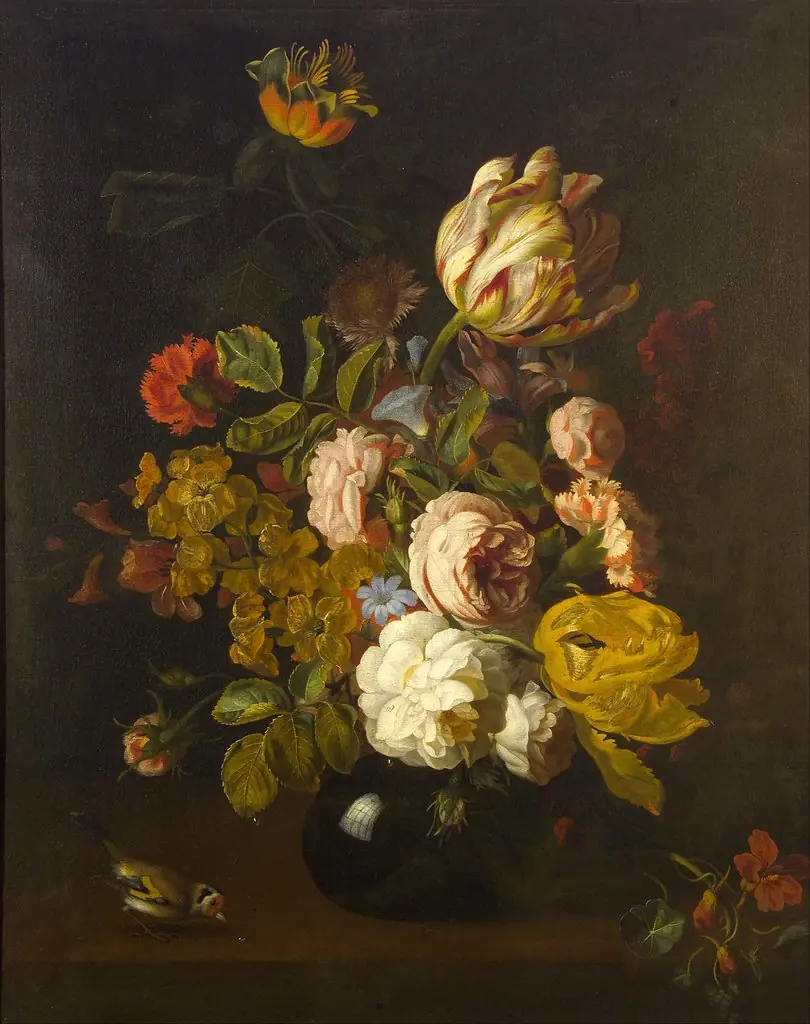
Johann Rudolf Byss’s 1690 composition titled *Natură moartă cu un clopoțel* presents a meticulously rendered still life. Central to the arrangement is an aged bell, its metal surface dulled by time, accompanied by a diverse bouquet of flowers whose petals range from vivid reds and yellows to delicate whites. The work exemplifies the careful observation characteristic of late‑seventeenth‑century European painting.
Subject & Meaning
The tableau juxtaposes the transience of blooming flora with the enduring, though weathered, presence of the bell. While some blossoms appear in full bloom, others show signs of wilting, suggesting the passage of seasons. The bell, rendered with a rust‑streaked chain, may allude to the passage of time or the reminder of mortality, themes often explored in still‑life traditions.
Technique & Style
Byss employs a realistic, almost tactile approach, rendering each petal, leaf, and metallic surface with fine brushwork. The palette balances saturated reds, yellows, and whites against deep greens, while the bell is depicted in warm browns and subtle gold highlights that convey a faint sheen. This attention to texture and chiaroscuro aligns the piece with the Baroque emphasis on material richness and visual depth.
Context
Created toward the end of the Baroque period, the painting reflects the era’s fascination with detailed natural observation and symbolic still‑life motifs. Byss, active in Central Europe, incorporated the Northern European still‑life tradition, which often combined lavish color, intricate detail, and moralizing elements. The work thus situates itself within a broader 17th‑century discourse on nature, time, and the fleeting nature of beauty.
Artist & collection