Artwork
Das Wasser (aus der Folge der Vier Elemente)
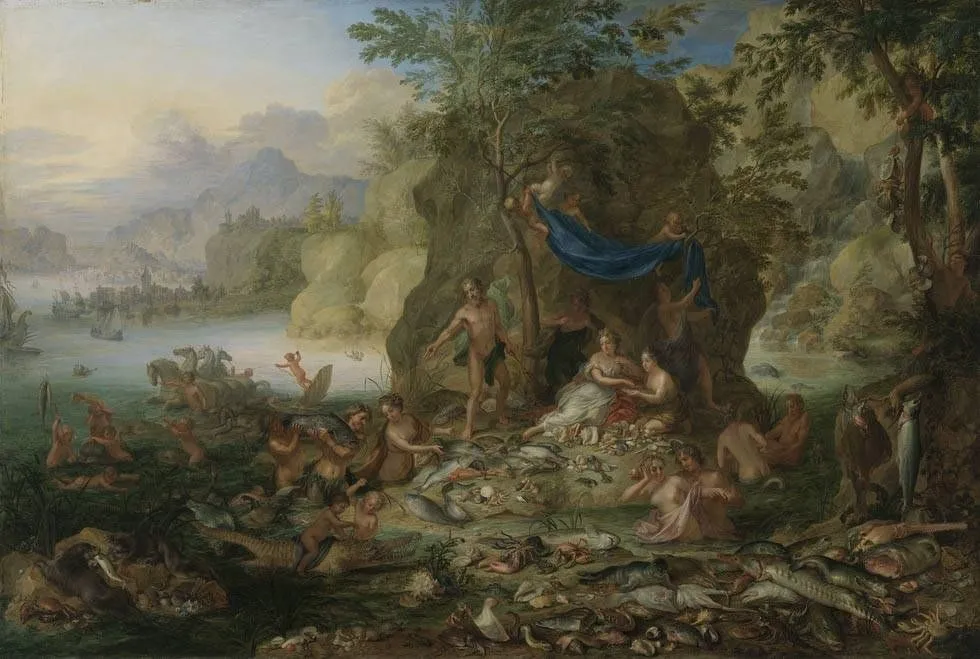
Das Wasser (aus der Folge der Vier Elemente) is an unspecified painting by the Rococo painting artist Johann Rudolf Byss. It dates from 1711 and is held in the collection of the Bavarian State Painting Collections.
About this work
Overview
Painted in 1711 by Johann Rudolf Byss, Das Wasser is one of four works in a series representing the classical elements.
Painted in 1711 by Johann Rudolf Byss, Das Wasser is one of four works in a series representing the classical elements. It depicts a pastoral scene centered on a body of water, where figures interact with their natural surroundings. The painting is part of the collection at the Alte Pinakothek in Munich, reflecting early 18th-century interest in allegorical landscapes rooted in classical tradition.
Subject & Meaning
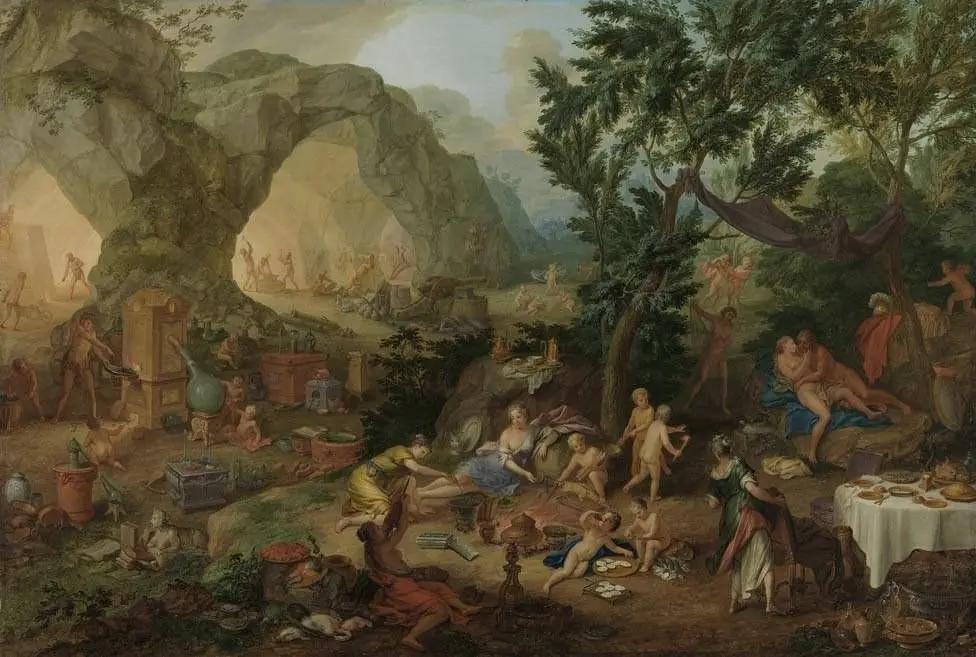
The scene portrays a group of nude figures engaged in leisurely activities beside water—fishing, resting, and conversing. The abundance of fish and fishing tools suggests themes of abundance and harmony with nature. The nudity implies a return to a primal, uncorrupted state, aligning with Renaissance and Baroque allegories that linked elemental forces with human virtue and natural order.
Technique & Style
Byss employs chiaroscuro to model forms and define spatial depth, using light to draw attention to the central group and the pile of fish. The brushwork is detailed yet restrained, with soft transitions between shadow and highlight. The composition is organized around the water’s edge, guiding the viewer’s eye through naturalistic elements like rocks, trees, and rippling surfaces.
History & Provenance
Created in 1711, the painting entered the Bavarian royal collection before being transferred to the Alte Pinakothek. Its inclusion in the Four Elements series indicates it was commissioned or curated as part of a thematic program, likely for a noble patron interested in classical allegory. The work has remained in institutional hands since at least the 19th century.
Context
Das Wasser reflects a broader European trend in the early 1700s of blending mythological and pastoral themes with natural observation. While not overtly religious, the scene echoes classical ideals of the Golden Age, where humans lived in balance with nature. Byss’s approach aligns with regional German painters who adapted Italianate models to local tastes.
Legacy
Though not widely known outside specialized circles, Das Wasser contributes to understanding how Baroque allegory persisted in German-speaking regions beyond major artistic centers. Its preservation in a major museum underscores its role as a documented example of early 18th-century narrative landscape painting rooted in classical symbolism.
Artist & collection

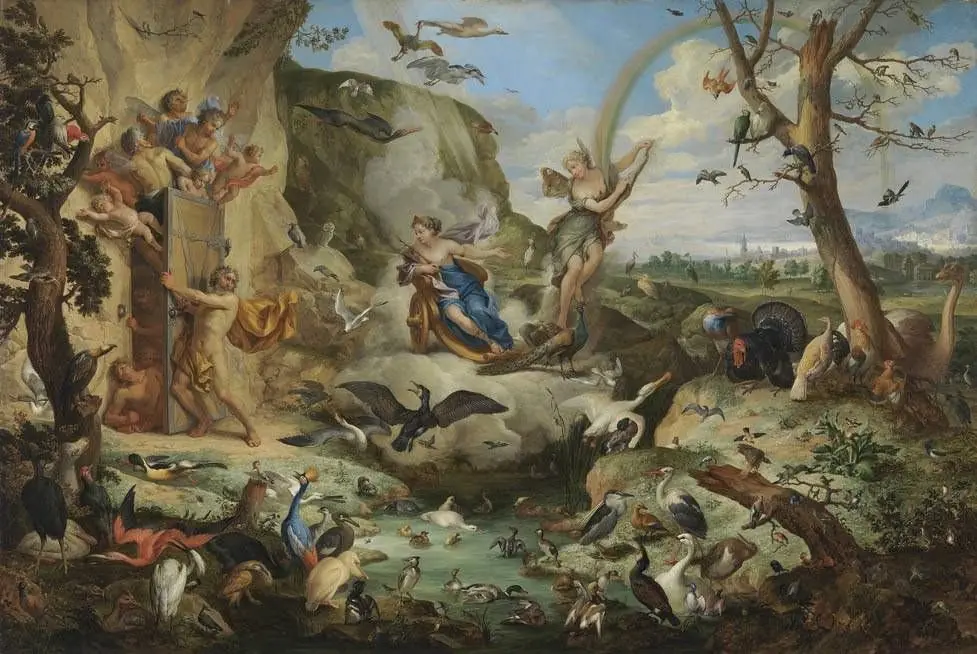 Die Luft (aus der Folge der Vier Elemente)
 Diana and her Nymphs
 Coast Scene with Europa and the Bull
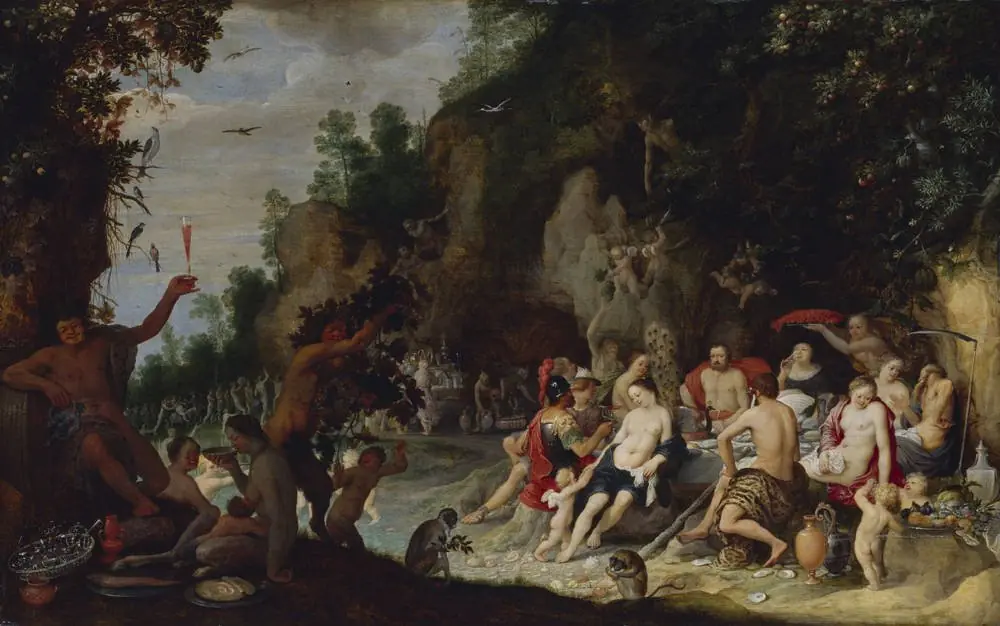 Feast of the gods in the forest
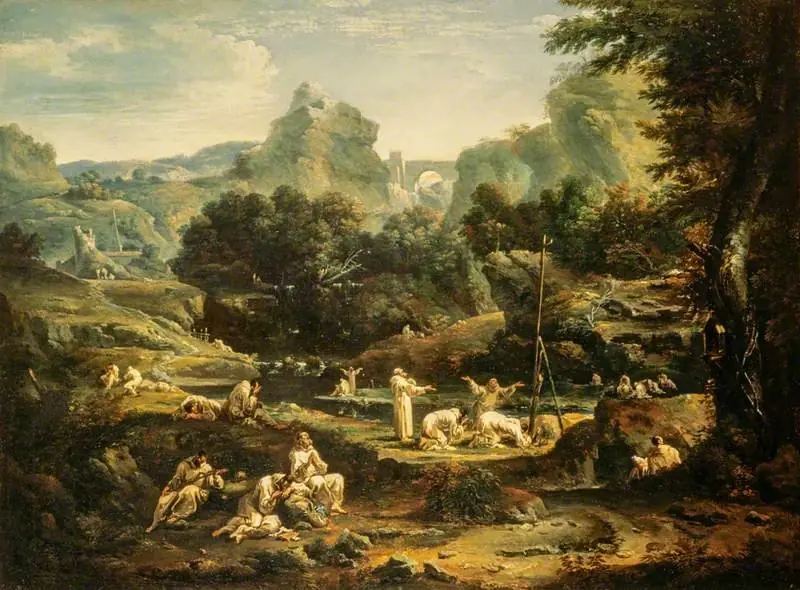 Landscape with Monks
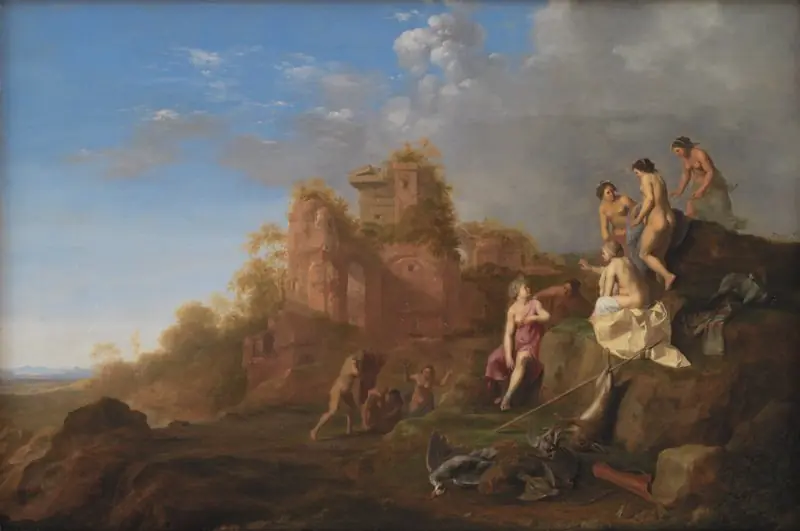 Diana and her Nymphs
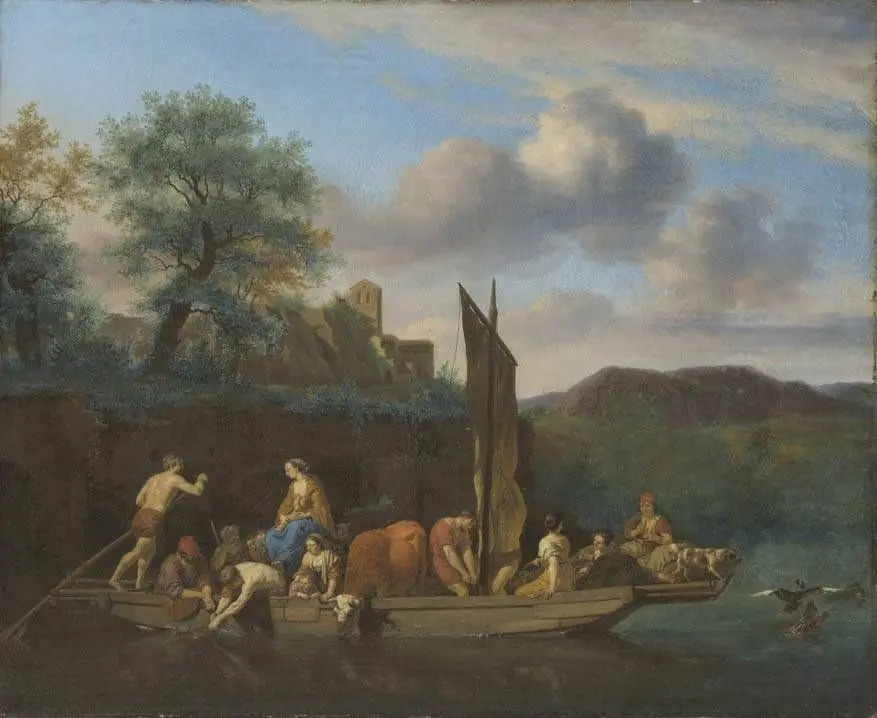 Landscape with Ferry
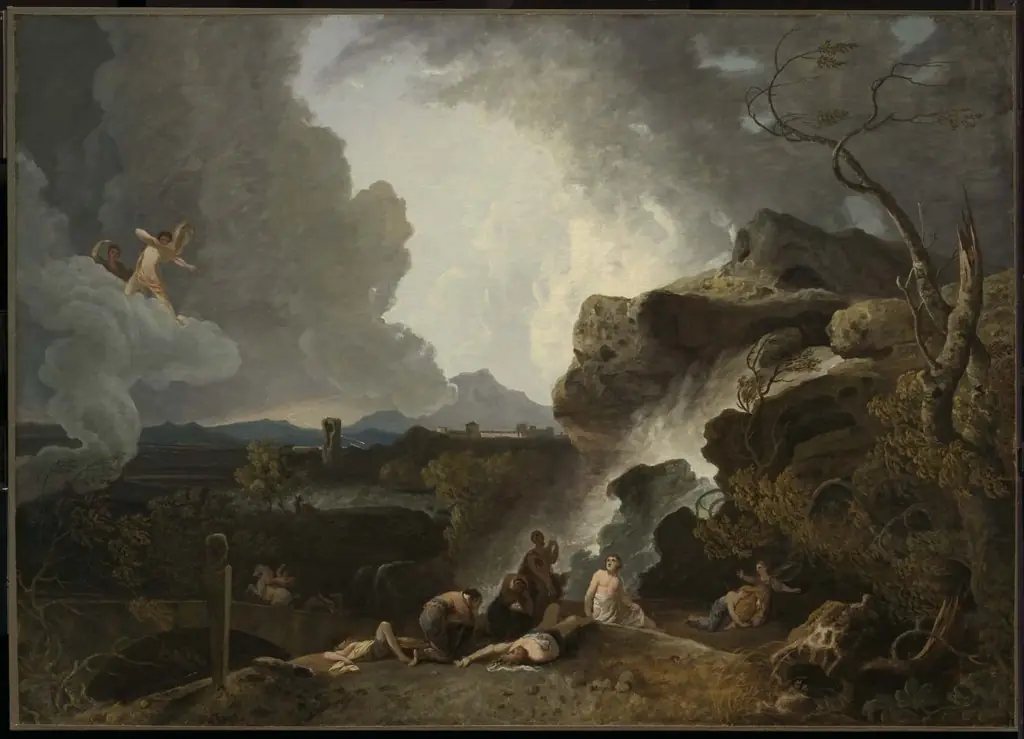 Apollo Destroying the Children of Niobe
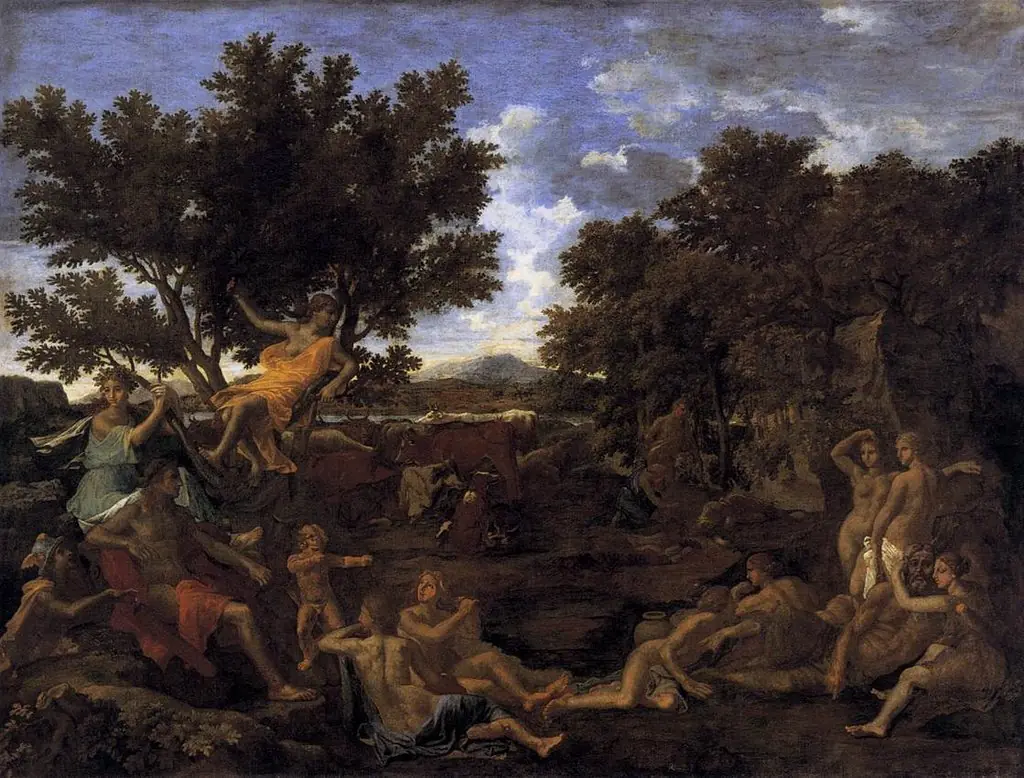 Apollo in Love with Daphne
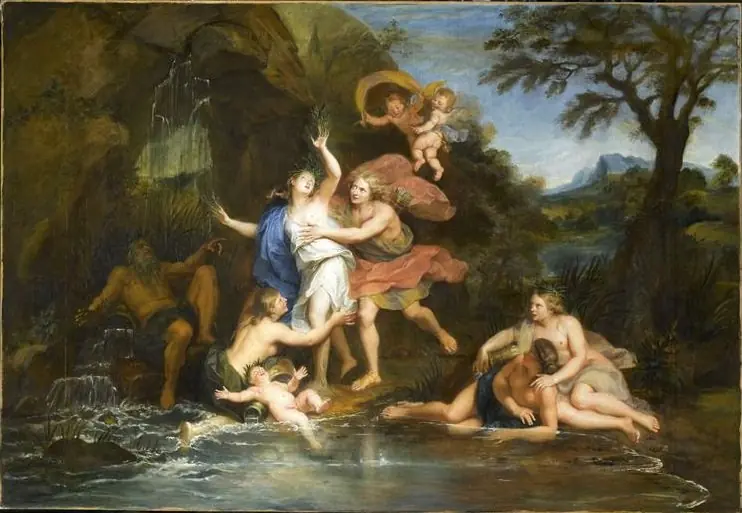 Apollo and Daphne
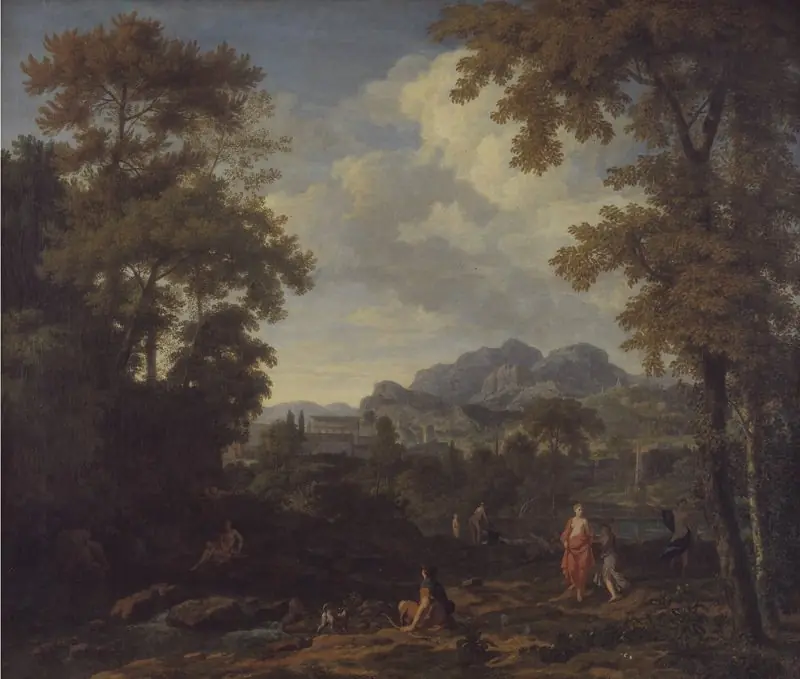 Classical Landscape with Diana (?) and her Nymphs