Artwork
Vânat - fazani
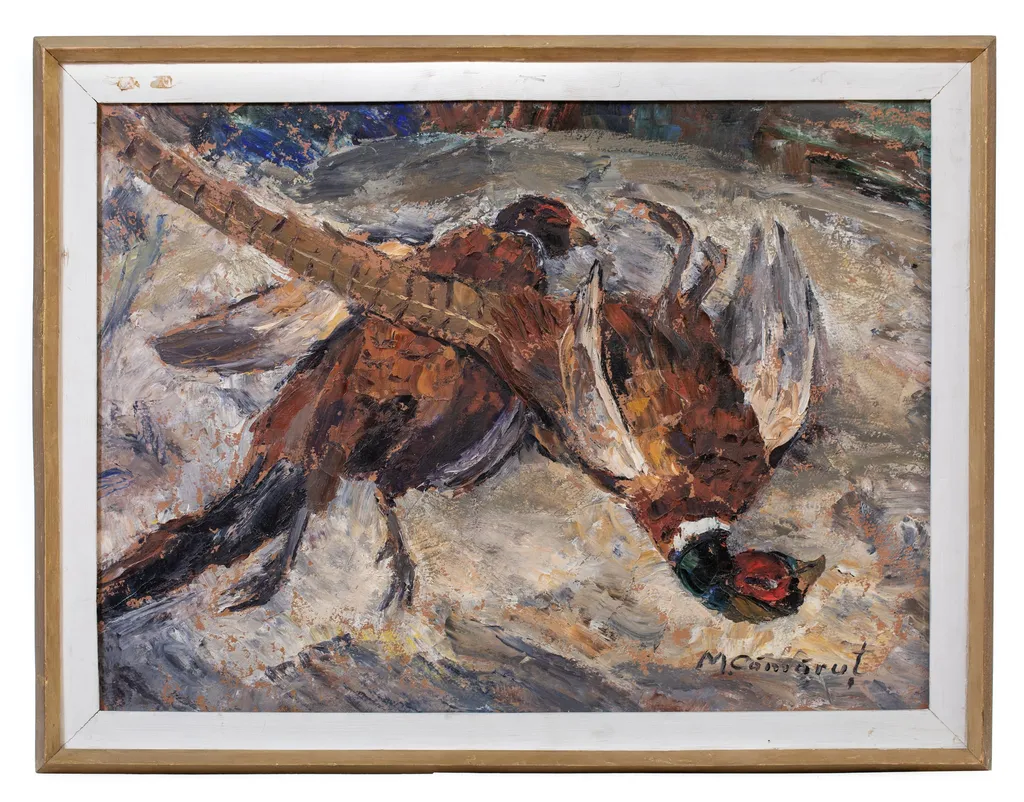
Vânat - fazani is a print by Cămăruț Mihai. It dates from 1942 and is held in the collection of the Moldova National Museum Complex.
About this work
Overview
Rendered in muted earth tones with subtle contrasts of white and black, the composition conveys a sense of stillness.
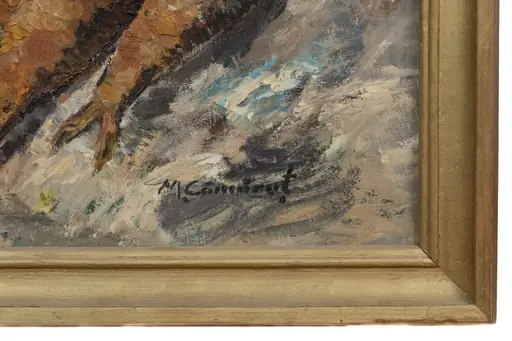
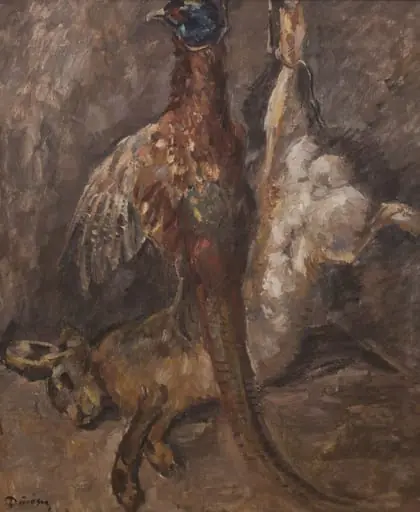
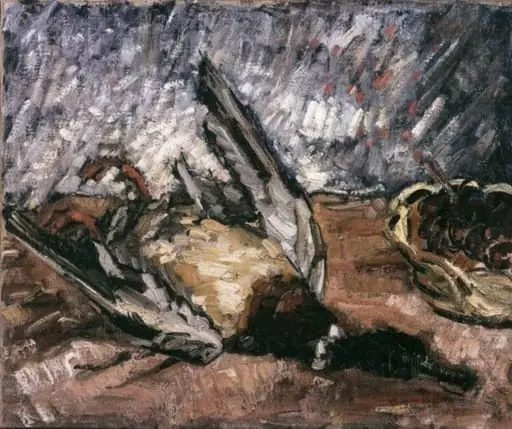
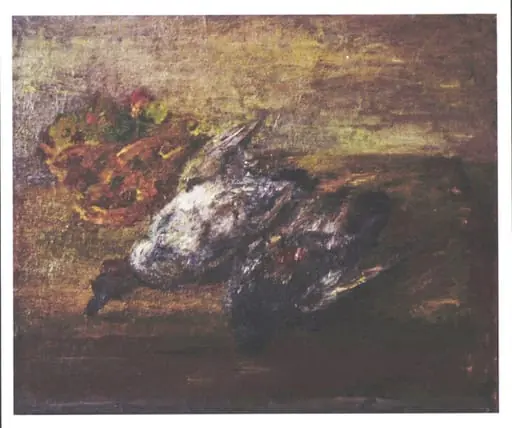
Vânat - fazani, dated around 1942, is a painted print by Romanian artist Cămăruț Mihai. It portrays two pheasants lying motionless on the ground, one supine, the other lateral. Rendered in muted earth tones with subtle contrasts of white and black, the composition conveys a sense of stillness. The visible brushwork adds texture, reinforcing a tactile, grounded quality. The title, translating to 'Hunting - Pheasants,' suggests a narrative of stillness following action.
Subject & Meaning
The two pheasants, depicted without movement or context, imply the aftermath of a hunt. Their stillness evokes quiet finality rather than violence, inviting contemplation over drama. The absence of hunters or weapons shifts focus to the birds themselves, emphasizing their physical presence and vulnerability. The title frames the scene within a rural tradition, but the image avoids moralizing, instead offering a neutral observation of nature’s quiet consequences.
Technique & Style
Mihai employed visible, deliberate brushstrokes to build form and texture, avoiding smooth blending. Pigments are applied with a tactile sensitivity, creating a surface that catches light unevenly. The palette is restrained—browns, tans, and grays—grounding the birds in a naturalistic setting. The lack of atmospheric perspective or background detail isolates the subjects, heightening their physicality. The technique leans toward expressive realism, prioritizing material presence over idealized form.
History & Provenance
The work originates from the early 1940s, a period of cultural consolidation in Romania under shifting political conditions. Cămăruț Mihai, active in regional art circles, often depicted rural life and wildlife. While specific ownership history is not documented, the piece likely circulated among local collectors or institutions. Its classification as a print suggests limited reproduction, possibly made from an original painting, aligning with mid-century practices of disseminating figurative art.
Context
Created during wartime Romania, the painting reflects a broader artistic interest in rural themes as cultural anchors amid instability. Depictions of game and hunting were common in folk-inspired art, serving as symbols of tradition and self-sufficiency. Mihai’s restrained approach diverges from overt nationalism or propaganda, instead offering a quiet, observational tone that resonates with regional realism prevalent in interwar Romanian painting.
Legacy
Vânat - fazani remains a modest but resonant example of mid-20th-century Romanian figurative art. It contributes to the understanding of how artists engaged with nature and rural life without overt political messaging. Though not widely exhibited internationally, it holds value within regional collections as a quiet meditation on mortality and the natural world, reflecting a personal, unembellished vision of the countryside.
Artist & collection
Artist
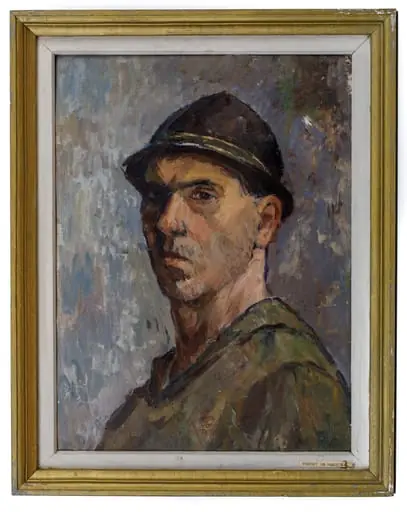
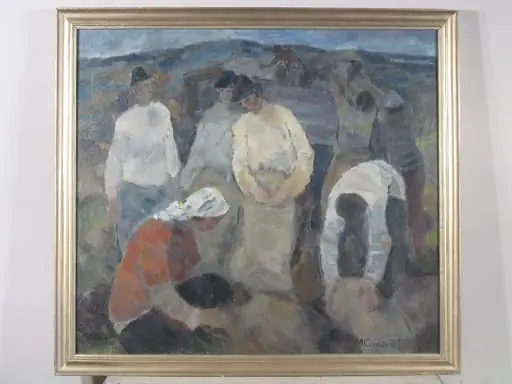
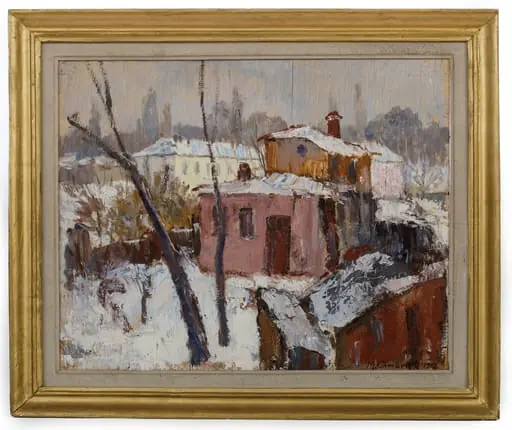
Cămăruț Mihai made prints and still-life paintings in mid-20th-century Romania. You’ll find still, glowing oranges in Natură moartă - portocale and snowy hills in Peisaj de iarnă, both quiet scenes that feel close to…