Artwork
Stream through the Forest
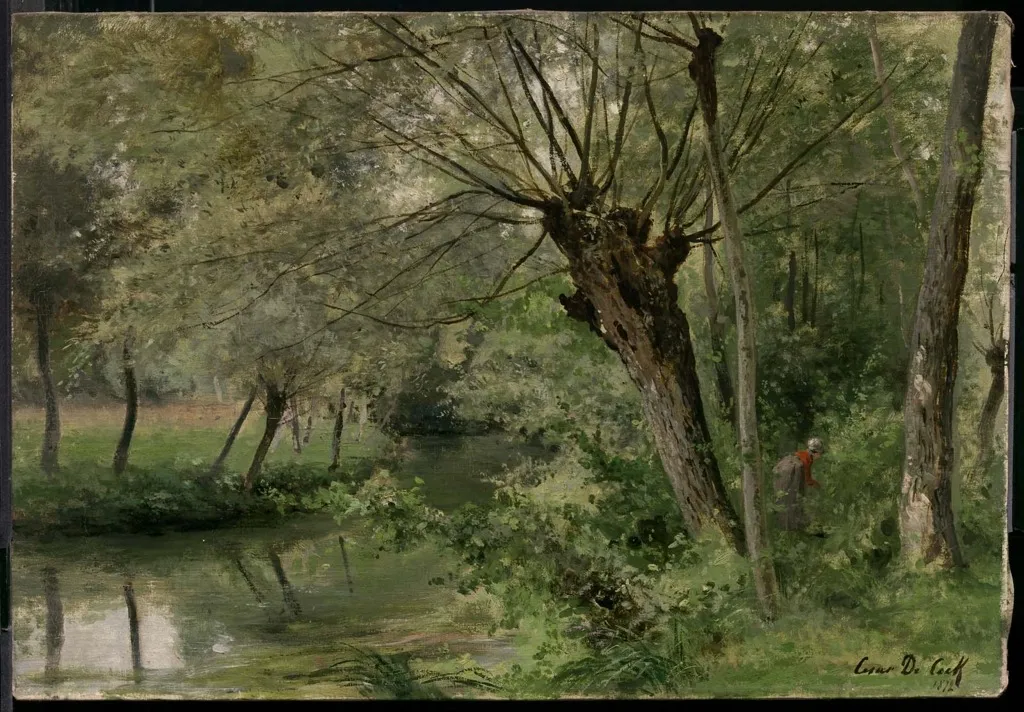
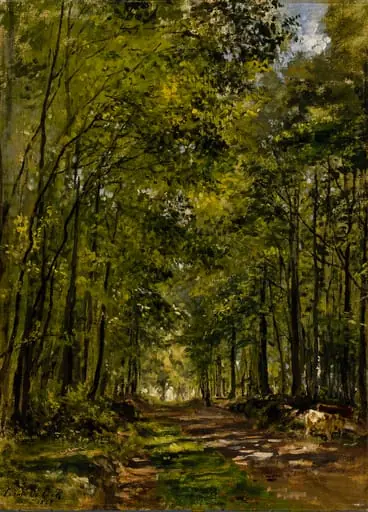
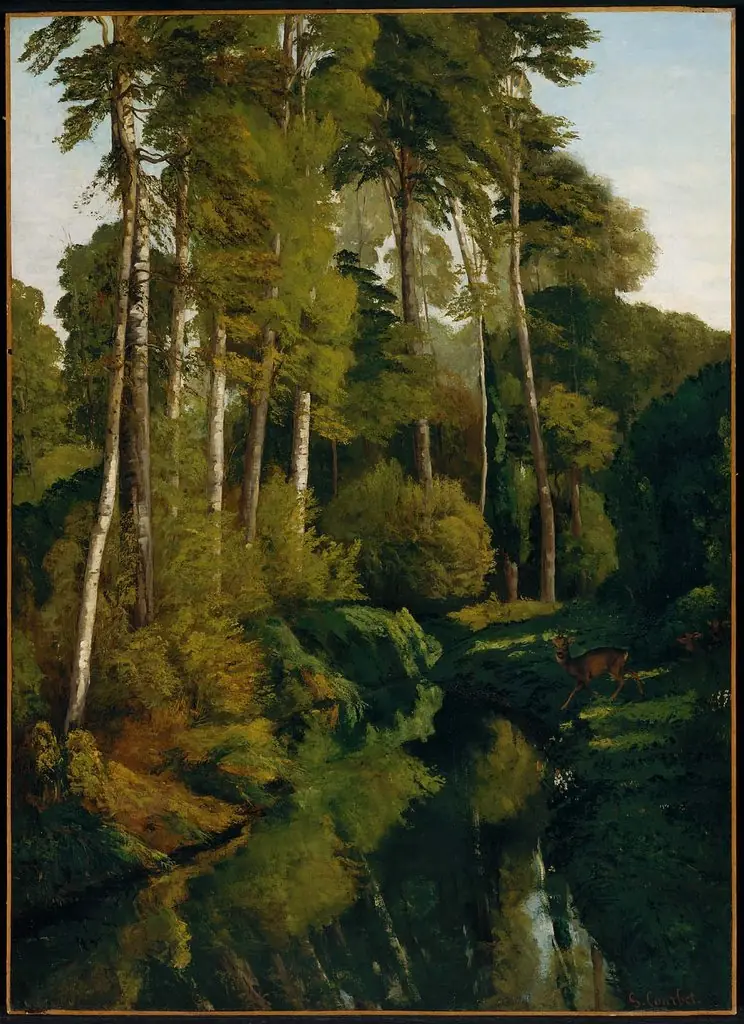
Stream through the Forest is an oil painting by the Impressionist artist César de Cock. It dates from 1872 and is held in the collection of the Museum of Fine Arts Boston.
About this work
Overview
Painted in 1872 by César de Cock, this oil on canvas depicts a quiet woodland stream nestled among dense trees. The work belongs to the collection of the Museum of Fine Arts, Boston, where it is presented as an example of 19th-century landscape painting rooted in observation rather than idealization. Its subdued tones and deliberate brushwork convey a sense of stillness and intimate naturalism.
Subject & Meaning
A solitary figure, cloaked in a long coat and hat, stands near the water’s edge, neither interacting with the environment nor drawing attention.
The scene centers on a narrow stream winding through a forest, its surface mirroring the canopy above. A solitary figure, cloaked in a long coat and hat, stands near the water’s edge, neither interacting with the environment nor drawing attention. The figure’s presence suggests contemplation or passage, reinforcing the painting’s quiet mood without imposing narrative. The absence of dramatic action invites quiet reflection on solitude within nature.
Technique & Style
De Cock employed loose, visible brushstrokes to render foliage, water, and earth, avoiding smooth finishes in favor of tactile texture. The palette is restrained, dominated by muted greens, browns, and soft grays, enhancing the scene’s calm atmosphere. Light filters diffusely through the trees, casting gentle shadows without strong contrasts. The technique prioritizes atmospheric harmony over detail, aligning with contemporary European landscape traditions that valued mood over precision.
History & Provenance
The painting was completed in 1872 and entered the Museum of Fine Arts, Boston’s collection at an unknown date. No record of early ownership or exhibition history is publicly documented. Its acquisition by the museum suggests it was selected for its representative qualities of 19th-century European landscape painting, though de Cock’s broader oeuvre remains relatively obscure in art historical scholarship.
Context
Created during a period when European artists increasingly turned to natural settings for emotional resonance, the painting reflects a shift away from grand historical themes toward intimate, everyday scenes. De Cock’s approach aligns with the broader trend of plein air studies and the influence of the Barbizon School, emphasizing direct observation and subdued color over romanticized composition. His work, though not widely known, contributes to a quieter strand of landscape painting in the late 19th century.
Legacy
While César de Cock did not achieve widespread fame, this painting endures as a modest yet thoughtful example of his engagement with natural light and quiet composition. It offers insight into the tastes of 19th-century collectors who valued serene, unembellished landscapes. Today, it remains a quiet presence in the museum’s collection, appreciated for its understated harmony and restrained emotional tone.
Artist & collection

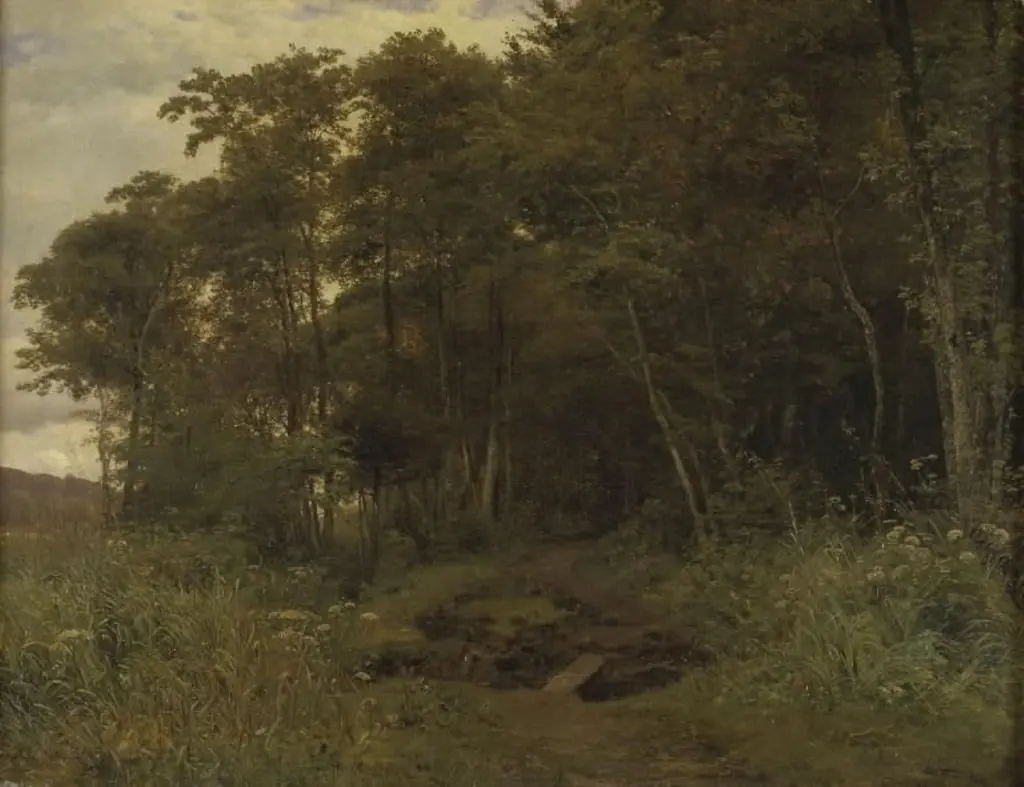 Et ellekrat
 Et ellekrat
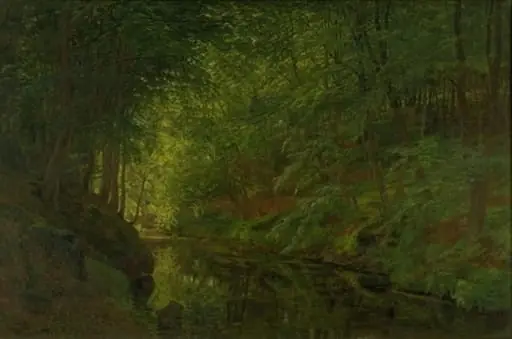 A Brook in Sæbygaard Wood, Vendsyssel, Jutland
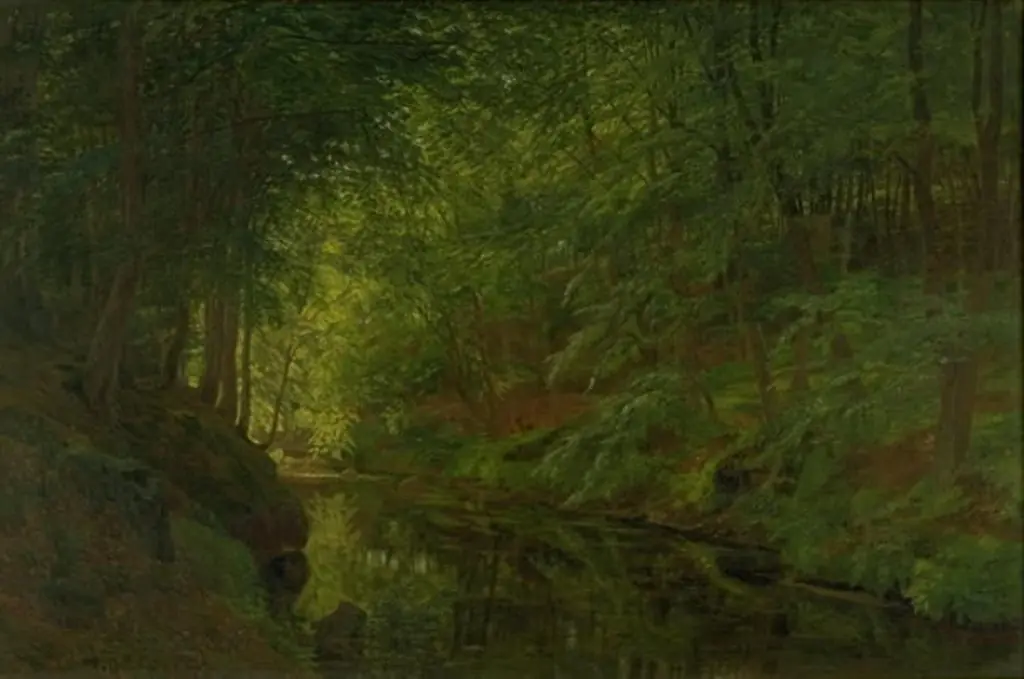 A Brook in Sæbygaard Wood, Vendsyssel, Jutland
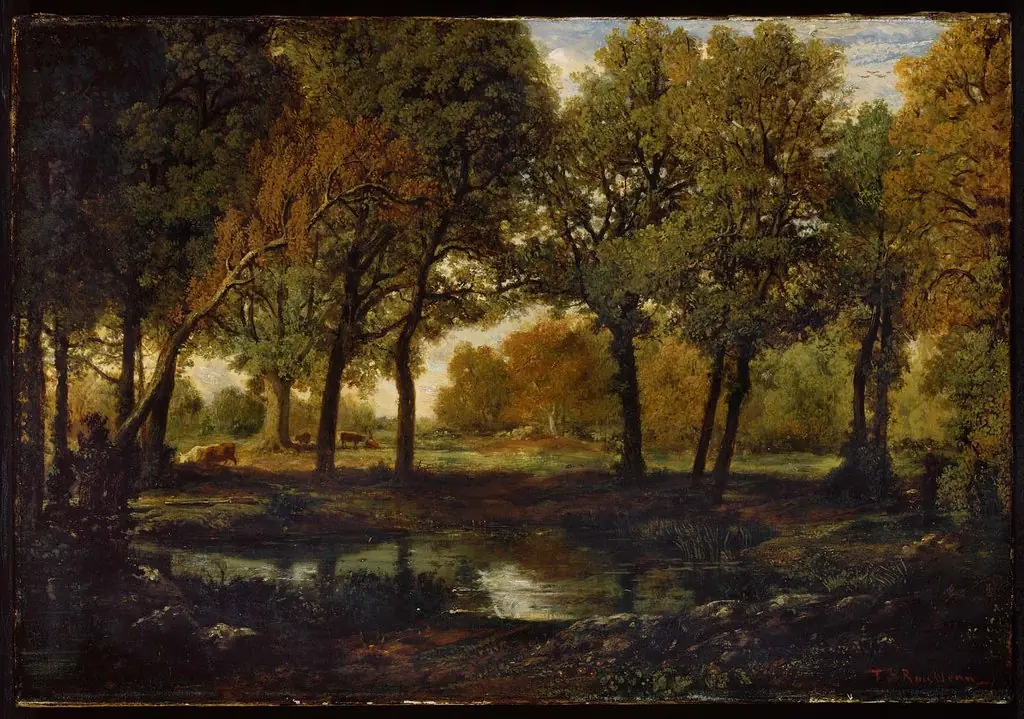 Pool in the Forest
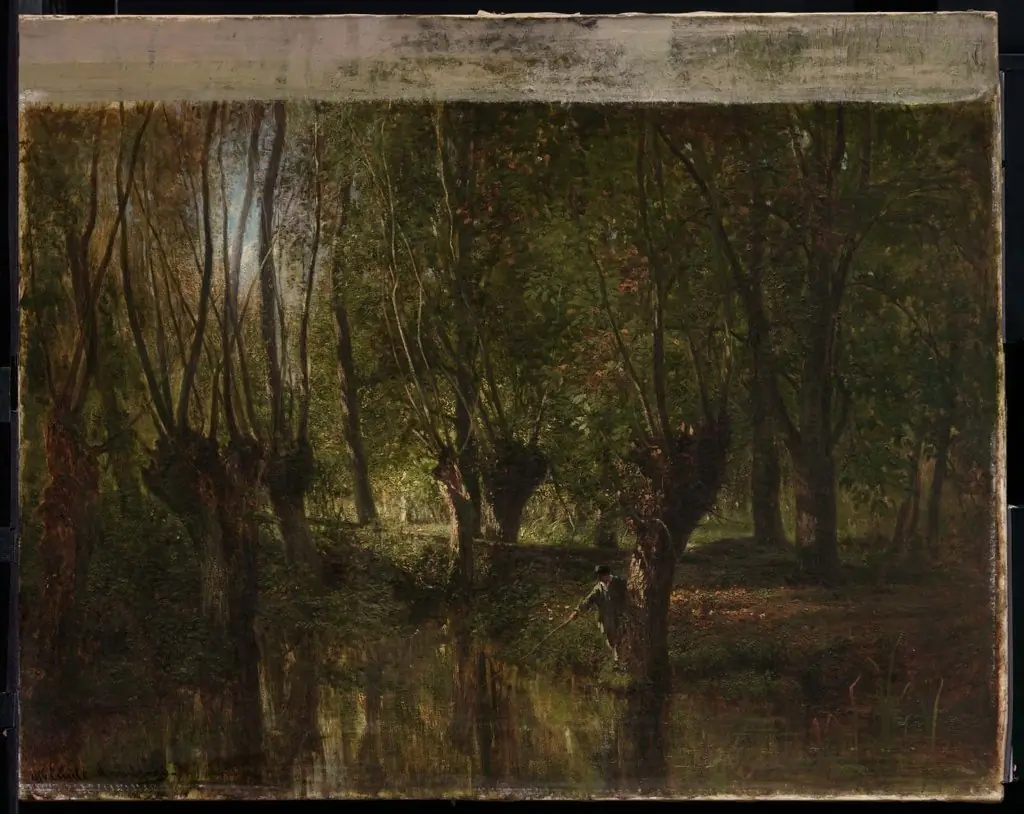 Young Man Fishing beneath Willow Trees
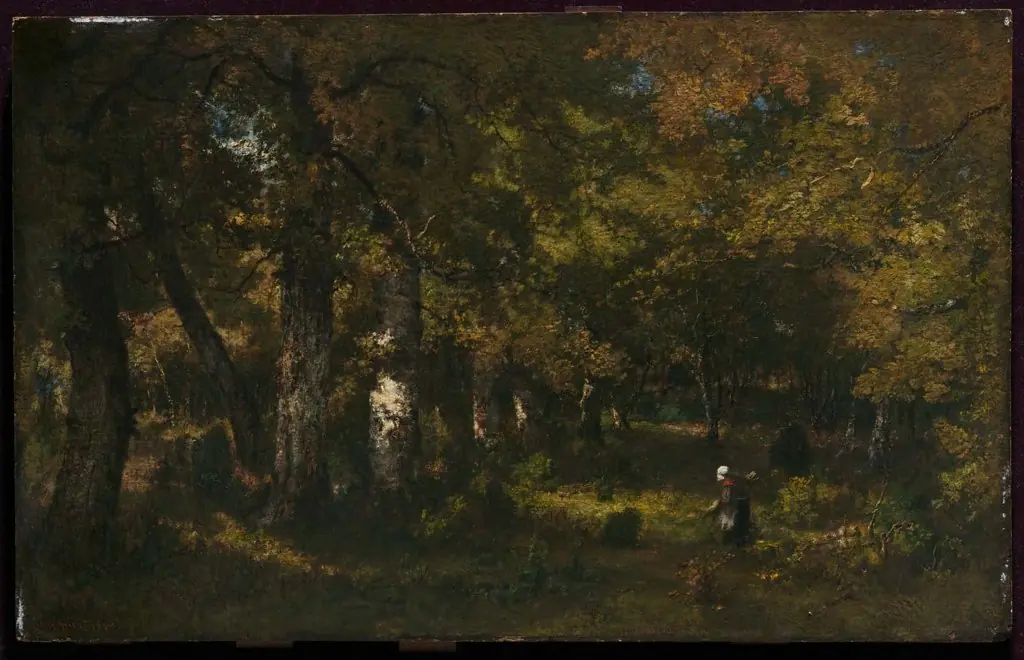 Forest Interior
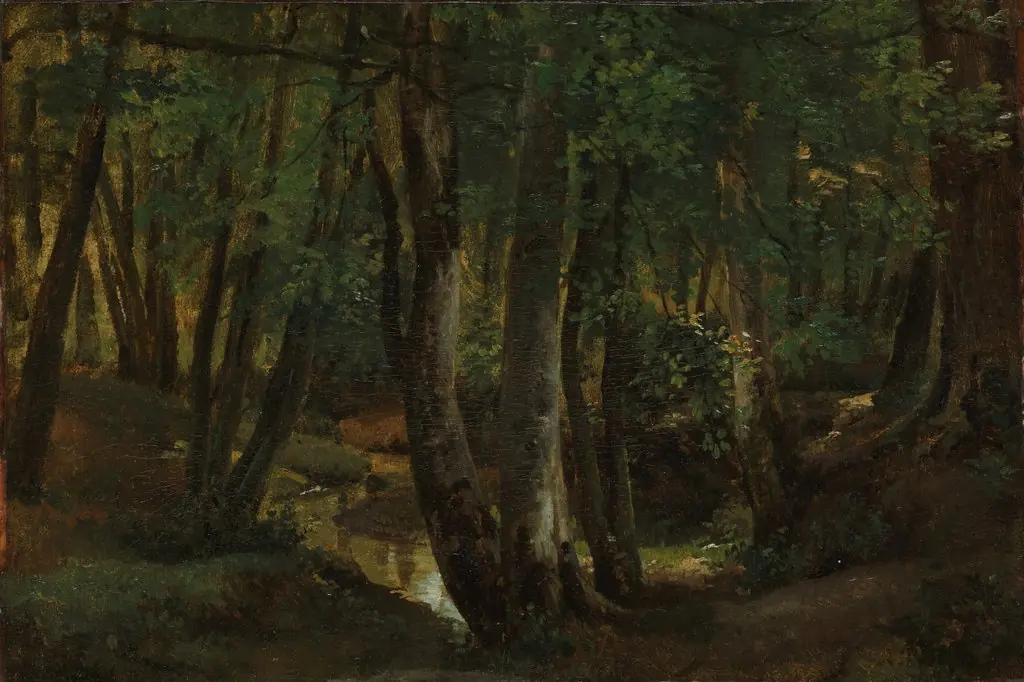 Interior of a Wood at Pierrefitte
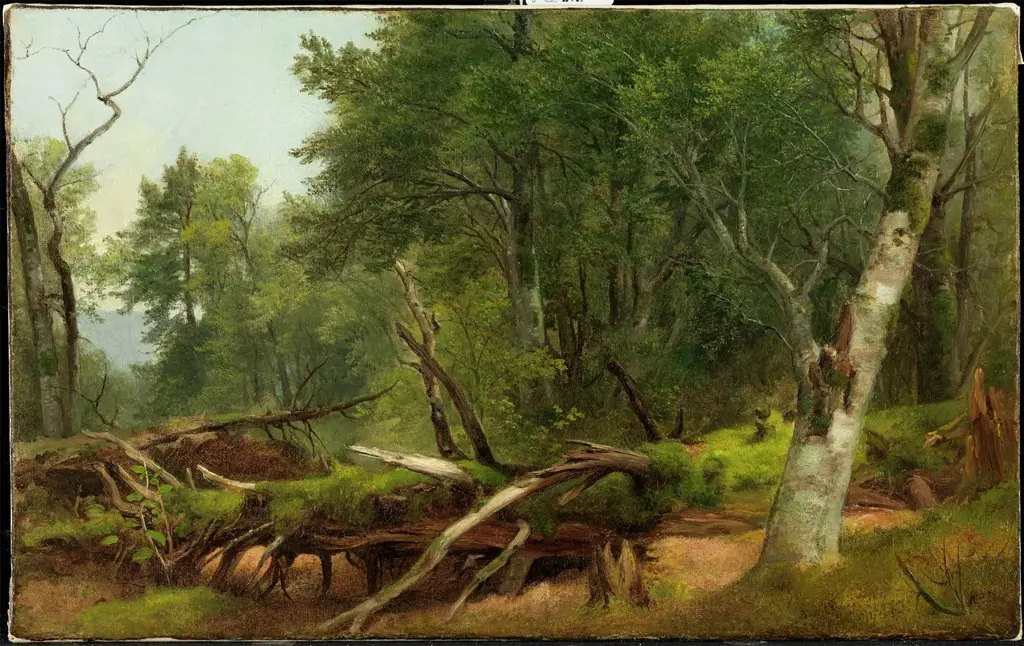 Forest Scene in the Catskills
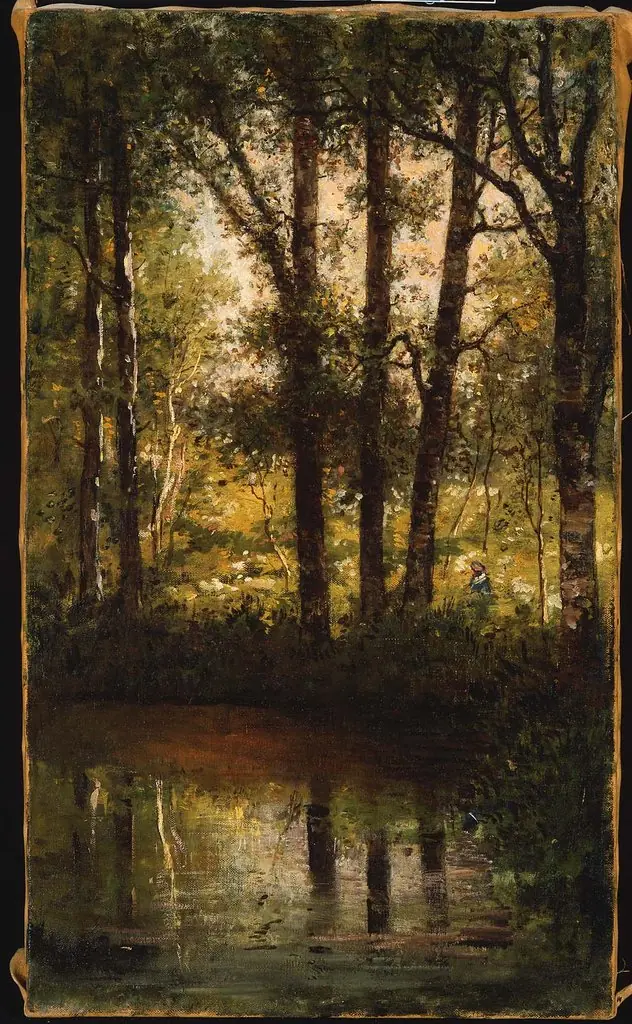 Reflections in the Water
 Paysage d'Auvergne sur Oise
 Stream in the Forest