Artwork
Landscape near Saint-Germain-en-Laye
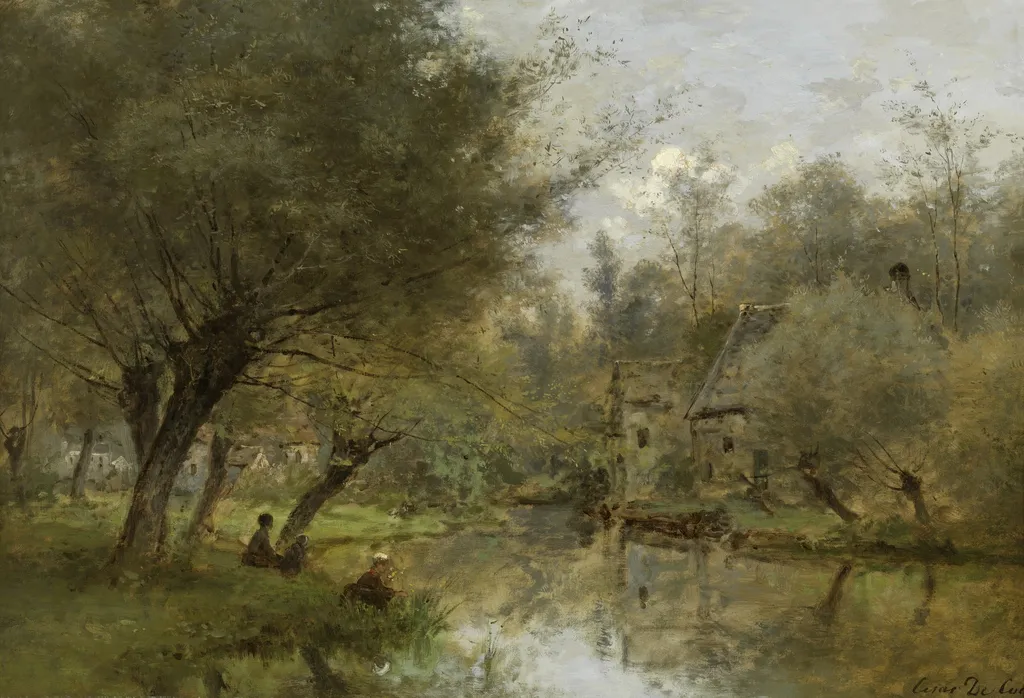
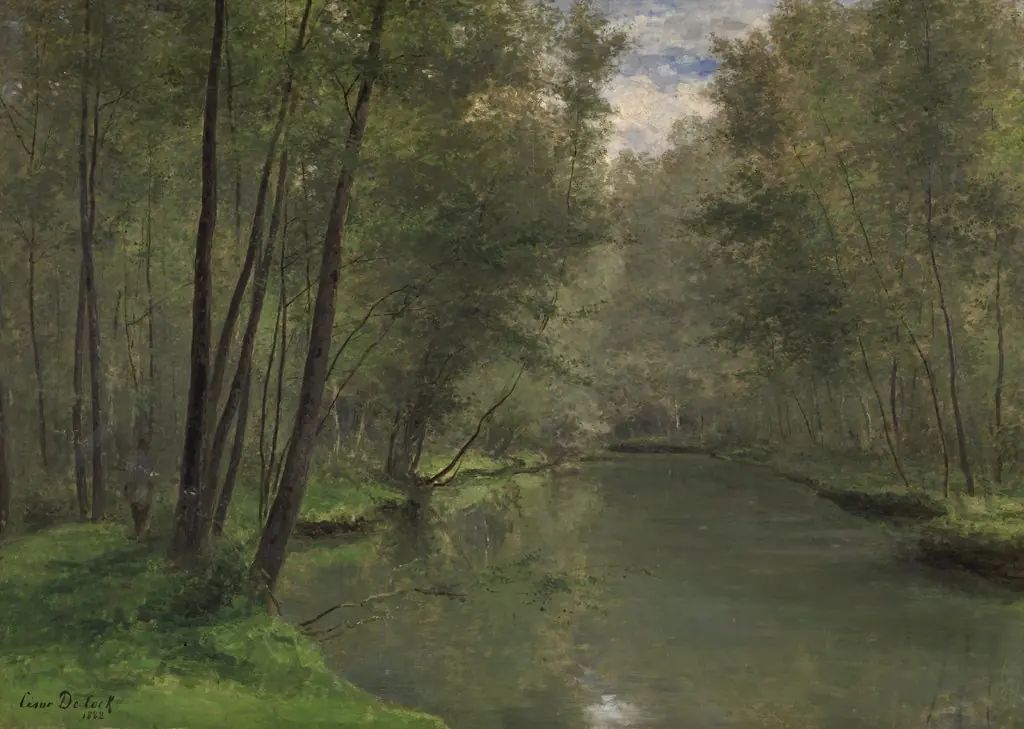
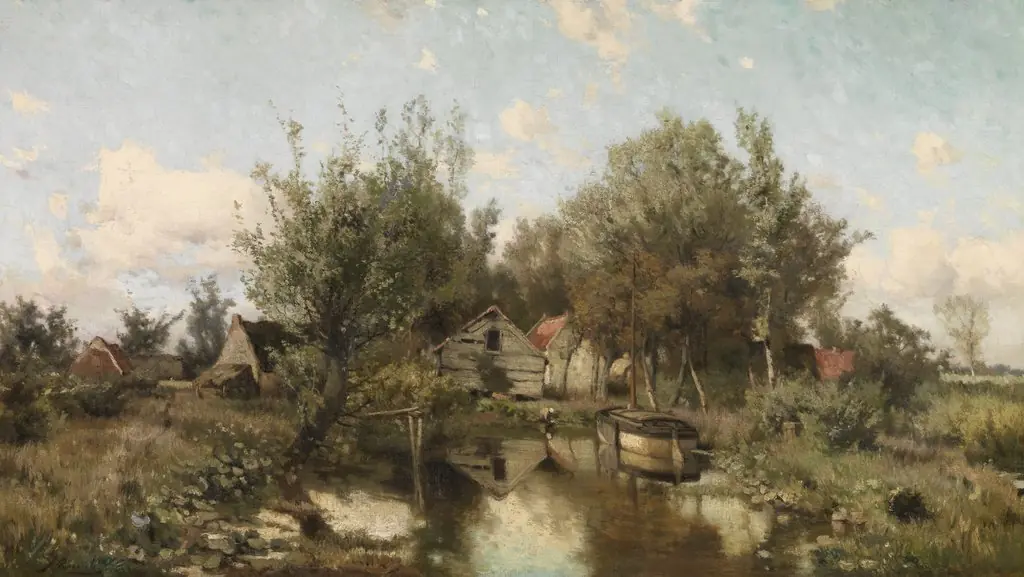
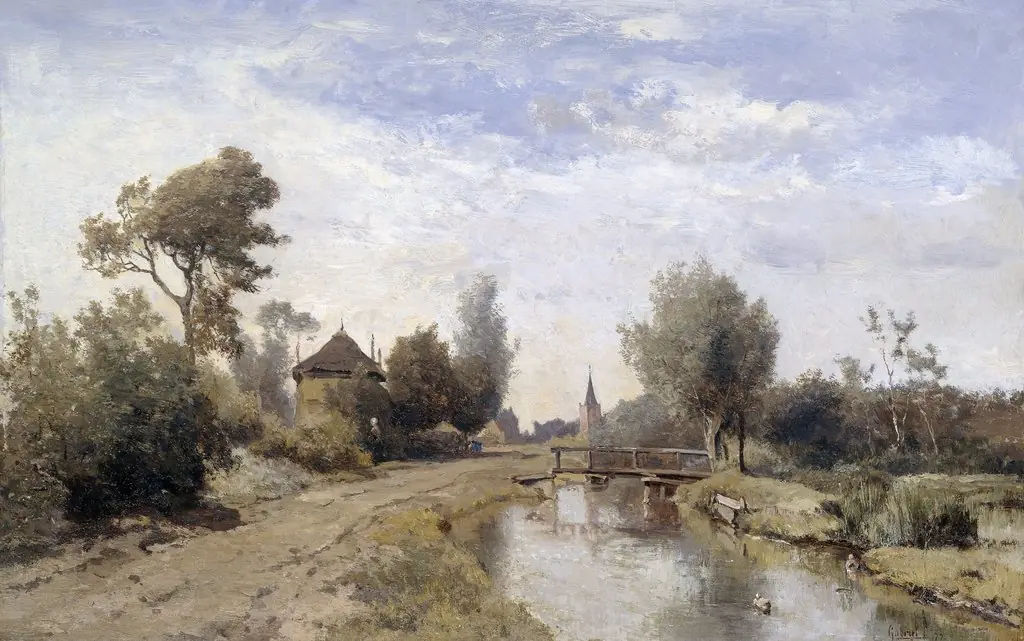
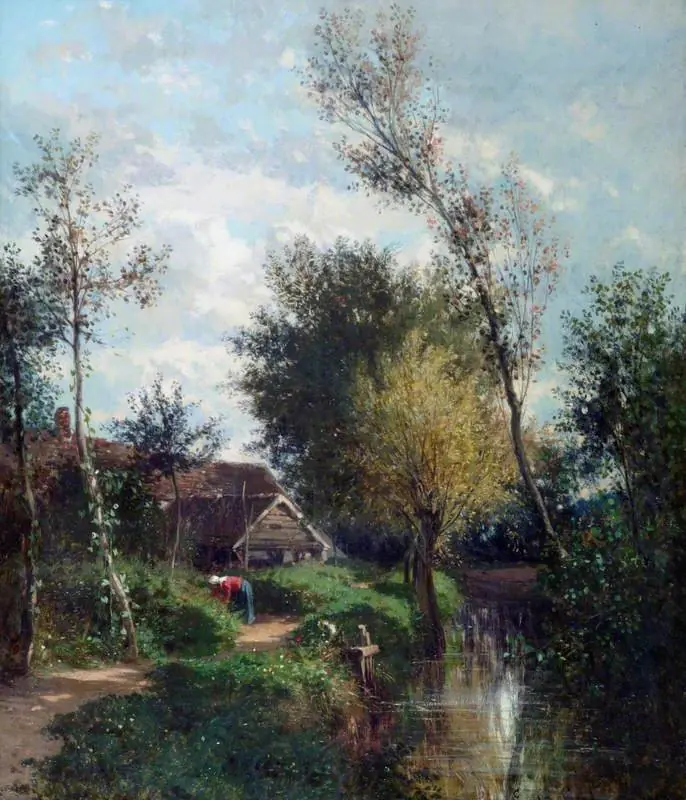
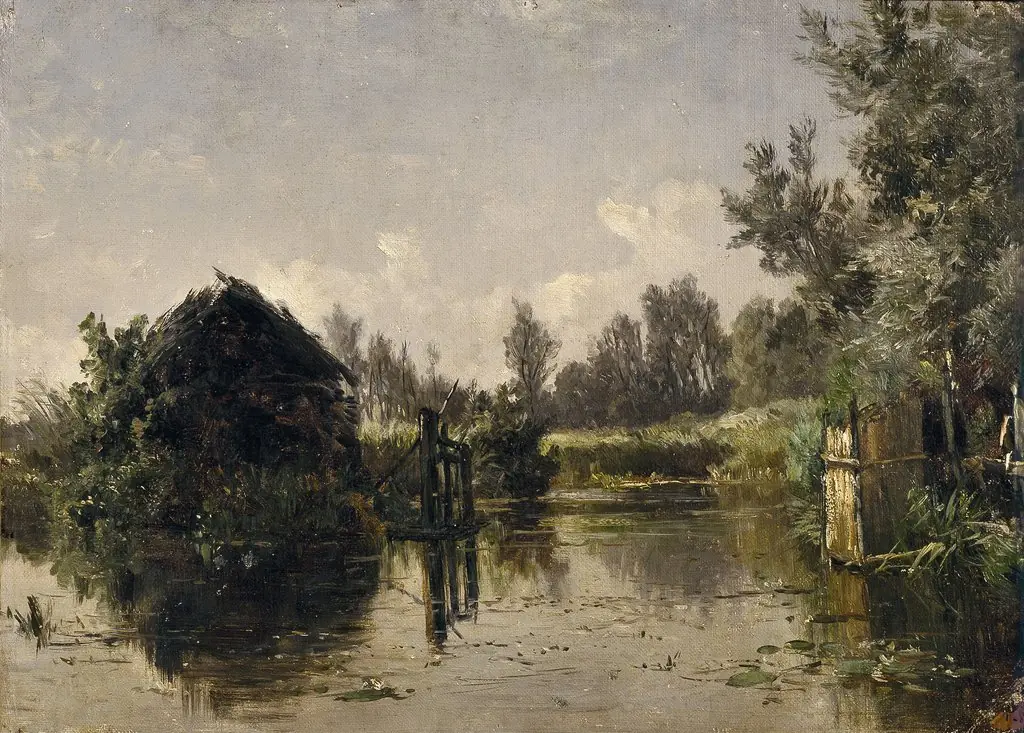
Landscape near Saint-Germain-en-Laye is an oil painting by César de Cock. It dates from 1890 and is held in the collection of the Royal Museum of Fine Arts Antwerp.
About this work
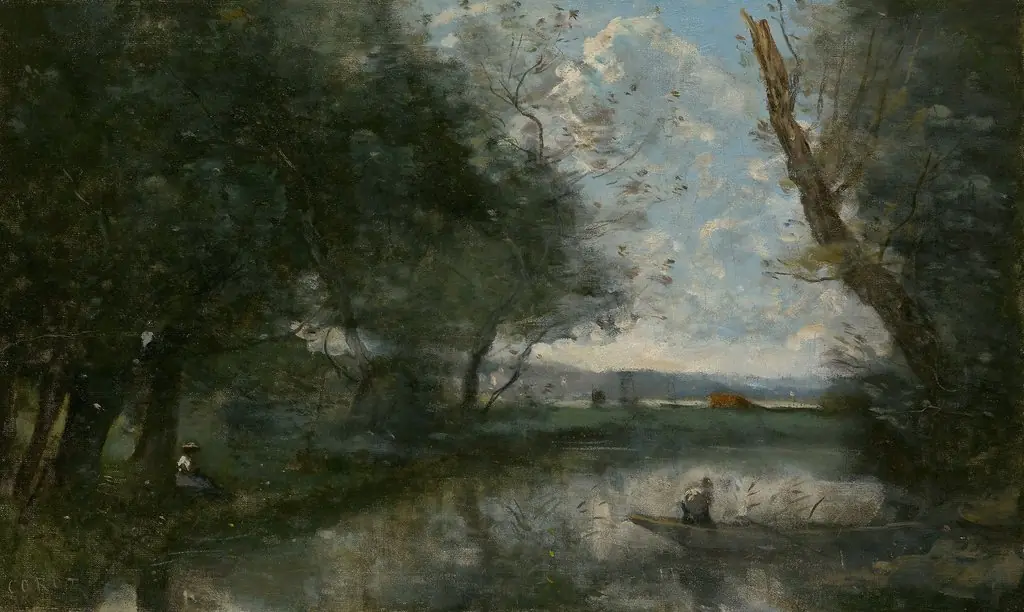
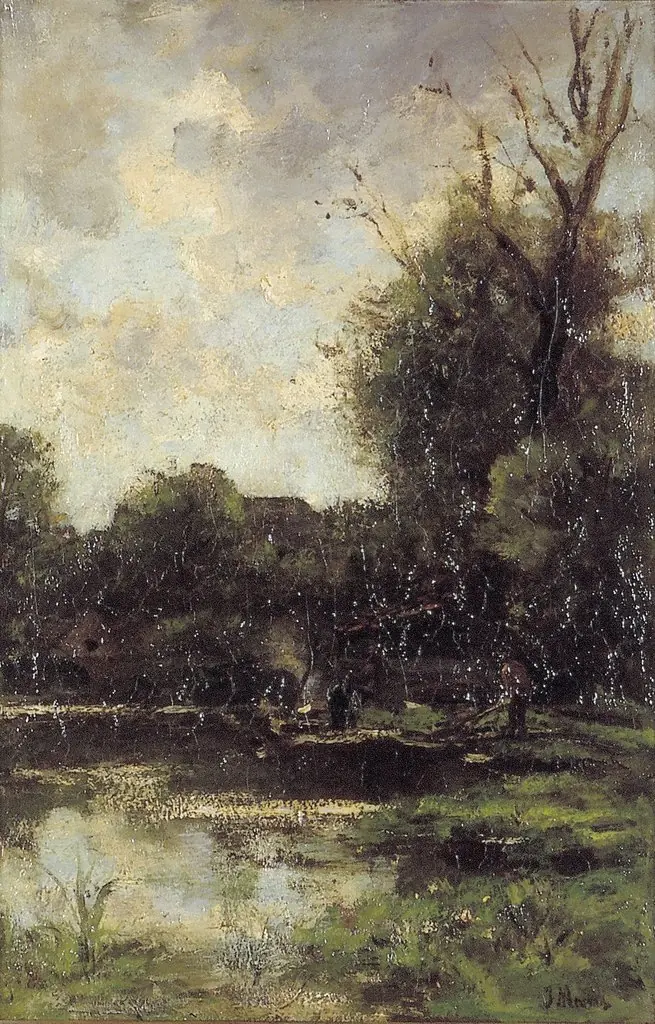
The painting's use of oil paint adds depth and texture to the scene, with the brushstrokes visible in the foliage and water.
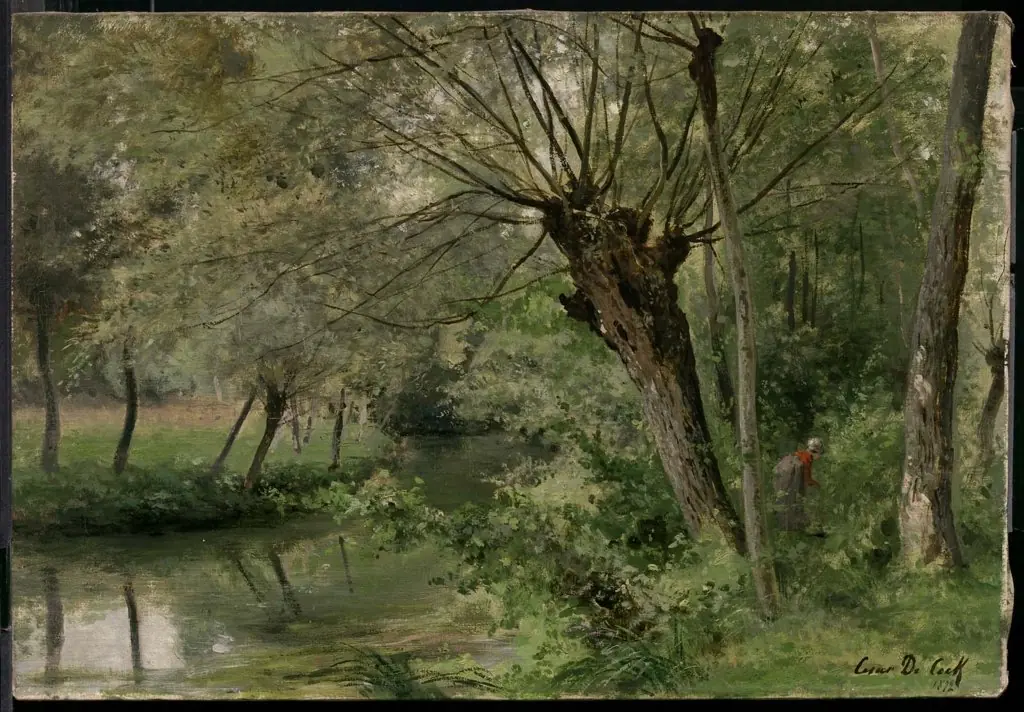
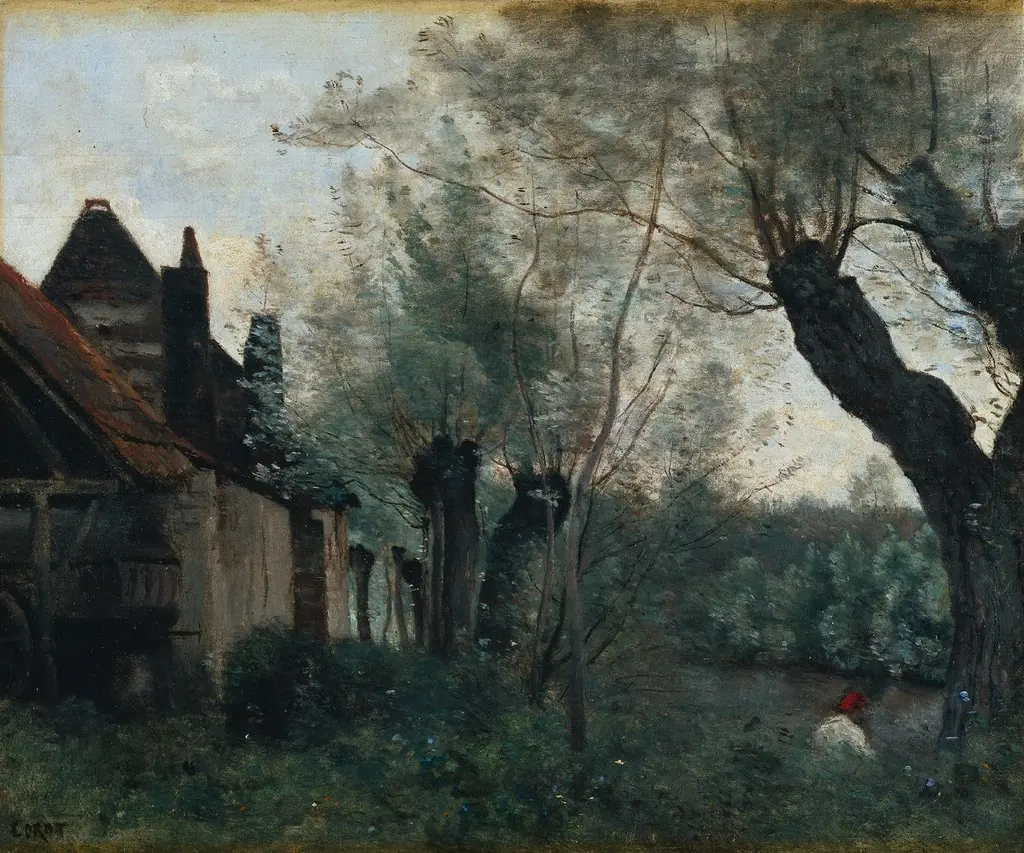
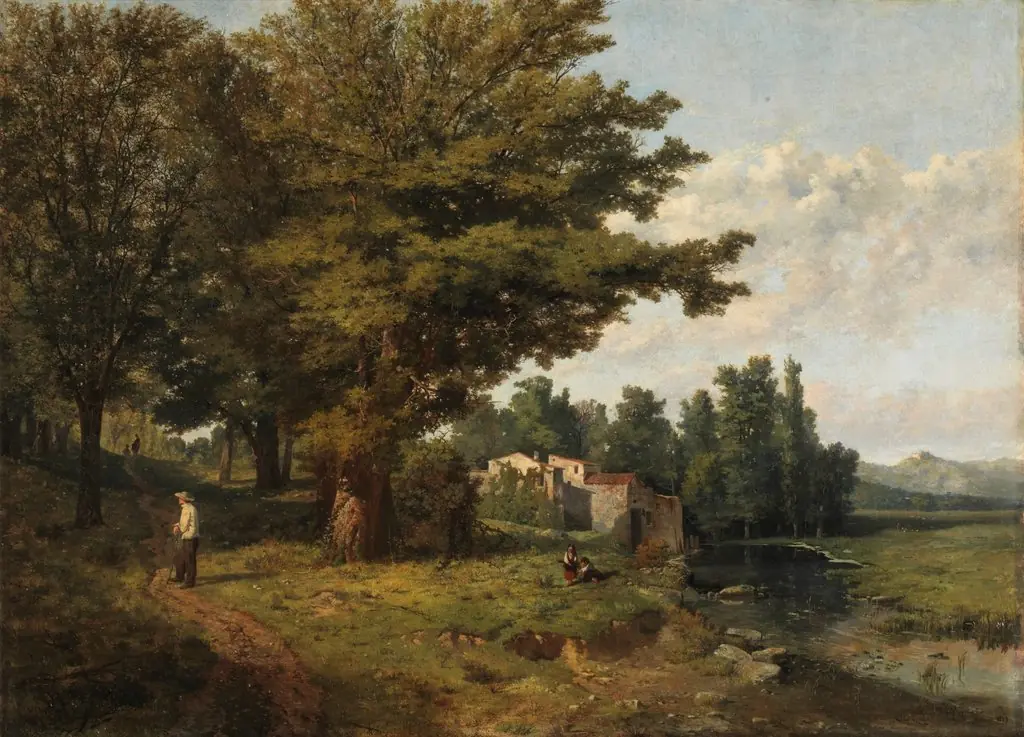
This painting depicts a serene landscape near Saint-Germain-en-Laye, created by César de Cock in 1879. The scene features a tranquil river, with a few figures gathered on its banks. In the background, a small village is visible, surrounded by lush greenery and trees. The overall atmosphere is one of peace and tranquility.
The painting's use of oil paint adds depth and texture to the scene, with the brushstrokes visible in the foliage and water. The artist's attention to detail is evident in the way the light reflects off the river's surface.
If you're interested in learning more about the artist behind this beautiful landscape, you can look up César de Cock.
Overview
Painted in 1879, Landscape near Saint-Germain-en-Laye is an oil-on-canvas work by Belgian artist César de Cock. It captures a quiet riverside scene just outside the town of Saint-Germain-en-Laye, France. The painting is part of the collection at the Royal Museum of Fine Arts Antwerp, where it remains as an example of late 19th-century European landscape painting.
Subject & Meaning
The scene portrays a calm stretch of river with a few figures resting along its edge, suggesting a moment of pause in daily life. Behind them, a modest village emerges from the trees, its buildings softly integrated into the natural surroundings. The composition emphasizes stillness and harmony between human presence and the landscape, without narrative or dramatic tension.
Technique & Style
De Cock employed oil paint to build subtle layers of color and texture, particularly in the foliage and rippling water. Brushwork is loose yet deliberate, capturing the play of light across surfaces without hyperrealism. The palette favors muted greens and soft blues, reinforcing the tranquil mood. Light reflects naturally on the river, suggesting observation from life rather than studio invention.
History & Provenance
The painting was completed in 1879 and entered the collection of the Royal Museum of Fine Arts Antwerp at some point in the 20th century. Its acquisition history prior to museum ownership is not publicly documented. It has remained in the museum’s care since, with no record of significant exhibition or public display beyond its inclusion in the permanent collection.
Context
De Cock worked during a period when French and Belgian artists increasingly turned to rural and suburban landscapes as subjects, influenced by the Barbizon School and early Impressionism. Though not part of either movement, his work reflects a shared interest in observing nature directly, away from urban centers. Saint-Germain-en-Laye, a quiet retreat near Paris, was a favored location for such studies.
Legacy
César de Cock’s Landscape near Saint-Germain-en-Laye stands as a modest but thoughtful example of regional landscape painting from the late 19th century. While not widely known outside Belgium, it contributes to the broader understanding of how artists outside major centers engaged with natural light and quiet rural scenes. The work remains a quiet testament to everyday observation in an era of artistic change.
Own this work as a print
Artist & collection