Artwork
Cap. Esgangarato and Cap. Cocodrillo
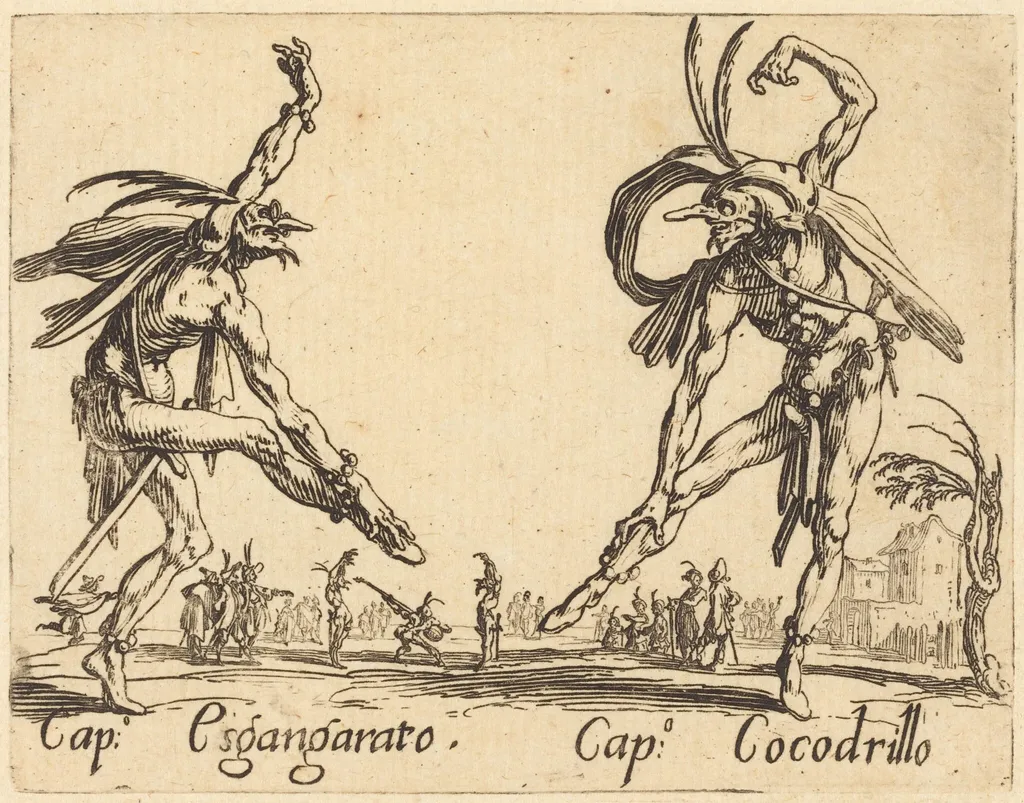
Cap. Esgangarato and Cap. Cocodrillo is an ink print by the Baroque artist Jacques Callot. It dates from 1622 and is held in the collection of the National Gallery of Art. Cap.
About this work
Overview
Cap. Esgangarato and Cap. Cocodrillo is an etching on laid paper created by Jacques Callot around 1622. The work depicts two giant, winged figures in military attire looming over a scattering crowd, rendered with exaggerated bodily proportions and detailed accessories.
Subject & Meaning
The etching portrays two oversized, militarized figures, Cap. Esgangarato and Cap. Cocodrillo, whose names suggest they may be caricatured representations of real individuals, potentially critiquing their greed or authority through their distorted appearance and the fear they inspire in the crowd below.
Technique & Style
Characteristic of Callot's Baroque printmaking style, the etching features intricate details and a dynamic scene. The use of etching techniques, involving acid and metal plates, allowed for the sharp, precise lines evident in the figures' twisted forms, the crowd's reactions, and the suggested background.
History & Provenance
Created circa 1622 by Jacques Callot, a prolific French Baroque printmaker from Lorraine, this work is part of his extensive oeuvre of over 1,400 etchings, many of which documented and commented on contemporary life, including military themes.
Context
This etching reflects Callot's broader practice of capturing scenes from his era, often incorporating detailed backgrounds and commentary on societal figures. The military attire and exaggerated forms situate the work within the Baroque tradition of expressive and sometimes satirical depictions of contemporary life.
Artist & collection
Artist
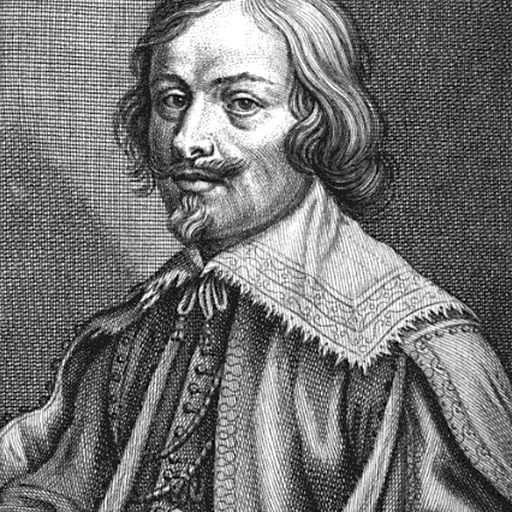
Jacques Callot was a baroque printmaker and draftsman from the Duchy of Lorraine.

 Holy Family at supper
 Restoration of the Aqueduct at Pisa
 Restoration of the Aqueduct at Pisa
 Square in Paris with Many Figures
 Square in Paris with Many Figures
 Horsemen Attacked by Robbers
 HOW WILL A COVERED PART BE CORRECTED?HOW WIKA A COVERED HEART DEED CORRECTED?
![Christ Walking on the Water [second plate], by Jacques Callot](https://artifactworldgallery.com/img/jacques-callot--christ-walking-on-the-water-second-plate--2069f3bfe4cb2126-w320.webp) Christ Walking on the Water [second plate]
Christ Walking on the Water [second plate]
 Cap. Esgangarato and Cap. Cocodrillo
 Cap. Esgangarato and Cap. Cocodrillo
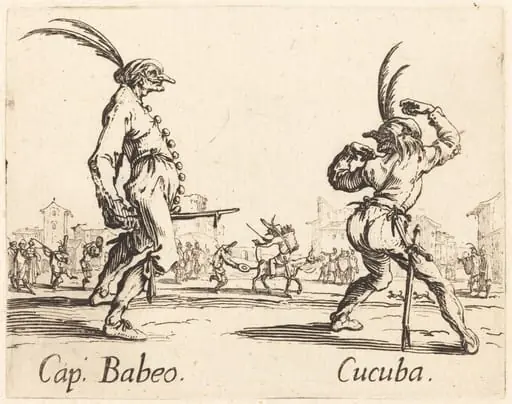 Cap. Babeo and Cucuba
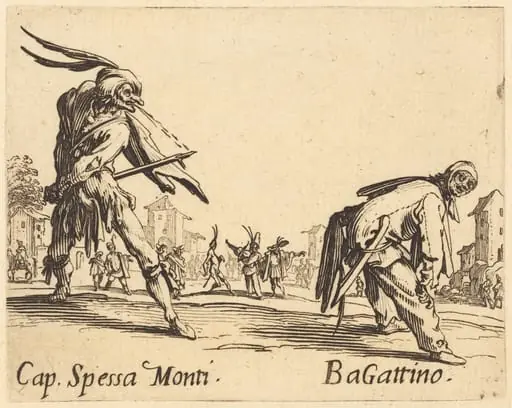 Cap. Spessa Monti and Bagattino
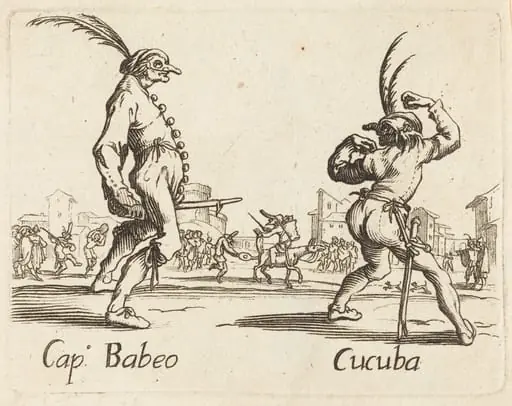 Cap. Babeo and Cucuba
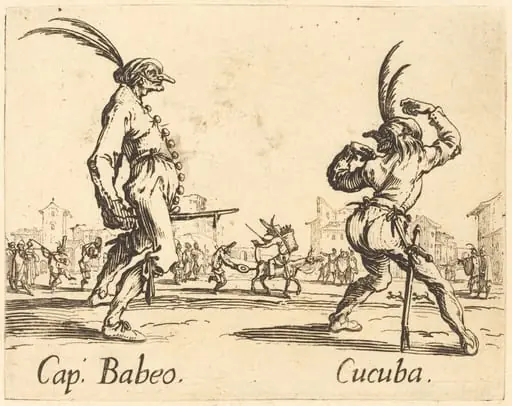 Cap. Babeo and Cucuba
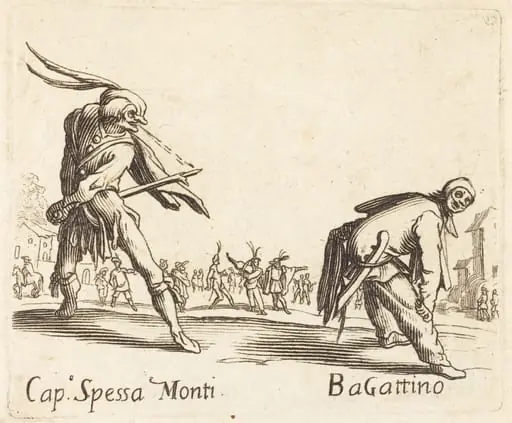 Cap. Spessa Monti and Bagattino
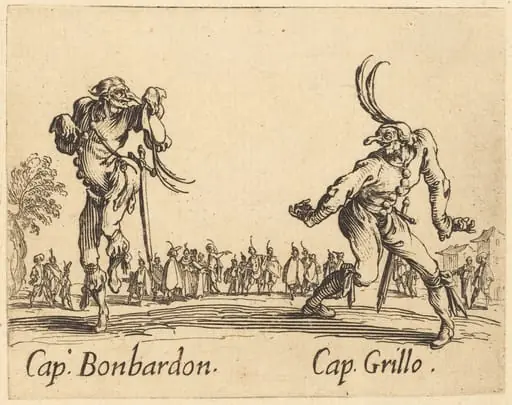 Cap. Bonbardon and Cap. Grillo
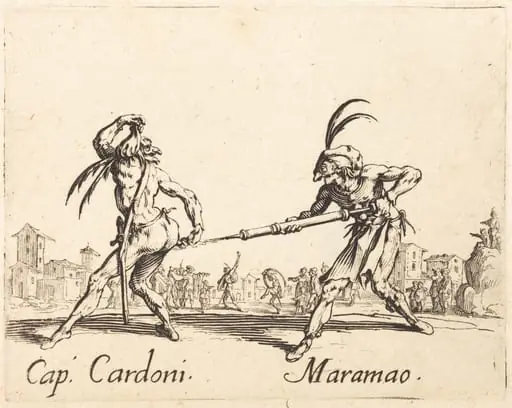 Cap. Cardoni and Maramao
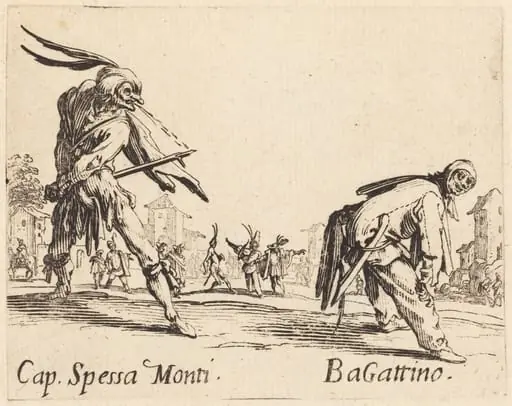 Cap. Spessa Monti and Bagattino
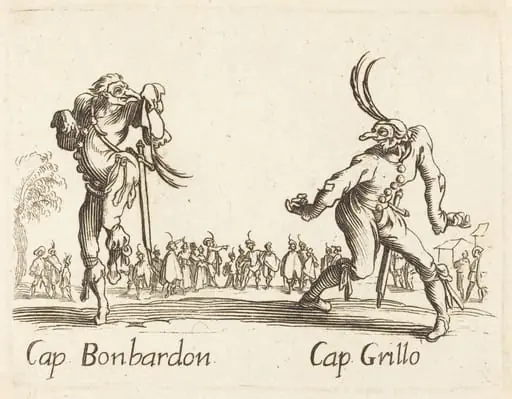 Cap. Bonbardon and Cap. Grillo