Artwork
Coins [plate 9]
![Coins [plate 9], by Jacques Callot, ink, 1630](https://artifactworldgallery.com/img/jacques-callot--coins-plate-9--b629077b5f494bba-w1024.webp)
Coins [plate 9] is an ink print by the Baroque artist Jacques Callot. It dates from 1630 and is held in the collection of the National Gallery of Art.
About this work
Overview
This plate presents a precise arrangement of twelve distinct coins, rendered with meticulous line work characteristic of his technique.
Jacques Callot produced *Coins [plate 9]* circa 1630 as an etching on laid paper, part of a larger series documenting the material culture of early 17th-century Europe. A prolific printmaker from the Duchy of Lorraine, Callot specialized in intricate depictions of everyday life, often focusing on objects and figures overlooked by mainstream art. This plate presents a precise arrangement of twelve distinct coins, rendered with meticulous line work characteristic of his technique.
Subject & Meaning
The plate displays twelve coins, each bearing unique iconography—crowns, animals, and human profiles—arranged in four rows of three. Rather than depicting people or scenes, Callot turns attention to currency itself, suggesting an interest in economic exchange, authority, and symbolic representation. The variety of designs may reflect regional mints or historical periods, inviting viewers to consider the political and cultural messages embedded in coinage.
Technique & Style
Callot employed fine etching lines to capture minute details on each coin’s surface, including borders, relief patterns, and inscriptions. His use of laid paper enhanced the texture, complementing the tactile quality of the depicted objects. The composition is orderly and frontal, emphasizing clarity over drama. This restrained approach highlights his technical precision and his commitment to observational accuracy over idealization.
History & Provenance
Created during Callot’s mature period in Florence, the plate likely belonged to a series exploring objects of daily use and economic life. Though the full series is not fully documented, surviving prints suggest a systematic cataloging impulse. The work entered institutional collections in the 18th and 19th centuries, valued for its technical skill and ethnographic insight rather than its aesthetic novelty.
Context
In the 1630s, Europe saw increasing interest in collecting and classifying material culture, driven by antiquarianism and the rise of cabinets of curiosities. Callot’s etching aligns with this trend, treating coins not as currency but as artifacts worthy of study. His focus on such objects reflects a broader intellectual shift toward empirical observation, paralleling developments in natural history and early anthropology.
Legacy
Callot’s *Coins* exemplifies his role in elevating printmaking as a medium for documentary precision. While not widely exhibited as a standalone work, it contributes to a body of prints that influenced later artists interested in social documentation and the aesthetics of the ordinary. The plate remains a reference for scholars studying early modern material culture and the evolution of print techniques.
Artist & collection
Artist
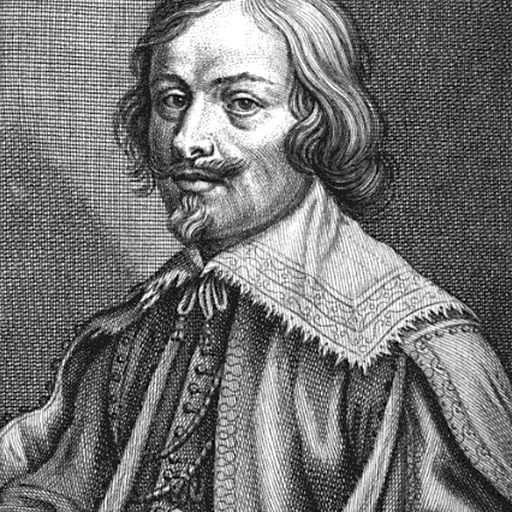
Jacques Callot was a baroque printmaker and draftsman from the Duchy of Lorraine.

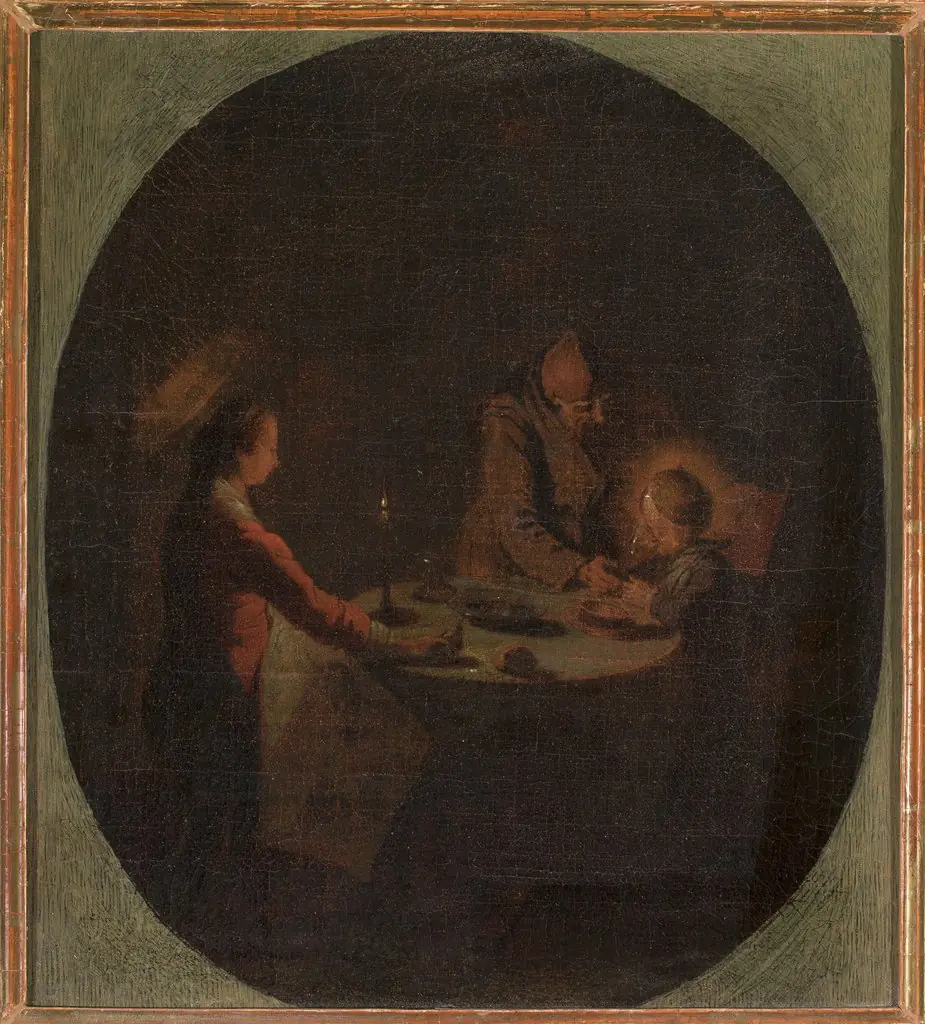 Holy Family at supper
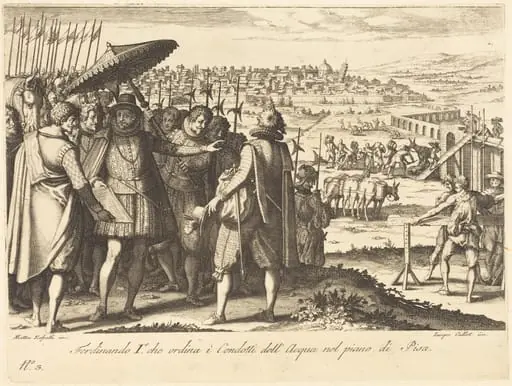 Restoration of the Aqueduct at Pisa
 Restoration of the Aqueduct at Pisa
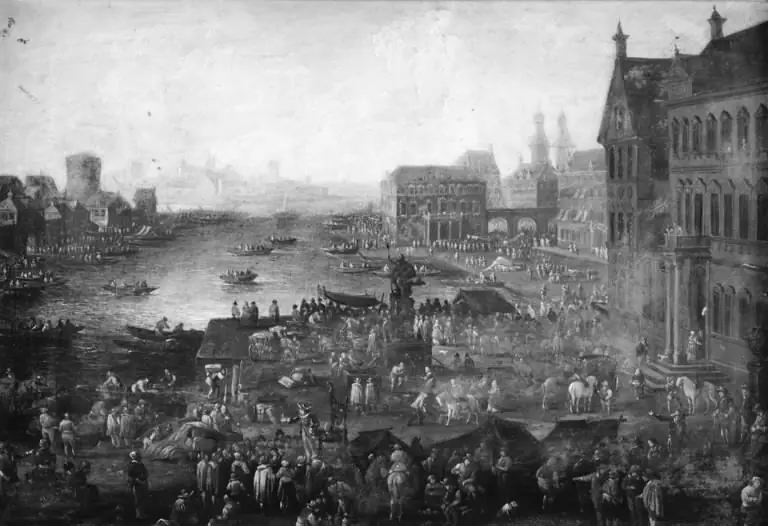 Square in Paris with Many Figures
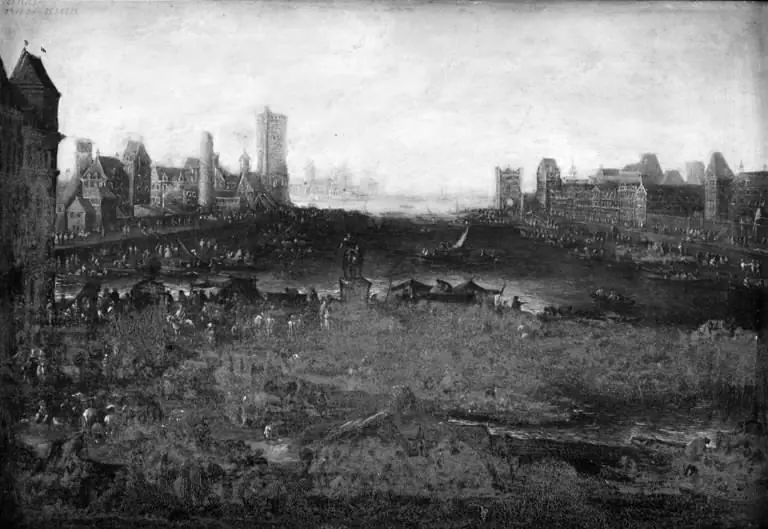 Square in Paris with Many Figures
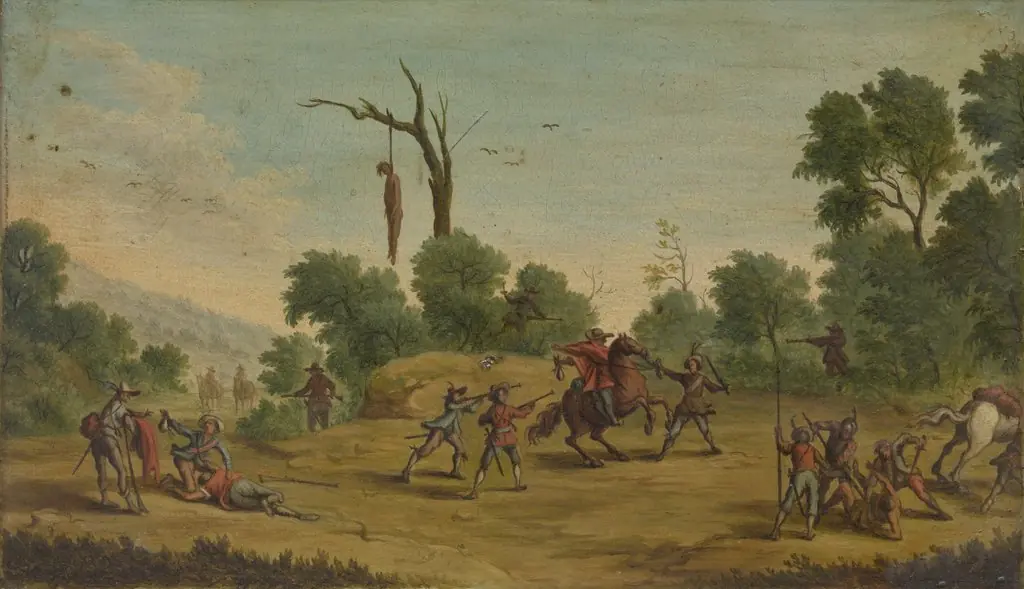 Horsemen Attacked by Robbers
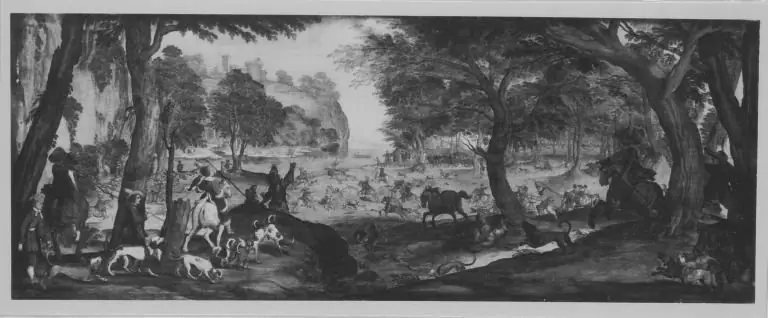 HOW WILL A COVERED PART BE CORRECTED?HOW WIKA A COVERED HEART DEED CORRECTED?
![Christ Walking on the Water [second plate], by Jacques Callot](https://artifactworldgallery.com/img/jacques-callot--christ-walking-on-the-water-second-plate--2069f3bfe4cb2126-w320.webp) Christ Walking on the Water [second plate]
Christ Walking on the Water [second plate]
![Coins [plate 3], by Jacques Callot](https://artifactworldgallery.com/img/jacques-callot--coins-plate-3--48953d8de7930b03-w320.webp)
![Coins [plate 5], by Jacques Callot](https://artifactworldgallery.com/img/jacques-callot--coins-plate-5--e74707f00b802da6-w320.webp)
![Coins [plate 4], by Jacques Callot](https://artifactworldgallery.com/img/jacques-callot--coins-plate-4--85863c28ddb9f3d6-w320.webp)
![Coins [plate 10], by Jacques Callot](https://artifactworldgallery.com/img/jacques-callot--coins-plate-10--fb10384300993894-w320.webp)
![Coins [plate 6], by Jacques Callot](https://artifactworldgallery.com/img/jacques-callot--coins-plate-6--e6dbedab3bd6bb44-w320.webp)
![Coins [plate 2], by Jacques Callot](https://artifactworldgallery.com/img/jacques-callot--coins-plate-2--b39cf66376b9d11b-w320.webp)