Artwork
Edmund, King of England, Martyr; Presentation of the Virgin; St. Columban; St. Cecelia
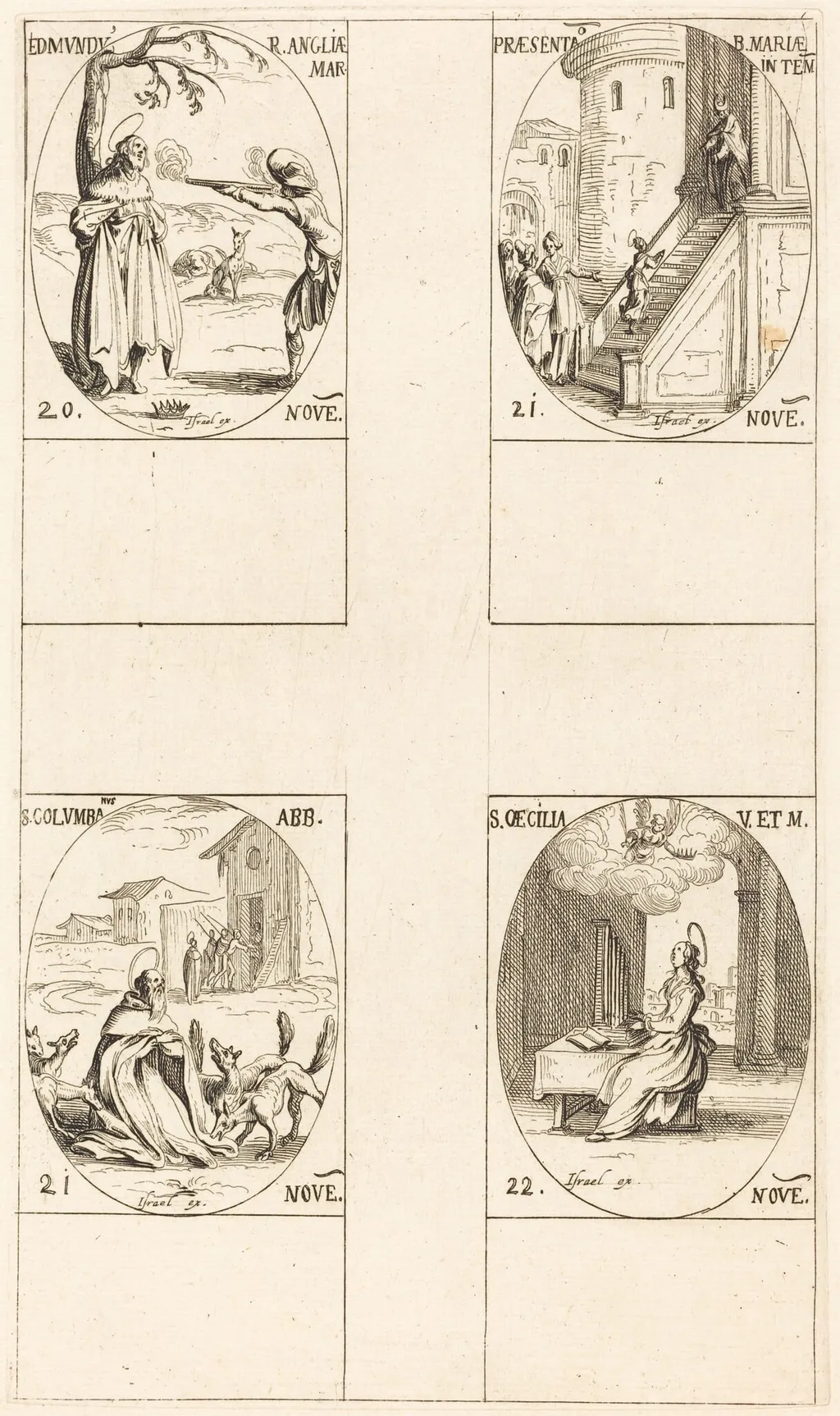
Edmund, King of England, Martyr; Presentation of the Virgin; St. Columban; St. Cecelia is an ink print by the Baroque artist Jacques Callot. It dates from 1634 and is held in the collection of the National Gallery of Art.
About this work
Overview
This 1634 etching by Jacques Callot presents four distinct religious scenes arranged in oval frames on a single sheet of laid paper.
This 1634 etching by Jacques Callot presents four distinct religious scenes arranged in oval frames on a single sheet of laid paper. Each scene depicts a saint or holy figure, rendered with meticulous line work and no color. Callot, known for his prolific output and technical precision, used etching to condense multiple narratives into one composition, reflecting a common practice in devotional prints of the period.
Subject & Meaning
The four figures—Edmund of East Anglia, the Presentation of the Virgin, Columbanus, and Cecilia—are chosen for their significance in Christian hagiography. Edmund is shown with a crown, alluding to his martyrdom; Columbanus blesses animals, symbolizing his monastic connection to nature; Cecilia plays a stringed instrument, referencing her patronage of music; and the Presentation scene evokes the Virgin’s dedication to the Temple. Together, they form a devotional ensemble meant for private contemplation.
Technique & Style
Callot employed fine-line etching on a metal plate, using acid to bite detailed contours into the surface. The resulting print displays crisp, controlled lines that define drapery, architecture, and facial features with remarkable clarity. The absence of tone or color emphasizes linear precision, while the uniform oval framing unifies disparate subjects. Labels in Latin identify each figure, reinforcing the print’s didactic purpose.
History & Provenance
Created in the early 1630s during Callot’s time in Florence, this print likely circulated among collectors and clergy in Catholic Europe. Its small scale and detailed imagery suggest it was intended for personal devotion rather than public display. Though no specific early ownership records are documented, similar works by Callot were widely reproduced and collected in the 17th century, particularly in France and the Low Countries.
Context
In the decades following the Council of Trent, Catholic Europe saw a surge in devotional imagery that emphasized saints and sacred narratives. Callot’s print aligns with this trend, offering compact, legible scenes suitable for private prayer. His integration of multiple figures in one composition echoes earlier Northern Renaissance prints, while his technical refinement reflects the growing prestige of etching as a fine art medium.
Legacy
Callot’s ability to compress complex narratives into tightly composed etchings influenced generations of printmakers. Though this particular work is not among his most famous, it exemplifies his skill in balancing narrative clarity with technical discipline. Its survival in multiple institutional collections attests to its enduring value as a study in 17th-century religious iconography and printmaking technique.
Artist & collection
Artist
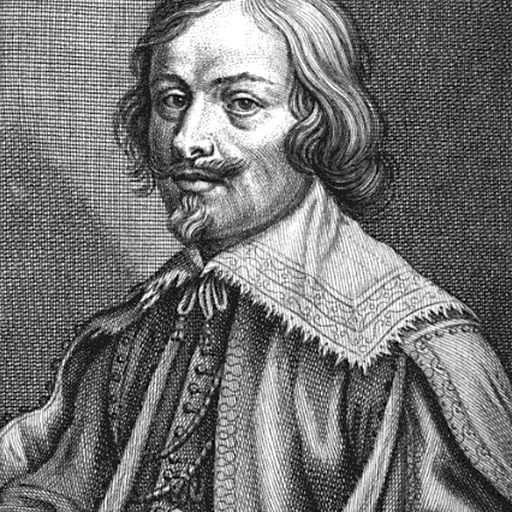
Jacques Callot was a baroque printmaker and draftsman from the Duchy of Lorraine.

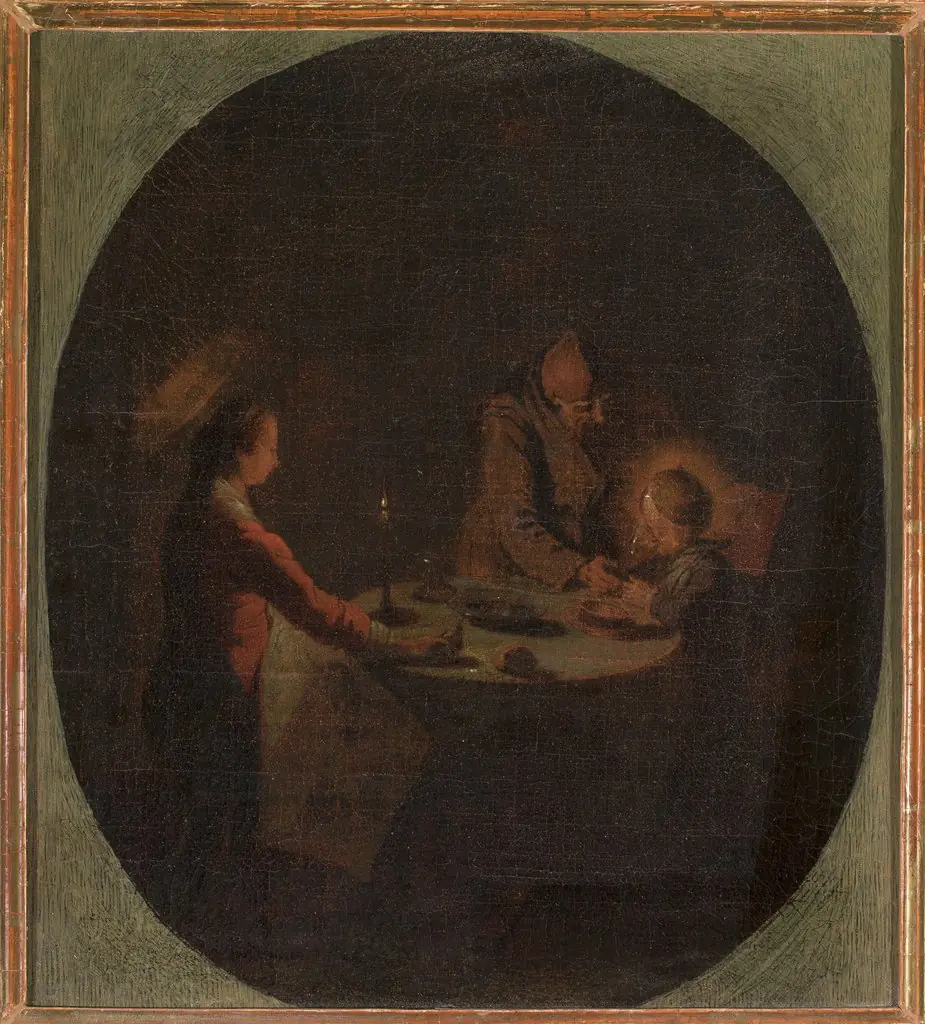 Holy Family at supper
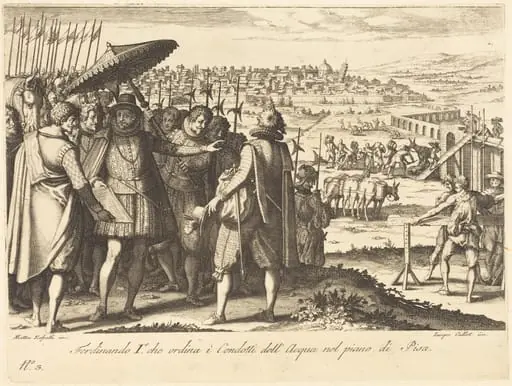 Restoration of the Aqueduct at Pisa
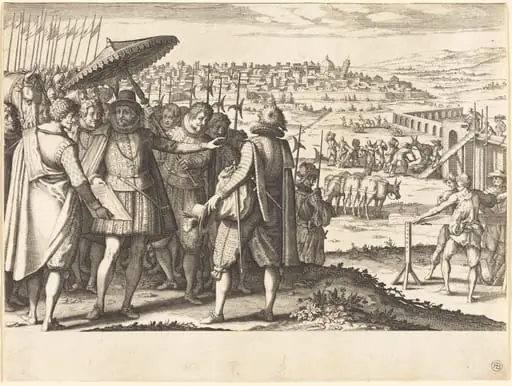 Restoration of the Aqueduct at Pisa
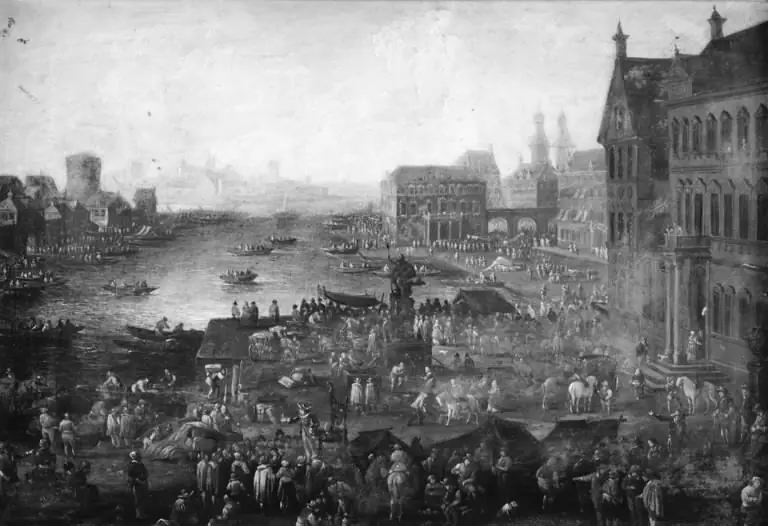 Square in Paris with Many Figures
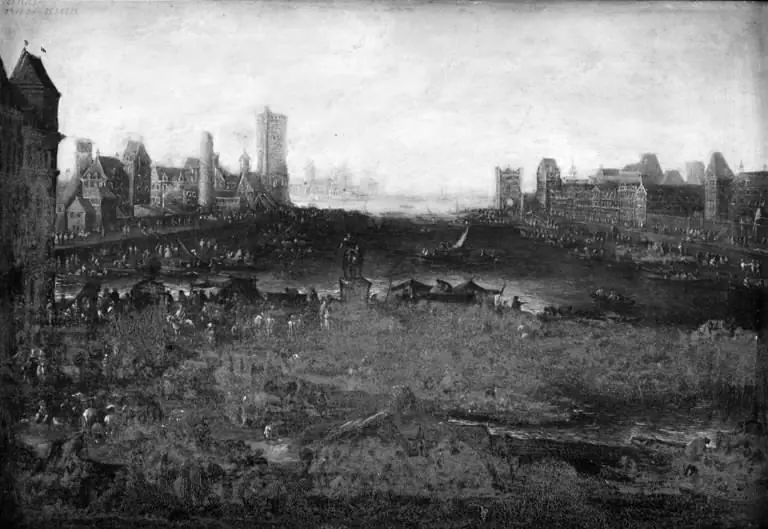 Square in Paris with Many Figures
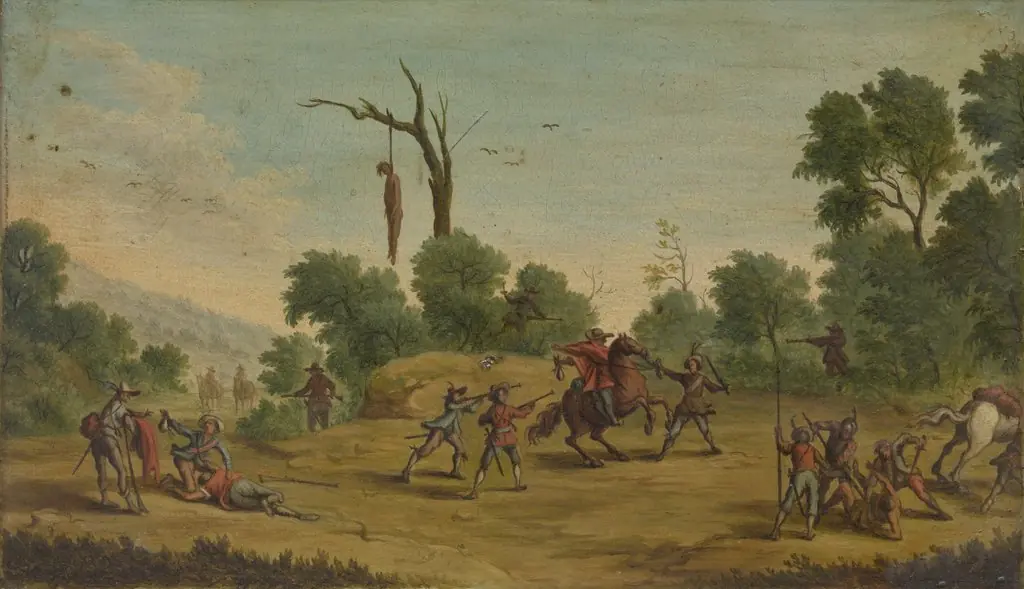 Horsemen Attacked by Robbers
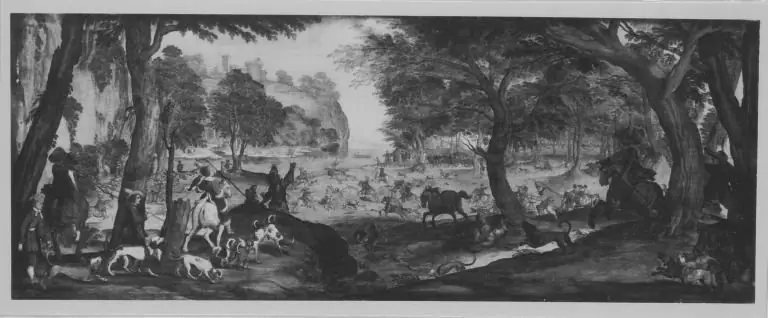 HOW WILL A COVERED PART BE CORRECTED?HOW WIKA A COVERED HEART DEED CORRECTED?
![Christ Walking on the Water [second plate], by Jacques Callot](https://artifactworldgallery.com/img/jacques-callot--christ-walking-on-the-water-second-plate--2069f3bfe4cb2126-w320.webp) Christ Walking on the Water [second plate]
Christ Walking on the Water [second plate]
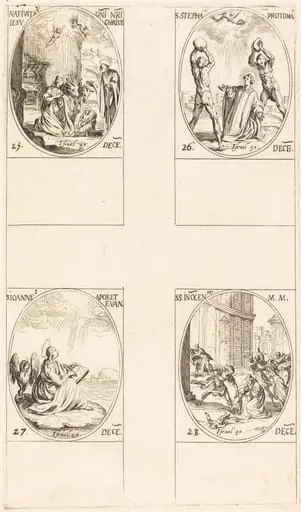 The Nativity; St. Stephen; St. John; Holy Innocents
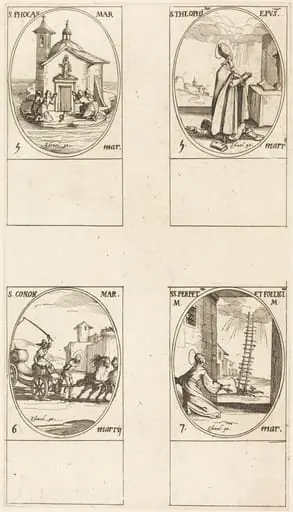 St. Phocas; St. Theophilus; St. Conon; Sts. Perpetua and Felicitas
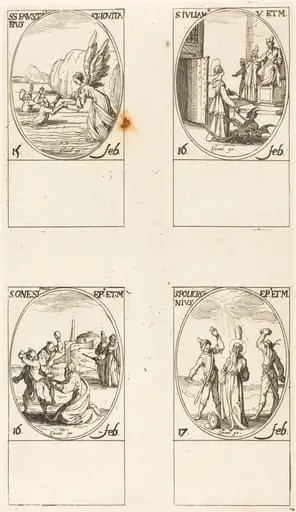 Sts. Faustinus and Jovita; St. Juliana; St. Onesimus; St. Policronius
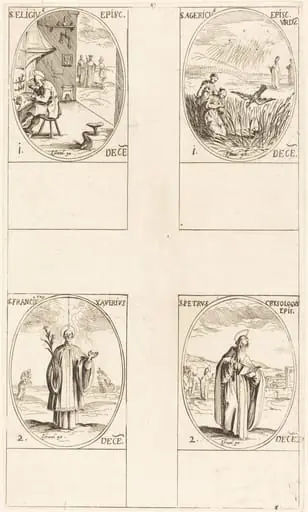 St. Eligius; St. Agericus; St. Francis Xavier; St. Peter Chrysologus
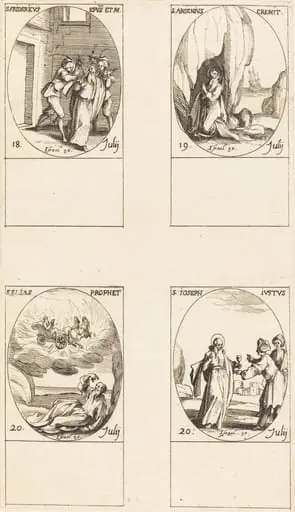 St. Frederick; St. Arsenius, Hermit; St. Elias, Prophet; St. Joseph the Just
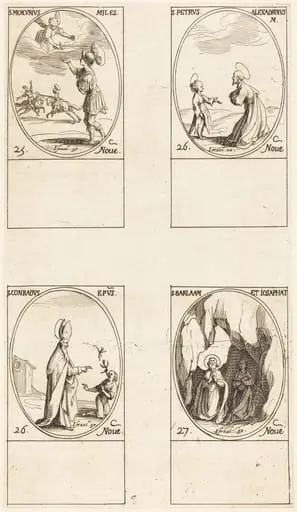 St. Mercury; St. Peter of Alexandria; St. Conrad; Sts. Barlaam and Josaphat