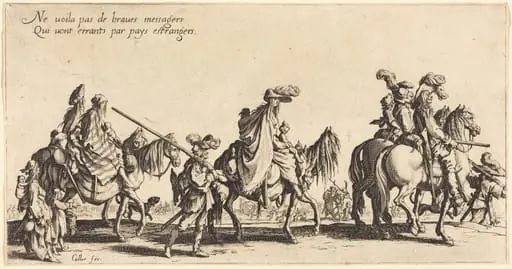
Artwork
Entry into Ferrara
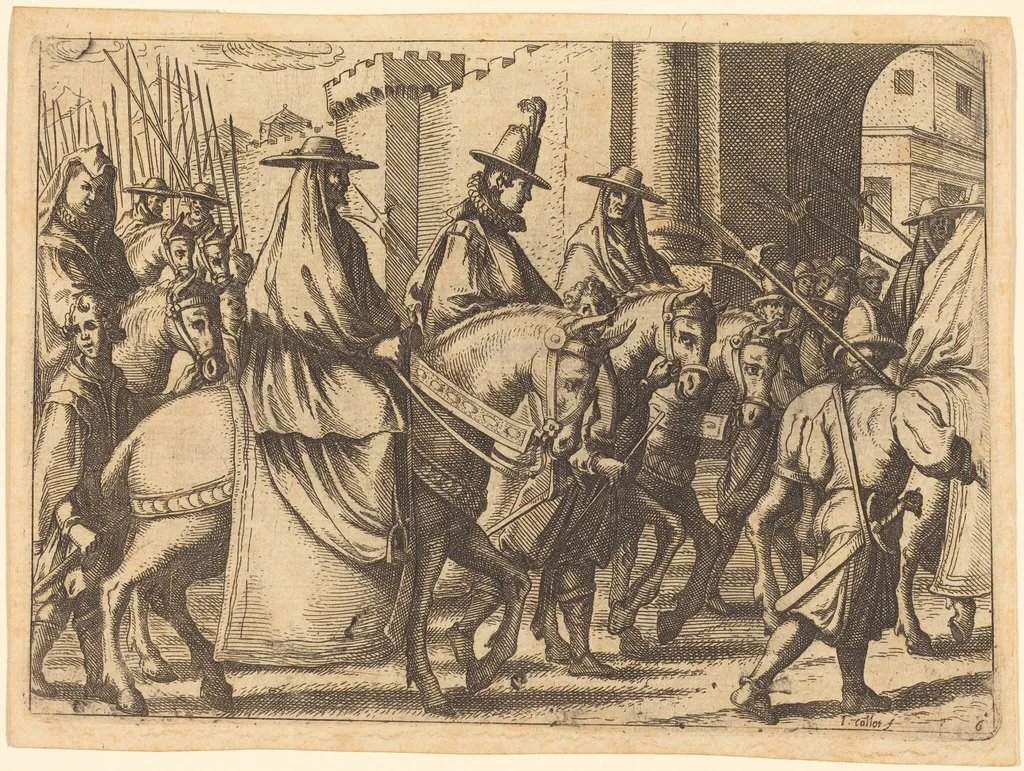
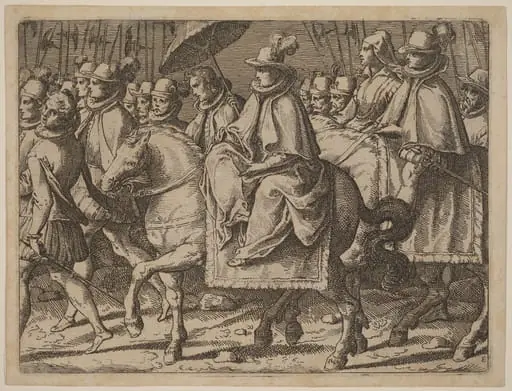
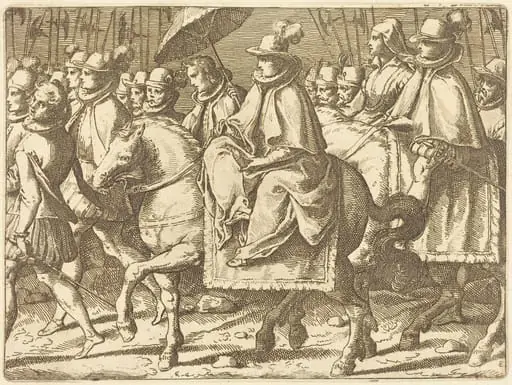
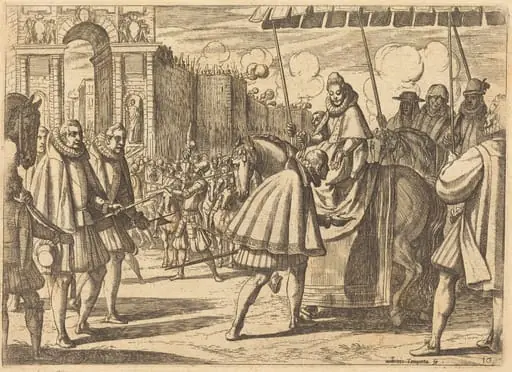
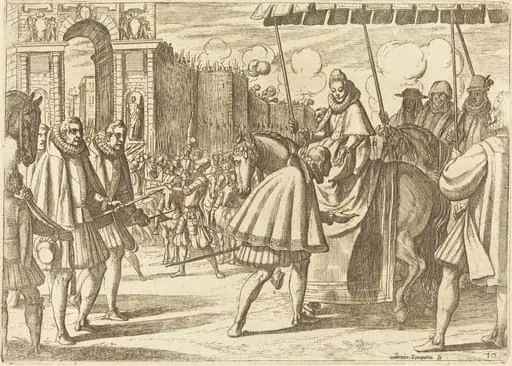
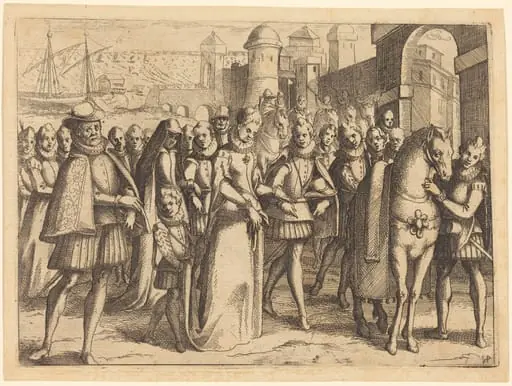
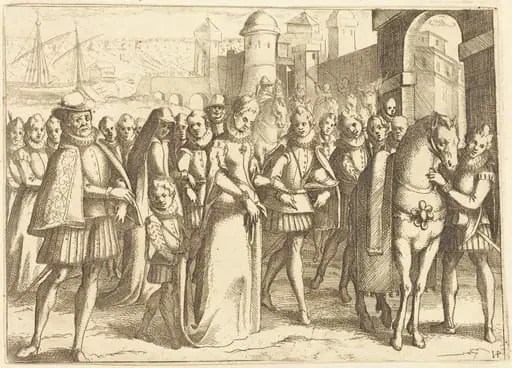
Entry into Ferrara is an ink print by the Baroque artist Jacques Callot. It dates from 1612 and is held in the collection of the National Gallery of Art.
About this work
Overview
Jacques Callot’s *Entry into Ferrara* (1612) is a black-and-white etching on laid paper, part of a vast body of over 1,400 prints he produced.
Jacques Callot’s *Entry into Ferrara* (1612) is a black-and-white etching on laid paper, part of a vast body of over 1,400 prints he produced. Created during his early career in Italy, the work captures a moment of military movement with precision and energy. Callot, a French artist from the Duchy of Lorraine, used etching to document the turbulence of early 17th-century Europe, blending observation with technical innovation.
Subject & Meaning
The scene depicts a disorderly procession of soldiers entering the city of Ferrara, some mounted on horses or mules, others on foot, armed with spears and swords. The chaotic composition reflects the instability of wartime movement rather than a ceremonial triumph. Callot’s focus on the mundane chaos of military life, rather than heroic grandeur, offers a grounded view of the era’s social realities.
Technique & Style
Callot employed etching, a method involving acid-bitten lines on a metal plate, to achieve fine, controlled detail. His use of dense, dynamic linework conveys motion and texture, from the folds of fabric to the roughness of stone walls. The sharpness and density of the lines allow for intricate storytelling within a small frame, showcasing his technical refinement and ability to render complex scenes with clarity.
History & Provenance
Created during Callot’s time in Italy, the print likely responded to contemporary events in the Duchy of Ferrara, then under Spanish influence. Though specific ownership records are sparse, the work circulated widely among collectors and artists due to the reproducibility of etching. Its survival in multiple institutional collections attests to its early recognition within printmaking circles.
Context
In the early 1600s, Italy was a patchwork of duchies and foreign garrisons, with armies frequently moving through its cities. Callot, influenced by his travels, recorded these transient moments with unusual attention to detail. His prints served not as propaganda but as visual records of everyday military presence, offering insight into the lived experience of war beyond battlefield narratives.
Legacy
Callot’s technical innovations in etching, including improved ground and needle techniques, elevated printmaking as a serious artistic medium. *Entry into Ferrara* exemplifies his influence on later artists who sought to capture contemporary life with precision. His work helped shift printmaking from reproduction toward independent artistic expression, setting a precedent for narrative print series in the centuries that followed.
Artist & collection
Artist
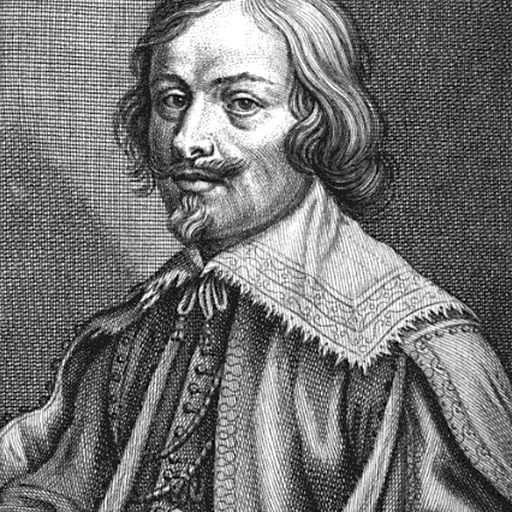
Jacques Callot was a baroque printmaker and draftsman from the Duchy of Lorraine.

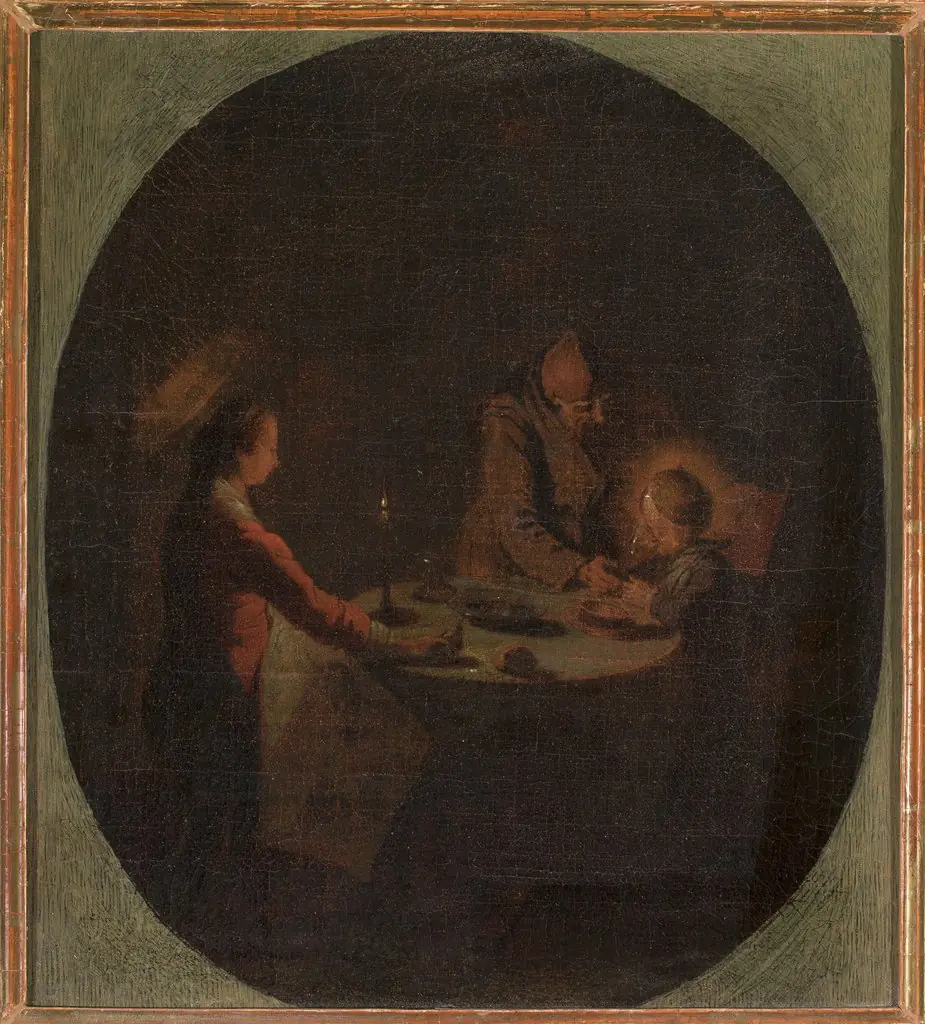 Holy Family at supper
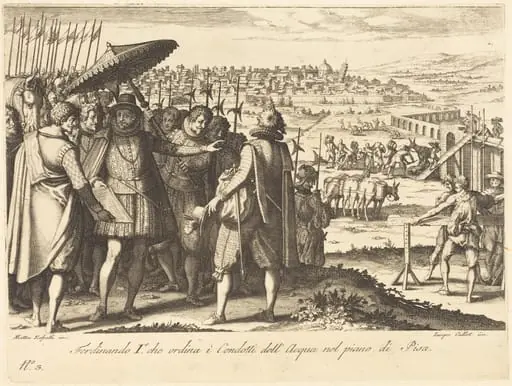 Restoration of the Aqueduct at Pisa
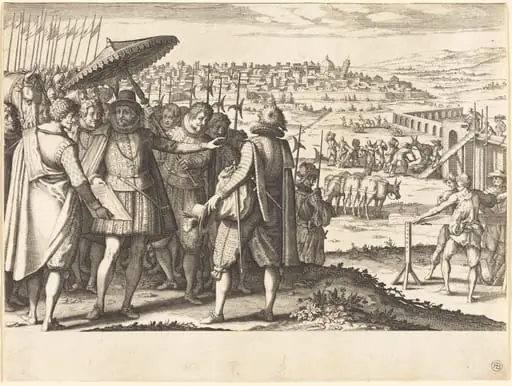 Restoration of the Aqueduct at Pisa
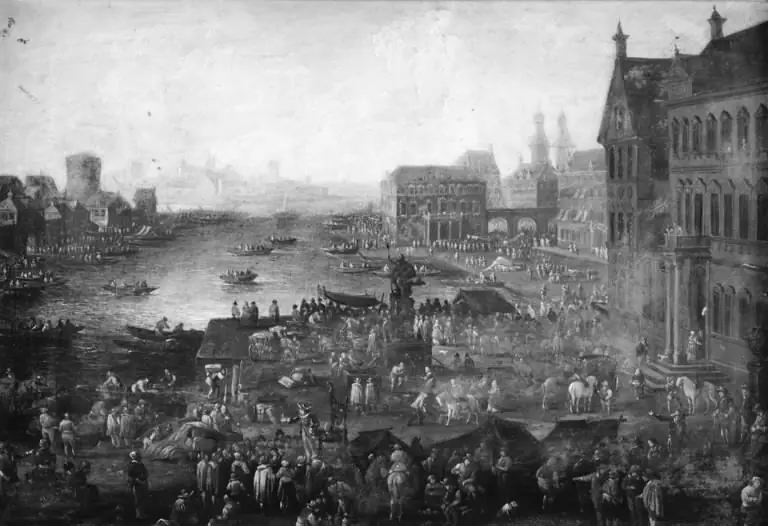 Square in Paris with Many Figures
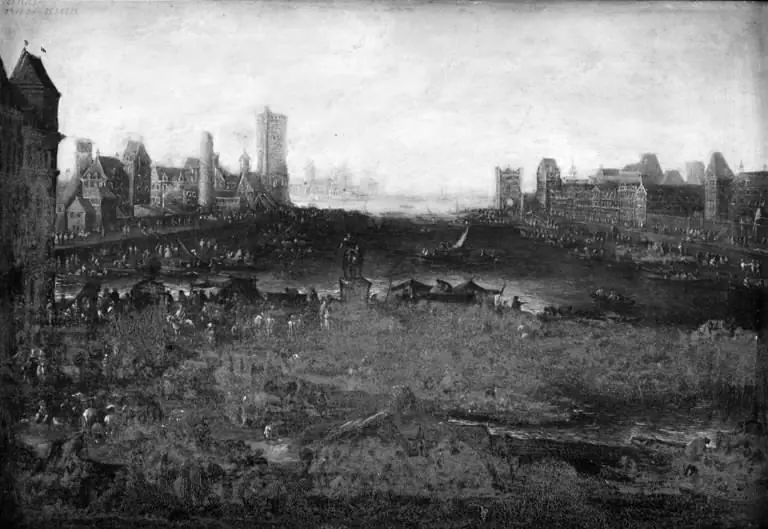 Square in Paris with Many Figures
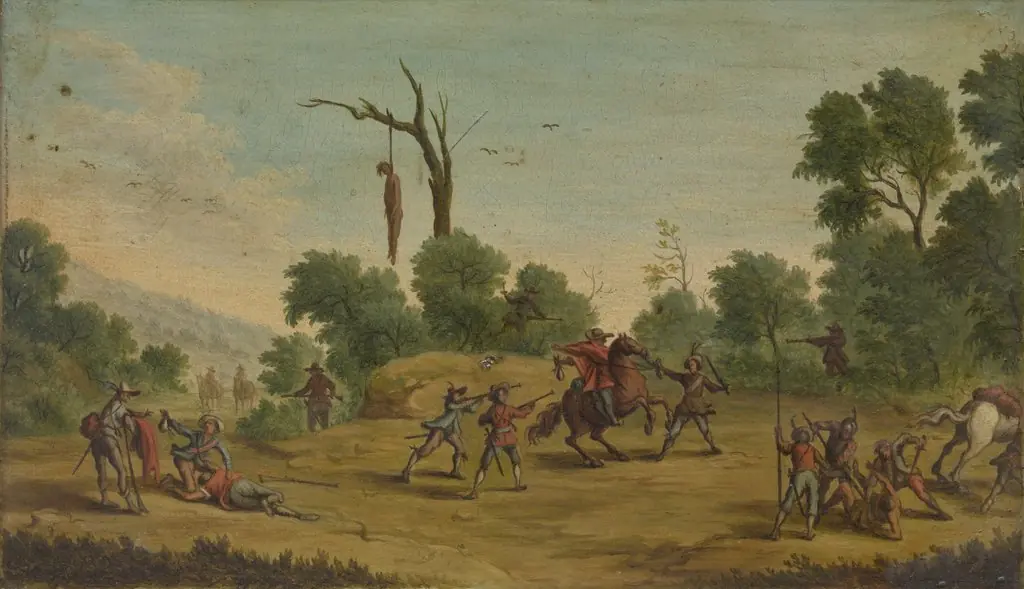 Horsemen Attacked by Robbers
 HOW WILL A COVERED PART BE CORRECTED?HOW WIKA A COVERED HEART DEED CORRECTED?
![Christ Walking on the Water [second plate], by Jacques Callot](https://artifactworldgallery.com/img/jacques-callot--christ-walking-on-the-water-second-plate--2069f3bfe4cb2126-w320.webp) Christ Walking on the Water [second plate]
Christ Walking on the Water [second plate]