Artwork
Triumphal Entry of Margaret of Austria
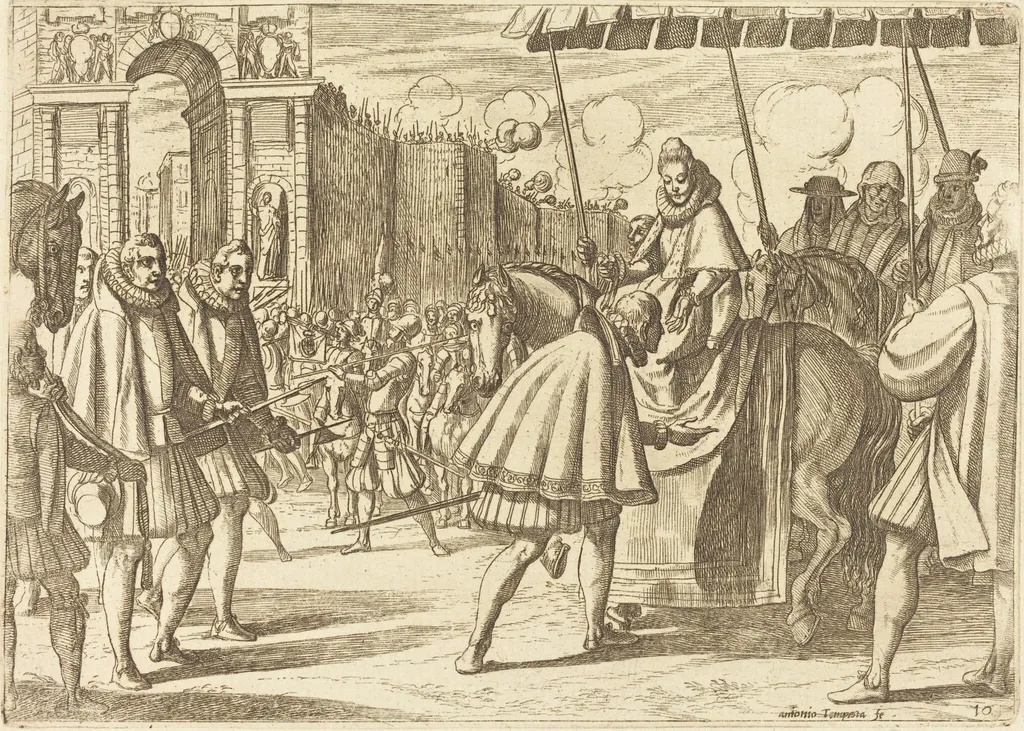
Triumphal Entry of Margaret of Austria is an ink print by the Baroque artist Antonio Tempesta. It dates from 1612 and is held in the collection of the National Gallery of Art.
About this work
This etching shows Margaret of Austria riding a white horse. She’s dressed in fancy armor, and people cheer behind her. The crowd holds flags and banners in bright colors.
It’s based on a real event from 1599. Margaret didn’t actually enter on horseback—this is a dramatic twist by the artist. The etching style makes shadows look deep and sharp.
This looks like work by Antonio Tempesta.
Overview
Triumphal Entry of Margaret of Austria is a 1612 etching on laid paper, restrike, by Antonio Tempesta, depicting a ceremonial procession based on a 1599 event.
Subject & Meaning
The etching shows Margaret of Austria on a white horse, clad in ornate armor, amidst a cheering crowd with colorful flags and banners. Notably, the horseback entry is an artistic invention, diverging from historical records.
Technique & Style
The etching exhibits deep, sharp shadows, characteristic of Tempesta's style, blending Baroque and Flemish artistic influences.
History & Provenance
Created in 1612 by Antonio Tempesta (il Tempestino), an Italian painter and engraver known for historical and martial themes. The work is a restrike, indicating it was printed from the original plate at a later time.
Context
Part of Tempesta's broader oeuvre focusing on grand narrative scenes, battles, and notable figures, reflecting his practice at the intersection of Baroque Rome and Flemish traditions.
Artist & collection
Artist
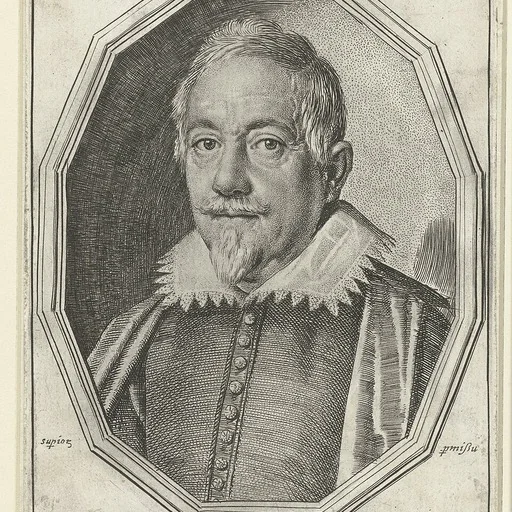
Antonio Tempesta, also called il Tempestino (1555 – 5 August 1630), was an Italian painter and engraver, whose art acted as a point of connection between Baroque Rome and the culture of Antwerp.

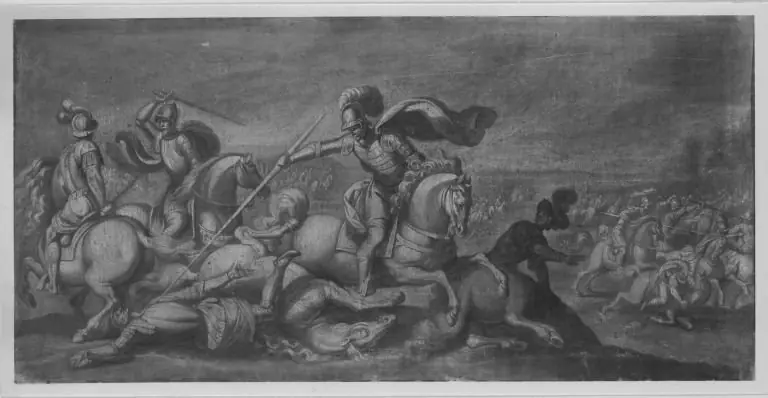
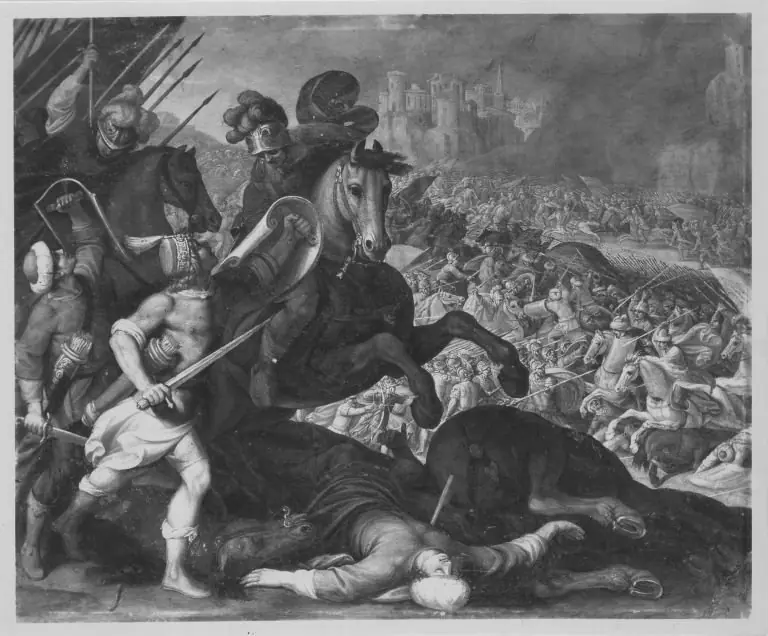
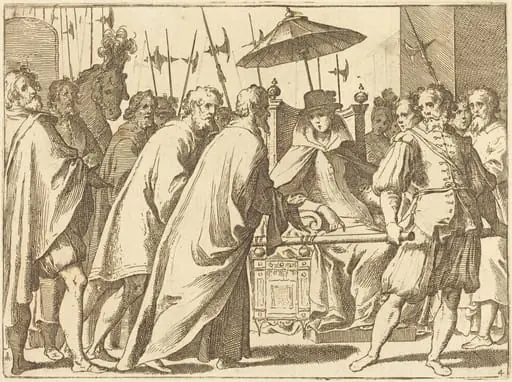 Margaret of Austria Being Carried in a Chaise
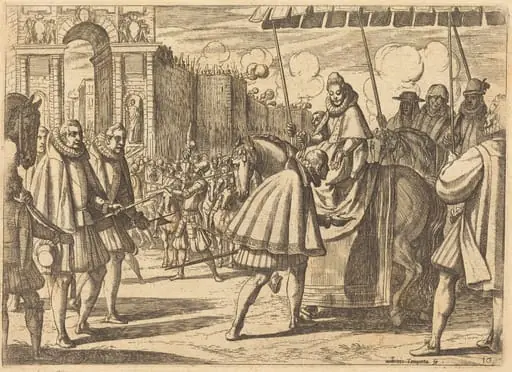 Triumphal Entry of Margaret of Austria
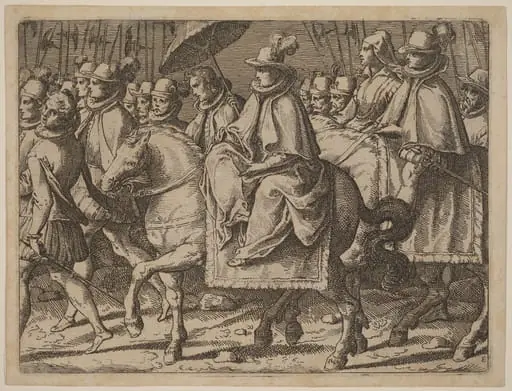 Margaret of Austria on Horseback
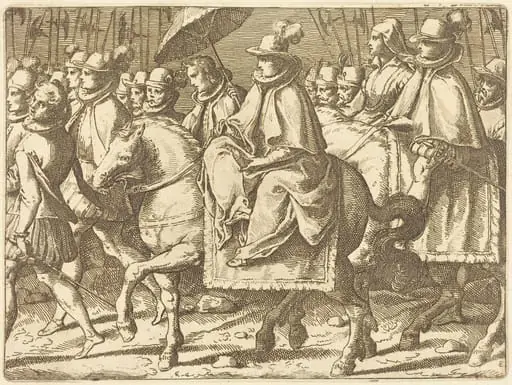 Margaret of Austria on Horseback
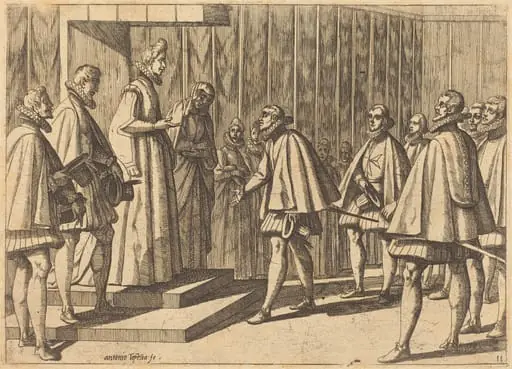 Italian Prince before Margaret of Austria
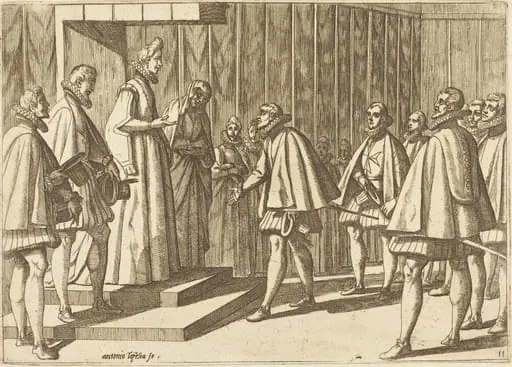 Italian Prince before Margaret of Austria
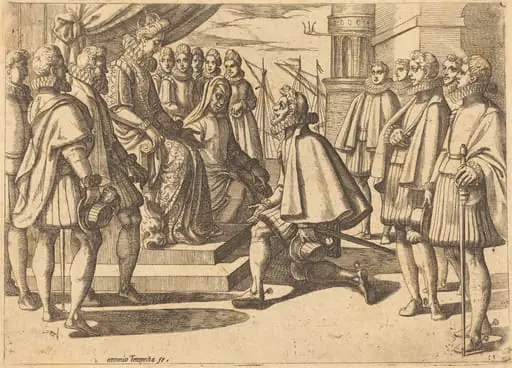 Spanish Duke before Margaret of Austria
![Spanish Duke Before Margaret of Austria [verso], by Antonio Tempesta](https://artifactworldgallery.com/img/antonio-tempesta--spanish-duke-before-margaret-of-austria-verso--9bdf15ebc4e5a042-w320.webp) Spanish Duke Before Margaret of Austria [verso]
Spanish Duke Before Margaret of Austria [verso]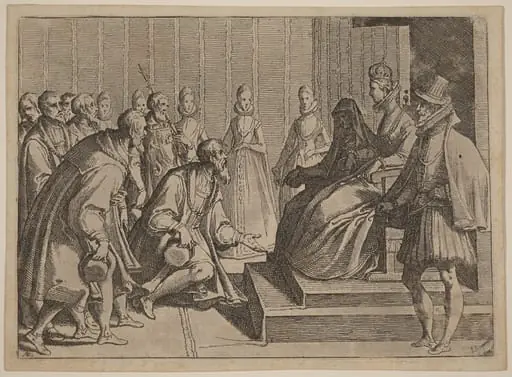 Margaret of Austria Giving Audience to a Nobleman