Artwork
Envy
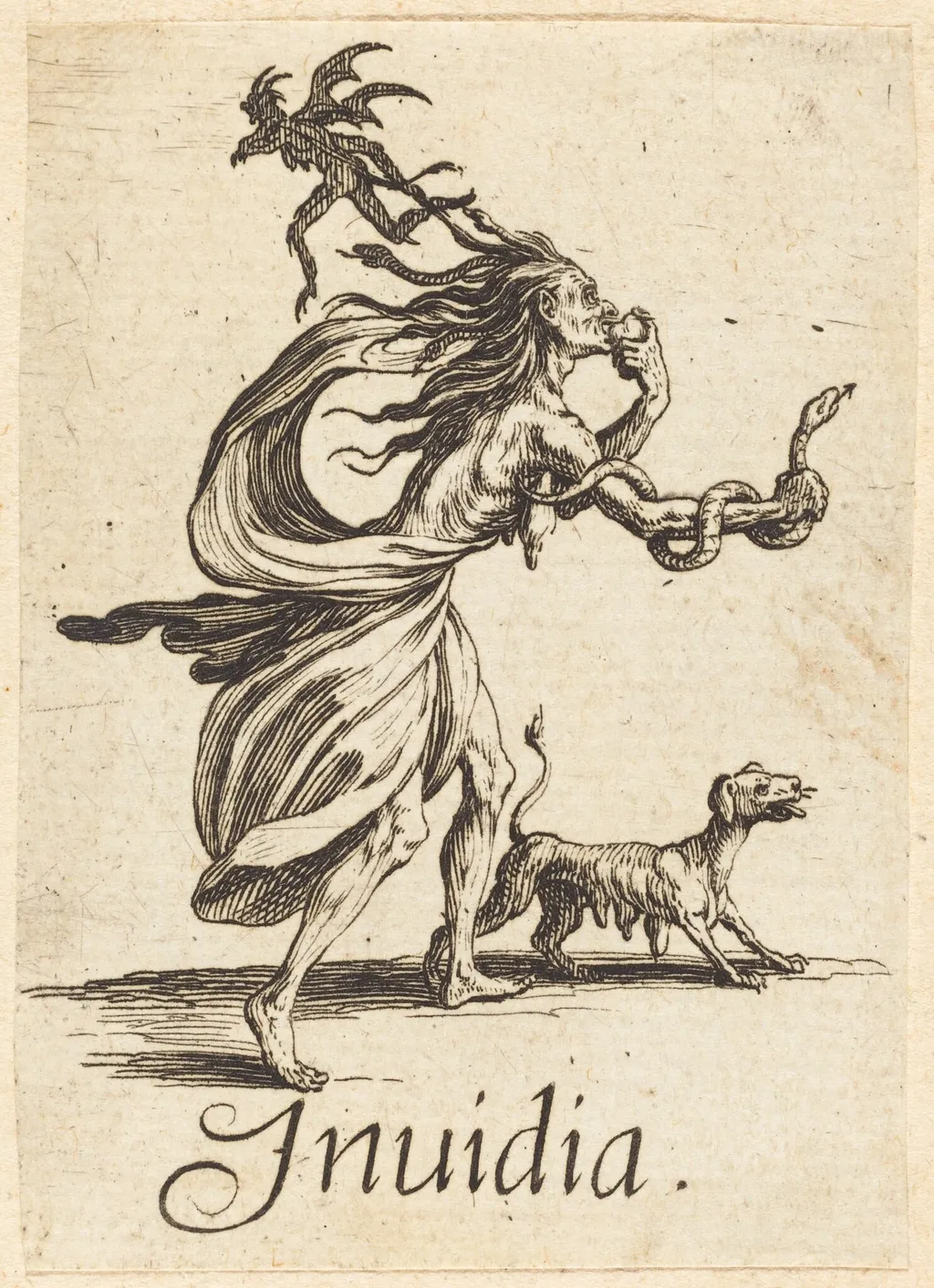
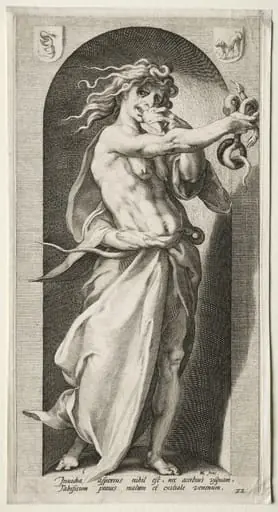
Envy is an ink print by the Baroque artist Jacques Callot. It dates from 1621 and is held in the collection of the National Gallery of Art.
About this work
Overview
Created circa 1621, *Envy* is a print by French baroque artist Jacques Callot, executed through a combination of etching and engraving on laid paper. The work depicts an allegorical figure embodying the sin of envy, rendered with dense, angular lines that convey a sense of agitation and distortion.
Subject & Meaning
The central figure is a hunched, claw‑handed creature with tangled hair, a coiled snake on one arm and a chain in the other, while a small dog crouches nearby. The Latin inscription "Invidia" at the bottom identifies the subject as the personification of envy, emphasizing its moral and symbolic function rather than portraying a literal individual.
Technique & Style
Callot employed both etching and engraving, allowing him to juxtapose the fluid, spontaneous marks of the former with the precise, incised lines of the latter. This hybrid approach produces a texture of sharp, dark contours and a busy, almost frantic surface that heightens the unsettling atmosphere of the composition.
History & Provenance
Part of Callot’s prolific output—over 1,400 prints—*Envy* reflects his early‑seventeenth‑century activity in the Duchy of Lorraine. While the work was likely circulated among collectors of allegorical prints, specific ownership records before the modern era remain undocumented.
Context
During the baroque period, allegorical representations of the seven deadly sins were common didactic tools. Callot’s treatment aligns with contemporary moralizing art, yet his meticulous background details and dynamic line work distinguish his approach from earlier, more static depictions.
Artist & collection
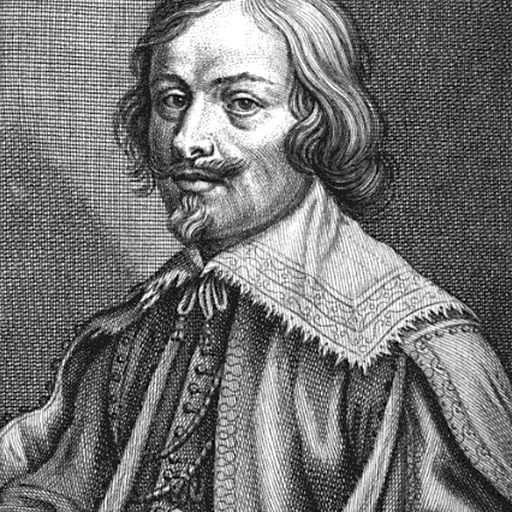
Artist
Jacques Callot was a baroque printmaker and draftsman from the Duchy of Lorraine.

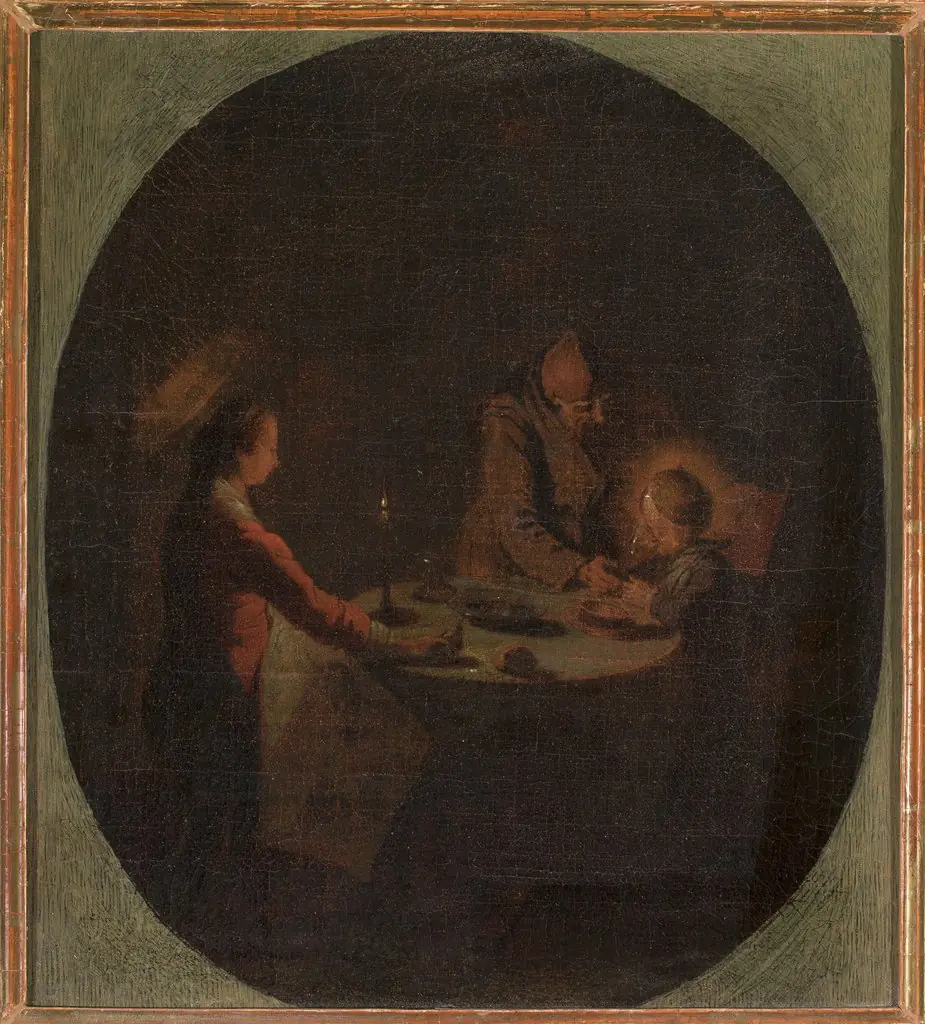 Holy Family at supper
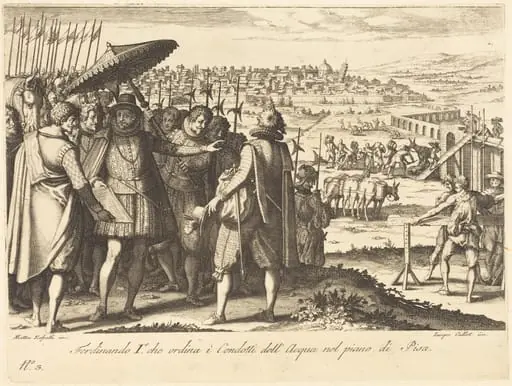 Restoration of the Aqueduct at Pisa
 Restoration of the Aqueduct at Pisa
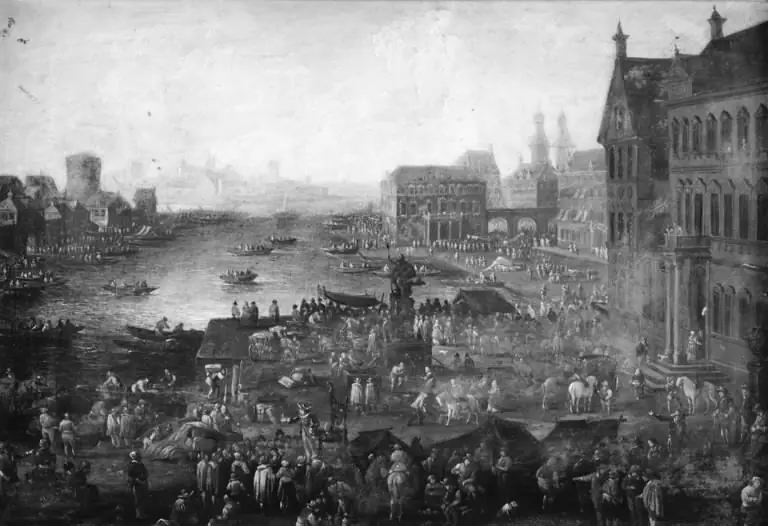 Square in Paris with Many Figures
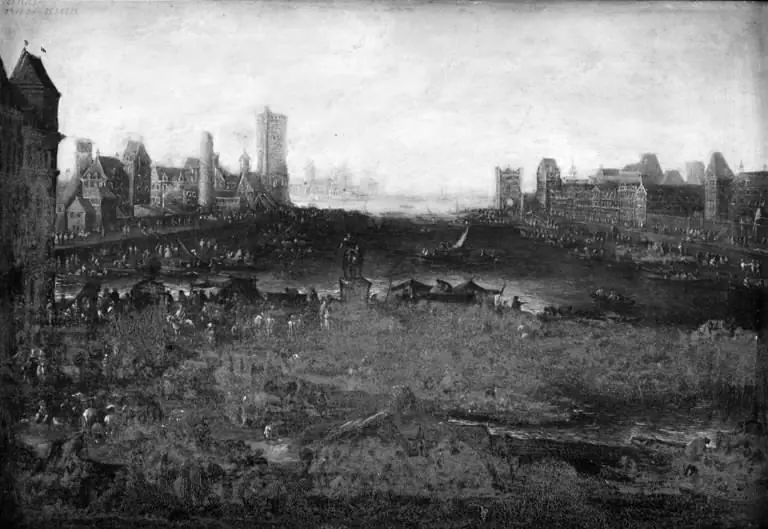 Square in Paris with Many Figures
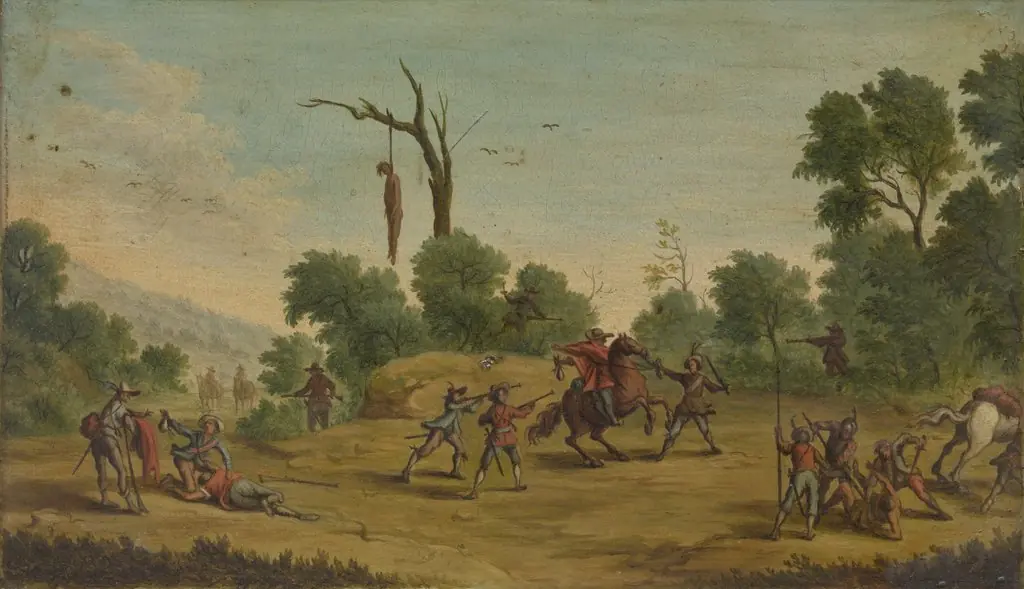 Horsemen Attacked by Robbers
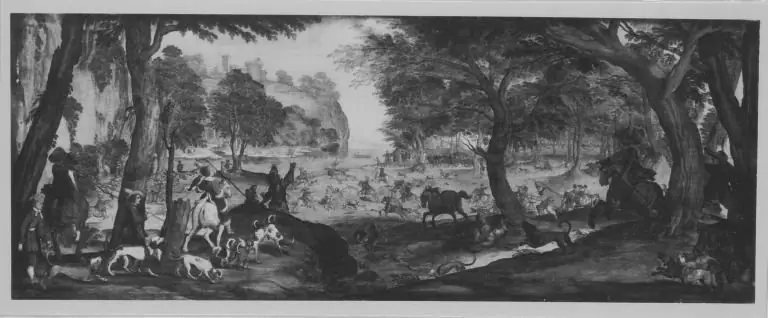 HOW WILL A COVERED PART BE CORRECTED?HOW WIKA A COVERED HEART DEED CORRECTED?
![Christ Walking on the Water [second plate], by Jacques Callot](https://artifactworldgallery.com/img/jacques-callot--christ-walking-on-the-water-second-plate--2069f3bfe4cb2126-w320.webp) Christ Walking on the Water [second plate]
Christ Walking on the Water [second plate]