Artwork
Frontispiece for "The Prodigal Son"
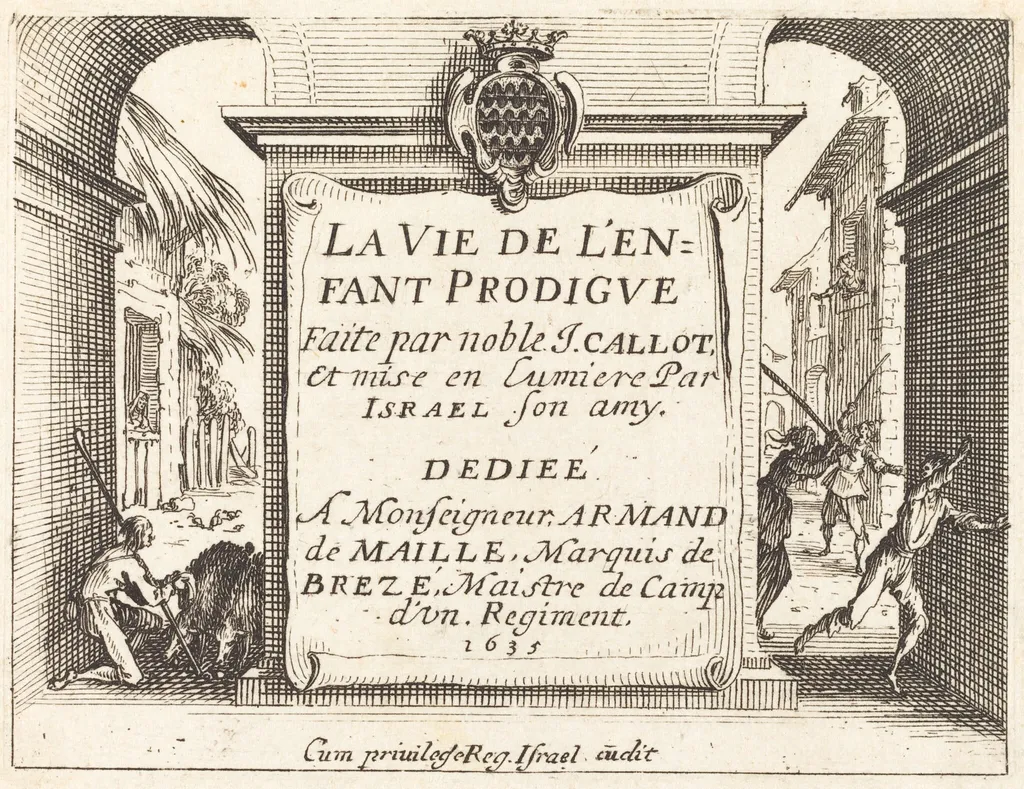
Frontispiece for "The Prodigal Son" is an ink print by the Baroque artist Jacques Callot. It dates from 1635 and is held in the collection of the National Gallery of Art.
About this work
Overview
As a prolific printmaker from the Duchy of Lorraine, he used etching to capture both sacred narratives and everyday life with precision.
Created in 1635 by Jacques Callot, this etching serves as the frontispiece for a printed edition of the Parable of the Prodigal Son. Executed on laid paper, it belongs to a series of religious prints produced during the height of Callot’s career. As a prolific printmaker from the Duchy of Lorraine, he used etching to capture both sacred narratives and everyday life with precision. This piece functions as an introductory image, framing the textual content with symbolic visual elements.
Subject & Meaning
The composition centers on a French text announcing the parable of the Prodigal Son, flanked by two small scenes. To the left, a man kneels beside a sleeping lion, possibly alluding to Daniel or themes of divine protection. On the right, a group of figures engages in a moment of tension or supplication, evoking the son’s return or familial reconciliation. The coat of arms at the top signals institutional or noble patronage, grounding the religious narrative in a context of authority and legitimacy.
Technique & Style
Callot employed fine-line etching to achieve remarkable detail within a compact format. His use of delicate hatching and controlled acid biting gives the figures a sense of motion despite their small scale. The background landscapes are rendered with minimal but suggestive strokes, enhancing depth without clutter. The overall aesthetic is economical yet expressive, reflecting Callot’s mastery in translating narrative energy into the constraints of printmaking.
History & Provenance
This print emerged from a period when Callot was actively producing illustrated religious texts for French and Italian audiences. It was likely part of a published devotional volume, circulated among educated elites. While its exact early ownership is undocumented, similar works from this series survive in major European collections, indicating its dissemination through scholarly and ecclesiastical networks in the mid-seventeenth century.
Context
In the 1630s, religious themes remained central to print culture, even as secular subjects gained ground. Callot’s engagement with biblical parables aligned with Counter-Reformation efforts to communicate doctrine through accessible imagery. His depictions of ordinary people and dramatic moments resonated with viewers familiar with sermons and illustrated Bibles, bridging theological instruction and visual storytelling in a time of religious upheaval.
Legacy
Callot’s etchings, including this frontispiece, influenced later generations of printmakers through their narrative clarity and technical refinement. His ability to condense complex stories into single images set a standard for book illustration. Though less celebrated than his war scenes, this work exemplifies his contribution to the integration of religious narrative and graphic art in early modern Europe.
Artist & collection
Artist
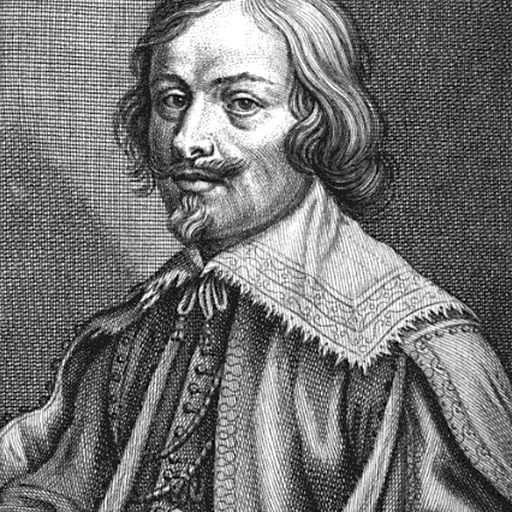
Jacques Callot was a baroque printmaker and draftsman from the Duchy of Lorraine.

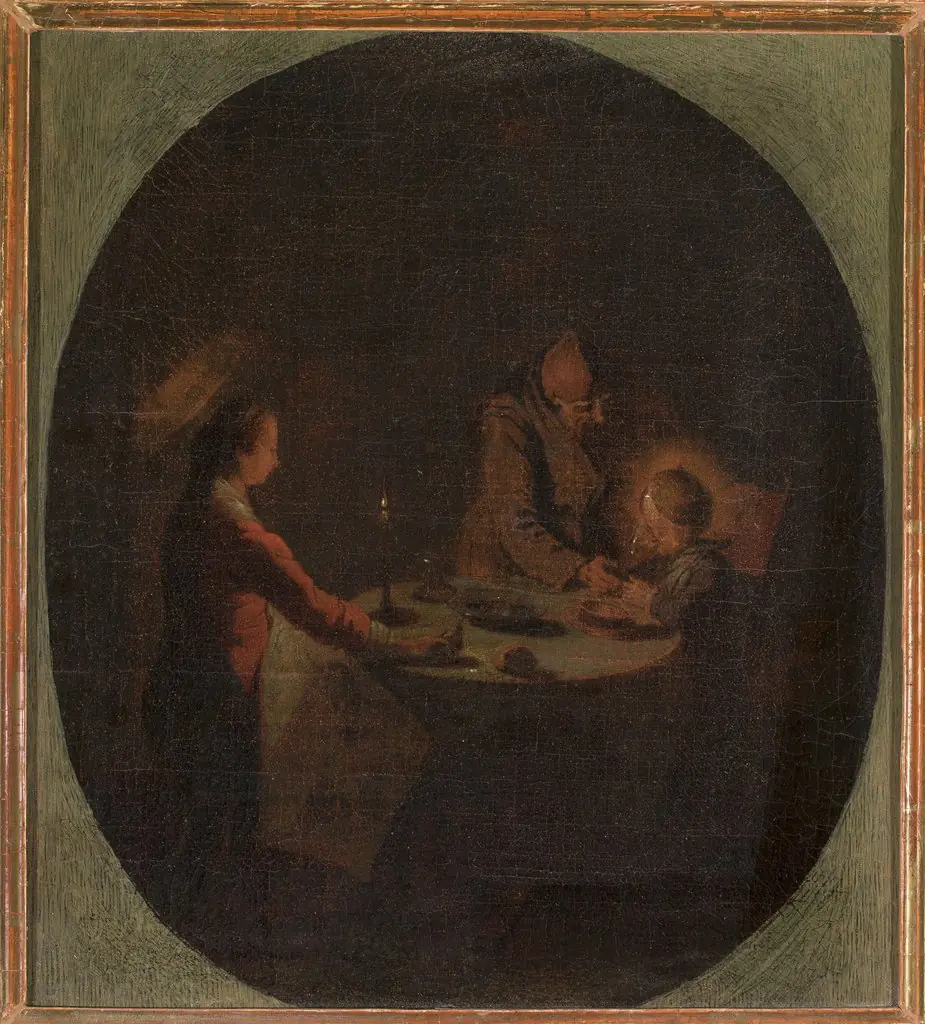 Holy Family at supper
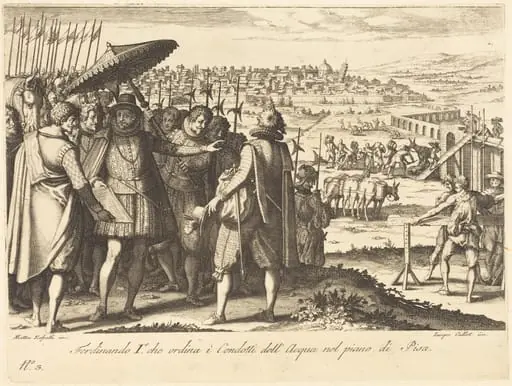 Restoration of the Aqueduct at Pisa
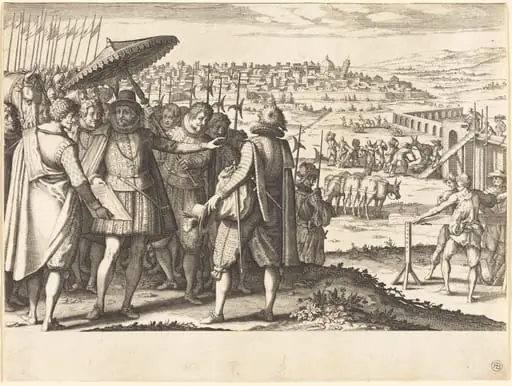 Restoration of the Aqueduct at Pisa
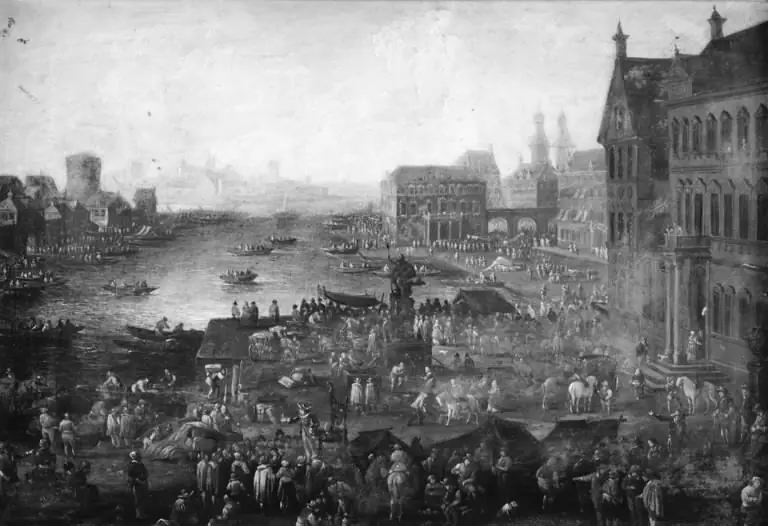 Square in Paris with Many Figures
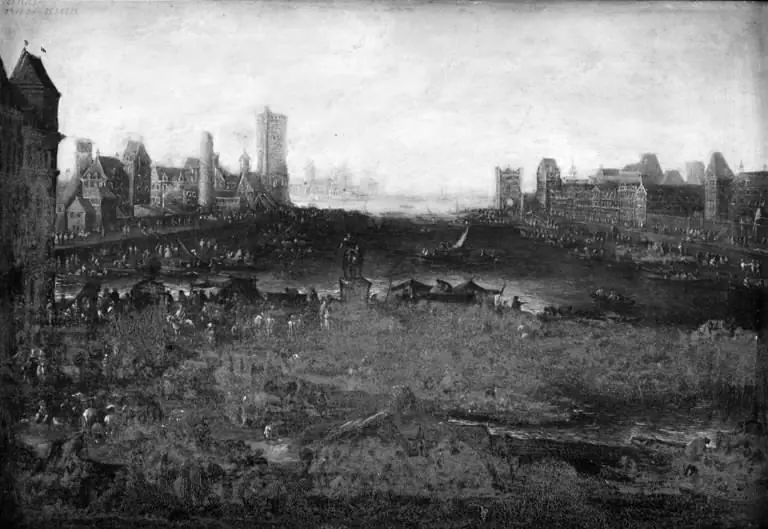 Square in Paris with Many Figures
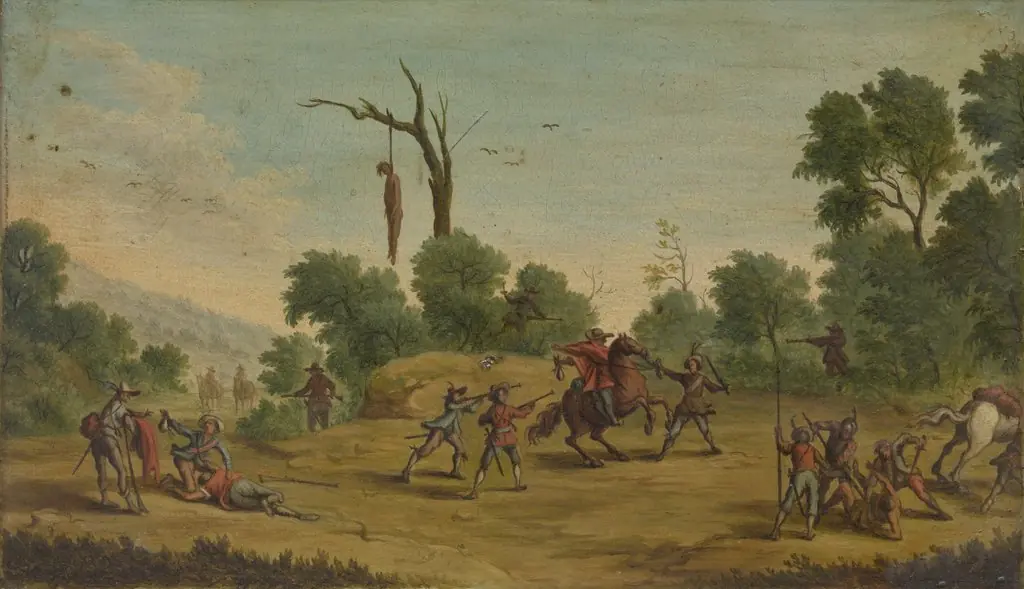 Horsemen Attacked by Robbers
 HOW WILL A COVERED PART BE CORRECTED?HOW WIKA A COVERED HEART DEED CORRECTED?
![Christ Walking on the Water [second plate], by Jacques Callot](https://artifactworldgallery.com/img/jacques-callot--christ-walking-on-the-water-second-plate--2069f3bfe4cb2126-w320.webp) Christ Walking on the Water [second plate]
Christ Walking on the Water [second plate]
 Title Page for "The Fantasies"
 Title Page for "The Military Exercises"
 Title Page for "The Fantasies"
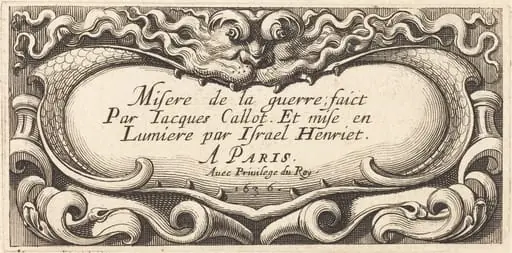 Title Page for Callot's "The Small Miseries of War"
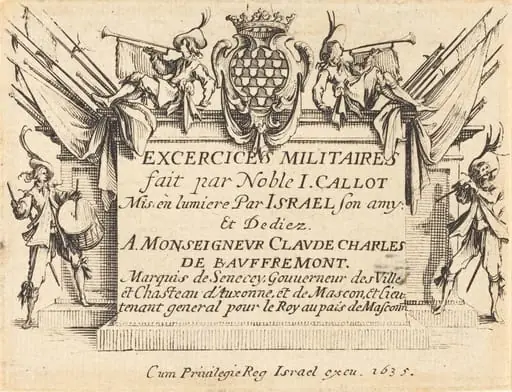 Title Page for "The Military Exercises"
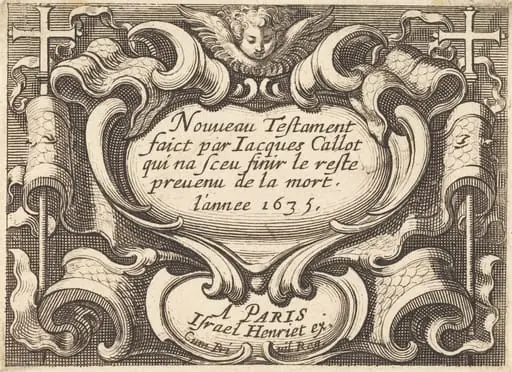 Frontispiece for Callot's "The New Testament"
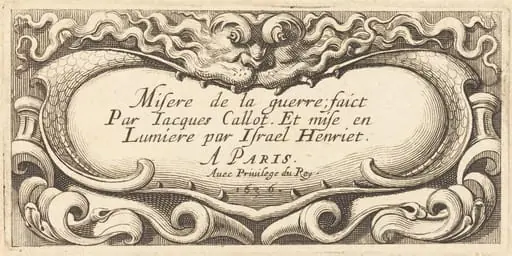 Title Page for Callot's "The Small Miseries of War"
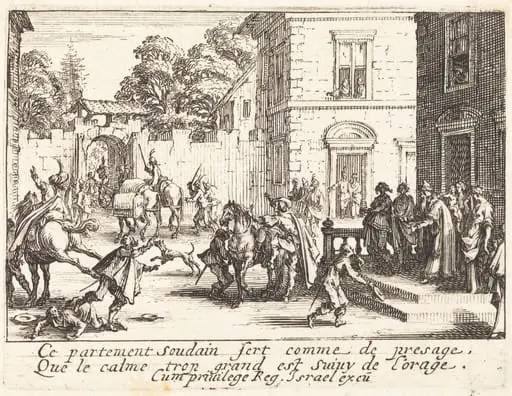 The Departure
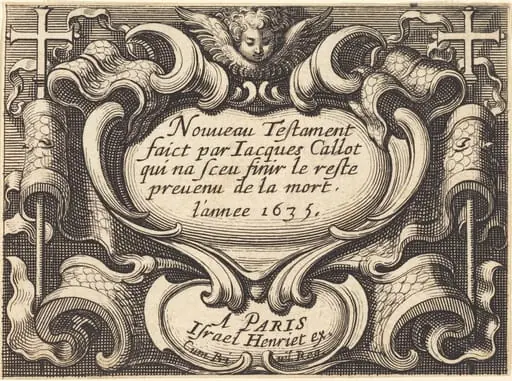 Frontispiece for Callot's "The New Testament"
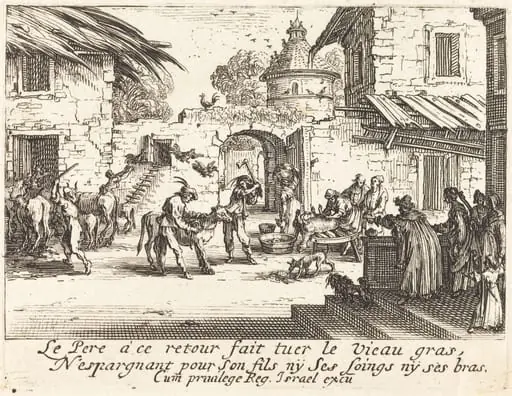 Killing the Fatted Calf
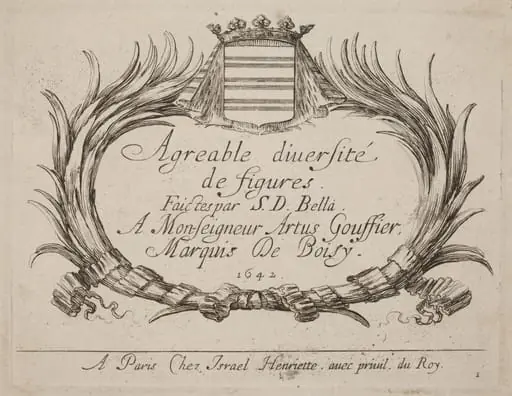 Title Page for "Agreable diversite de figures"
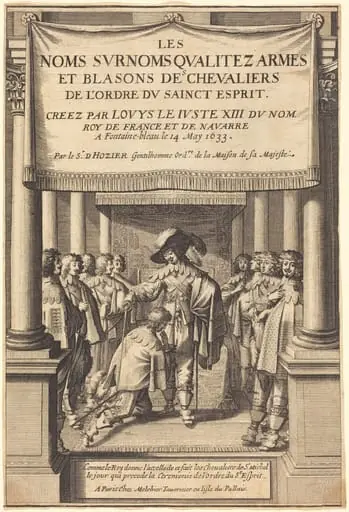 The King Giving the Accolade and Creating Knights of S. Michel Who Receive the Order of the Holy Spirit