Artwork
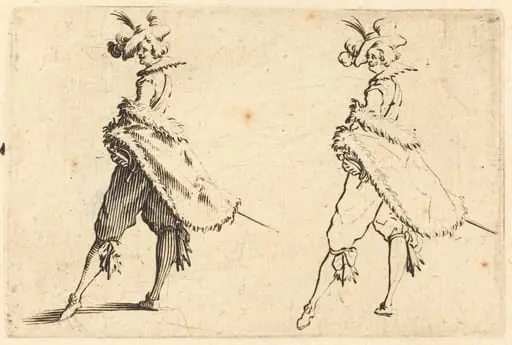
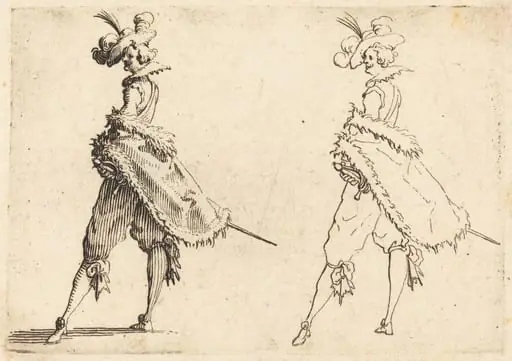
Gentleman Viewed from the Side
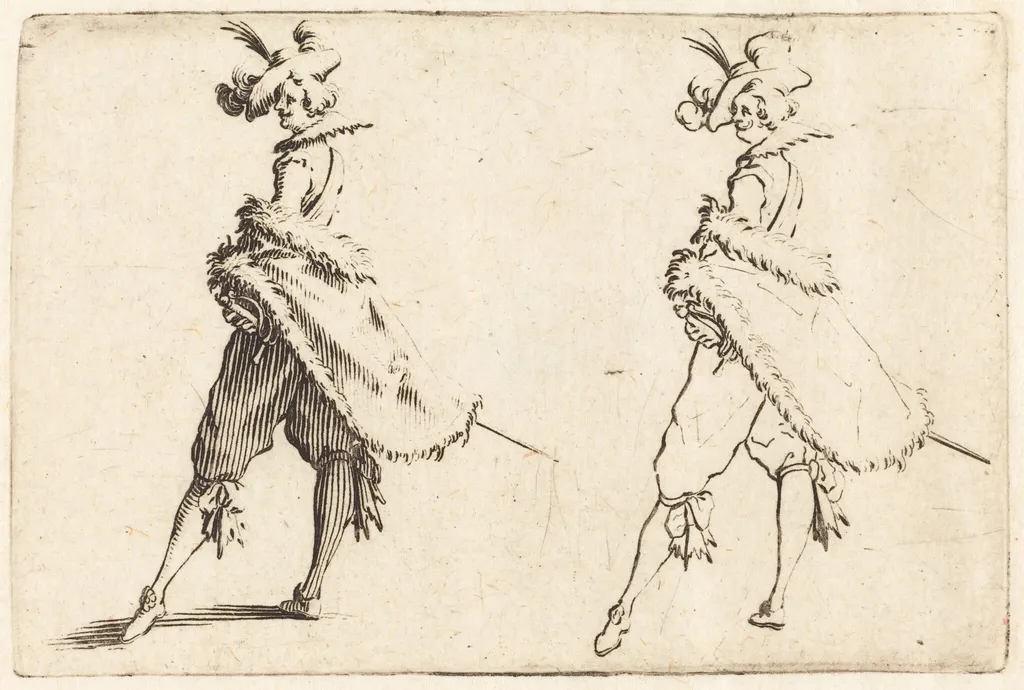
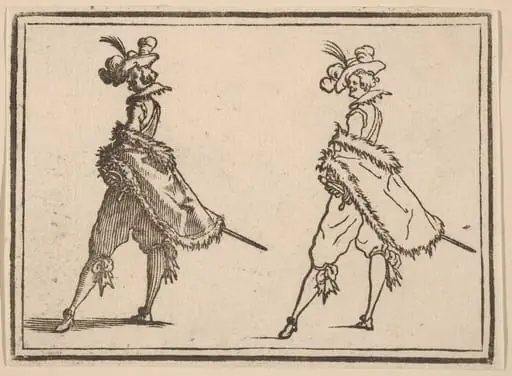
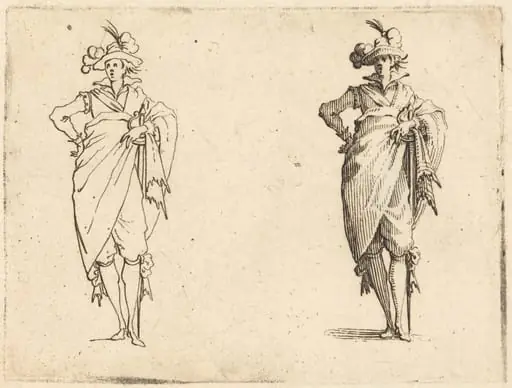
Gentleman Viewed from the Side is an ink print by the Baroque artist Jacques Callot. It dates from 1622 and is held in the collection of the National Gallery of Art.
About this work
Overview
The work belongs to a broader body of prints that document early 17th-century social life through intimate, carefully composed studies.
Created around 1622, this etching by Jacques Callot depicts a gentleman in profile, rendered with fine linear precision on laid paper. As one of over 1,400 prints he produced, it exemplifies his focus on observational detail and quiet portraiture. Unlike grand historical scenes, Callot often turned to everyday figures, capturing their presence with subtle dignity. The work belongs to a broader body of prints that document early 17th-century social life through intimate, carefully composed studies.
Subject & Meaning
The figure is a man of apparent status, dressed in elaborate attire typical of courtly fashion, turned away from the viewer in a composed, contemplative pose. His turned head and refined garments suggest identity and social position without overt narrative. Callot avoids theatricality, instead emphasizing stillness and individuality. The absence of context invites focus on the subject’s bearing, making the portrait a quiet meditation on personal presence rather than a statement of power or role.
Technique & Style
Callot employed etching to achieve fine, controlled lines that model form through delicate hatching and cross-contouring. The texture of fabric, hair, and skin is suggested not by shading but by the density and direction of incised lines. His use of laid paper, with its subtle watermark and fibrous surface, enhances the tactile quality of the image. The technique allows for both precision and spontaneity, reflecting Callot’s mastery in translating observation into inked detail.
History & Provenance
The print emerged during Callot’s most productive period, when he was active in Florence and Paris, producing works for collectors and patrons across Europe. While its specific early ownership is unrecorded, it aligns with a group of portrait etchings circulated among connoisseurs interested in contemporary life. Its survival in multiple institutional collections attests to its enduring value within the printmaking tradition of the period.
Context
In the early 1600s, etching gained prominence as a medium for personal and documentary expression, distinct from the monumental engravings of earlier generations. Callot’s work responded to a growing interest in individual portraiture and social observation, influenced by Flemish and Italian precedents. His prints, including this one, contributed to a shift toward intimate, non-idealized depictions of people, reflecting broader cultural trends toward realism and personal identity.
Legacy
Callot’s technical innovations in etching, including refined line control and detailed rendering, influenced generations of printmakers across Europe. This portrait, though modest in scale, exemplifies his contribution to elevating etching as a serious medium for character study. His approach to capturing the individual within everyday settings laid groundwork for later developments in portraiture and genre printmaking, securing his place in the evolution of Western graphic arts.
Artist & collection
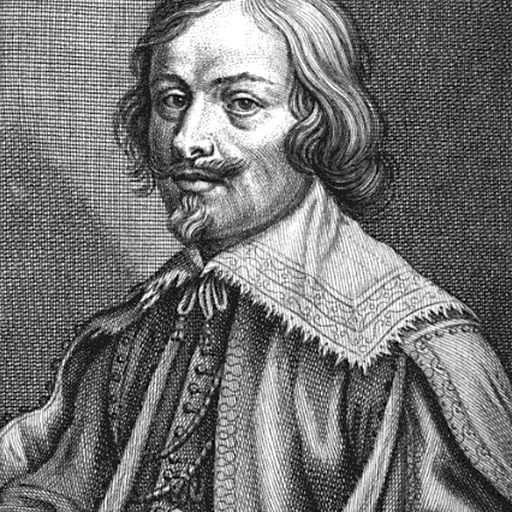
Artist
Jacques Callot was a baroque printmaker and draftsman from the Duchy of Lorraine.

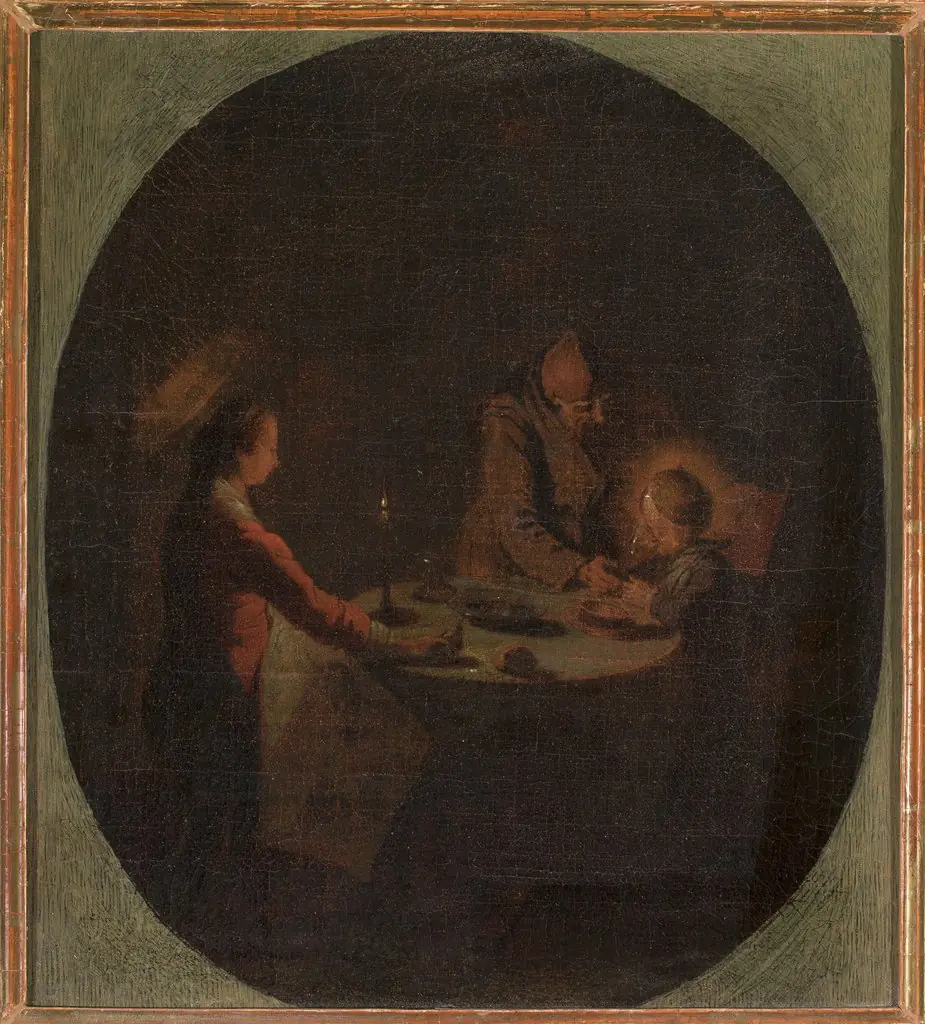 Holy Family at supper
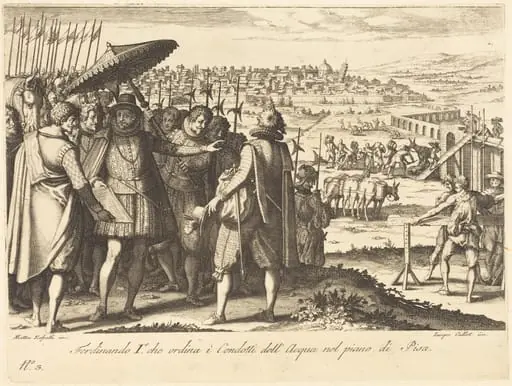 Restoration of the Aqueduct at Pisa
 Restoration of the Aqueduct at Pisa
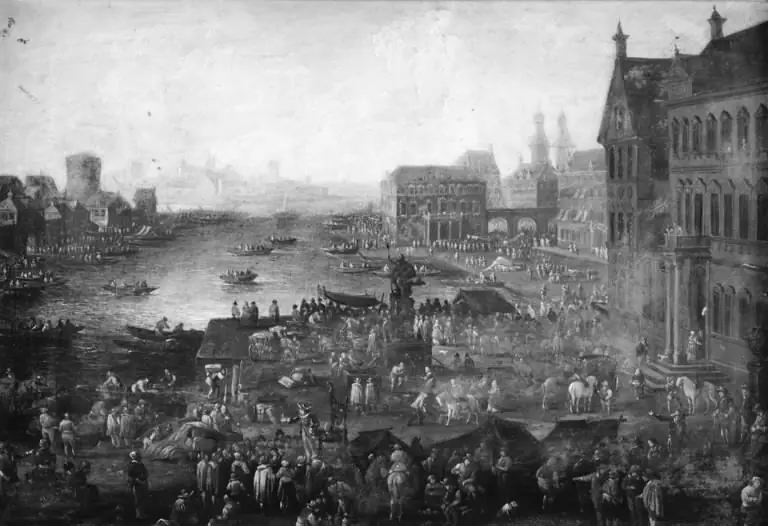 Square in Paris with Many Figures
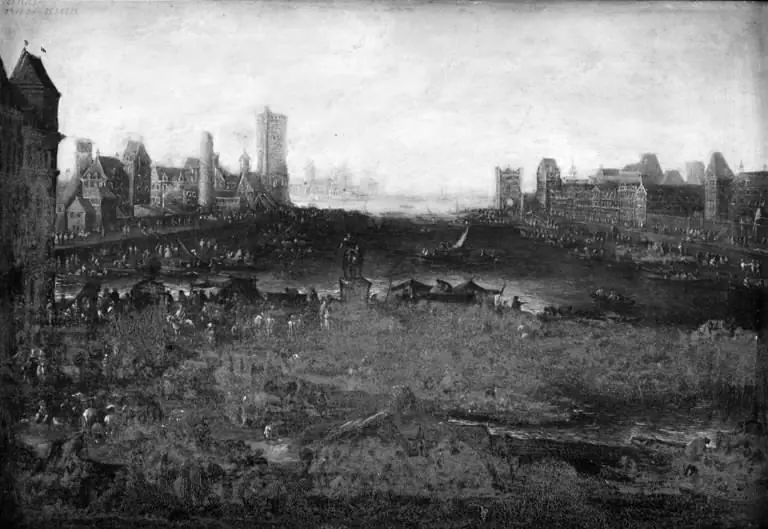 Square in Paris with Many Figures
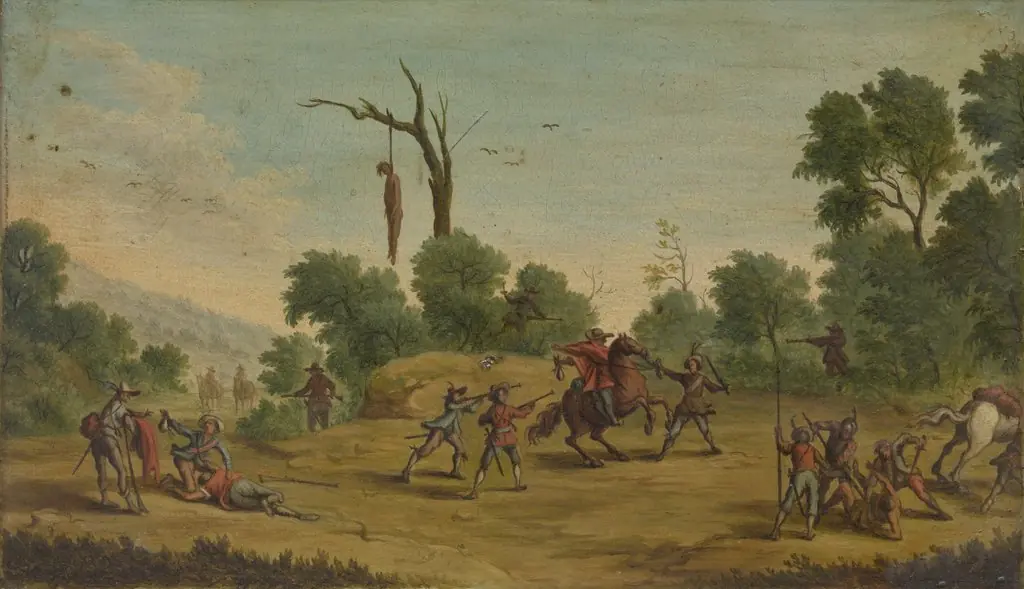 Horsemen Attacked by Robbers
 HOW WILL A COVERED PART BE CORRECTED?HOW WIKA A COVERED HEART DEED CORRECTED?
![Christ Walking on the Water [second plate], by Jacques Callot](https://artifactworldgallery.com/img/jacques-callot--christ-walking-on-the-water-second-plate--2069f3bfe4cb2126-w320.webp) Christ Walking on the Water [second plate]
Christ Walking on the Water [second plate]