Artwork
Gobbi and Other Bizarre Figures
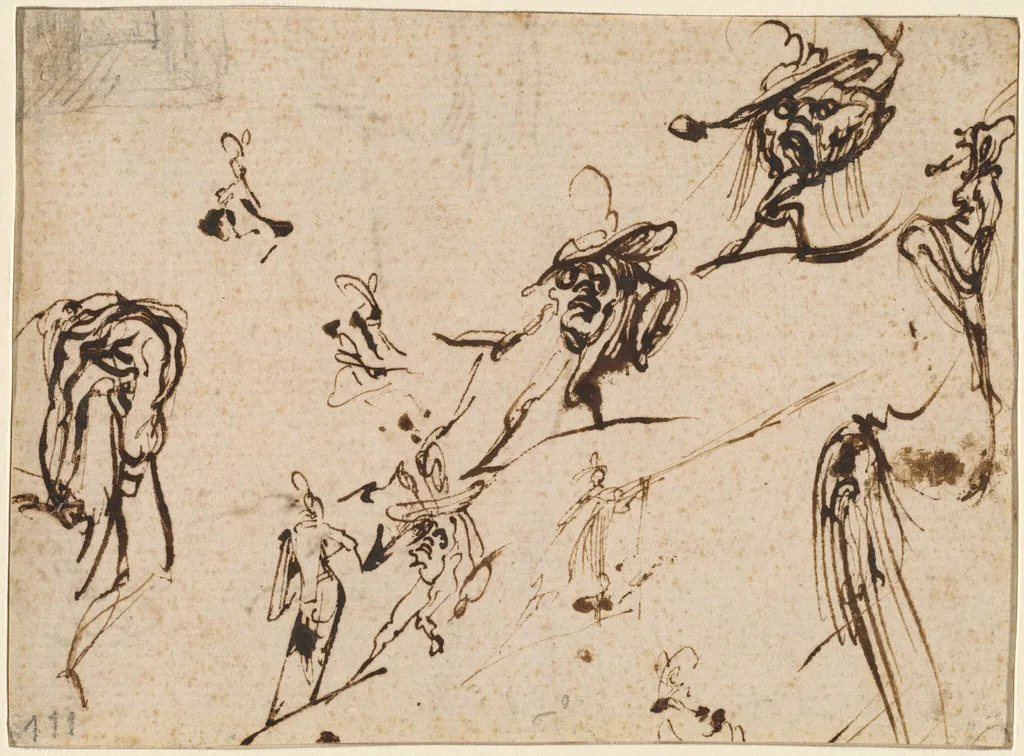
Gobbi and Other Bizarre Figures is an ink drawing by the Baroque artist Jacques Callot. It dates from 1616 and is held in the collection of the National Gallery of Art.
About this work
This combination of media and the allegorical genre make the painting interesting, as it suggests a complex and possibly symbolic meaning.
The painting is called Gobbi and Other Bizarre Figures.
It was made by Jacques Callot in 1616 or 1617.
The artist used pen and iron gall ink on laid paper to create this work, which is an allegory.
This combination of media and the allegorical genre make the painting interesting, as it suggests a complex and possibly symbolic meaning.
To learn more about this style, look into the movement: Baroque.
Overview
Created around 1616–1617, this drawing by Jacques Callot employs pen and iron gall ink on laid paper, with a faint graphite sketch visible at the upper left. As a French Baroque draftsman from Lorraine, Callot specialized in detailed graphic works that captured the margins of society. This piece belongs to a broader series of studies focusing on unusual or marginalized individuals, reflecting his keen eye for human variety and social observation.
Subject & Meaning
The drawing presents a group of figures identified as 'gobbi'—a term for dwarves or physically distinct individuals—alongside other eccentric characters. Their postures and attire suggest performers or court jesters, though no clear narrative is given. Rather than satire, the work appears to document real types encountered in early 17th-century Italy or France, possibly hinting at themes of social role, visibility, and human dignity without overt moralizing.
Technique & Style
Callot rendered the figures with precise, fluid pen lines and iron gall ink, achieving sharp contrasts and subtle tonal gradations. The graphite underdrawing reveals his methodical process, indicating careful planning before inking. Background elements are minimally suggested, focusing attention on the figures’ gestures and costumes. His draftsmanship reflects a blend of observational realism and stylized expression typical of Baroque graphic art.
History & Provenance
The drawing is one of many works by Callot produced during his time in Florence and Rome, where he observed street life and court entertainments. While its early ownership is undocumented, it entered major collections in the 19th century, likely through European print dealers. Its survival in good condition underscores its value to collectors of Baroque drawings, though it was never intended as a finished exhibition piece.
Context
In early 17th-century Europe, interest in the grotesque and the exotic flourished among courts and artists. Callot’s drawings responded to this fascination, yet avoided caricature. His depictions of dwarves, beggars, and performers aligned with broader Renaissance and Baroque trends in naturalism, while distinguishing themselves through their quiet dignity and technical precision, setting them apart from purely comic or degrading portrayals.
Legacy
Callot’s drawings, including this one, influenced later generations of printmakers and genre artists by demonstrating how marginalized subjects could be rendered with empathy and technical rigor. His approach helped elevate the status of the drawn study from preparatory sketch to independent work of observation. Though lesser known than his etchings, such drawings remain vital to understanding the humanist undercurrents of Baroque visual culture.
Artist & collection
Artist
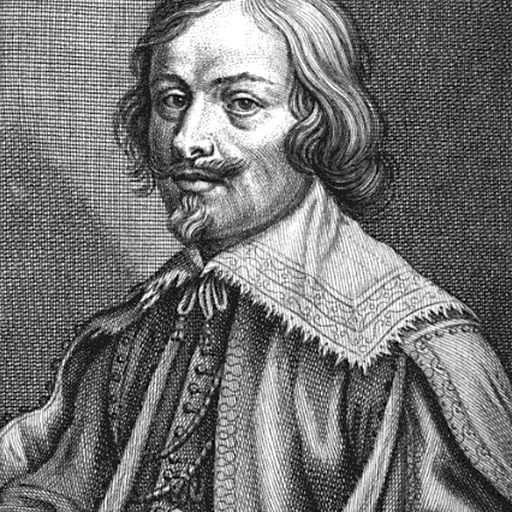
Jacques Callot was a baroque printmaker and draftsman from the Duchy of Lorraine.

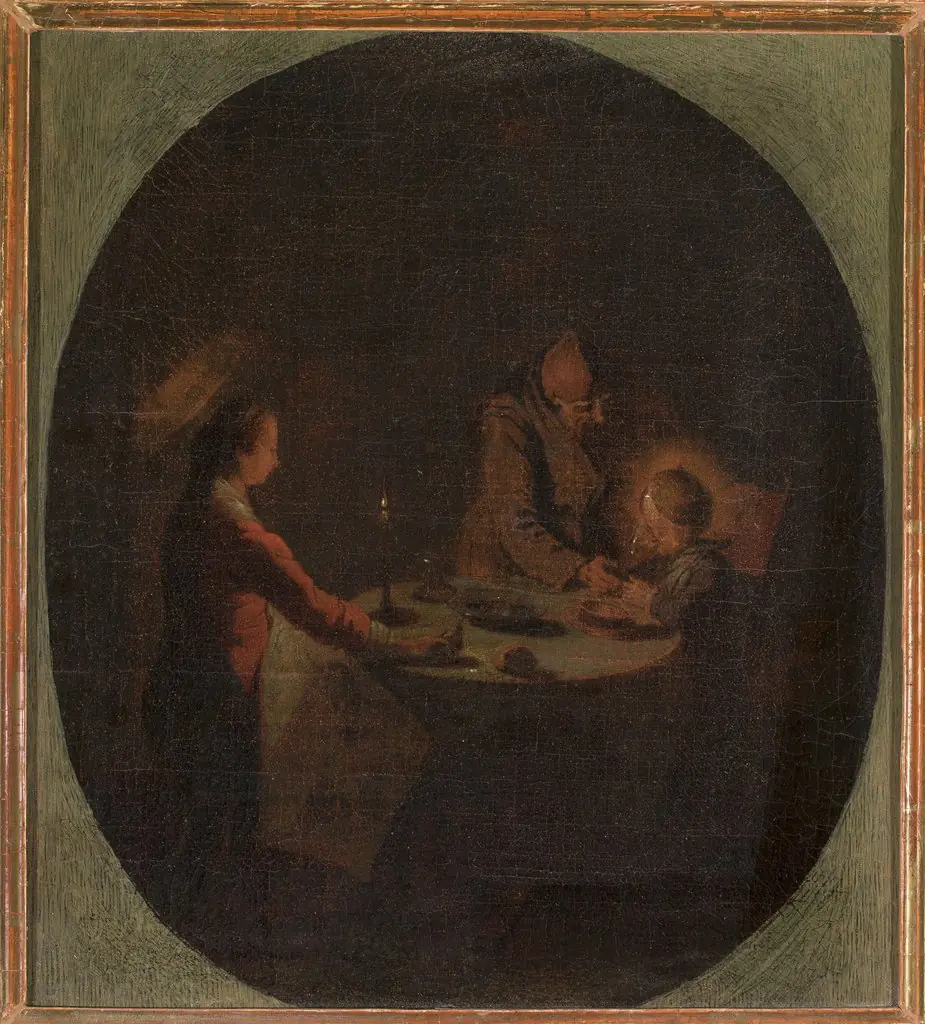 Holy Family at supper
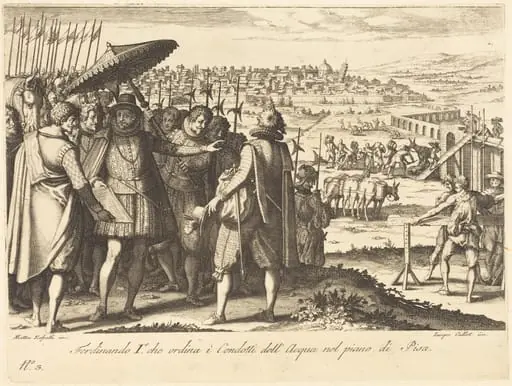 Restoration of the Aqueduct at Pisa
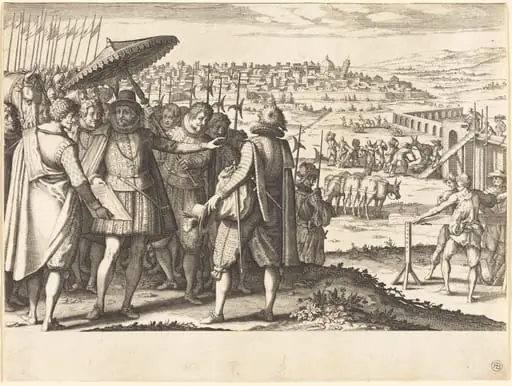 Restoration of the Aqueduct at Pisa
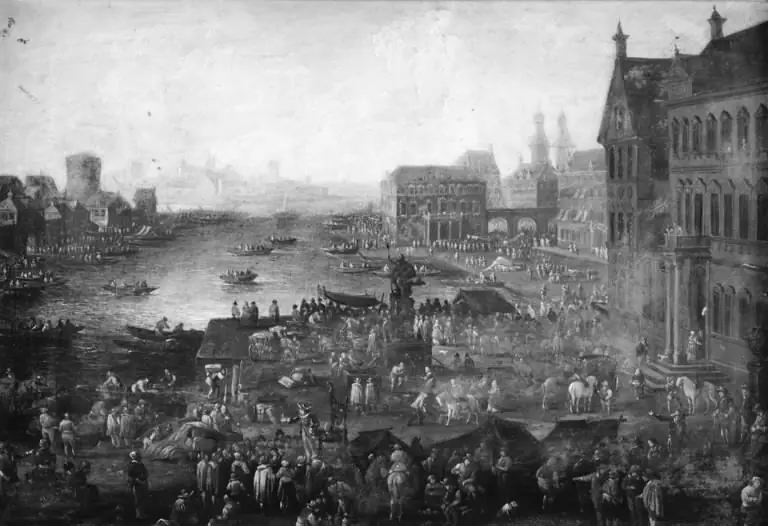 Square in Paris with Many Figures
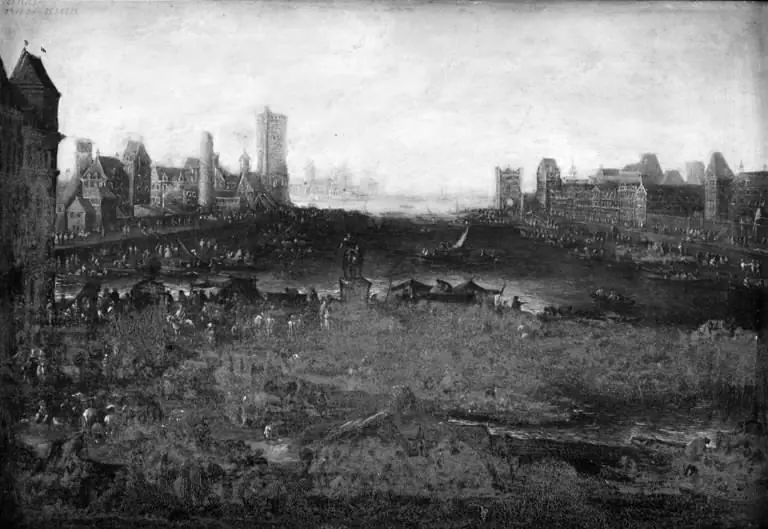 Square in Paris with Many Figures
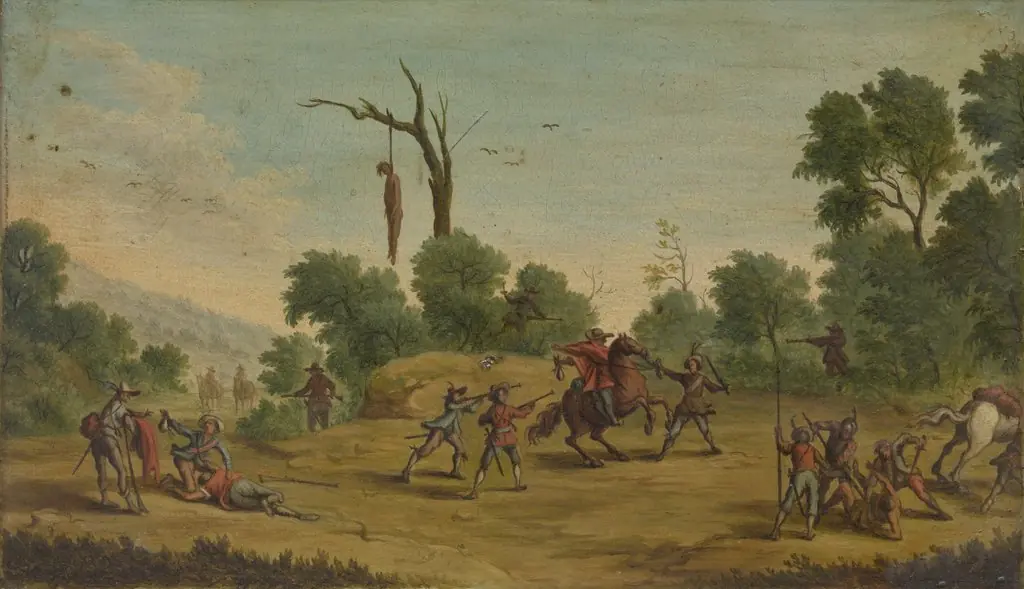 Horsemen Attacked by Robbers
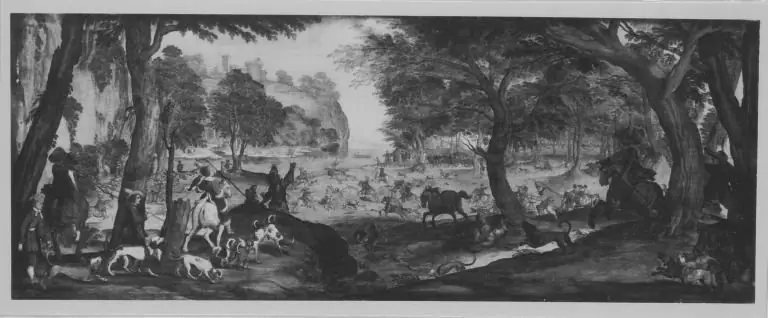 HOW WILL A COVERED PART BE CORRECTED?HOW WIKA A COVERED HEART DEED CORRECTED?
![Christ Walking on the Water [second plate], by Jacques Callot](https://artifactworldgallery.com/img/jacques-callot--christ-walking-on-the-water-second-plate--2069f3bfe4cb2126-w320.webp) Christ Walking on the Water [second plate]
Christ Walking on the Water [second plate]
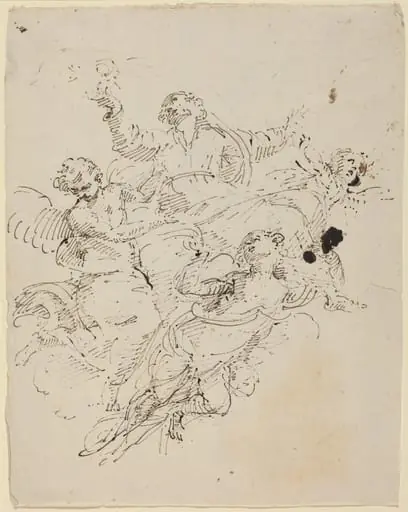 The Ascension of the Virgin
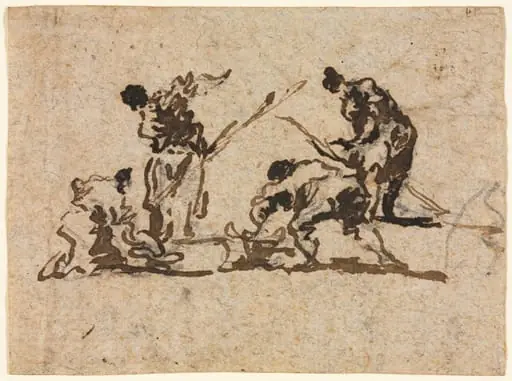 Farmers and Fisherman Working
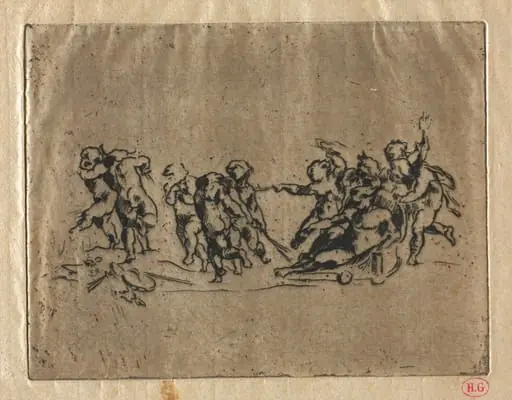 Bacchanal with Children and Chariot
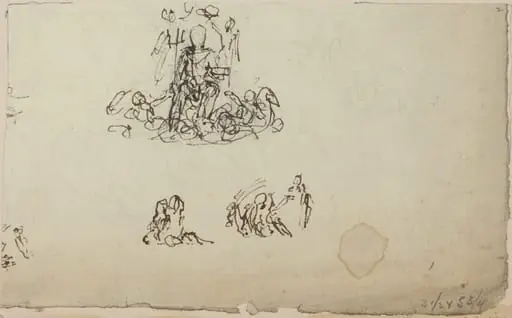 Study of Neptune and Sea Creatures (?)
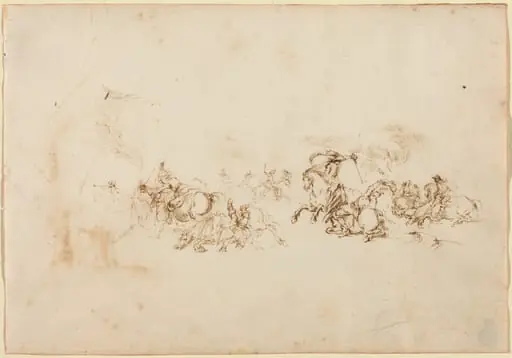 The Cavalry Combat
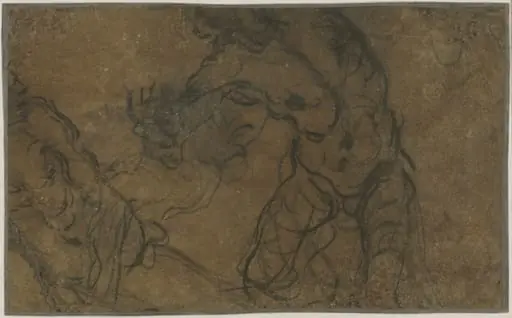 Two Male Figures in Motion (verso)
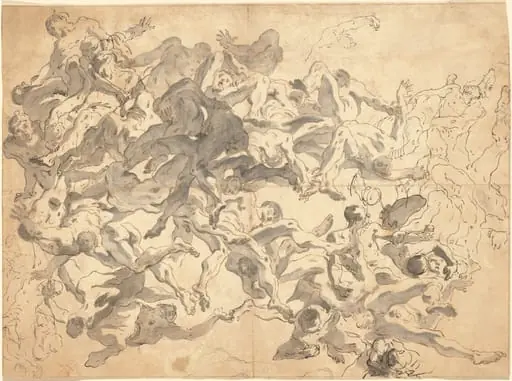 The Fall of the Rebel Angels
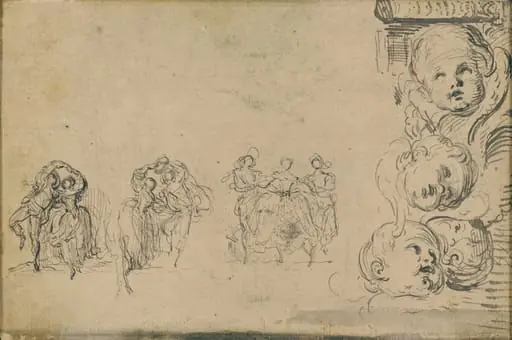 Sketches of Dancers and Heads of Putti
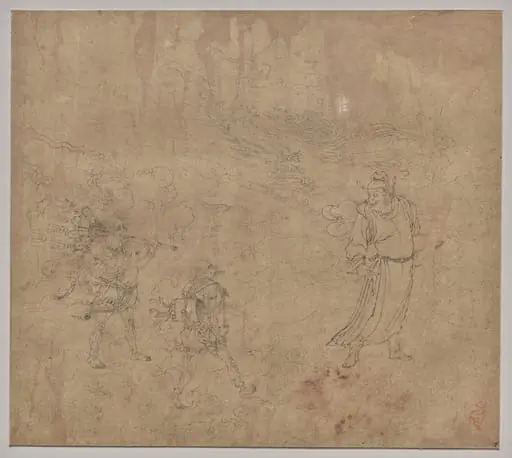 Album of Daoist and Buddhist Themes: Procession of Daoist Deities: Leaf 18
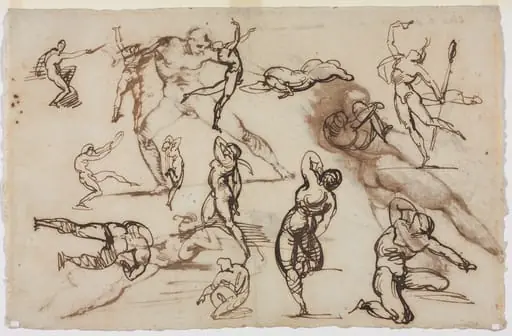 Sheet of Sketches (verso)
![Magdalene Washing the Feet of Christ with Eight Disciples Looking On [recto], by Donato Creti](https://artifactworldgallery.com/img/donato-creti--magdalene-washing-the-feet-of-christ-with-eight-disciples-lo--25318e941cc7fc91-w320.webp) Magdalene Washing the Feet of Christ with Eight Disciples Looking On [recto]
Magdalene Washing the Feet of Christ with Eight Disciples Looking On [recto]![Biblical Scene [verso], by Sebastiano Ricci](https://artifactworldgallery.com/img/sebastiano-ricci--biblical-scene-verso--d33f1e2abb3d29f7-w320.webp) Biblical Scene [verso]
Biblical Scene [verso]