Artwork
The Fall of the Rebel Angels
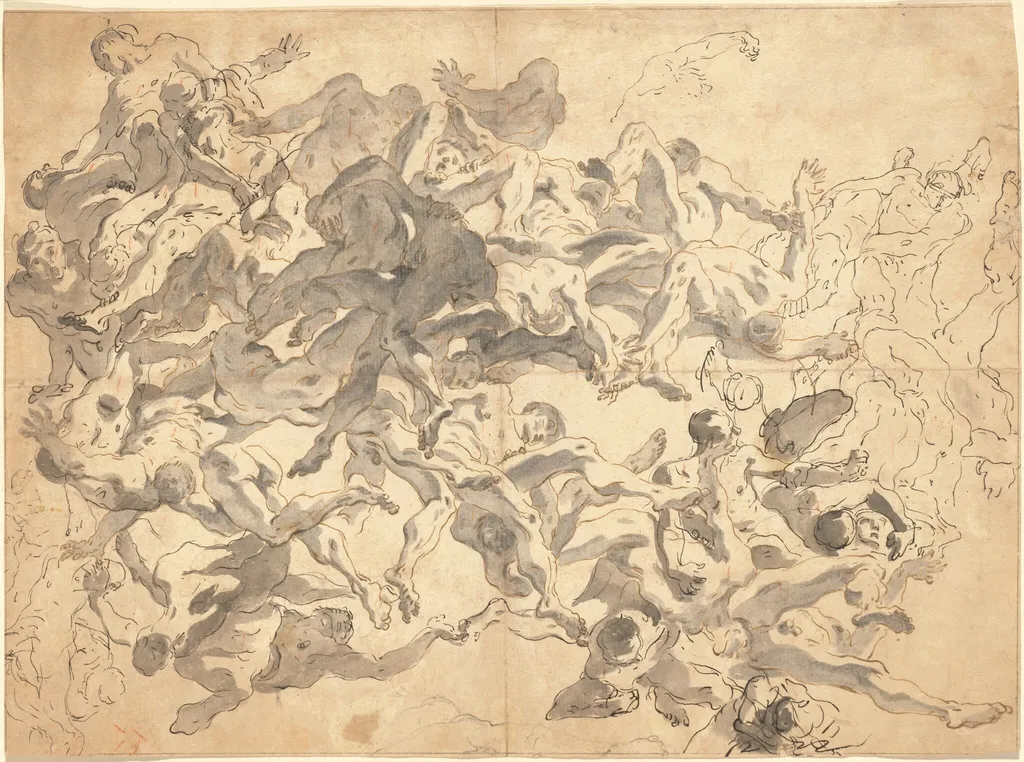
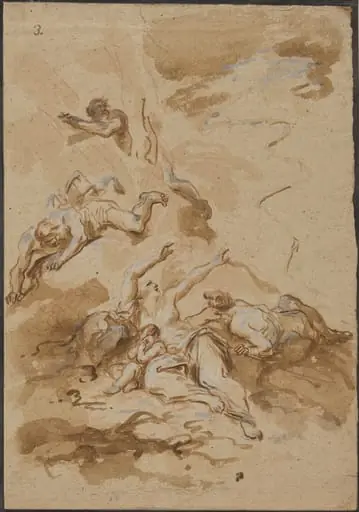
The Fall of the Rebel Angels is a chalk drawing by the Baroque artist Giovanni Battista Tiepolo. It dates from 1714 and is held in the collection of the National Gallery of Art.
About this work
Overview
Giovanni Battista Tiepolo produced a drawing titled *The Fall of the Rebel Angels* in 1714. Executed with pen, brown ink, gray wash, black chalk and occasional red chalk accents, the work portrays the biblical episode of angels cast out of heaven. The composition is densely populated, with figures tumbling through space, their wings and gestures suggesting both motion and turmoil.
Subject & Meaning
The scene illustrates the moment of divine rebellion’s defeat, showing celestial beings in varied poses as they descend. A central figure, his face twisted in fear and despair, draws attention to the emotional core of the narrative, emphasizing the loss of grace and the chaos of exile.
Technique & Style
Tiepolo employed a combination of pen lines and ink washes, layering brown and gray tones to model volume and depth. Black chalk provides structural underdrawing, while sporadic red chalk touches add dramatic highlights. The dynamic handling of line and wash reflects the artist’s Rococo sensibility, with a vigorous, almost theatrical energy.
History & Provenance
Created during Tiepolo’s early mature period, the drawing belongs to his prolific output that spanned Italy, Germany and Spain. It remains a testament to his facility with drawing media, complementing his larger fresco commissions of the same era.
Context
The work aligns with the Baroque tradition of dramatic chiaroscuro and vigorous movement, yet its lighter palette and fluid execution anticipate the lighter, decorative qualities of the Rococo that Tiepolo helped define in Venetian art.
Artist & collection

Artist
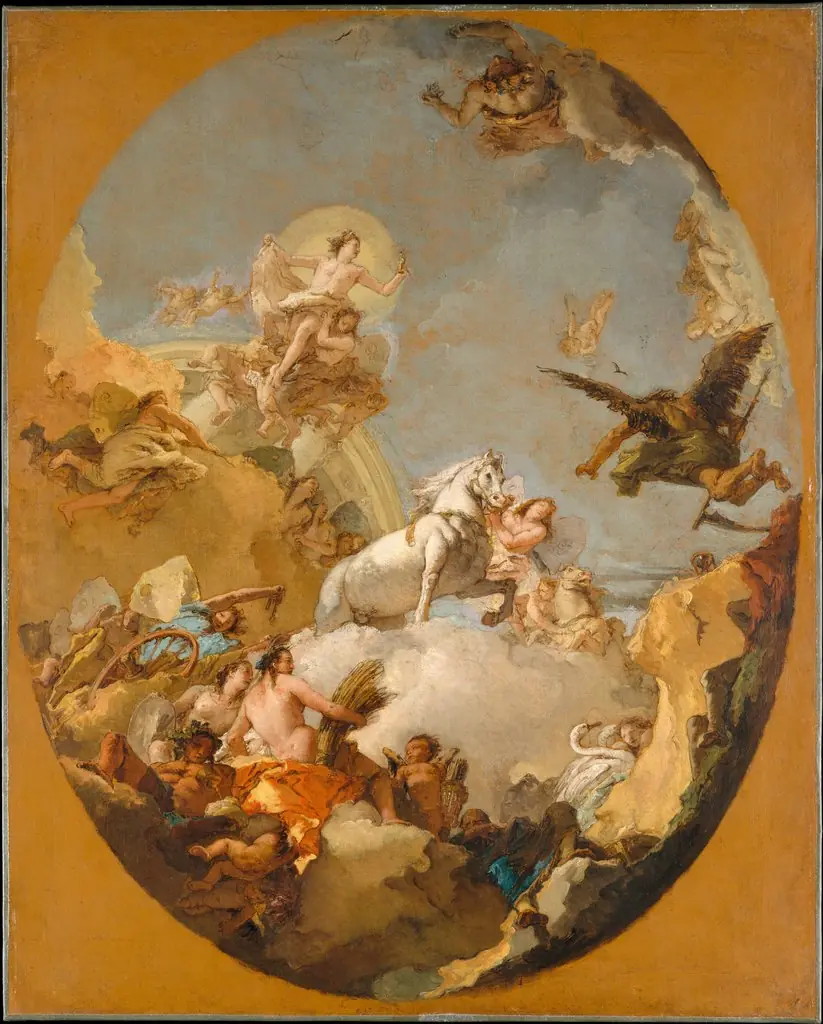
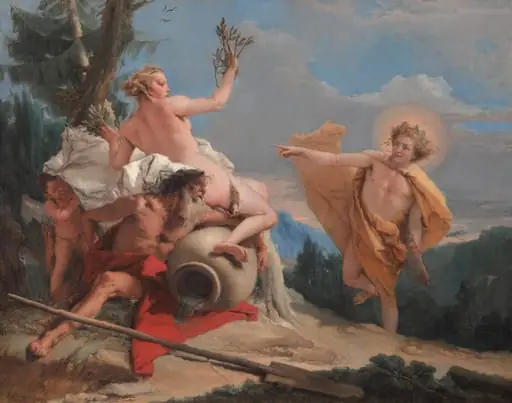
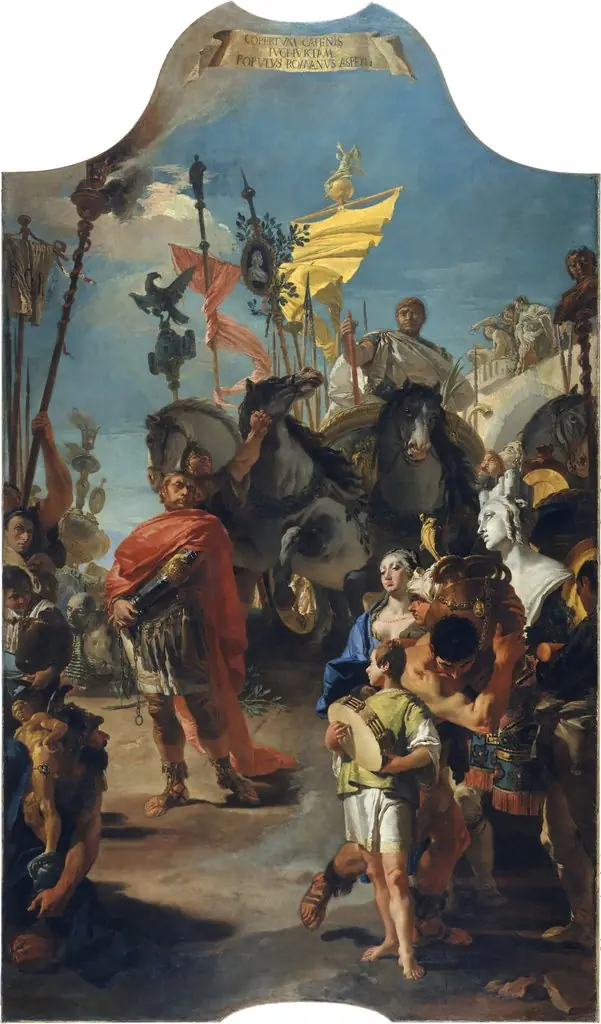
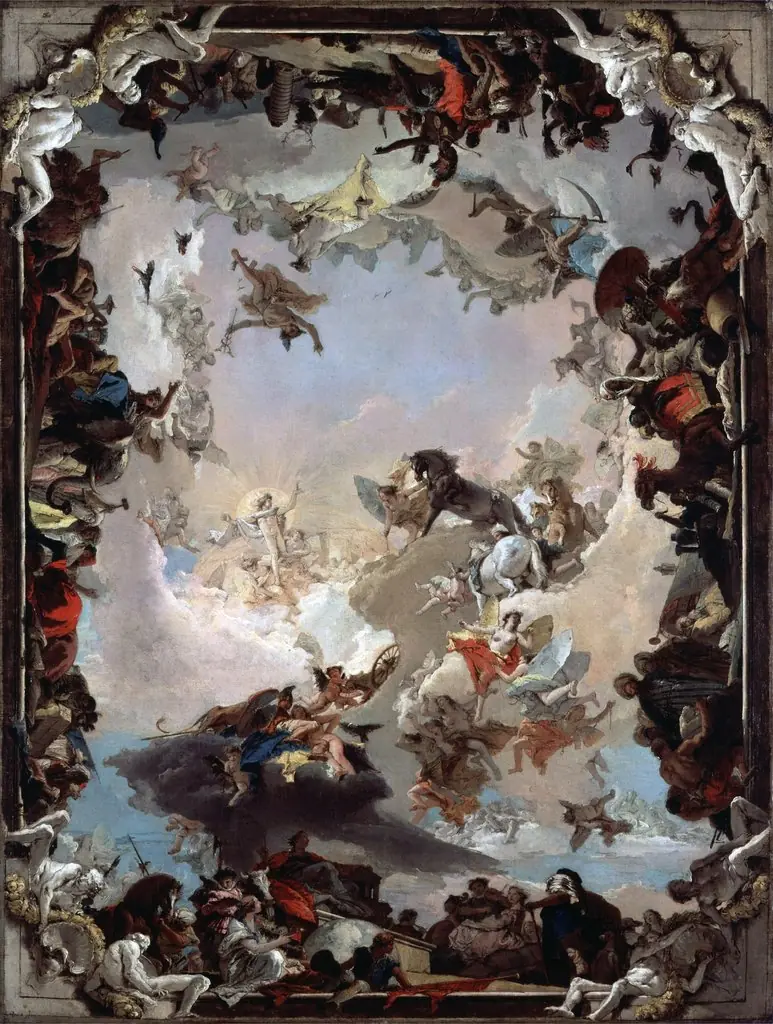
Giovanni Battista Tiepolo, also known as Giambattista Tiepolo, was an Italian painter and printmaker from the Republic of Venice who painted in the Rococo style, considered an important member of the 18th-century Venetian school.

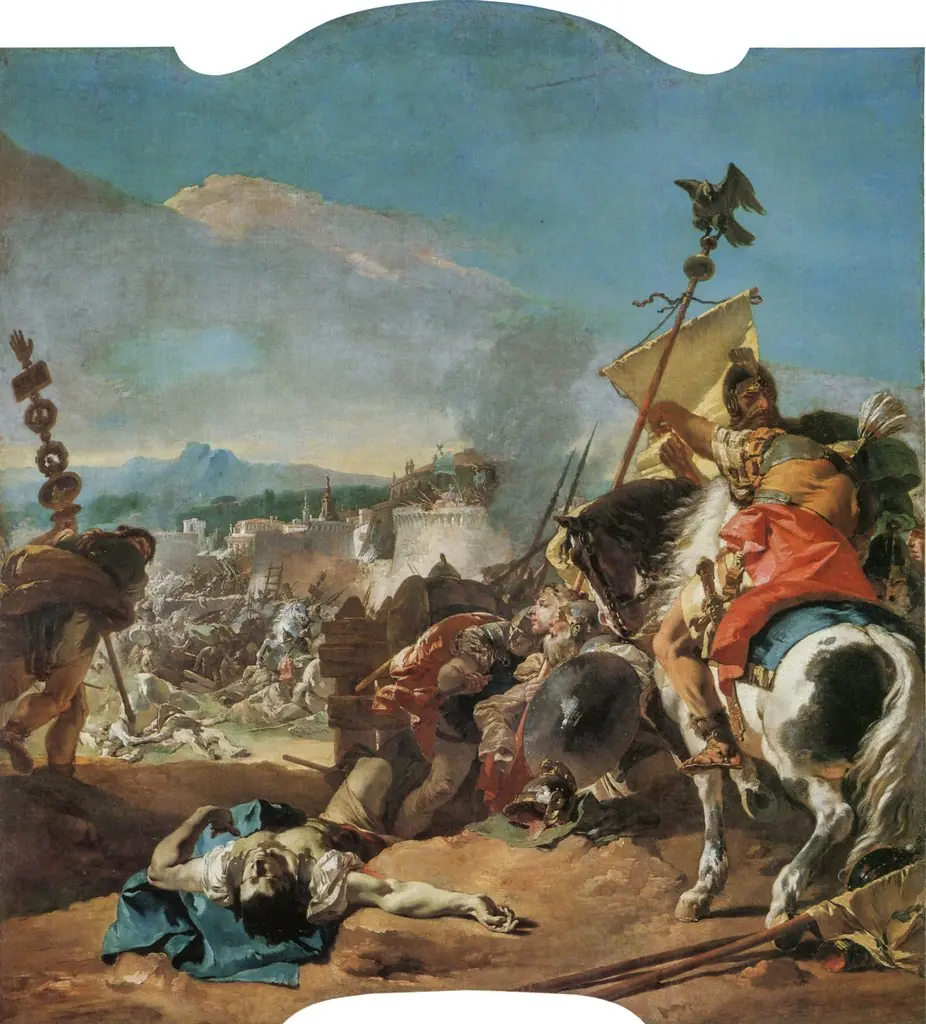
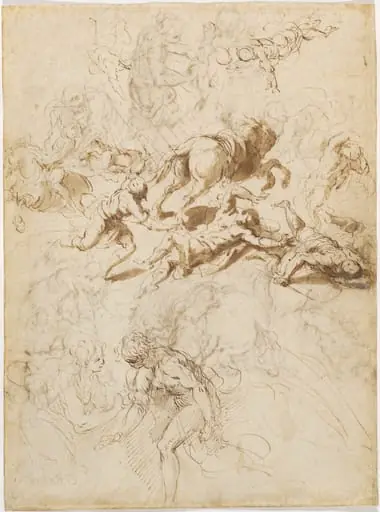 The Conversion of Saint Paul; Adam and Eve
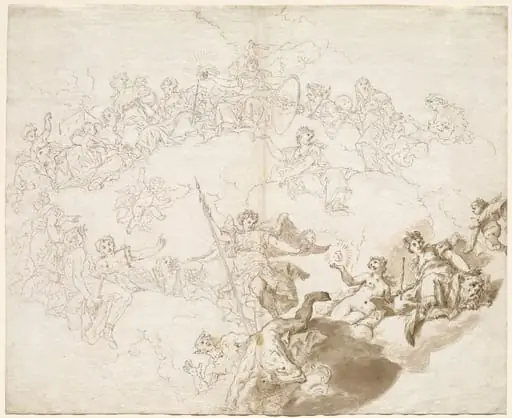 The Triumph of Virtue and Divine Wisdom
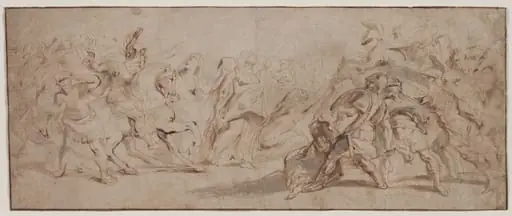 Reconciliation of the Romans and the Sabines (recto)
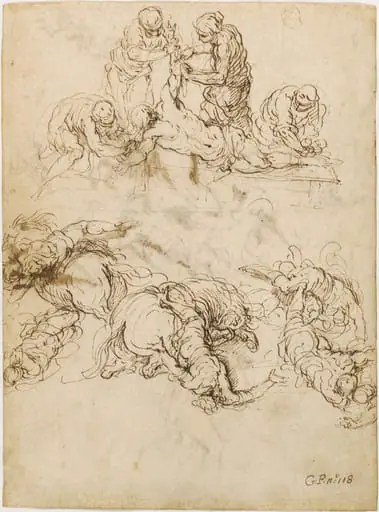 The Martyrdom of Saint Bartholomew; The Conversion of Saint Paul
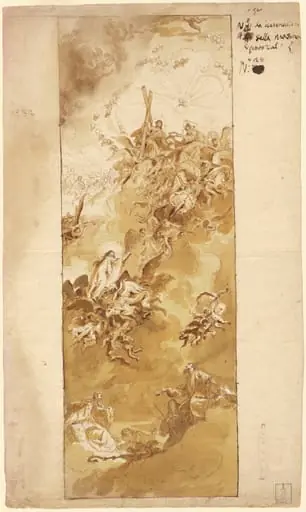 The Assumption of the Virgin
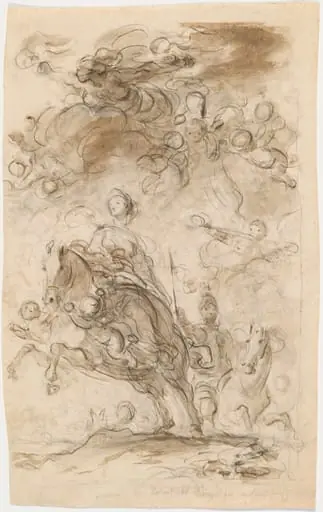 Orlando and Angelica Arrive at Charlemagne's Camp
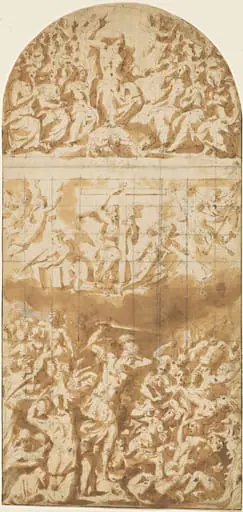 The Last Judgment
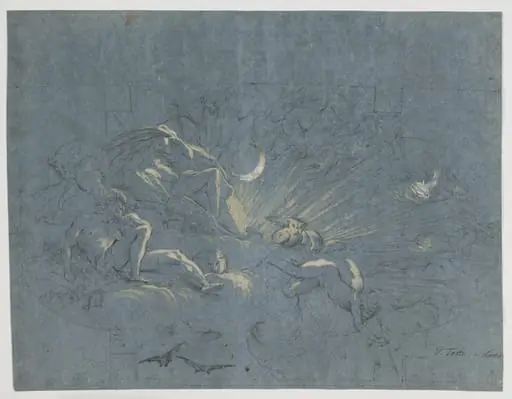 Selene and Endymion, design for a ceiling painting
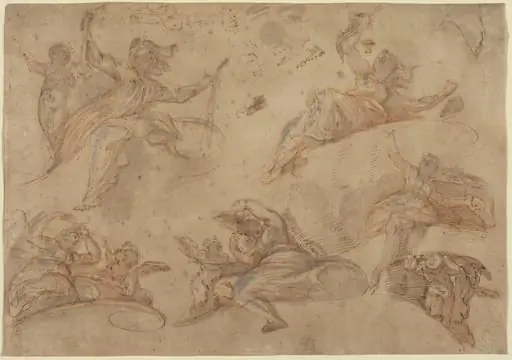 Allegorical Figures Seen from Below
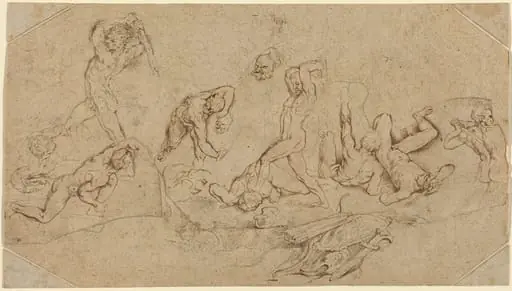 Battle of Nude Men
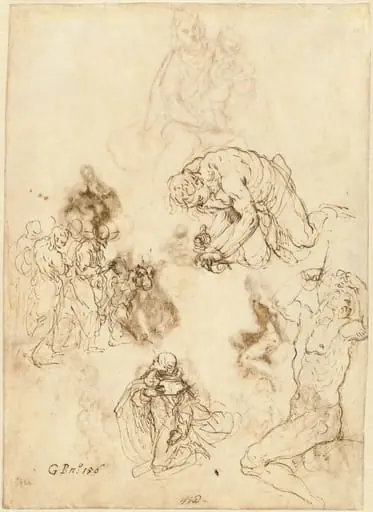 Studies of Christ Healing the Blind Man, Saint Philip Benizzi, and Saint Sebastian
 Figures in a Storm